
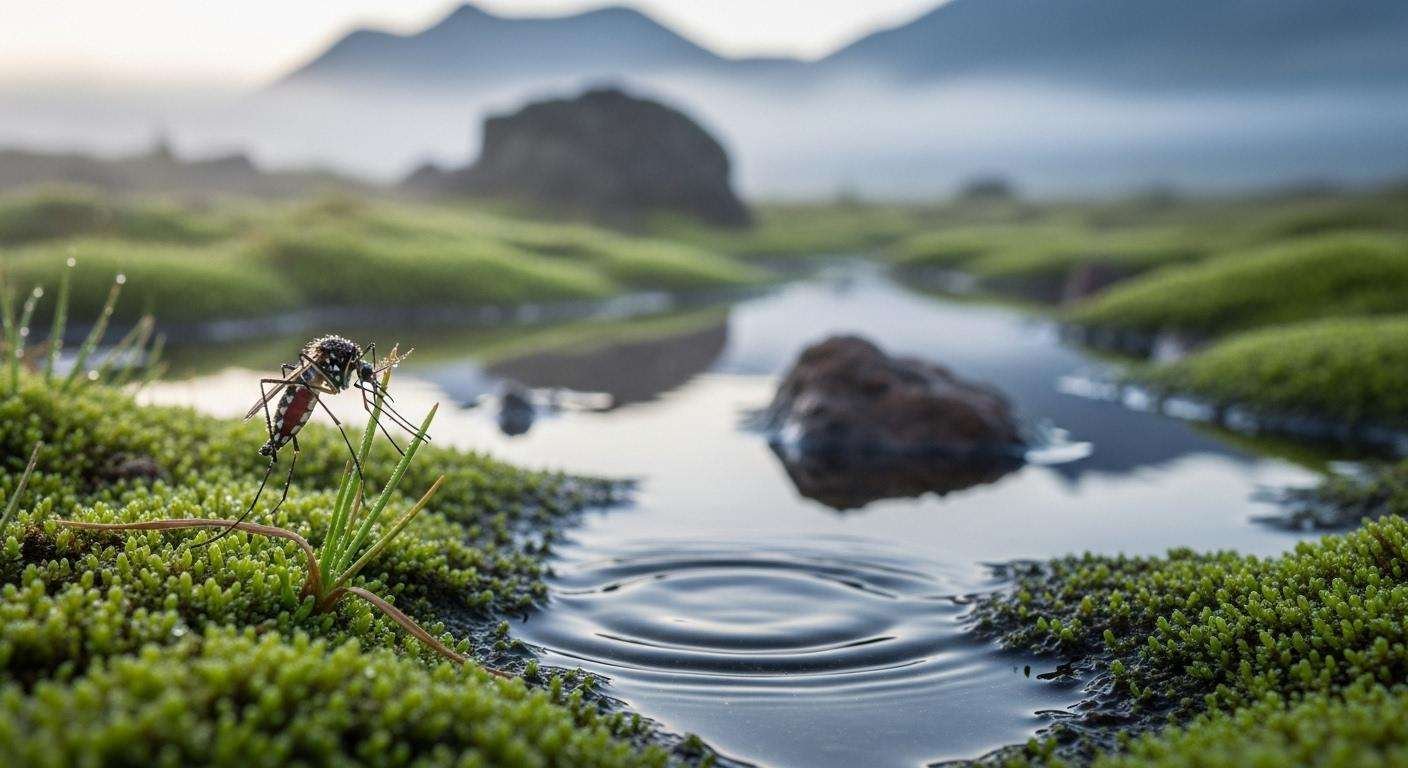
Introduction to Mosquitoes in Iceland
With its dramatic landscapes, steaming geysers, and cascading waterfalls, Iceland has long captivated those with a taste for adventure. But there’s one dubious distinction that often catches visitors off guard: Iceland is known for having no mosquitoes. In a time when mosquitoes buzz — and bite — in nearly every corner of the globe, Iceland seems to offer a rare reprieve. Historically, many have believed that this absence is due to Iceland’s unique ecological environment, a place where the chill of Arctic breezes keeps these pesky insects at bay. However, the role of climate change in transforming such environments can alter this status quo, offering new ecological challenges that are not entirely unforeseen in the global arena.
Scientific Explanation for the Absence of Mosquitoes
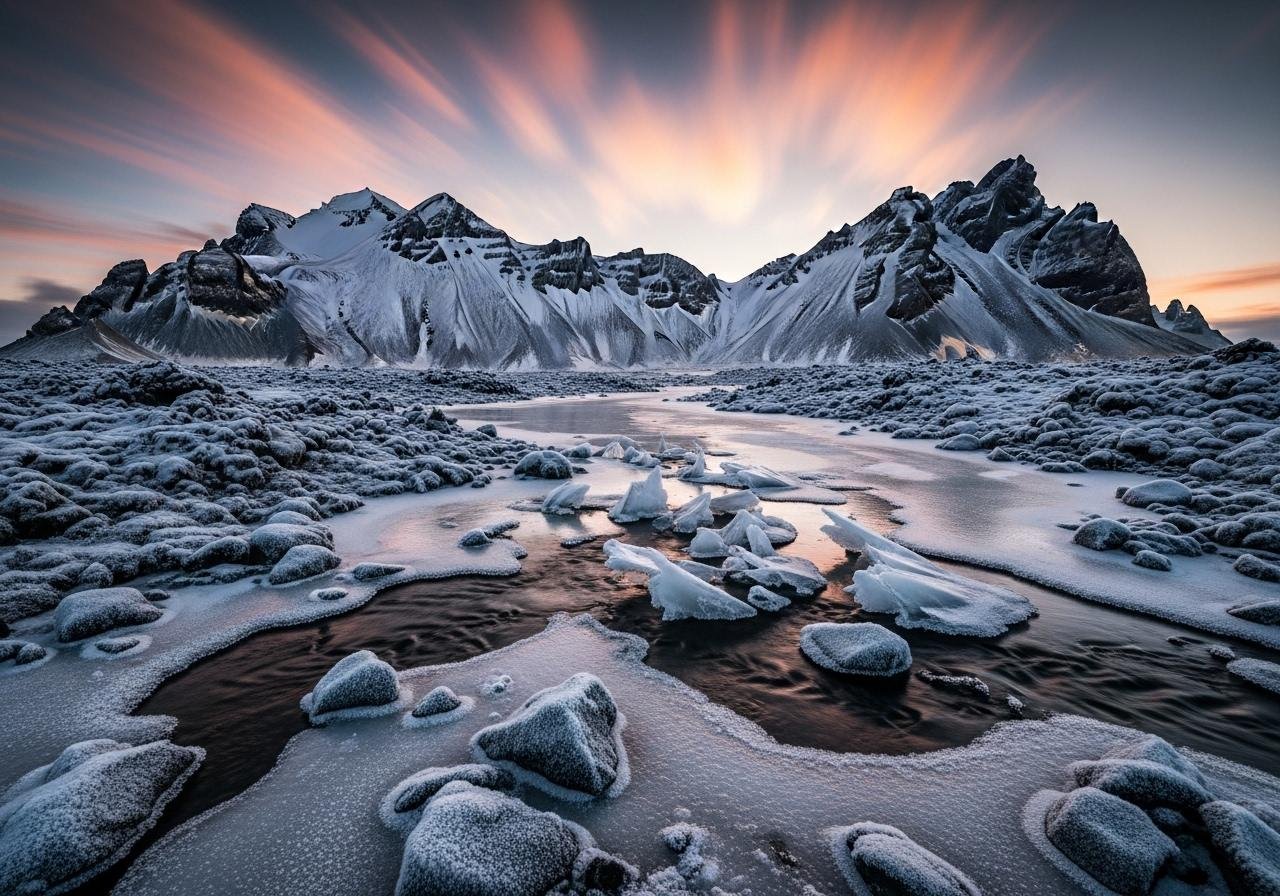
Iceland’s climate, famous for its unpredictability, plays a significant role in its mosquito-free status. The island’s frequent freezes and rapid thaws create a challenging environment for mosquito larvae, which require stable, warm temperatures and standing water to thrive. The mosquito life cycle — from egg to adult — is a delicate dance, heavily reliant on consistent weather. In most cases, Iceland’s weather doesn’t offer the stability these insects need. Exploring sustainable practices through [zero-waste initiatives](https://green.org/2024/01/30/promoting-the-concept-of-zero-waste-living/) can further highlight Iceland’s enduring commitment to maintaining its unique ecological integrity amidst changing climates.
The Impact of Climate Change on Iceland’s Ecosystem
Climate change looms large on the horizon, and even Iceland, with its robust natural defenses, isn’t immune. Rising temperatures and changing weather patterns are increasingly evident. Warmer summers could potentially create more hospitable environments for mosquitoes, impacting local flora and fauna. While the thought of these insects fluttering into Iceland might sound far-fetched, it’s not entirely out of the realm of possibility. What would it mean for Iceland’s delicate ecosystem if mosquitoes made their way here? Reflections on sustainable tourism and its effects on environments like Iceland provide valuable insight into mitigating such impacts.
Comparative Analysis with Other Regions
Consider the other Nordic countries: Sweden, Norway, and Finland, where mosquitoes thrive in summer months. What’s the difference? Stable ecosystems with myriad lakes offer perfect breeding grounds. In stark contrast, Iceland’s volatile climate prevents the migration of mosquitoes from nearby areas. Yet, a shift in global climate dynamics could blur these distinctions, raising questions about the future. Learning from other regions, such as successful zero-waste communities, might offer Iceland strategies to maintain its unique environment.
The Ecological Role and Benefits of Having No Mosquitoes
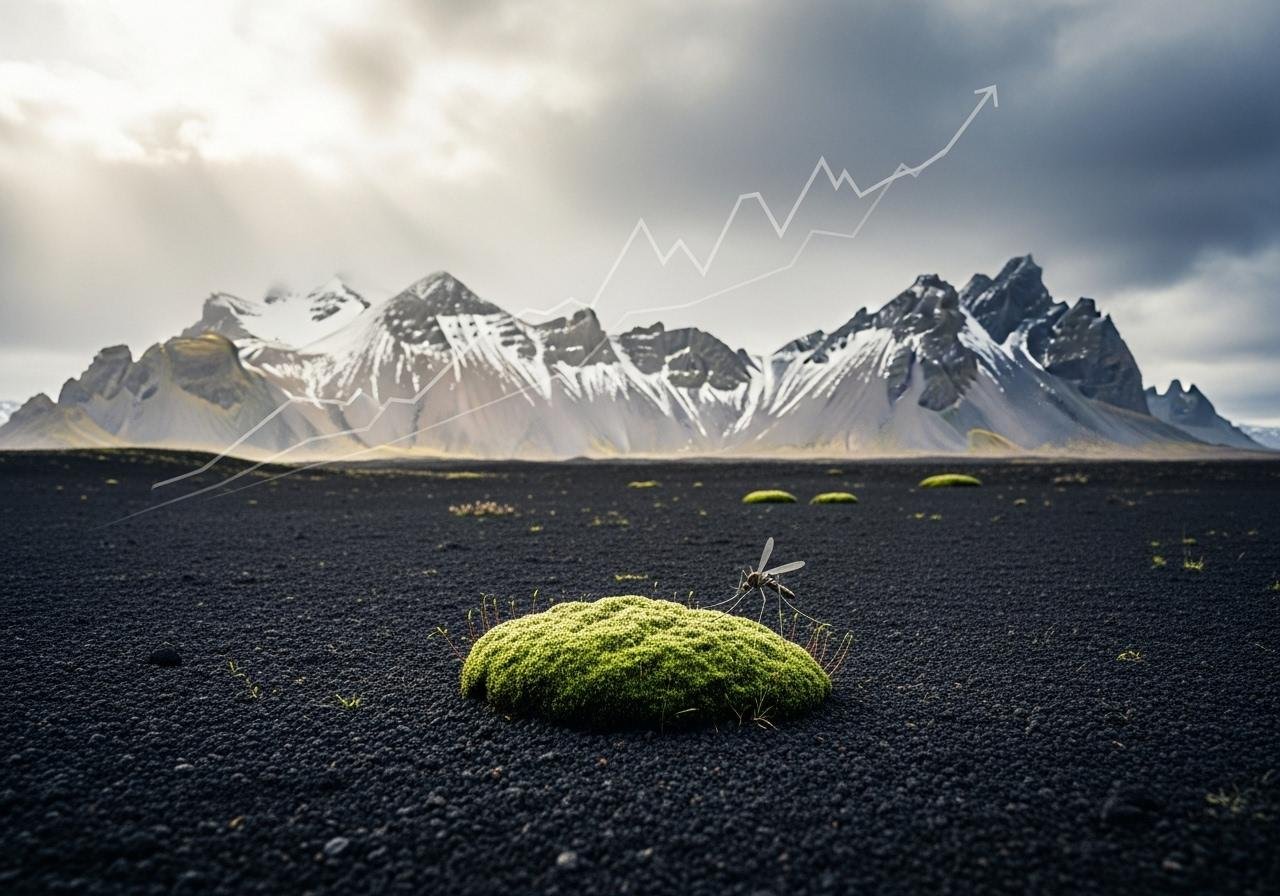
Not having mosquitoes might seem like a small luxury, but it carries broader implications for Iceland. With no mosquitoes to bite or spread disease, Icelanders and tourists alike can enjoy uninterrupted outdoor activities. This ecological feature also means that local wildlife doesn’t rely on mosquitoes for food, a factor that keeps certain bird populations in check, maintaining an ecological balance. Sustainable practices in other areas can further enhance Iceland’s ecological resilience.
Public Perception and Cultural Myths
Local folklore often reflects the awe and wonder that Icelanders feel about their unique environment. There’s a pervasive cultural narrative about the land’s magical quality, where nature itself seems selective about its inhabitants. Such perceptions play a significant role in how locals and tourists alike experience Icelandic life — an existence largely free from the nuisance of mosquitoes.
Potential Environmental and Economic Impacts
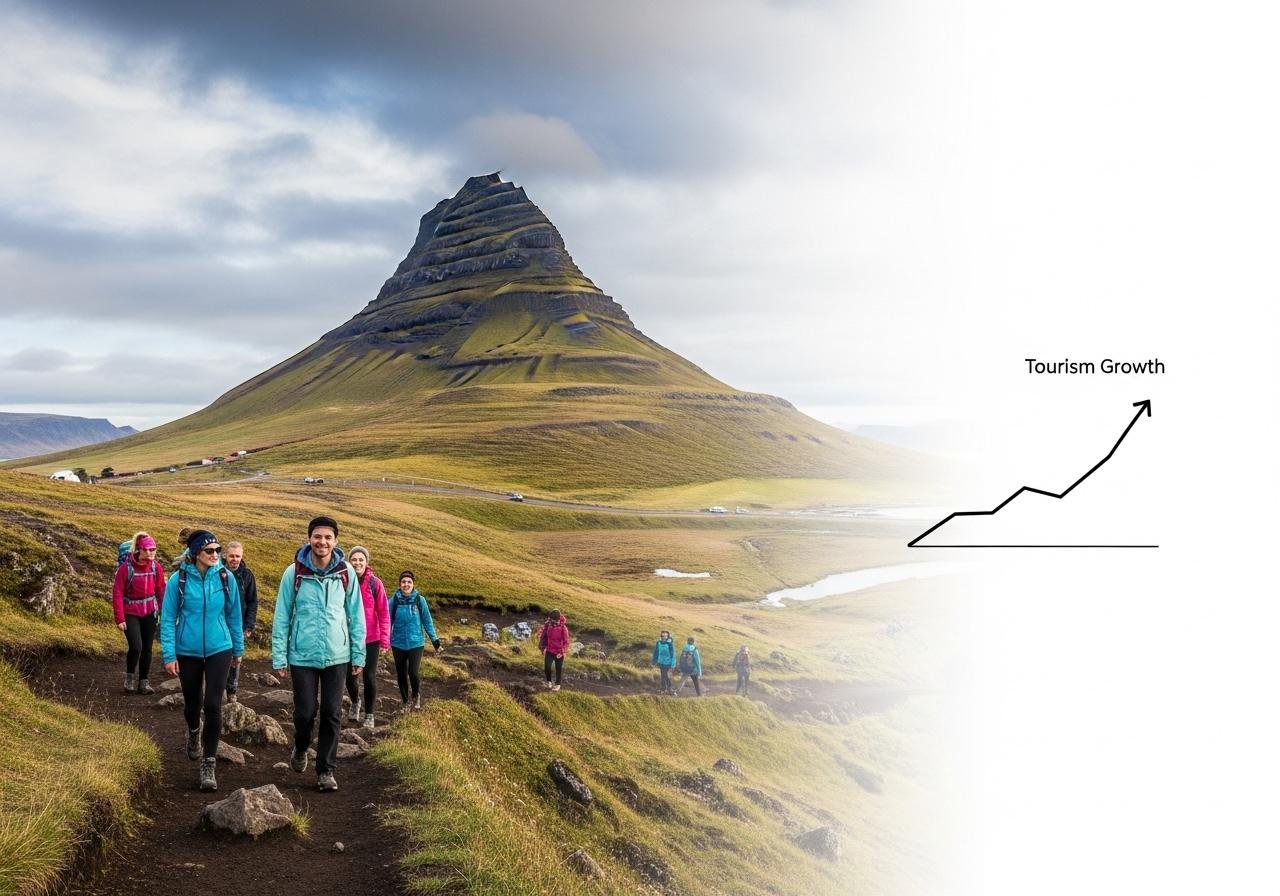
The absence of mosquitoes contributes positively to tourism in Iceland, bolstering its appeal as a pristine travel destination. It also affects agriculture favorably, as crops and livestock face fewer pest-related challenges. Hypothetical scenarios where mosquitoes enter Iceland suggest a potential economic strain, not just on tourism but also on agriculture and public health infrastructure. These are considerations that might seem futuristic but are not entirely implausible.
Concluding Thoughts on the Future
As Iceland stands on the brink of climatic shifts, the possibility of mosquitoes making an appearance raises questions about preparedness and ecological impact. While the current mosquito-free status remains a fascinating ecological quirk, it’s also a reminder of the delicate balance that governs our environment. Future research may delve deeper into Arctic insect populations, offering insights and perhaps even preemptive measures to maintain Iceland’s unique status.
- No mosquitoes in Iceland due to its harsh climate and geography.
- Climate change could alter Iceland’s ecosystems and introduce mosquitoes.
- Other Nordic countries provide suitable habitats, unlike Iceland.
- The lack of mosquitoes benefits tourism and agriculture.
FAQ
Q: Why are there no mosquitoes in Iceland?
A: Iceland’s cold climate and frequent freeze-thaw cycles prevent mosquitoes from completing their life cycle.
Q: Could mosquitoes appear in Iceland in the future?
A: Climate change and warmer temperatures might make certain areas of Iceland more hospitable for mosquitoes.
Q: How does not having mosquitoes benefit Iceland?
A: It enhances tourism and reduces pest-related issues for agriculture, positively impacting the economy.
Q: What’s the difference between Iceland and other Nordic countries regarding mosquitoes?
This article is for informational purposes only.
Reference: https://www.enn.com/articles/77294-mosquitoes-found-in-iceland-for-the-first-time
The post Mosquitoes in Iceland appeared first on Green.org.


