
Agriculture gained stronger representation on municipal councils across Ontario in the Oct. 26 elections.
Former councillors Jennifer Kyle and Bronwynne Wilton won decisive mayoral victories in Brant County and Centre Wellington.
WHY IT MATTERS
Infrastructure, taxes, land-use planning and farmland protection emerged as priorities as councils prepare to balance development pressures with the needs of farming communities.
“It’s a bit of relief that it [the campaign] is over and we can move forward and get to work,” said Kyle, joking that, as a rural candidate, she received congratulatory texts before seeing the results because of slow internet access.
Kyle will be leaving her job as manager of public engagement and digital strategy at Beef Farmers of Ontario to become the mayor.
During her four years as Brant County councillor, Kyle built trust and confidence by balancing agriculture, rural and urban concerns and bringing a unique perspective to the table.
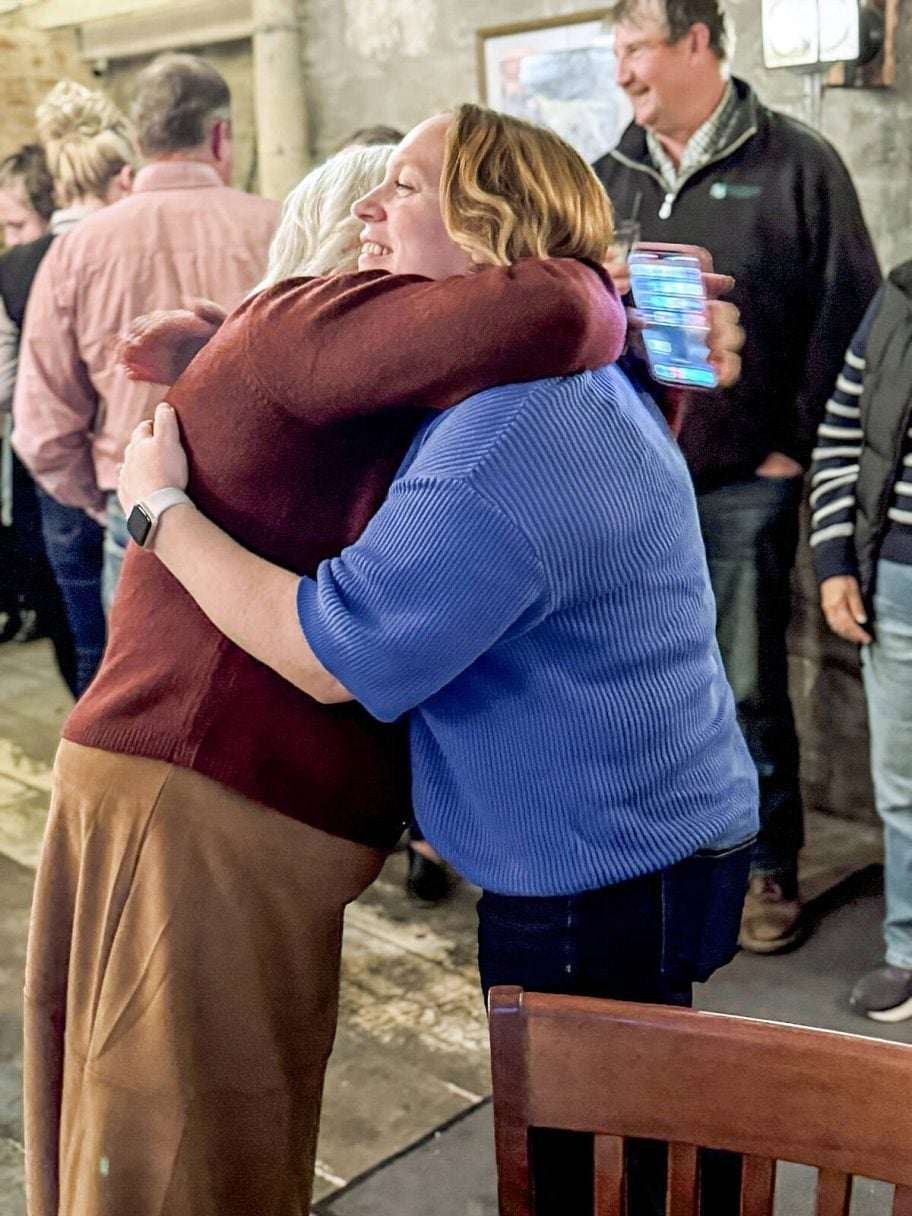
“I have a strong agricultural and farming background, both on the producer and the farm family side, but also on the industry side, which I think is something that not everyone has,” she told Farmtario. “I also really rely on having really strong functioning urban areas as well.”
Rural issues
Jason Leblond, Beef Farmers of Ontario president, said the organization is sad to lose Kyle, but there’s a need for “agricultural voices at all levels of government who understand rural issues, our food system and the contributions farmers make to our economy and communities.”
Municipal decisions have lasting consequences for agriculture, he said, and as communities grow, that agricultural perspective helps governments meet housing and infrastructure needs while protecting farmland and supporting farmers.
Kyle takes an integrated approach rather than an urban versus rural, us versus them, responding to concerns to ensure infrastructure and growth serve the broader community, including agriculture.
“We do have some good balance looking at who’s been elected. We’ve got some with some firsthand farming background and some from more of the rural areas, as well as our urban councillors,” she said.
She’s optimistic Brant County council will be open-minded to perspectives on agricultural, rural and urban concerns, leading to thoughtful and effective infrastructure and development decisions.
Collaboration
Wilton is encouraged by the results of the election, saying there are several people “elected across the province that have an interest in agriculture.”
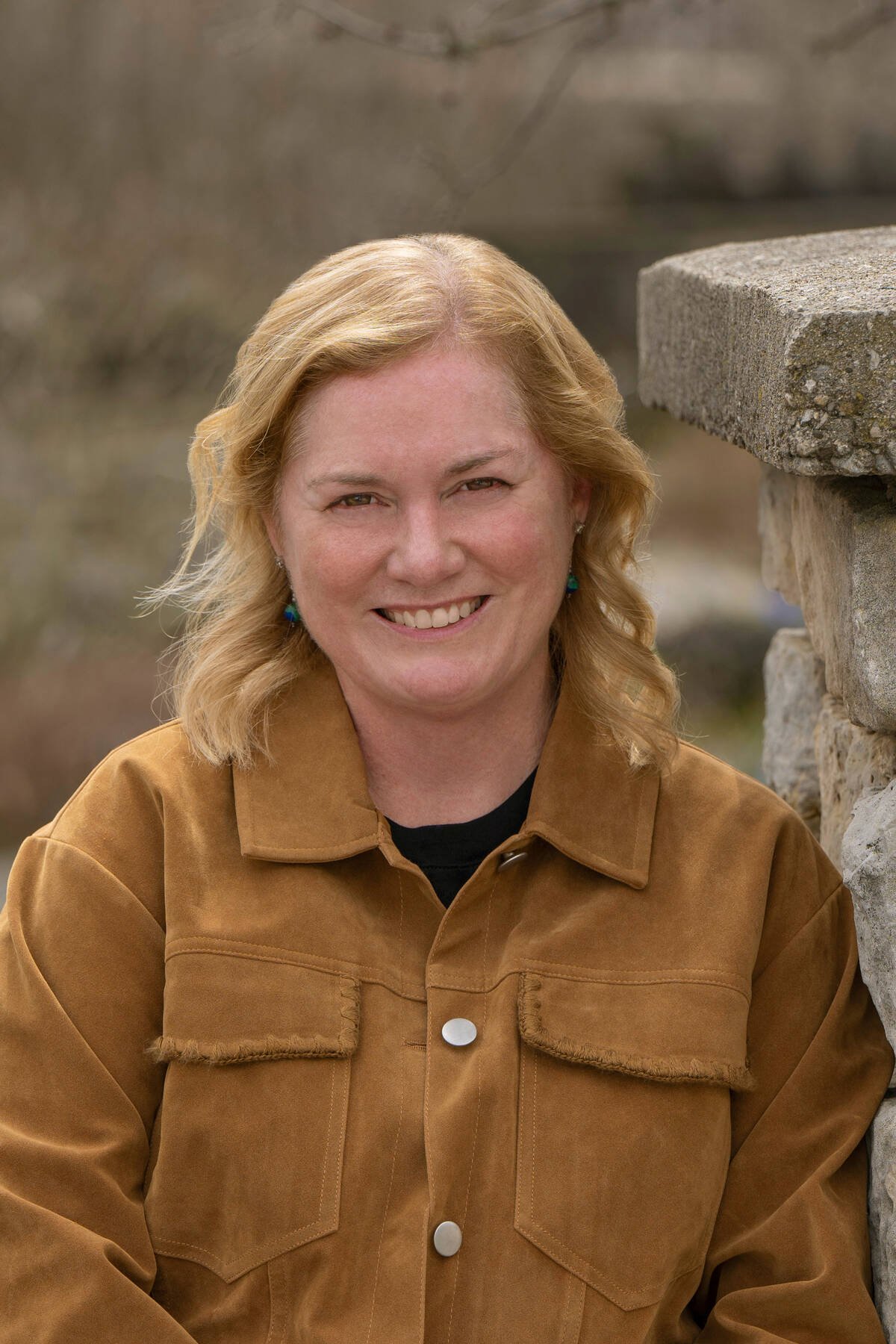
She is well known to the agriculture sector as for many years she was a consultant to many farming organizations and municipalities on strategy, policy and economic development with the Wilton Consulting Group. She has a doctorate in rural studies from the University of Guelph.
Wilton hopes municipalities will collaborate on stronger land-use policies, manage urban development and resist boundary encroachments, which she said are key to protecting community farm resources.
Centre Wellington, home to about 30,000 residents, faces significant growth pressure with five development applications before the Ontario Land Tribunal.
“I also want to look at an agricultural advisory committee at the township level or the county level,” she said, noting that local farming organizations manage a wide region and advisory committees help ensure local issues are addressed at the municipal level.
Farmland protection
New Grey Highlands councillor David Meslin represents a community facing ongoing pressure from developers, aggregate operators and a booming tourism industry. The municipality is a gateway to tourism-heavy towns like Collingwood, Thornbury and Meaford.
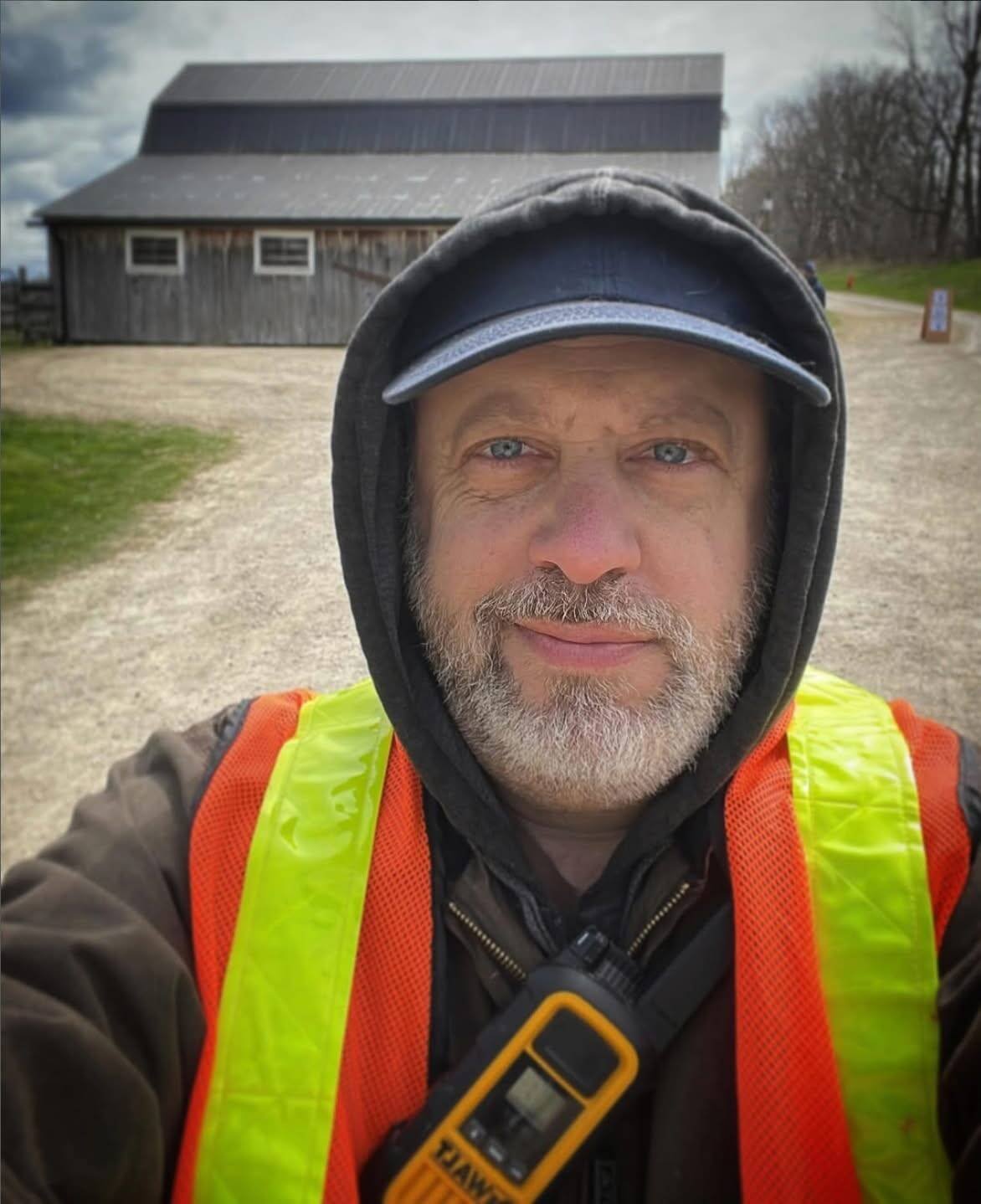
Meslin plans to keep agricultural concerns at the forefront of council decision-making.
“Our newly elected council is comprised of farmers and townsfolk. As a town dweller myself, I’ll be taking my lead from the farmers on council as well as from residents,” he said.
He described Grey Highlands as “a proud agricultural community,” home to many livestock, field crop and maple syrup operations. He said protecting it from intensification is essential to maintaining its agricultural roots.
“We need to protect farmland from subdivision sprawl, and one way to do that is by pushing for mixed-density communities, rather than 1950s-style sprawl,” he said.
Communication
As the Ward 3 councillor for Wellington North, James Craig, an Arthur-area beef and cash-crop farmer, plans to use his background in agricultural finance to make informed decisions and balance competing priorities.
“I hope to be a source of knowledge for other members on council,” he told Farmtario following the election.
Craig compared running a municipality to running a farm. Both have limited income sources and significant responsibilities. He said council must work together to communicate municipal challenges and agricultural priorities to the provincial government.
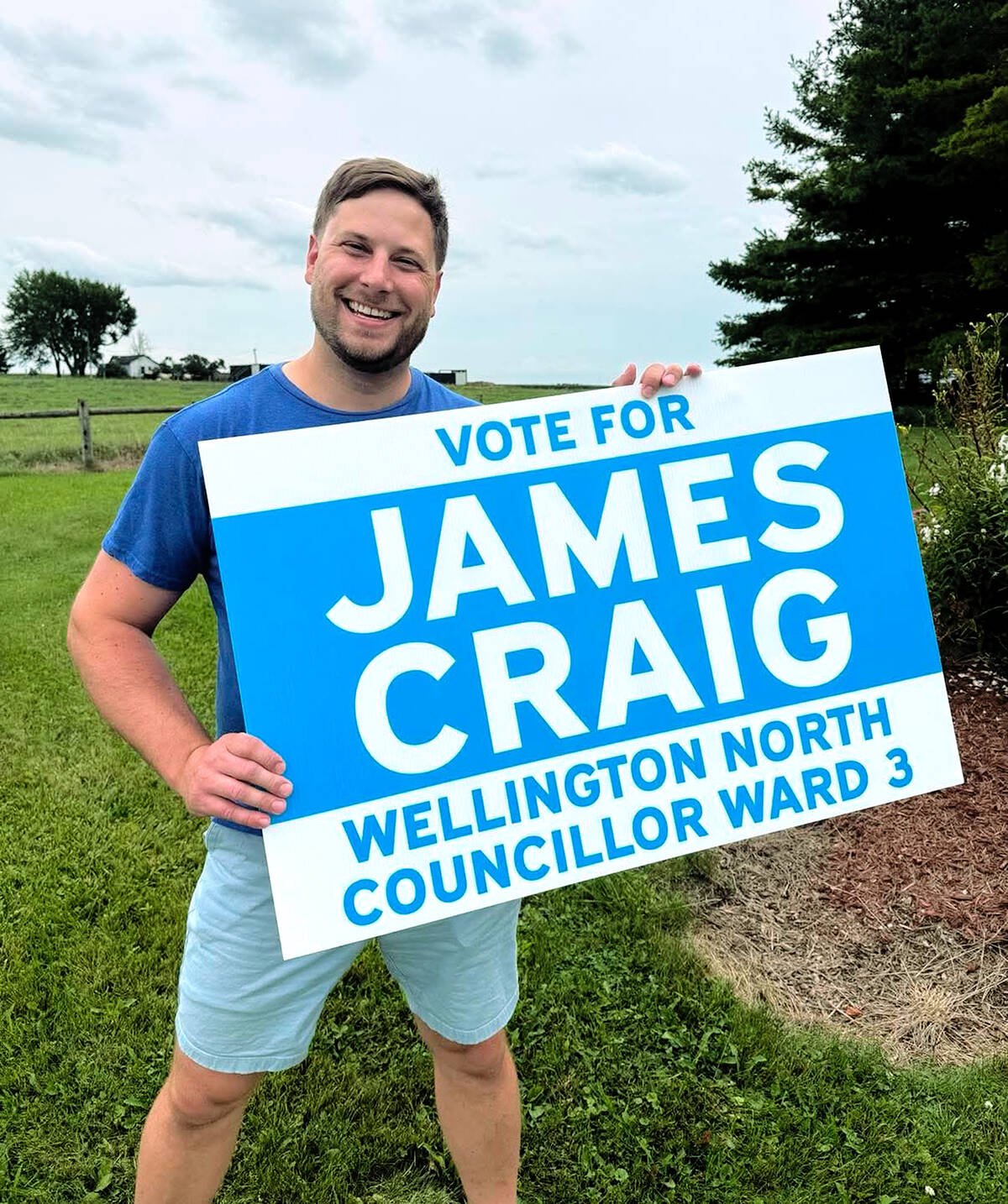
“I’ve been really impressed with how many candidates there have been. I think that’s a really healthy thing,” he said. “So, while we were competitors yesterday, I hope that we can be collaborators tomorrow.”
Agricultural voices
Drew Spoelstra, Ontario Federation of Agriculture president, monitored election results across Ontario and said agriculture representation appeared to increase overall.
“Having knowledgeable voices at both the councillor and mayoral levels is critical to ensuring that agriculture and rural communities remain priorities in local decision-making,” he said.
Spoelstra said some communities missed the opportunity to elect strong farm and agricultural candidates whose valuable experience and farm voices could have strengthened council deliberations.
“We recognize and appreciate every one of them who put their name forward to serve their communities,” he said. “We’re ready to engage with mayors and councillors across the province to support Ontario’s farm families, strengthen our rural communities, and ensure agriculture and rural Ontario continue to thrive.”


