
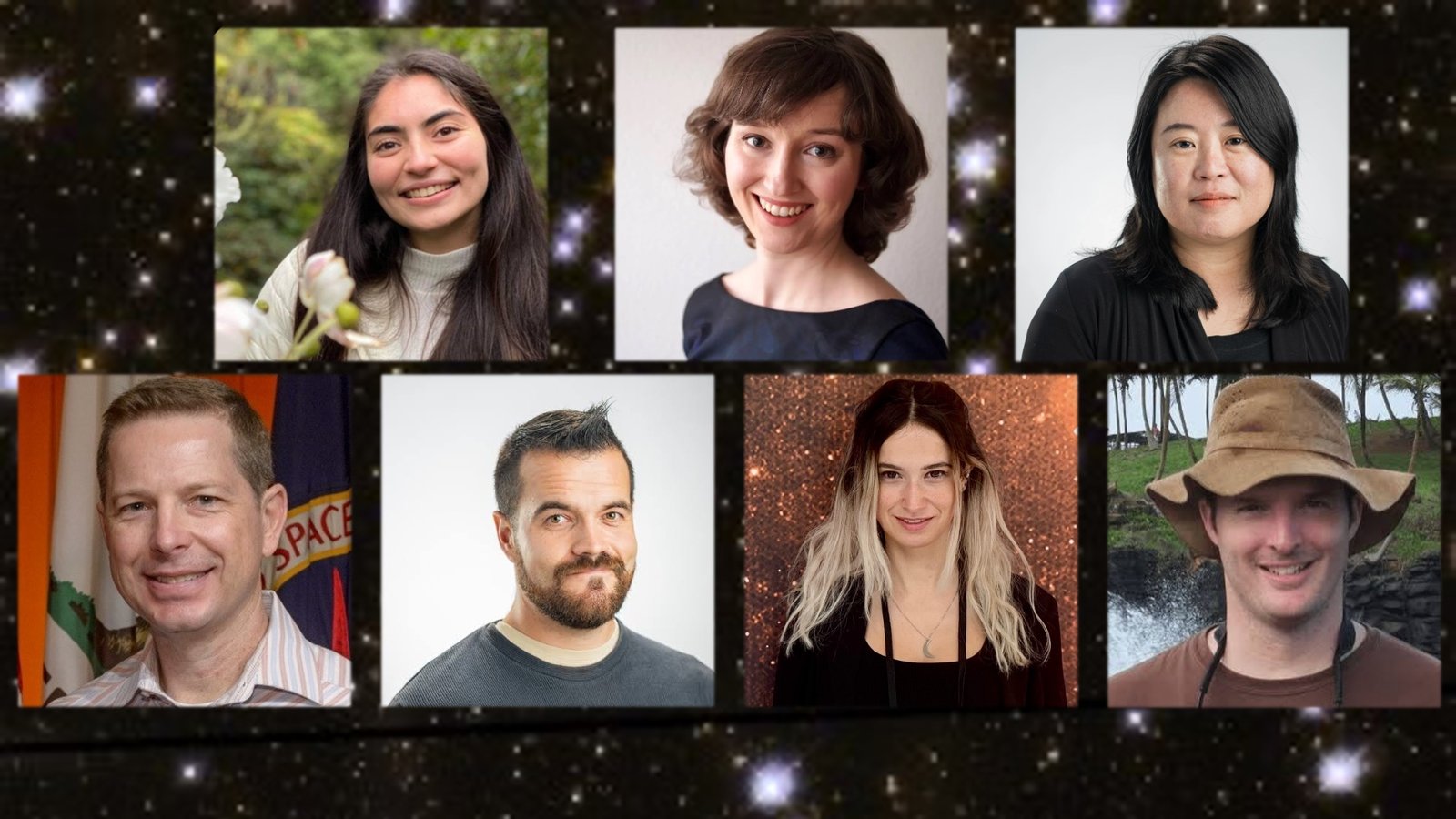
The NASA Ames Science Directorate recognizes the outstanding contributions of (pictured left to right) Steve Ormsby, Aphrodite Kostakis, Alejando Borlaff, Sarah Nickerson, Martina Caussi, Keiko Nomura, and Stephen Broccardo. Their commitment to the NASA mission represents the entrepreneurial spirit, technical expertise, and collaborative disposition needed to explore this world and beyond.
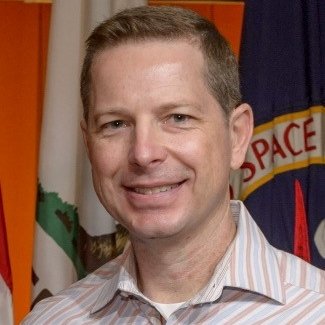
Space Biosciences Star: Steve Ormsby
Steve Ormsby is a project engineer for the Space Biosciences Division with Amentum in the Center Operations Directorate. He is recognized for his perseverance, dedication and initiative in overseeing the safety of division facilities and infrastructure maintenance, as well as exceptional diligence as a property custodian.
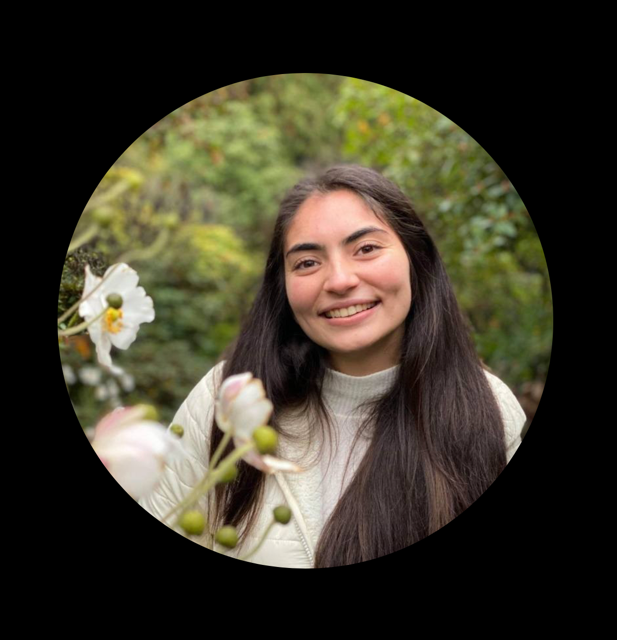
Space Biosciences Star: Aphrodite Kostakis
Aphrodite Kostakis is the Facility Service Manager with Amentum for building N239 in the Space Biosciences Division. She is acknowledged for her exemplary work ethic in maintaining building safety, preparing for and leading VPP inspections with diligence and attention, and suggesting infrastructure improvements and ensuring they get implemented for everyone’s benefit.
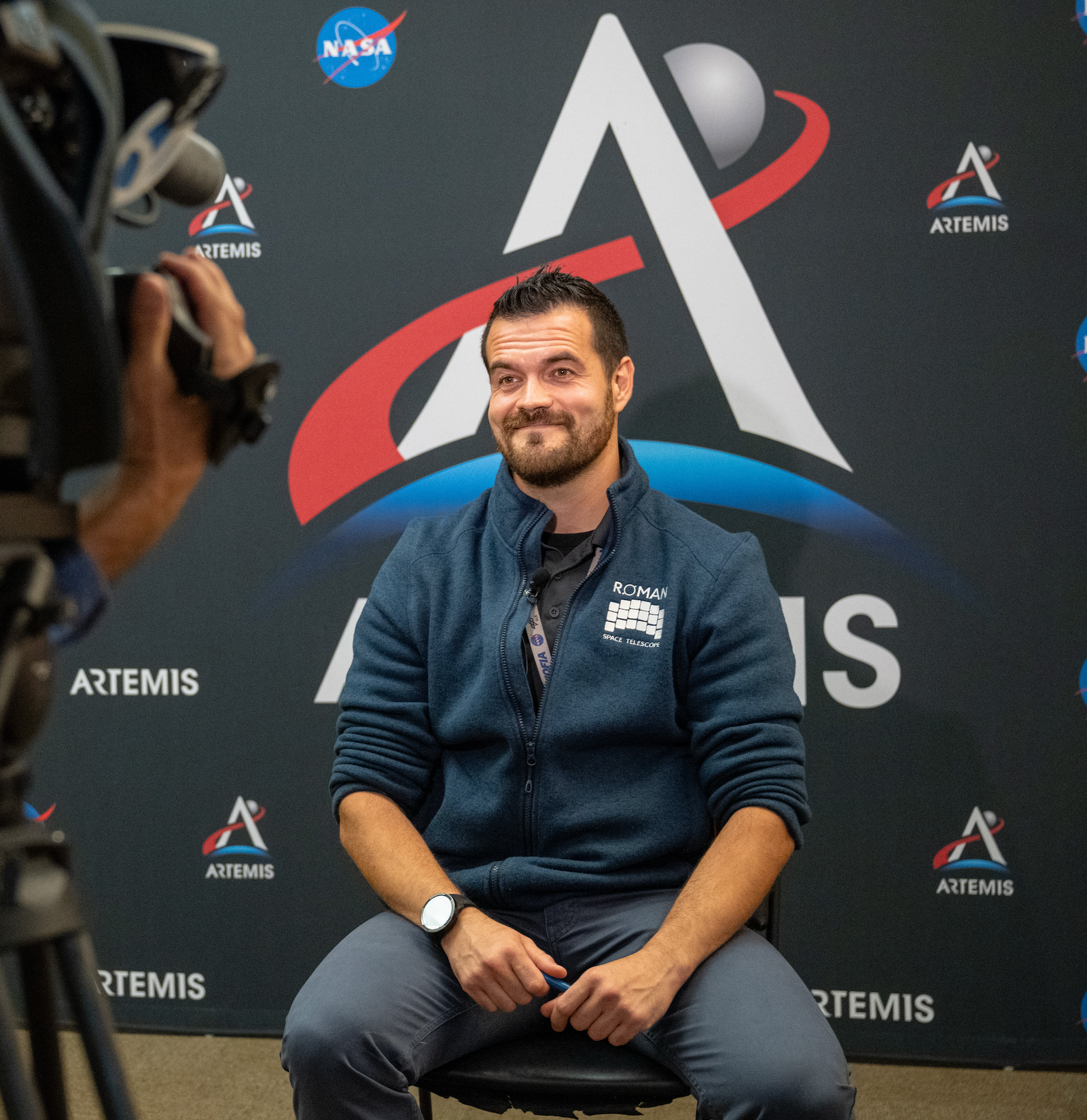
Astrophysics Star: Alejandro Borlaff
Alejandro (Alex) Borlaff, a research scientist in the Astrophysics Division with the Bay Area Environmental Research Institute, is recognized for his leadership in pioneering and developing image reduction pipelines for the Hubble Space Telescope (HST) and the Roman Space Telescope’s Wide Field Instrument (WFI). These algorithms significantly advance the detection of ultra-low surface brightness features through rigorous modeling of background contamination, including scattered and zodiacal light, better maximizing the science derived from NASA flagship astrophysics missions.

Astrophysics Star: Sarah Nickerson
Sarah Nickerson, a research scientist in the Astrophysics Division with the Bay Area Environmental Research Institute, is recognized for exceptional work on the analysis and curation of data taken from the EXES instrument on NASA’s Stratospheric Observatory for Infrared Astronomy (SOFIA) observatory. This provides high-level data products to the global astrophysics community for continued discovery and synergy with other NASA missions.
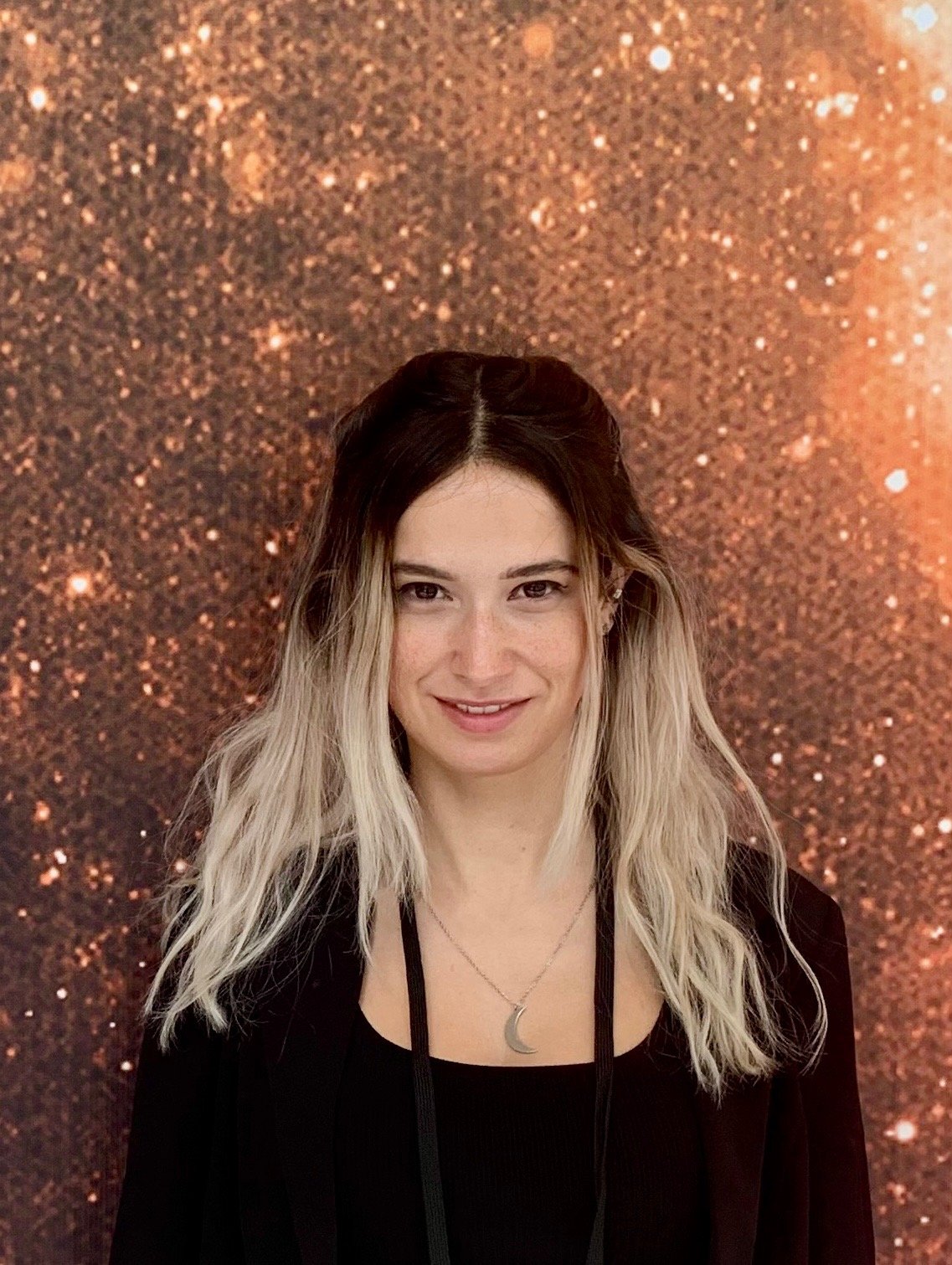
Planetary Science and Exobiology Star: Martina Caussi
Martina Caussi is a NASA Postdoctoral Program Fellow in the Planetary Science and Exobiology Division. Martina is recognized for her outstanding work using finite element simulations to determine that topographic relaxation has played a significant role in shaping Tegid, an unusually shaped impact crater on Europa. This work represents valuable precursory science in anticipation of the Europa Clipper mission, which will refine our understanding of this ocean world.

Earth Science Star: Keiko Nomura
Keiko Nomura is a research scientist for the NASA Earth Exchange (NEX) in the Earth Science Division with the Bay Area Environmental Research Institute. She is acknowledged for timely efforts in leadership, stakeholder engagement, coordination with NASA HQ management, and team building for the recently funded NEX-GeoAI project. This project is now being recognized as a key step forward to establishing NASA as the ground-truthing agency for federal and private sector GeoAI modeling activities for decision making.
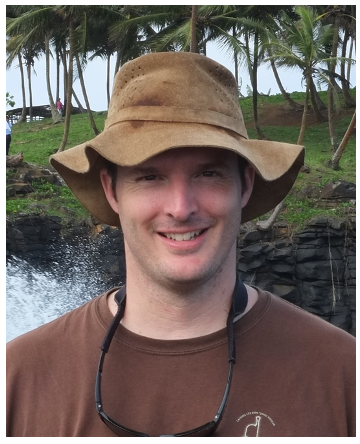
Earth Science Star: Stephen Broccardo
Stephen Broccardo is a research scientist in the Earth Science Division with the Bay Area Environmental Research Institute. He is recognized for exceptional initiative and technical leadership in sustaining and advancing Ames’ atmospheric remote-sensing capabilities. Stephen has maintained critical observational capabilities and developed thoughtful technical milestones for future satellite-validation and science activities.


