

Rising Ocean Temperatures
Early this year (2026 – for those of you who may not remember) , oceanographers reported something both remarkable and worrying – that being that global ocean temperatures in 2025 reached their highest levels since recordkeeping began.
This sis confirmed by both satellite observations and deep-sea buoys which now show that vast stretches of the Atlantic, Pacific, and Indian Oceans ( & Mediterrenean) are warmer than ever recorded and It’s not just a statistic it’s a sign of how deeply our planet’s climate system is changing.
Oceans act as Earth’s climate memory as thy absorb around 90% of the excess heat trapped by greenhouse gases, meaning tracking ocean temperatures is like reading the pulse of the planet. When that pulse quickens, it tells us something about the broader health of the climate and even compared to even a decade ago, the temperature rise is significant, and scientists warn that each new record makes weather extremes and ecosystem shifts more likely.
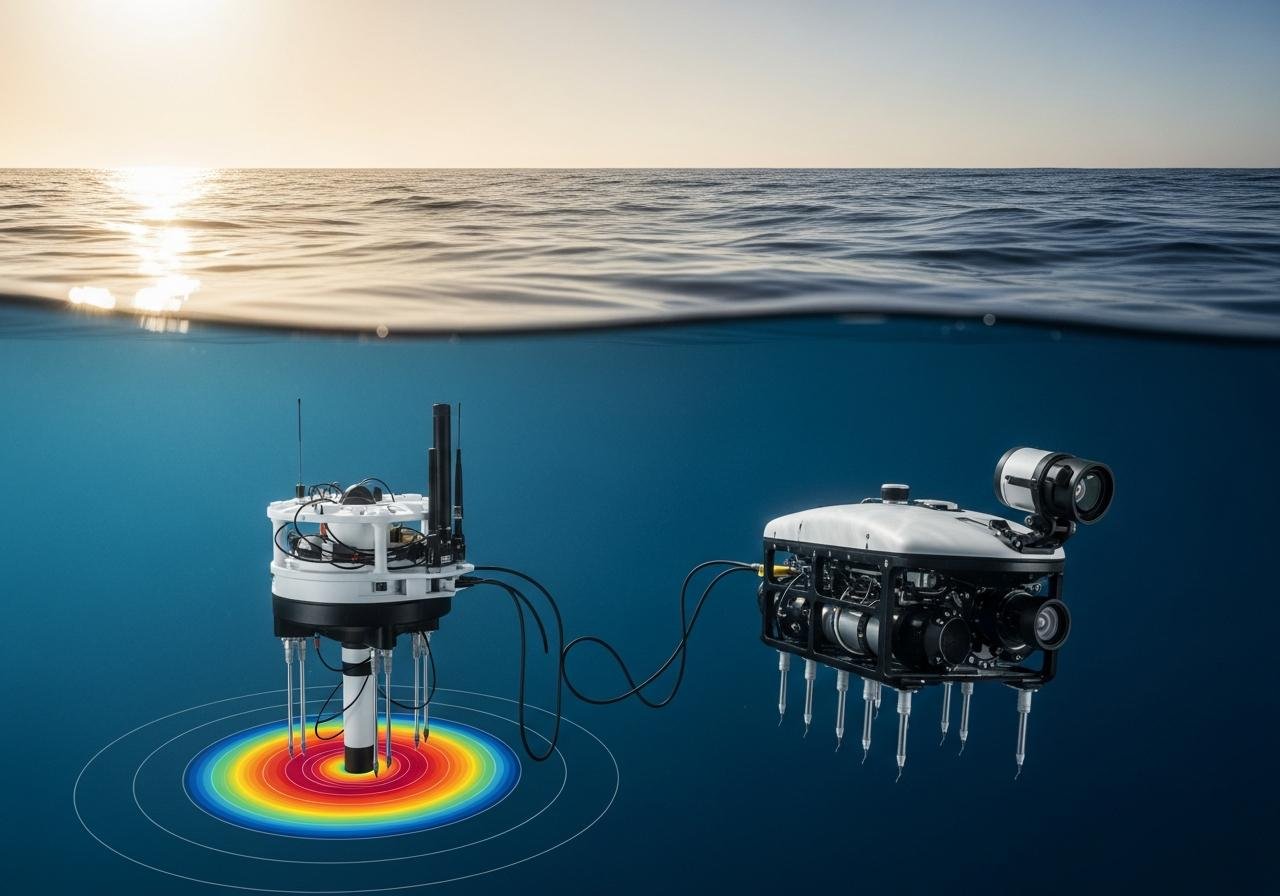
Causes of Rising Ocean Temperatures
The main reason the oceans are heating up isn’t a mystery as it’s us – ourselves – that is human activity, mostly the burning of fossil fuels which releases billions of tons of carbon dioxide and methane into the atmosphere each year. These gases trap heat, and much of that warmth ends up in the water.
Other factors such as deforestation also play a quieter but important role as with fewer trees to absorb carbon dioxide, more of it lingers in the atmosphere, intensifying the greenhouse effect. Meanwhile, the loss of marine biodiversity especially tiny organisms like plankton that store carbon naturally further accelerates warming. Natural cycles such as El Niño do influence temperatures on shorter timescales, but the long-term warming trend is clearly human-driven.
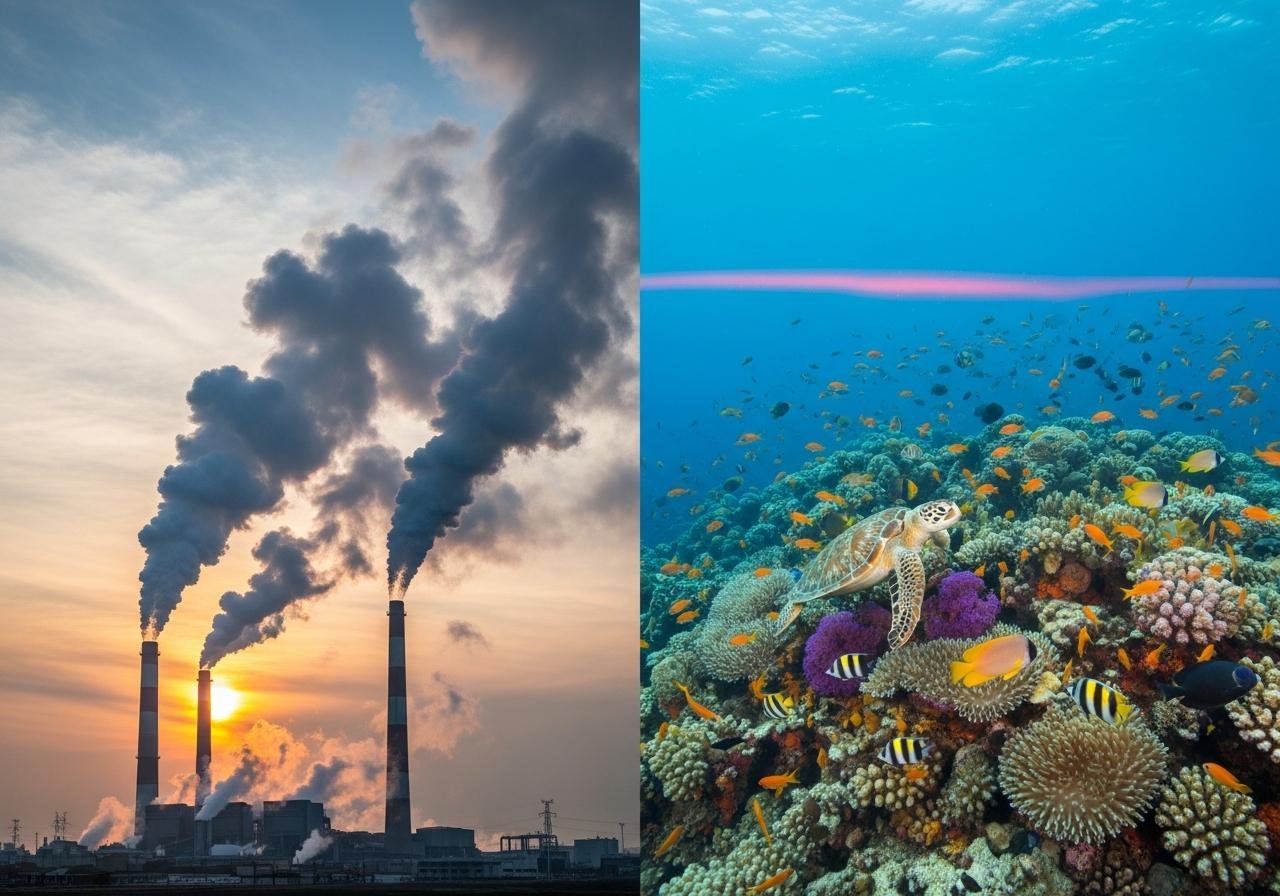
Consequences of Increased Ocean Temperatures
Warmer oceans disrupt nearly every marine ecosystem. Fish migrate toward cooler waters, reshaping food webs and affecting coastal economies that rely on stable fishing grounds.
Coral reefs, those bright underwater cities of biodiversity, are especially vulnerable. When temperatures rise even a couple of degrees, corals expel the algae that give them color and energy, leading to coral bleaching. Entire reef systems can die within months and it takes year to recover naturally if ever.
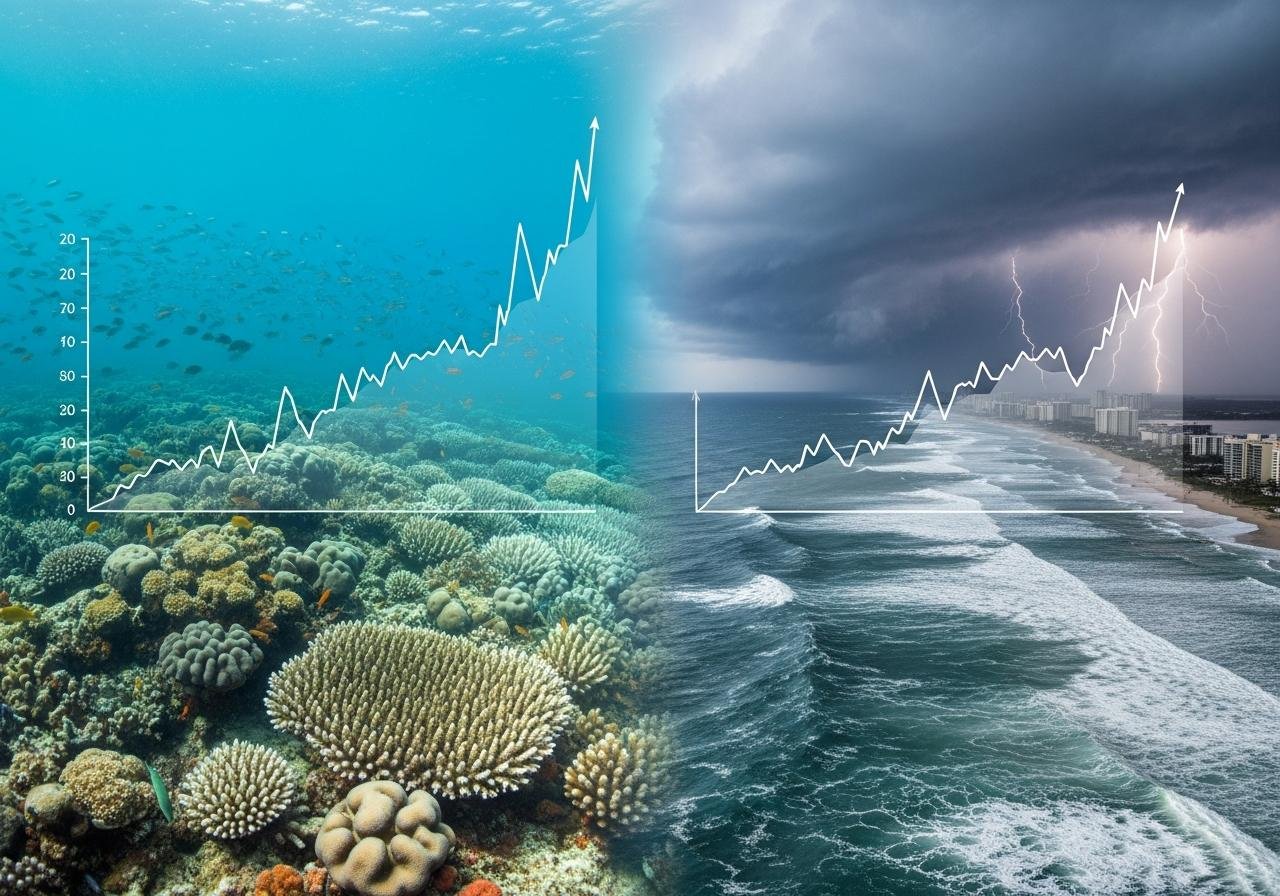
This underwater shift has ripple effects above the surface too as warmer ocean fuel stronger storms and heavier rainfall because heat provides more energy for atmospheric systems.
The result? More intense hurricanes in the Atlantic, fiercer typhoons in the Pacific, and unusual rain patterns from Southeast Asia to the U.K. with coastal communities, from Florida to Bangladesh, feeling these impacts first through flooding, erosion, and rising sea levels that threaten homes and infrastructure.
Current Scientific Research on Ocean Warming
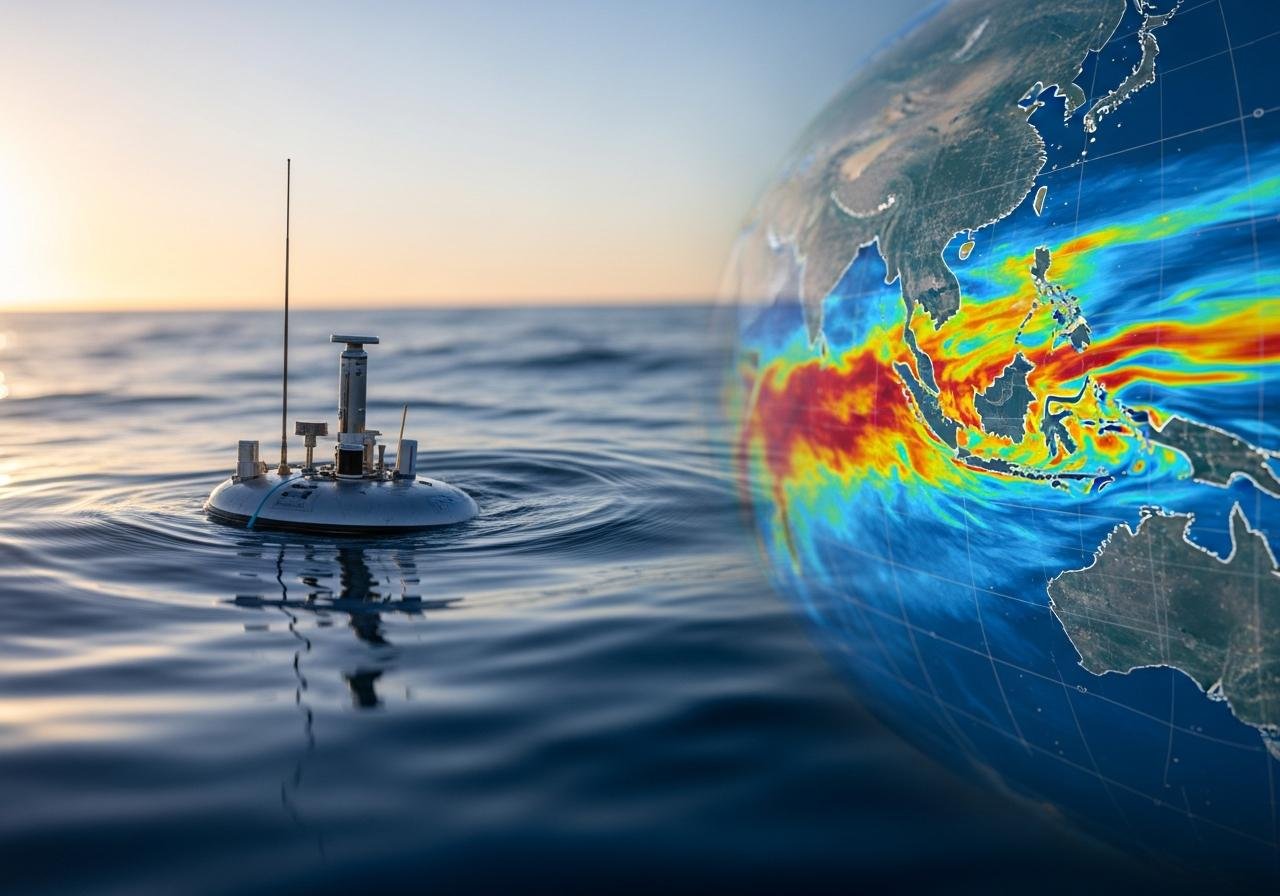
Researchers are racing to measure and understand these changes in real time. The Argo program, an international network of thousands of floating sensors, provides continuous data on ocean temperature and salinity. Scientists at NOAA, the UK Met Office, and research institutions across Europe and Asia collaborate to analyze this information, creating global maps that trace how heat moves through the depths.
Collecting data isn’t easy. The ocean is vast, its patterns complex, and predicting how heat will redistribute in coming decades remains a scientific challenge. Yet advances in remote sensing and artificial intelligence are helping scientists refine their models. These technologies allow researchers to detect hotspots and anticipate how future warming could alter marine currents and regional climates.
Potential Solutions and Mitigation Strategies
Slowing the warming of our oceans starts on land with cutting emissions. Transitioning to renewable energy, improving energy efficiency, and reforestation are essential steps. Every ton of carbon dioxide we keep out of the atmosphere helps reduce future ocean heat content. Innovations in sustainable technology are playing a pivotal role in achieving this, as detailed in how innovation can tackle massive waste issues.
Protecting marine ecosystems is another critical piece as marine protected areas can give coral reefs, seagrasses, and mangroves a fighting chance to recover. These habitats don’t just shelter sea life; they also store carbon naturally, acting as “blue carbon” sinks. On a policy level, international agreements like the Paris Accord and the recently adopted High Seas Treaty are pushing nations to commit to stronger conservation and climate action goals.
The Role of Public Awareness and Education
Public understanding can amplify scientific and policy efforts. When people grasp how ocean temperatures affect weather, food security, and everyday life, they tend to care more and act more. Educational programs in schools, documentaries, and open-source data dashboards have made ocean science far more accessible than it was even a decade ago.
At the community level, local conservation initiatives like coastal cleanups, citizen science projects, and school-led climate clubs are helping connect individuals to ocean health. These small steps matter because collective awareness is often what sparks broader political and behavioral change.

Future Outlook and Predictions
Looking ahead, scientists project that unless global emissions fall sharply, ocean temperatures will keep rising for decades. The heat already absorbed is like momentum in a moving train it can’t stop instantly. By 2050, even under optimistic scenarios, the world’s oceans will likely be warmer than today’s by a measurable margin.
Yet there’s still reason for cautious optimism. Continued investment in clean energy, ecosystem restoration, and data-driven policymaking can slow this trajectory. The ocean will need centuries to fully stabilize, but the actions taken this decade may determine whether that future is catastrophic or manageable.
Faqs
1. What record did ocean temperatures set in 2025?
In 2025, the world’s oceans absorbed and stored more heat than ever recorded, with global ocean heat content reaching its highest level on record. This includes the amount of heat in the upper parts of the oceans (e.g., top 2,000 m).
2. How do scientists measure this ocean heating?
-
Sea Surface Temperature (SST) — the temperature at the top layer of the ocean.
-
Ocean Heat Content (OHC) — the total heat stored throughout deeper layers (e.g., upper 2000 m).
In 2025, both metrics indicated record-high heat levels globally.
3. Are both surface and deeper ocean layers warmer than ever?
Yes. While the annual global sea surface temperature in 2025 was among the top warmest on record, ocean heat content — a measure that includes deeper layers — set a new high, absorbing more heat than any previous year measured.
4. Why is this ocean warming happening?
Oceans absorb about 90 % of the excess heat trapped by greenhouse gases in the atmosphere. The continued rise in atmospheric greenhouse gas concentrations from human activities is the main reason oceans keep warming.
5. Does this mean only surface temperatures increased?
No — while surface temperatures are high, the oceans continue to warm at depth. This deep heat storage means oceans are absorbing heat long after air temperatures peak, and the heat is distributed throughout the water column.
Reference: https://www.enn.com/articles/77664-ocean-temperatures-reached-another-record-high-in-2025
The post Ocean Temperatures Reached Another Record High in 2025 appeared first on Green.org.


