
The Ontario Drainage Referee ruled that federal railways are subject to Ontario’s Drainage Act and must pay like all landowners.
“It is a very big deal, not only for (Chatham-Kent), but it’s got ramifications all the way across the province,” said Jim Brackett, Kent Federation of Agriculture president. “We are cautious because it’s still going to go through the appeal process, but the win is tremendous.”
Why it matters: The Ontario Drainage Referee ruling could have broad effects on other communities involved in disputes with railway companies refusing drainage co-payments.
The Municipality of Chatham-Kent launched a lawsuit against the Canadian Pacific-Kansas City Railway (CPKC) following non-payment and refusal to issue work permits on railway land authorized under the Drainage Act. The railway says it is appealing the ruling.
In July 2024, Chatham-Kent Deputy Chief Administrative Officer David Taylor, then the director of legal services, told Farmtario that the railways had claimed the province couldn’t constitutionally apply its rules to interprovincial railways, which are federally regulated, causing the dispute to proceed through the Drainage Act referee system.
The Rural Ontario Municipal Association (ROMA), which presented impacts to rural municipalities as a legal intervenor, said in a press release that the ruling is “an important milestone.”
“ROMA showed compelling evidence that the corporation was systematically disregarding laws that have governed drainage in Ontario for 150 years,” Christa Lowry, ROMA chair, wrote. “Through collaboration with many rural municipalities, we illustrated the financial, economic, and environmental impact of this behaviour on rural communities.”
According to ROMA, in 2023, CP/KCS and other railways owed more than $500,000 in unpaid maintenance costs and more than $1 million in unpaid capital construction costs. In addition, ROMA alleges that the lack of cooperation from railway companies delayed approximately $1.7 million in construction projects.
“At this point, the current referee’s decision provides a basis for municipalities to collect outstanding costs under any existing by-laws,” stated the ROMA press release, adding the group will offer continued legal support throughout the appeal process and intervene to “fight back against railways who say they are above Ontario law.”
Taylor explained in 2024 that if railways refused to pay drainage costs, it would unfairly burden neighbouring property owners, mainly farmers, considering the water shed from railbeds and the drainage benefits rail companies receive.
The municipality of Chatham-Kent is home to 4,000 kilometres of drains, including extensive dykes and pumping stations, much of which intersects rail lines and accounts for eight per cent of Ontario’s total drain length.
The Rivard Pumping Works, constructed in the late 1980s, drains over 33,00 acres throughout Chatham-Kent’s Dover and Chatham townships and, according to the municipality, is believed to be the largest drainage-pumping scheme by area in Canada.
Brackett said much like the Holland or Bradley Marsh, without artificial ditches and pumping schemes, much of Chatham-Kent’s most fertile, flat and productive land would be Savannah grass or swamp land.
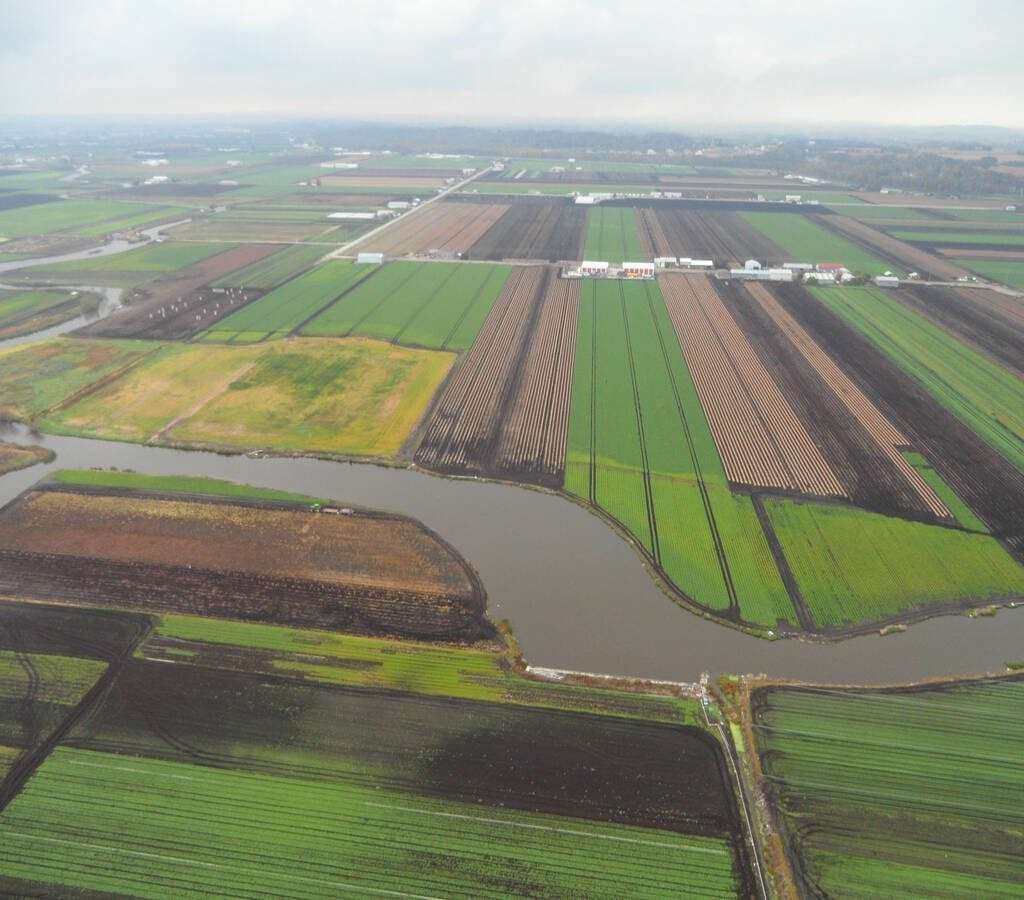
“Those townships are some of the best land, when you get around Wallaceburg, man, it doesn’t get any better than that in Canada,” said Brackett. “Nothing improves land better than… drainage, it’s the single most important thing you can do to try and improve your bottom line.”
The OFA was a legal intervenor, presenting the interests and on-the-ground experience of Ontario farmers regarding drainage issues.
“We welcome the referee’s ruling that federal railways are subject to Ontario’s Drainage Act,” said Drew Spoelstra, Ontario Federation of Agriculture president. “This decision reinforces fairness, consistency, and accountability in drainage management across the province.”
Farmtario reached out to CPKC spokesperson Terry Cunha for comment, asking whether the company disputed the unpaid maintenance and construction project costs assessment, what the impact would be to the company and how it would proceed.
Cunha responded in an email telling Farmtario that “CPKC has filed a notice of appeal of the Drainage Referee’s decision to the Ontario Superior Court of Justice (Divisional Court).”
The post Ontario ruling forces railways to pay drainage costs appeared first on Farmtario.


