
Prepared foods have become a much bigger part of grocery retail than they were a few years ago. Grocery delis now compete for lunch, dinner, sides, snacks, and heat-and-eat meal occasions that once went more consistently to restaurants. The share of consumers choosing deli-prepared foods in place of restaurant meals has risen sharply in recent years, and more shoppers now build hybrid meal occasions by combining prepared foods with items at home.
That shift matters for supermarkets, neighborhood grocers, convenience stores, and specialty markets alike. As prepared foods and grab-and-go selections grow, packaging has to do more than simply hold the product. It has to protect freshness, support merchandising, and make the meal feel worth buying in the first place. That is also how Genpak frames the grocery category: its grocery packaging solutions are positioned around fresh sides, prepared entrees, and bakery goods, with packaging designed to help maintain food quality, freshness, and sell-through.
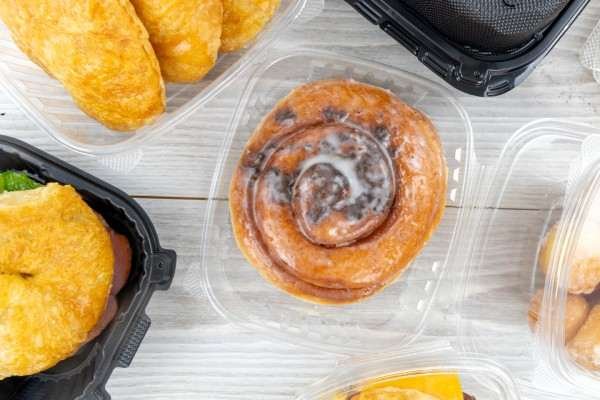
Treat all containers for deli-prepared foods the same
One of the biggest mistakes grocery delis make is assuming that one package format can work across all categories. Cold pasta salad, cut fruit, bakery desserts, wraps, hot entrees, and meal-prep bowls all behave differently in the case and in the customer’s refrigerator.
Prepared foods need packaging that matches the product’s moisture level, portion size, temperature, and display needs. A container that works for a chilled side dish may not be the right fit for a frosted brownie, and a package that looks great in the refrigerated case may not be ideal for a multi-item lunch. As prepared foods and grab-and-go continue to expand in retail deli departments, that mismatch becomes more visible and more costly.
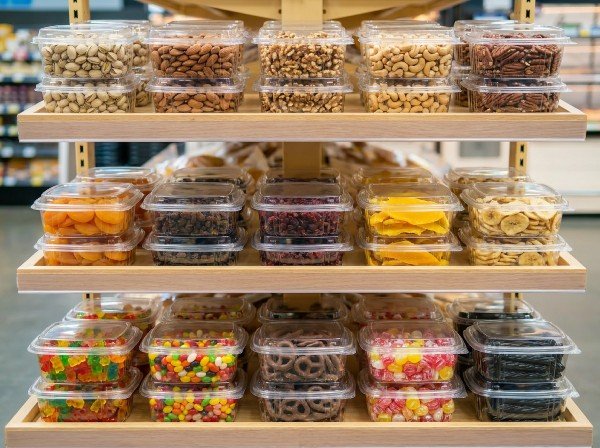
For refrigerated display items such as salads, sides, fruit, snacks, and smaller grab-and-go offerings, clear deli containers can help delis present food attractively while still protecting it. Genpak’s AD Deli Containers are designed to display grab-and-go products while helping extend shelf life, with a patented 360° seal, leak-resistant closure, transparency for merchandising, and performance suited to cooler temperatures and freezer-safe use. Specific items like the AD16 clear hinged rectangle container and AD12 clear hinged rectangle container are especially relevant for value-added grab-and-go foods that need strong visibility and product protection.
Make the deli container vs clamshell decision based on habit
Another common issue is reducing the deli container vs clamshell choice to preference instead of function.
The better question is not, “Which one do we always use?” It is, “Which format helps this food sell better and travel better?”
In many deli applications, a clear deli container makes sense for cold prepared foods that benefit from visibility and a more compact footprint. Salads, fruit cups, pasta sides, snack packs, and other refrigerated offerings often perform well in packages that highlight freshness and provide a secure seal.
Clamshell-style packaging, on the other hand, is often the stronger choice when a product needs a little more structure, a wider profile, or a presentation that looks complete the moment the shopper sees it. Sandwiches, wraps, bakery items, and complete grab-and-go meals frequently benefit from that format. Genpak’s hinged containers are specifically positioned as designs engineered for functionality and off-premises performance, making them a practical link target for discussions of visibility, structure, and travel.
When delis default to a single format for everything, they usually create one of two problems: either the food looks under-merchandised, or the packaging works against the way the customer wants to use it.
Underestimate the role of bakery clamshell containers
Bakery is where packaging mistakes become especially visible.
Bakery purchases are highly visual. A customer often decides whether to buy a brownie, cookie assortment, muffin, slice of cake, or pastry based on the case’s presentation. If the package fogs the product, compresses toppings, shifts the item during transport, or makes the product look less premium than it is, the sale becomes harder to win.
That is why bakery clamshell containers matter. They combine visibility with protection, which is exactly what many bakery and sweet snack items need. Genpak’s grocery packaging page explicitly includes bakery goods in the category, which provides useful support for the point that bakery packaging is part of the prepared foods strategy, not a separate afterthought.
For grocers, the takeaway is simple: if the bakery is part of the deli offer, the package cannot be an afterthought. It should help the item look fresh, intact, and ready to enjoy. A well-matched clamshell can do that better than a generic one-size-fits-all package.
Overlook how containers for meal prep influence repeat purchases
Meal prep has changed how many shoppers use the grocery deli. Consumers are not just buying food for immediate consumption; they are buying lunch for tomorrow, a side for tonight, and a ready portion for later in the week. Shoppers increasingly build hybrid meals that combine prepared foods with home-cooked meals.
That behavior raises the bar for meal-prep containers. Shoppers want containers that stack neatly in the refrigerator, hold up during transport, and make portioned meals look organized instead of random. In some cases, the convenience of reheating also matters.
This is where package design directly affects usability. Genpak’s Grab-A-Bowl line is designed for hot and cold applications, with stackable storage, easy transport, and a clear lid for visibility and freshness. Genpak’s product overview for Grab-A-Bowl also highlights that the line is refrigerator-friendly for meal prep applications, making it a strong example when discussing prepared meals that need to perform both after purchase and at retail.
They think packaging is only a cost
The last mistake is viewing packaging only through the lens of unit price.
In reality, the right package can help a grocery deli do several things at once: protect food quality, improve shelf presentation, support portability, and reinforce value in the shopper’s mind. The wrong package can do the opposite by creating leaks, crushed bakery items, messy displays, or meals that simply do not look worth purchasing.
Prepared foods are growing in popularity because consumers want convenience without sacrificing freshness and quality. Packaging plays a direct role in delivering that expectation. For grocery delis, the smartest move is not standardization for its own sake. It is choosing the right container for the right food.
As the category continues to grow, operators who rethink their packaging strategy will be better positioned to merchandise more effectively, protect product quality, and earn repeat sales. In other words, the right packaging does not just carry the food. It helps sell it. Genpak’s broader foodservice packaging solutions page supports that framing by positioning packaging as a means of presenting and preserving prepared meals, deli items, and bakery products across foodservice environments.
The post Prepared Foods Packaging: What Grocery Delis Get Wrong appeared first on Genpak.


