
The number of beef-on-dairy calves continues to rise in Canadian feedlot inventories as dairy producers use beef sires to add value to surplus calves. While crossbreeding can improve muscling and carcass merit relative to straightbred Holstein steers, questions remain about the best feeding strategies for beef-on-dairy within a feedlot.
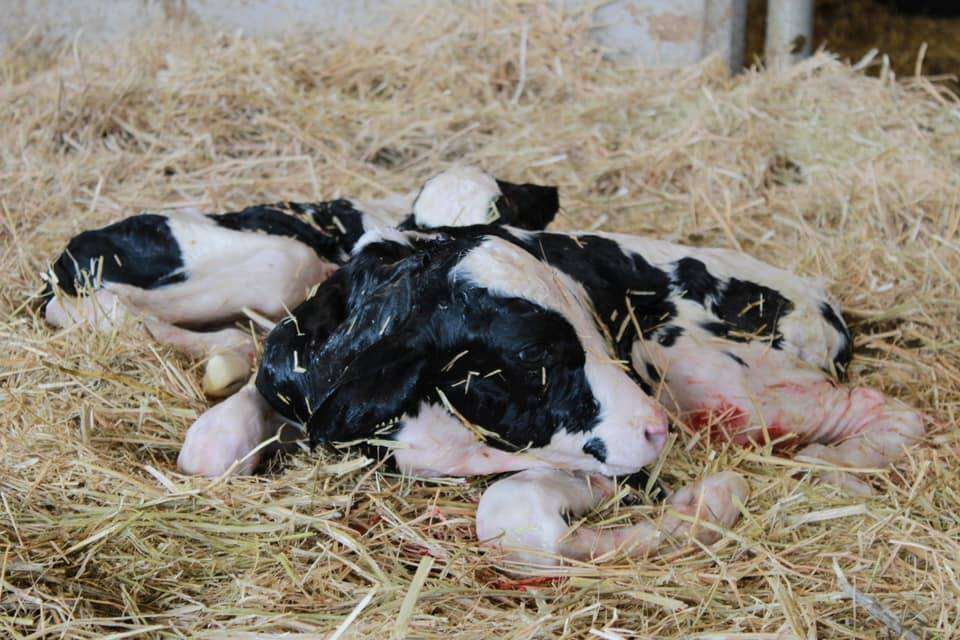
Beef-on-dairy genetics are taking up an increased foothold in the Canadian cattle industry.
Beef-on-dairy genetics are taking up an increased foothold in the Canadian cattle industry.
Dairy genetics are associated with larger frame size and different patterns of fat deposition compared to traditional beef breeds. Understanding how these biological differences respond to feeding strategies is key to maximizing profitability. As a result, producers often debate whether to push gain early using high-energy diets or adopt a more moderate growth strategy before transitioning cattle to a common finishing ration.
Unlike traditional beef calves raised in cow-calf operations, dairy and beef-on-dairy calves typically enter the growing phase earlier in life. Dairy-origin calves are commonly weaned from milk or milk replacer between six and 10 weeks of age and transitioned directly onto high-energy concentrate-based starter diets. In contrast, beef calves typically remain with the cow on pasture for six to seven months before weaning and may be fed backgrounding diets before entering the feedlot.
There is limited controlled research examining how feeding intensity post-weaning influences long-term growth performance and carcass outcomes of dairy-origin cattle. Our recent research, led by Erika Cornand (PhD student at University of Saskatchewan), evaluated the effects of moderate- and rapid-gain grower programs on growth performance and carcass merit of Holstein steers, beef-Holstein cross steers and beef-Holstein cross heifers from post-weaning through harvest.
Moderate- versus rapid-gain growing diets
In the study, Holstein steers, beef-Holstein cross steers and beef-Holstein cross heifers were placed on either a moderate-gain (target 2.6 pounds per day) or rapid-gain (target 4.2 lb. per day) growing program (20 calves per program per breed-sex).
On a dry matter basis, the moderate-gain grower diets contained 63 per cent corn silage, with a protein content of 15 per cent and a starch content of 28 per cent. The rapid-gain grower diets contained 78 per cent dry rolled barley grain, with the same protein content and 48 per cent starch.
Cattle weighed approximately 449 lb. at the start of the study and were fed their respective growing diets until they weighed approximately 813 lb. All cattle were then moved onto a common finishing diet and remained on feed until steers averaged about 1,667 lb. and heifers about 1,550 lb., at which point they were shipped for slaughter.
Rapid-gain calves got there faster

Cattle placed on the rapid-gain growing program consumed less feed during the growing phase, reached the target transition weight sooner, and had greater gain-to-feed compared to those on the moderate-gain program. As a result, rapid-gain calves only took approximately 90 days to reach transition weight compared to moderate-gain calves that took 105 days.
Calves were then fed a common finishing diet that contained 83 per cent barley grain and 12 per cent corn silage on a dry matter basis, with 13.5 per cent crude protein and 51 per cent starch. We observed minimal differences in growth performance between programs during the finishing phase, suggesting some degree of compensatory growth in cattle previously fed the moderate-gain diet. However, due to the differences during the growing phase, cattle on the rapid-gain program ultimately grew 3.4 per cent faster to market weight than those on the moderate-gain program.
With respect to breed differences, beef-Holstein cross steers and heifers reached market weight sooner than Holstein steers. Holstein steers had a poorer gain-to-feed ratio and required an additional five to seven weeks to achieve similar market weights as the beef-Holstein cross steers. Beef-Holstein cross steers also had greater hot carcass weight (increase of 19 lb.), higher dressing percentage (one per cent higher), and larger ribeye area compared to Holstein steers at comparable live weights.
Practical implications
Targeting a rapid rate of gain during the growing phase improved overall growth performance and increased marbling score, without negatively affecting gain-to-feed or the proportion of cattle with liver abscesses. In many conventional beef systems, moderate backgrounding gains are often used to control feed costs and limit excessive early fat deposition before cattle transition to high-concentrate finishing diets.
Conversely, dairy and beef-on-dairy calves may be exposed to concentrate-based or high-energy diets earlier in life, whether they remain at the dairy, move through grower operations, or are placed directly into feeding programs at a feedlot. As a result, their nutritional history before finishing can differ substantially from that of traditionally raised beef calves.
In the study, while the rapid-gain program enhanced carcass quality attributes such as marbling, it also increased backfat thickness and reduced estimated retail meat yield, resulting in a greater likelihood of poorer carcass yield class under the Canadian Beef Grading Agency grid. These findings highlight the importance of aligning grower phase feeding intensity with market objectives and recognizing trade-offs between carcass quality and cutability in beef-on-dairy calves.
Funding for this research was provided by Alberta Milk, SaskMilk and the Saskatchewan Ministry of Agriculture through the Agriculture Development Fund, in partnership with the Government of Canada through the Sustainable Canadian Agricultural Partnership.
Dr. Gabriel Ribeiro is an associate professor and the Saskatchewan Beef Industry Chair in the animal and poultry science department at the University of Saskatchewan. He has a DVM, M.Sc. and PhD in animal science (ruminant nutrition).
Erika Cornand is a PhD student (ruminant nutrition) in the animal and poultry science department at the University of Saskatchewan.
Dr. Greg Penner is a professor in the animal and poultry science department at the University of Saskatchewan.
Dr. Stephanie Terry is a research scientist with Agriculture and Agri-Food Canada at the Lethbridge Research and Development Centre.
The post Rapid-gain feeding wins for beef-on-dairy calves — but watch the backfat appeared first on Farmtario.


