
Some Farmtario readers will recognize The Who’s “Won’t Get Fooled Again.”
The 1971 rock anthem is about political upheaval and the bitter realization that, after all the promises of change, the new regime can look remarkably like the old. The faces and slogans may change, but the underlying problems remain.
The song drives that message home with its unforgettable closing line: “Meet the new boss. Same as the old boss.”
It seems for the last decade the world has experienced significant political upheaval both internationally and at home. The term most frequently coined in the media is “shock and awe.” At the political level, it means to throw so much information and chaos at voters that they no longer know what’s real. It can also be used as a delay tactic for any real change.
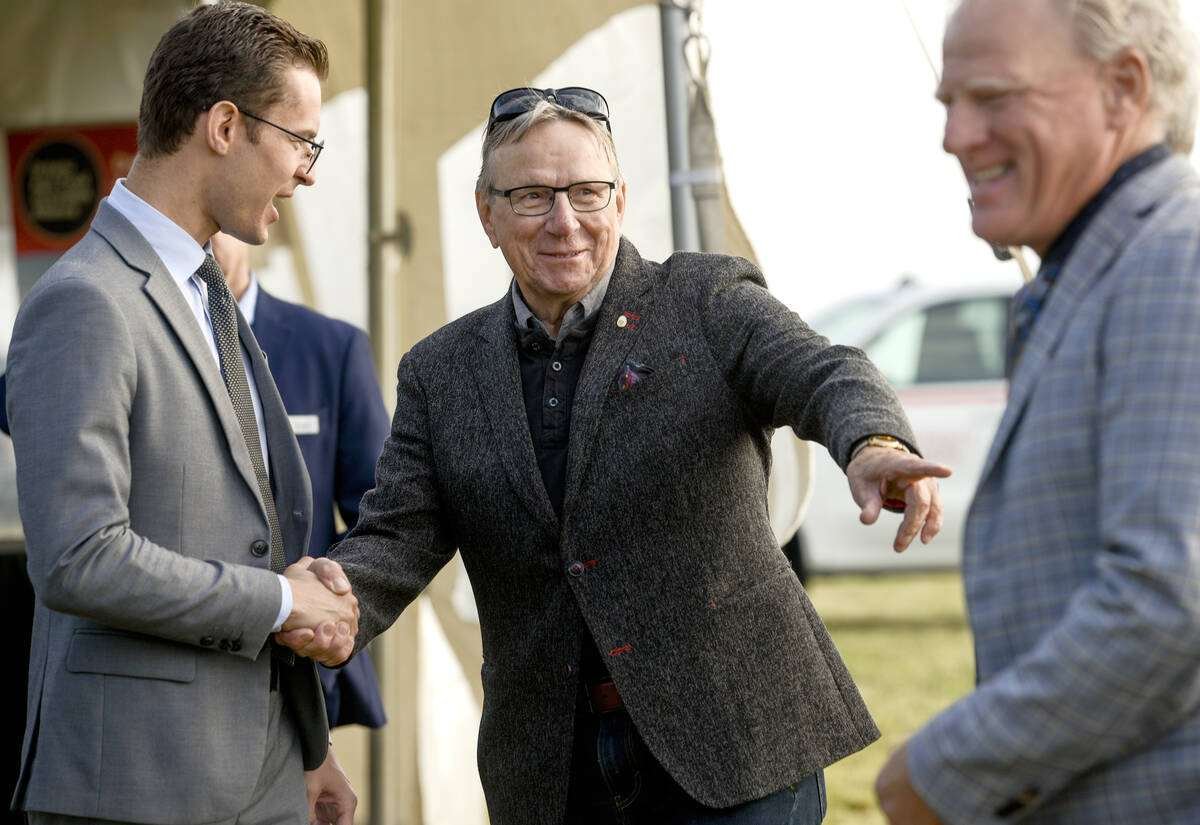
Minister of Agriculture, Food and Agribusiness, Sam Oosterhoff, left, and William Bearss, chair of the Ontario Broiler Hatching Egg and Chick Commissions, shake hands while sharing a joke with Scott Helps, chair of Egg Farmers of Ontario, far right, at the Ontario Poultry Research Centre sod turning at the Elora Research Station grounds. Photo: Diana Martin
Recently, the provincial government made a cabinet shuffle, putting Sam Oosterhoff in the role of minister of agriculture, food and agribusiness, replacing Trevor Jones. Jones moved to the labour, immigration, training and skills development portfolio. Oosterhoff was raised on a farm in the Niagara region, a fact he is quick to share when asked serious questions about agricultural policy.
Was the shift shock and awe? A distraction from bigger issues to delay change by placing someone who needs time to learn the portfolio in charge, thereby slowing meaningful response?
In recent weeks, I have spoken to farmers and residents from across the province about farmland protection issues. The consensus among most of them is that they feel powerless to stop development. The Ontario Land Tribunal can override municipal decisions, and the provincial government is marking sensitive lands for development at an alarming pace.
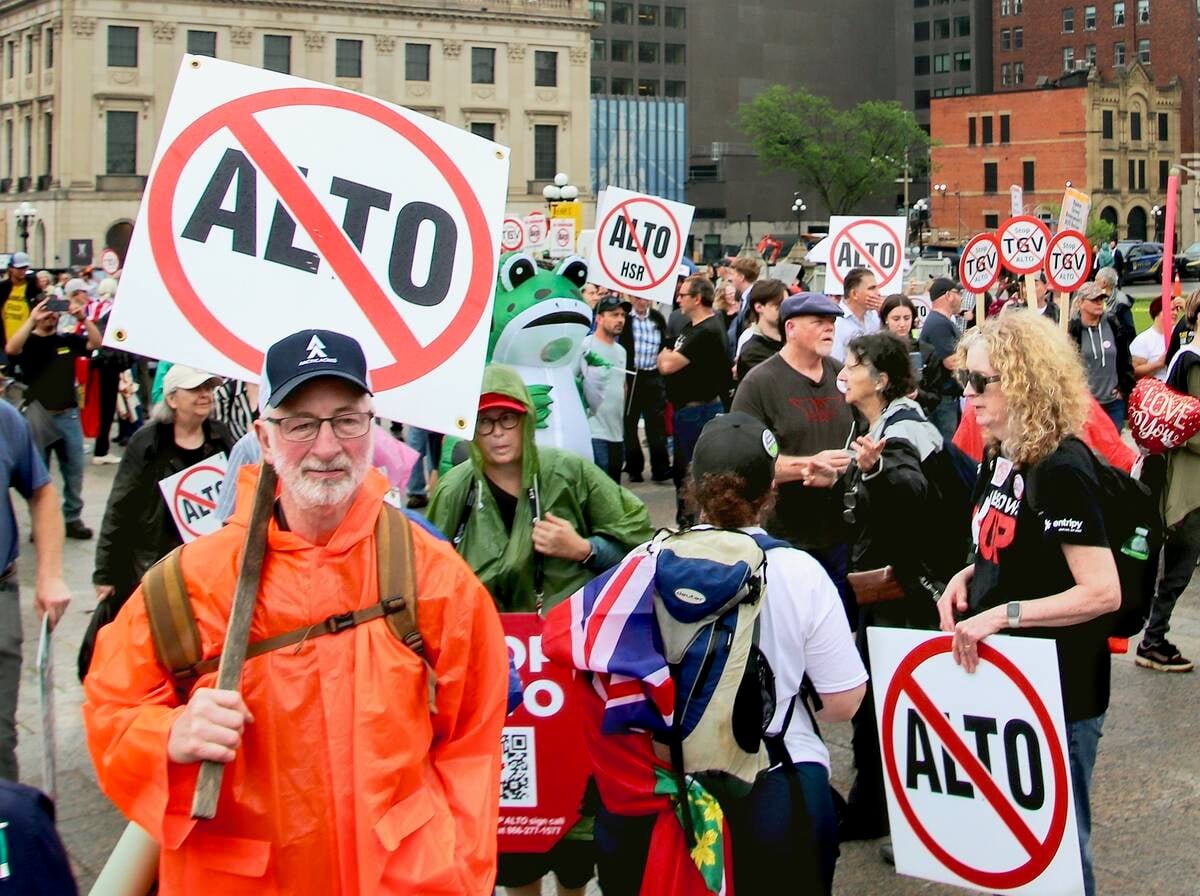
Farmers from across Ontario and Quebec made their way to Ottawa on June 10, 2026 to protest the Alto high-speed rail project. Photo: Jonah Grignon
The next provincial election is tentatively scheduled for April 11, 2030. That’s a long time to wait while the status quo holds. If it’s going to be “the same boss” at the provincial level, perhaps it’s time to look for a “new boss” closer to home.
To borrow from “The Boss,” Bruce Springsteen’s “Death to My Hometown,” which captures the devastating impact of corporate greed on the livelihoods of the middle class:
“Oh, no cannonballs did fly, no rifles cut us down
No bombs fell from the sky, no blood soaked the ground
No powder flash blinded the eye, no deathly thunder sound
But just as sure as the hand of God, they brought death to my hometown.”
It is a stark reminder of just how quickly everything people have worked to build can be taken away without a shot ever being fired, but rather with the stroke of a pen or voter’s pencil.
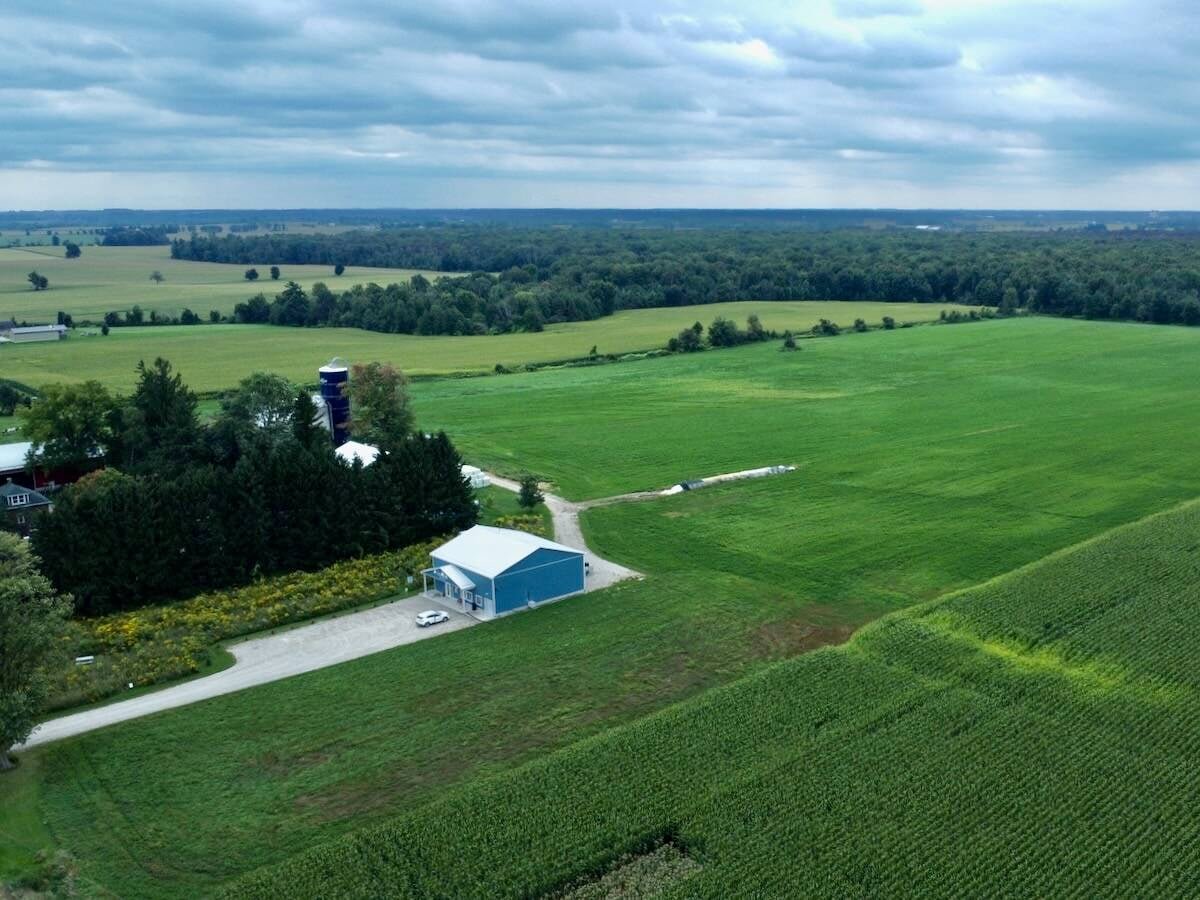
Green fields surrounding a farmyard near Woodstock, Ont. Photo: John Greig
With the municipal election on Oct. 26, Ontario farmers are being afforded an opportunity to change the voices that determine the future of their farms. Municipal officials are no longer just neighbours and relatives as in days gone by; they are at the table sitting across from all levels of government, defending the future of their communities on a local and even global scale. They must also be held accountable.
As you step into the voter booth this time around, are the interests of farmland being represented in your community? If the answer is no — then it may be time for a “new boss.”


