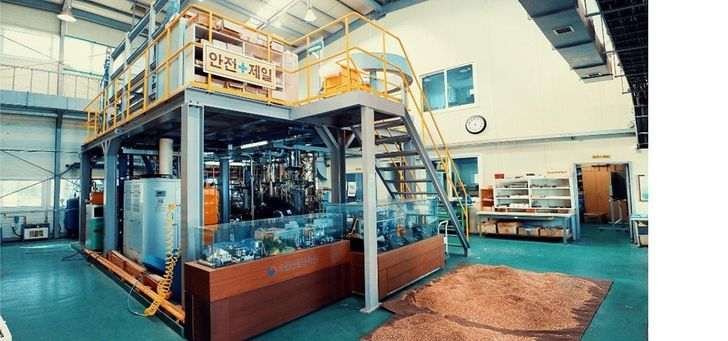
Korean researchers have developed an innovative, low-energy process to transform common forest debris into a vital ingredient for high-performance bioplastics.
This breakthrough could dramatically cut the environmental impact of industries such as packaging and automotive manufacturing.
Scientists at the National Institute of Forest Science have created a method that converts discarded wood into hydroxymethylfurfural (HMF), which is then transformed into furandicarboxylic acid (FDCA), a key building block for next-generation bioplastics.
Unlike traditional processes that require high heat, pressure, and harsh chemicals, this new technique operates at room temperature, powered by light and low-voltage electricity.
The process uses a photoelectrochemical catalyst, enabling the conversion of HMF into FDCA with an efficiency rate of 99.21 percent, approaching the theoretical maximum for industrial reactions. This high yield addresses one of the main challenges in green chemistry: waste and low efficiency.
Once produced, FDCA can be polymerized into PEF, a high-performance alternative to the widely used PET. PEF boasts superior barrier properties, making it ideal for packaging, and can also be utilized in automotive parts, textiles, and adhesives.
Beyond its material benefits, the process offers an environmental advantage by effectively “locking” carbon absorbed by trees into durable products, helping to offset fossil fuel use and promote carbon neutrality.
The institute’s innovation demonstrates a promising, energy-efficient pathway for producing sustainable plastics from renewable resources, moving closer to a circular, eco-friendly manufacturing sector.
The post Researchers turn forest debris into high-performance bioplastics appeared first on World Bio Market Insights.
- Source: https://worldbiomarketinsights.com/researchers-turn-forest-debris-into-high-performance-bioplastics/