
Growing your own herbs is one of the most rewarding experiences for any gardener, farmer, or agriculture student. Herbs do not only improve food taste, but they also improve soil health, attract beneficial insects, and support sustainable farming systems.
In recent years, home herb gardening has become very popular because people want fresh, chemical-free, and affordable food. This review will help home gardeners, urban farmers, hydroponic growers, and small-scale farmers decide whether this herb seed collection is worth buying or not.
What Is Seed Needs Herb Variety Pack Culinary Herb Collection?
The Seed Needs Herb Seeds Variety Pack is a collection of 12 different culinary and medicinal herb seed packets, designed for indoor and outdoor planting. These seeds are heirloom, non-GMO, untreated, and suitable for soil-based gardening as well as hydroponic systems.
This variety pack allows gardeners to grow a complete kitchen herb garden from a single purchase. Instead of buying individual packets, you get a diverse mix of commonly used and beneficial herbs that support cooking, medicine, pollination, and pest management. The pack is ideal for:
- Home gardeners
- Agriculture students
- Organic growers
- Indoor growers and hydroponics users
- Beginners learning herb cultivation
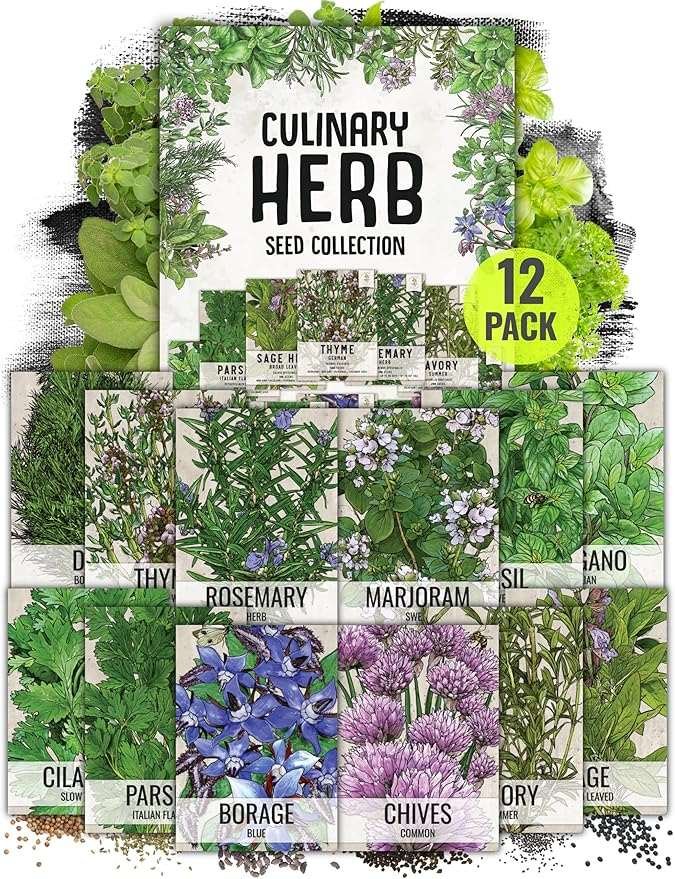
This variety pack contains 12 individual seed packets, each clearly labeled with planting instructions and illustrations. Key Product Features are
- Brand: Seed Needs
- Seed Type: Heirloom & Non-GMO
- Material Feature: Untreated seeds
- Usage: Indoor & Outdoor
- Planting Season: Spring
- Blooming Period: Summer
- Sunlight Requirement: Full Sun
- Unit Count: 12 packets
- Packaging: Moisture-resistant, tear-resistant packets
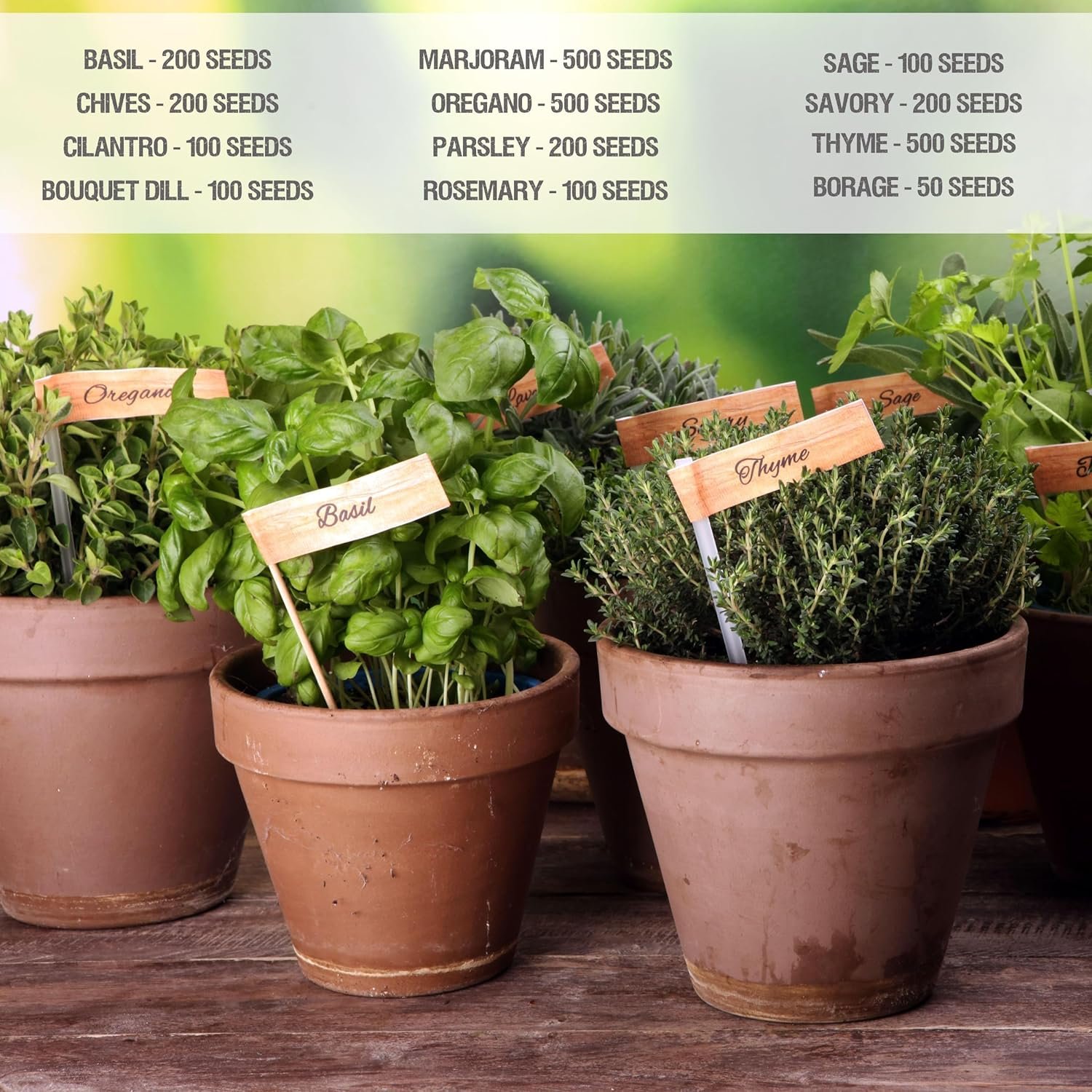
Each packet is generous in quantity, allowing growers to plant multiple times or share seeds with others.
Pros & Cons of Seed Needs Herb Seeds Variety Pack
| Pros | Cons |
|---|---|
 Heirloom & Non-GMO seeds Heirloom & Non-GMO seeds |
 Not pre-treated for pests Not pre-treated for pests |
| High germination rate |
Requires basic gardening knowledge |
| Suitable for indoor & outdoor use |
Some herbs need pruning skills |
| Works in hydroponic systems |
Rosemary germination can be slow |
| Excellent variety for kitchens |
Full sun needed for best results |
| Good value for money |
No live plant guarantee |
Why Herb Matters?
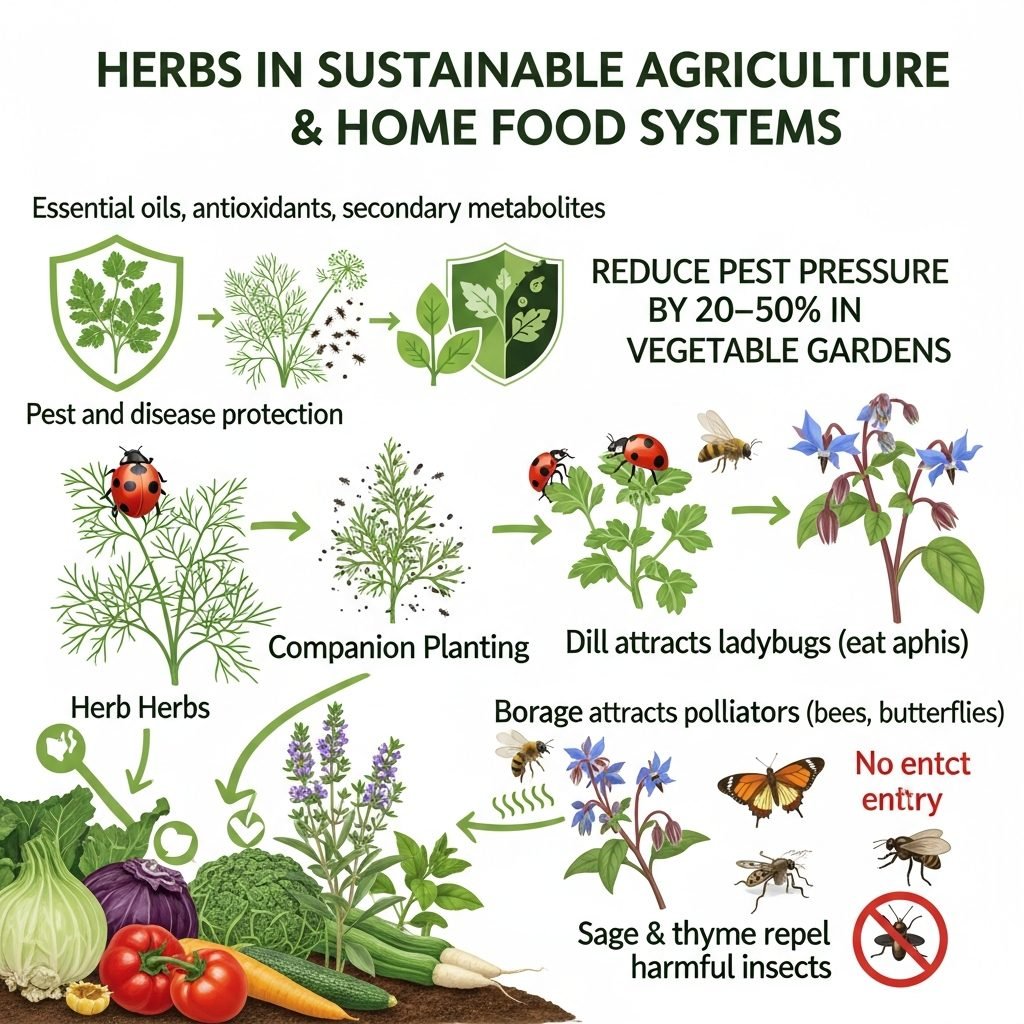
Herbs play a very important role in sustainable agriculture and home food systems. Scientifically, herbs contain essential oils, antioxidants, and secondary metabolites that protect plants from pests and diseases while offering health benefits to humans.
Research shows that companion planting with herbs can reduce pest pressure by 20–50% in vegetable gardens. For example:
- Dill attracts ladybugs, which eat aphids
- Borage attracts pollinators like bees and butterflies
- Sage and thyme repel harmful insects
From a soil science perspective, herbs have shallow to medium root systems, which reduce nutrient competition and improve microbial activity when grown alongside vegetables.
Growing herbs at home also reduces dependency on store-bought herbs, which often lose 30–40% of their nutrients within a few days of harvesting.
The global herb and spice market is growing at over 6% annually, driven by demand for fresh and organic herbs.
Home gardening increased by over 40% globally after 2020, with herbs being one of the top three grown plant categories.
- Studies show that fresh herbs contain 2–5 times more antioxidants than dried or processed herbs.
- Hydroponic herb production uses up to 90% less water compared to traditional soil farming.
- Basil, parsley, and cilantro are among the top 10 most grown herbs worldwide.
According to agricultural extension data, heirloom seeds preserve genetic diversity and show better adaptability to local climates compared to hybrid seeds.
My Experience with Seed Needs Herb Seeds Herb Collection
I have been using this seed variety pack for the last year, and overall, I have had very good success with germination and plant health. The seeds were fresh, well-packaged, and clearly labeled.
For testing germination, I placed two seeds from each packet into petri dishes using a mixed substrate:
- 80% Miracle-Gro potting mix
- 8% coco coir
- 8% hardwood smoker pellets
- Diatomaceous clay
- Lawn pest control
- Epsom salt diluted in purified water
I maintained low lighting initially inside a grow tent. Within days, I observed visible movement and germination in all dishes, which clearly shows seed freshness and quality.
Later, seedlings were transferred into grow buckets and outdoor beds. The herbs adapted well and showed strong root and leaf development.
Performance of Seed Needs Herb Seeds Variety
In terms of performance, the Seed Needs herb seeds performed above average compared to many generic seed packs I have used before.
- Germination Rate: High (most seeds sprouted within 5–10 days)
- Seedling Strength: Healthy stems and leaves
- Uniform Growth: Consistent plant development
- Flavor & Aroma: Strong scent and taste
- Adaptability: Suitable for containers, soil beds, and hydroponics
Borage stood out with around 50 seeds per packet, excellent germination, cucumber-like taste, and strong pollinator attraction. Sage performed well as a perennial, returning year after year when managed properly.
Practical Tips for Seed Needs Herb Seeds Herb Collection
Growing herbs is simple, but a few practical tips can make a big difference.
First, always avoid overwatering. Herbs prefer moist but well-drained soil. Overwatering causes root rot, especially in rosemary and thyme.
Second, harvest regularly. Light pruning improves bushy growth and increases oil concentration in herbs like basil and oregano.
Third, if growing indoors, use adequate lighting. Herbs need at least 6–8 hours of light daily for best flavor and growth.
Finally, practice companion planting. Herbs grown near vegetables improve pest control, pollination, and overall garden health.
Comparisons with Alternatives Herb Collection
This comparison clearly shows that Seed Needs Variety Pack offers better value, diversity, and flexibility than most alternatives.
| Feature | Seed Needs Variety Pack | Single Herb Packets | Hybrid Herb Seeds | Live Herb Plants |
|---|---|---|---|---|
| Number of Varieties | 12 | 1 | 1–3 | 1 |
| Seed Type | Heirloom, Non-GMO | Mixed | Mostly Hybrid | Live Plants |
| Cost Effectiveness | High | Low | Medium | Expensive |
| Shelf Life | Long | Medium | Medium | Short |
| Gardening Flexibility | Very High | Low | Medium | Limited |
Final Recommendations
After using the Seed Needs Herb Seeds Variety Pack for over a year, I can confidently say that this product is worth buying, especially for people who love gardening and farming. Recommended For:
- Home gardeners
- Agriculture students
- Organic and sustainable growers
- Indoor & hydroponic gardeners
- Beginners and experienced growers
Not Ideal For:
- Those wanting instant harvest (live plants are faster)
- Gardeners unwilling to provide full sunlight
Overall, this variety pack delivers excellent seed quality, strong germination, wide diversity, and great value for money. Every herb in this pack has a scent, a color, a use, and a reason to plant it — from attracting beneficial insects to enhancing daily cooking. If you want a healthy, thrifty, and rewarding gardening experience, this herb seed collection is a solid choice


