
Shell Cancels Plans for Scottish Offshore Wind Projects
1. Introduction to Shell’s Decision
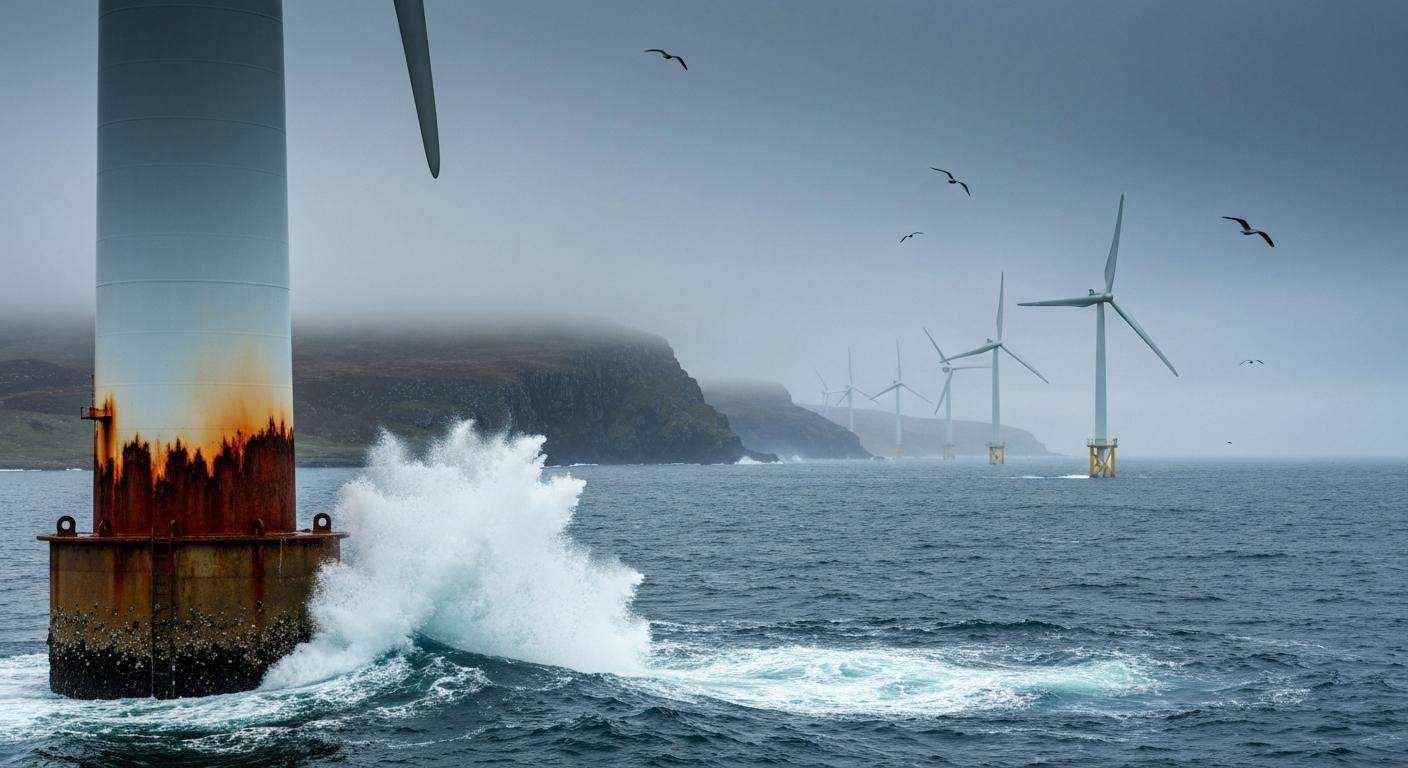
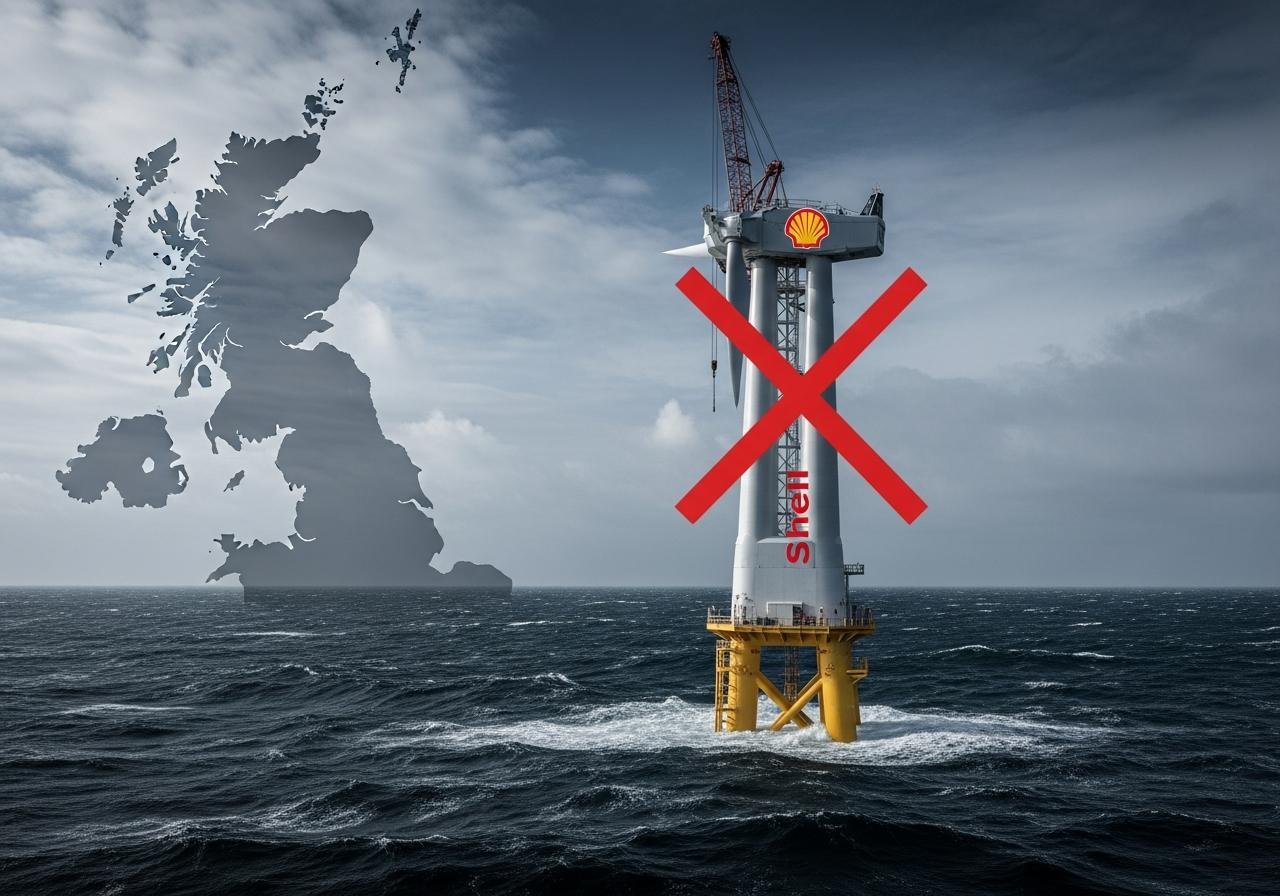
When a global energy company like Shell changes course, the ripple travels far beyond its boardroom. Recently, the company announced it would cancel plans for a series of offshore wind projects off the coast of Scotland — a move that surprised both industry insiders and environmental advocates. The projects, once seen as a cornerstone in Shell’s renewable portfolio, were part of broader efforts to expand clean energy capacity in the North Sea.
Scotland, with its blustery coasts and engineering heritage, has long been a focal point for Europe’s offshore wind ambitions. These proposed projects were expected to bolster both regional and global renewable energy goals. So, when Shell pulled back, the question wasn’t just why, but what it means for the future of offshore wind and the larger energy transition.
2. Background of the Scottish Offshore Wind Projects
The cancelled developments were part of Scotland’s next generation of offshore wind farms — large-scale ventures meant to harness some of the strongest winds in Europe. Shell, in partnership with ScottishPower Renewables, had successfully bid for sites through the ScotWind leasing round. The projects represented gigawatts of potential clean power, enough to supply hundreds of thousands of homes.
3. Reasons Behind the Cancellation
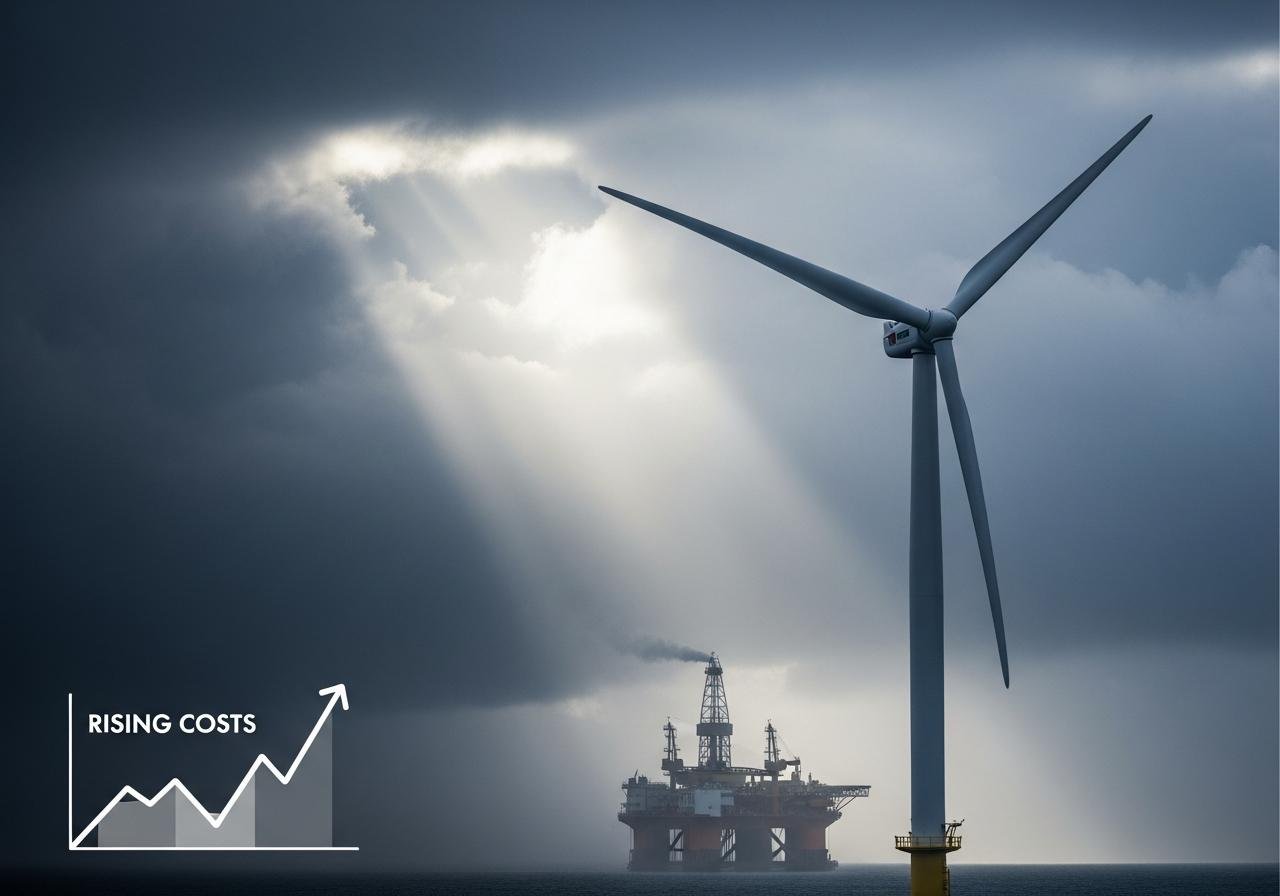
Shell cited “challenging market conditions” and “economic pressures” as primary reasons for withdrawing. That’s a corporate way of saying the math stopped adding up. Rising costs in materials like steel, inflation across supply chains, and higher interest rates have made many large-scale renewable projects financially tougher to justify in recent years.
Technical issues also played a role. Offshore wind development, especially in deep waters, involves complex engineering and grid integration challenges. Policy uncertainty — including debates around transmission infrastructure and government subsidy levels — may have further clouded the investment picture. In short, while the ambition remained, the balance sheet didn’t cooperate.
4. Impact on the Renewable Energy Landscape
For Scotland, this is a blow to momentum. The country has set bold renewable energy targets, aiming to generate nearly all its electricity from renewables. Offshore wind is central to that vision. Shell’s retreat may slow progress, at least temporarily, in meeting those goals.
Across the UK, the decision underscores a wider tension in the clean energy transition: how to scale up renewables quickly without being derailed by cost spikes and policy shifts. Analysts note that other developers have recently paused or restructured offshore projects for similar reasons. Yet some environmental groups see this as a wake-up call for stronger government support — to ensure projects remain viable even as global economic conditions fluctuate. This situation is reminiscent of other sectors where sustainable packaging initiatives are trying to withstand economic pressures.
5. Stakeholder Reactions
The reaction has been mixed. The Scottish government expressed disappointment, noting the importance of offshore wind to both energy security and economic growth. Local communities that had anticipated new employment opportunities voiced concern about lost prospects. At the same time, some industry experts see this as a pragmatic move — better to pause now than risk failure later.

6. Future of Offshore Wind Projects in Scotland
Of course Scotland’s offshore wind story isn’t over as several other major projects — including those led by SSE Renewables and Ørsted — are still moving ahead. Technology continues to advance, particularly in floating wind platforms that can operate in deeper waters where winds are stronger and more consistent.
The space left by Shell could even become an opening for smaller or more regionally focused developers and with the right policy signals — stable pricing mechanisms, faster permitting, and stronger grid investment — Scotland can remain a global leader in offshore wind.
The challenge now is ensuring continuity in progress, even when large players step aside.
7. Shell’s Future Plans in Renewable Energy
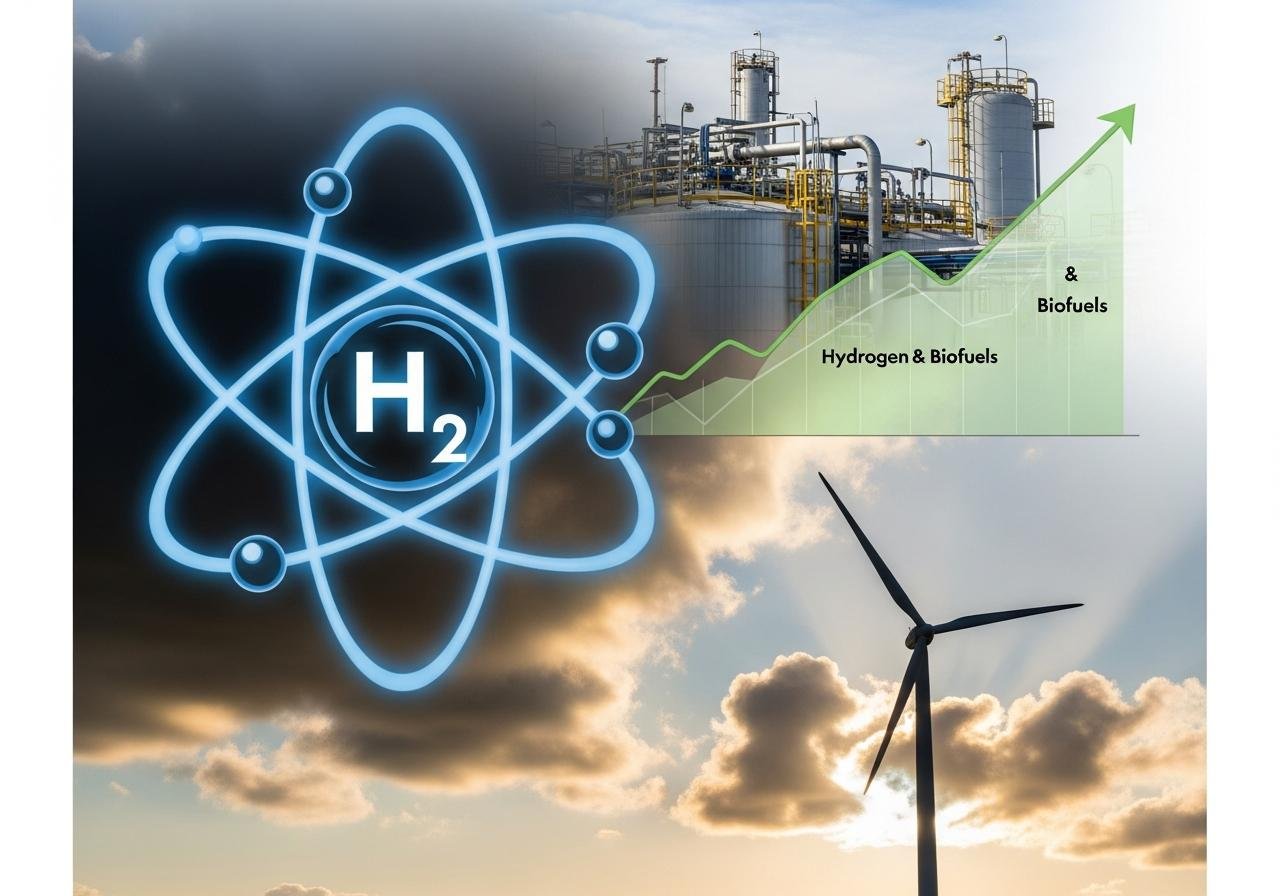
Despite this retreat, Shell maintains that it’s not turning away from renewables. The company has indicated it will focus on areas where it can deliver more immediate value — such as hydrogen, biofuels, carbon capture, and power trading. These are all crucial pieces of the broader decarbonization puzzle. For instance, biomethane production is one such area where Shell sees potential.
Shell has set a goal of achieving net-zero emissions by 2050 and continues to invest billions annually in low-carbon technologies. Still, the company faces ongoing scrutiny over whether its pace matches its promises. The decision in Scotland illustrates the tightrope many legacy energy firms are walking — balancing the economics of today with the imperatives of tomorrow.
8. Conclusion and Key Takeaways
Shell’s cancellation of its Scottish offshore wind projects is a reminder that the clean energy transition, though inevitable, is rarely linear. Even well-resourced companies can stumble amid fluctuating costs, evolving technology, and shifting policy landscapes. Yet, this isn’t necessarily bad news. It may prompt governments and industry leaders to rethink how to make renewable investment more resilient and attractive.
Shell Cancels Plans for Scottish Offshore Wind Projects — FAQs
1. What did Shell announce?
Shell confirmed it will withdraw from two major Scottish offshore wind projects — MarramWind and CampionWind — following a strategic review of its renewable energy portfolio. The company stated it will no longer lead new, large-scale offshore wind developments.
2. Which projects are affected?
The two affected projects are:
-
MarramWind – A planned 3 GW floating offshore wind farm off the coast of Aberdeenshire, jointly developed with ScottishPower Renewables.
-
CampionWind – A proposed 2 GW project located about 100 km off Scotland’s east coast.
3. Why did Shell cancel these projects?
Shell said the decision was part of a strategic refocus toward projects that deliver higher returns and align more closely with its core oil, gas, and energy trading businesses. Rising costs, supply chain pressures, and long development timelines have also made large-scale offshore wind projects less attractive financially.
4. What happens to these projects now?
-
MarramWind: Shell has sold its 50% stake to ScottishPower Renewables, which will continue to lead the project.
-
CampionWind: The lease for this project has been returned to Crown Estate Scotland, and its future is now uncertain unless another developer takes over.
5. How significant were these projects?
Combined, the two projects could have provided up to 5 GW of clean electricity — enough to power millions of homes — and played a key role in Scotland’s ambition to become a leader in floating offshore wind technology.
This article is for informational purposes only.
The post Shell Cancels Plans for Scottish Offshore Wind Projects appeared first on Green.org.


