
A plain piece of wood can feel surprisingly full of possibility. One moment it sits quietly on a workbench, and the next it becomes something useful, beautiful, and personal. That is the quiet magic behind small woodworking projects. They do not require a massive workshop or expensive tools. In many cases, a few basic tools, a handful of screws, and a little patience are all it takes.
For beginners and hobbyists, small builds are the perfect way to learn essential woodworking skills. Cutting, sanding, joining, and finishing become easier with each project. Even better, these creations often solve everyday problems around the house. A cluttered desk becomes organized. A plant finally finds a proper home. Keys stop disappearing.
The beauty of these projects lies in their simplicity. They are quick enough to complete in a weekend but satisfying enough to spark a lifelong interest in woodworking. And once the first project is finished, something interesting happens. The workshop begins calling again.
Below are twelve creative builds that prove great craftsmanship often starts small.
Wooden Phone Stand
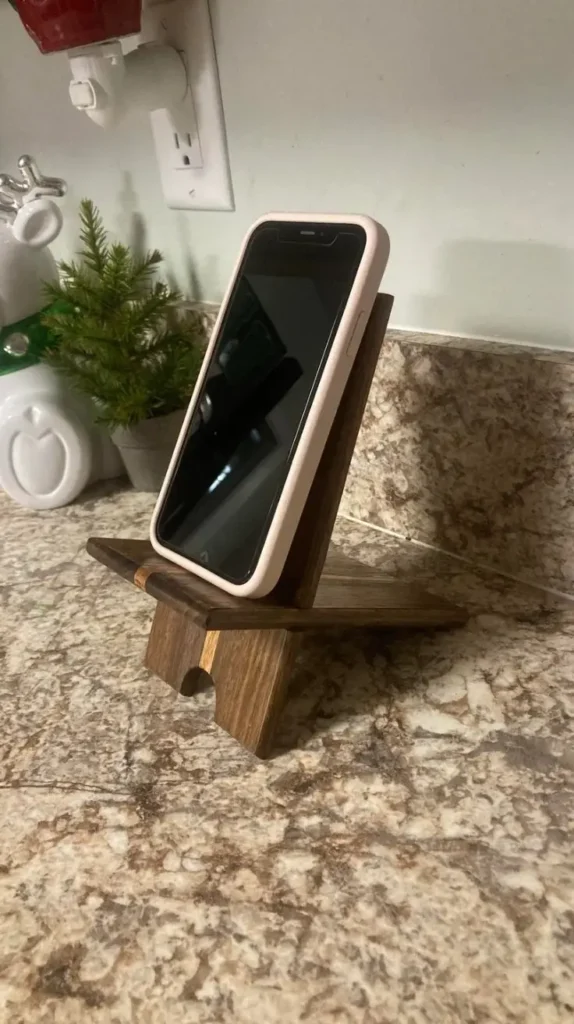
A wooden phone stand is one of the simplest builds that still feels incredibly rewarding. Many people struggle with where to place their phone while watching videos, joining video calls, or following a recipe in the kitchen. This small item solves that problem with style.
The build usually requires a small block of hardwood such as oak, maple, or walnut. A single angled slot holds the phone securely while keeping the screen visible. Some designs include a small channel underneath for a charging cable, which adds even more convenience.
The beauty of this project is how beginner-friendly it feels. A saw, chisel, and sandpaper are often enough to complete it. After shaping the slot, sanding becomes the most important step. Smooth edges and rounded corners make the stand feel comfortable and polished.
Finishing oil or wood wax highlights the natural grain, transforming a simple block into something elegant. Even better, this build offers endless design variations. Some stands include engraved patterns, carved grooves, or layered wood pieces for contrast. For anyone starting small woodworking projects, this piece delivers instant satisfaction while teaching precision cutting and sanding techniques.
Rustic Floating Shelf
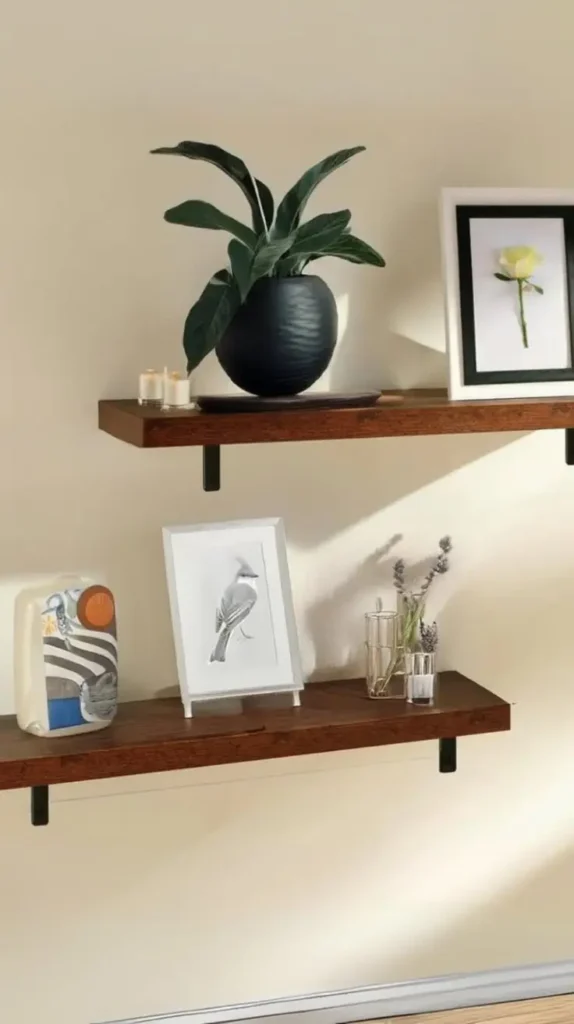
Floating shelves bring warmth and function to almost any room. They hold books, plants, candles, and framed photos while keeping walls clean and modern.
This project typically uses a single wooden board and hidden wall brackets. Pine boards work well for beginners because they are affordable and easy to cut. Reclaimed wood also adds character with unique textures and marks.
Cutting the board to size is the first step. After sanding the surface smooth, the wood can be stained or sealed. Dark walnut stain creates a cozy rustic look, while a clear finish preserves the natural color. Installing the shelf introduces a useful skill: proper wall mounting. Stud finders, anchors, and level tools help ensure the shelf remains strong and straight.
The result looks far more impressive than the effort required. A well-placed shelf instantly improves a space. Even a narrow hallway wall becomes functional. Many beginners discover something surprising after completing this build. One shelf rarely feels like enough. Soon, another wall starts calling for attention.
Simple Wooden Coasters
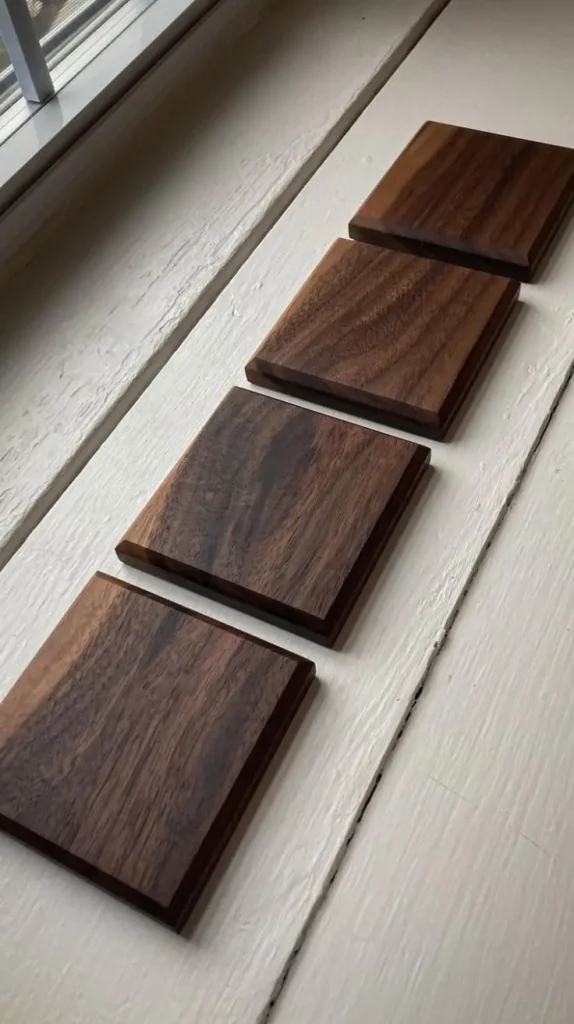
Simple wooden coasters may look small, but they carry a surprisingly big impact in protecting furniture and adding a handmade touch to a living space. Many tables and desks suffer from water rings caused by cold drinks. A set of handcrafted coasters solves this problem while adding natural charm to the room.
This project begins with cutting small square or circular pieces of hardwood. Woods like maple, cherry, and walnut work well because they resist dents and hold up against daily use. After cutting the shapes, careful sanding smooths the surface and edges. Rounded corners make the coasters feel comfortable to hold while preventing scratches on furniture.
Decorative details can elevate the design even further. Some woodworkers carve shallow grooves, burn simple artwork using a wood-burning tool, or combine different wood types for a layered look. The finishing step protects the wood from moisture. Natural oils or beeswax help seal the grain while keeping the texture and color visible.
Once completed, these small pieces become everyday essentials. They protect tables, impress guests, and often spark conversations about the beauty of handmade craftsmanship. Even better, a small stack tied with twine makes a thoughtful and personal gift.
Desk Organizer
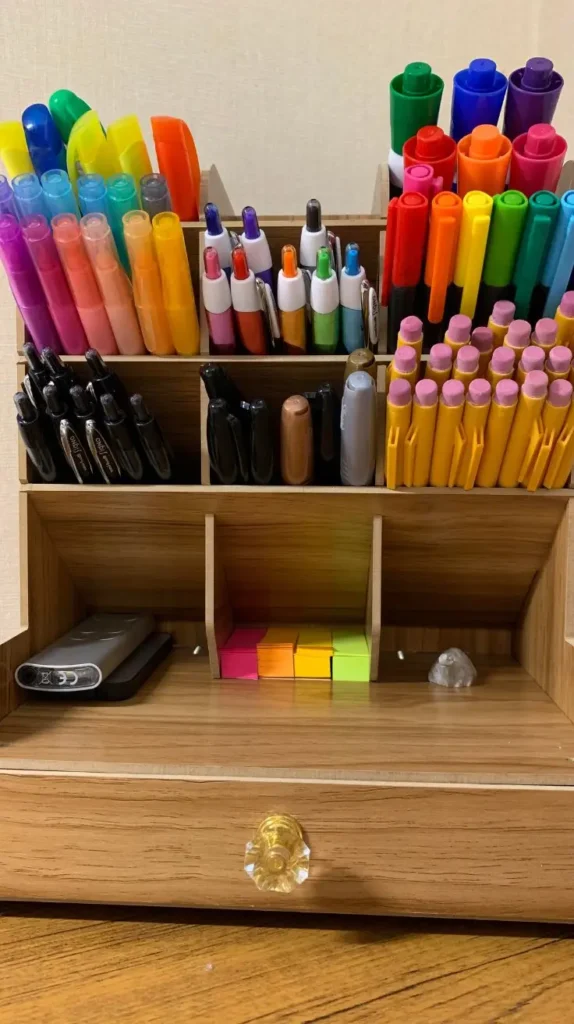
A desk organizer made from wood offers a simple solution for one of the most common daily problems: clutter. Pens, notebooks, chargers, and small tools often pile up on desks, creating a messy workspace that slows productivity. A handmade organizer brings order back to the desk while adding a warm, natural look.
The project usually involves cutting several wooden panels and joining them to form compartments of different sizes. These sections can hold pens, phones, sticky notes, and other everyday items. Pine boards or plywood work well because they are easy to cut and shape, making them perfect for beginners.
Wood glue and small finishing nails often hold the pieces together securely. Clamps help keep the joints tight while the glue dries. After assembly, sanding the edges and surfaces creates a smooth, professional appearance.
Finishing the organizer with natural oil highlights the wood grain and protects the surface from stains or scratches. The final product feels sturdy, useful, and visually pleasing. Once placed on a desk, everything finally has a proper place. That organized workspace becomes a daily reminder that a few simple woodworking skills can make everyday life easier.
Wall Mounted Key Holder
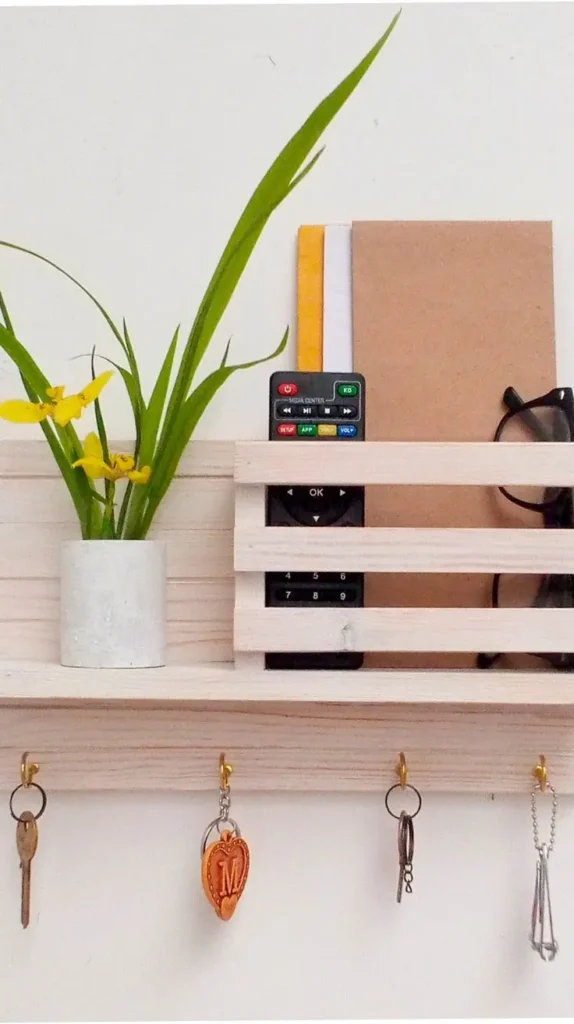
A wall mounted key holder offers a practical solution for a frustrating daily problem: misplaced keys. Many households deal with the same routine of searching for keys before leaving the house. This small wooden project creates a permanent and organized place for them.
The build usually starts with a small wooden board that serves as the base. Reclaimed wood works beautifully for this project because it adds texture and character. After cutting the board to size, sanding ensures the surface feels smooth and safe to touch.
Small metal hooks are attached across the front, giving each family member a dedicated spot for their keys. Measuring the spacing carefully keeps the layout neat and balanced. Some designs also include a narrow shelf above the hooks. That small addition becomes useful for storing sunglasses, wallets, or incoming mail.
Decorative details can make the piece even more special. Painted lettering, engraved family names, or burned patterns add personality and style. Once mounted near the entrance of the home, the key holder becomes part of the daily routine. Every evening, the keys return to their place, and every morning begins with less stress.
Wooden Plant Stand
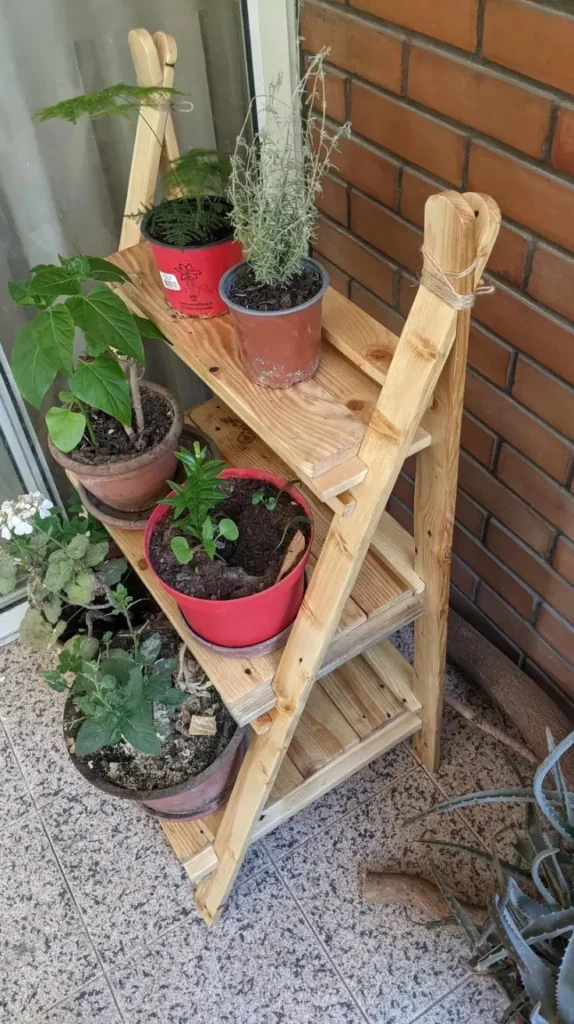
A wooden plant stand adds height, elegance, and natural warmth to indoor spaces. Many homes place plants directly on the floor or crowded shelves, which can make rooms feel cluttered. A simple stand lifts plants into view, allowing their leaves and colors to become part of the room’s design.
This project usually involves building a small platform supported by four legs. The legs may sit straight or slightly angled to create a modern mid-century look. Pine and cedar are common wood choices because they are lightweight, affordable, and easy to work with.
Cutting each piece carefully ensures the stand remains stable. Wood glue and screws provide strong joints, while clamps help hold everything in place during assembly. Sanding every edge smooths the surface and prevents splinters.
Once the structure is complete, finishing oil or wood stain enhances the natural grain while protecting the surface. The finished stand elevates plants to eye level, making them more noticeable and decorative. Over time, many people build several stands in different heights, turning a collection of plants into a beautiful indoor display.
Picture Frame
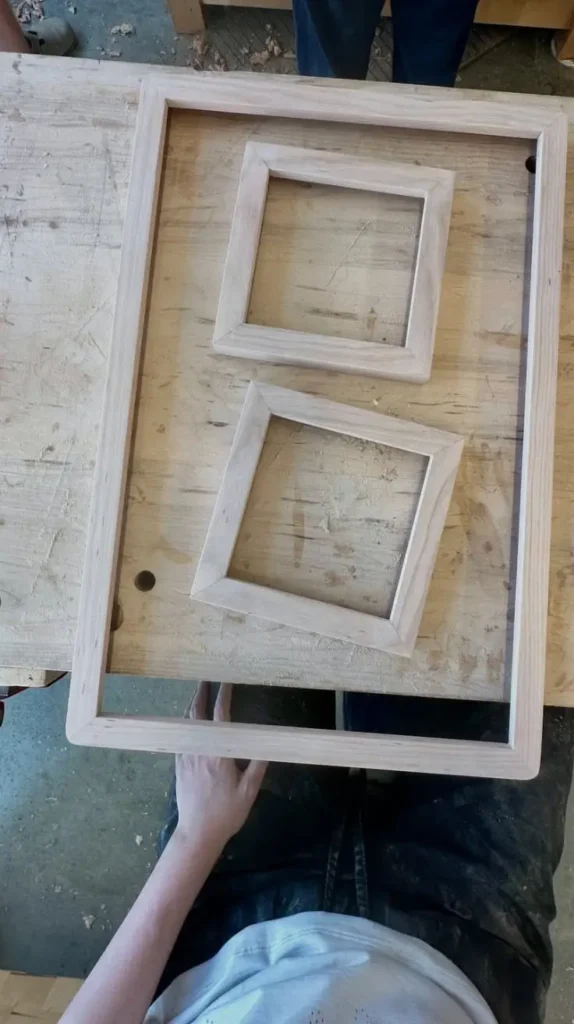
A wooden picture frame is a meaningful woodworking project because it turns memories into lasting displays. Photos often remain hidden inside phones or drawers, but a handmade frame gives them a place of honor on a wall or shelf.
This project introduces a classic woodworking skill: cutting precise angled corners. Four wooden strips are cut at 45-degree angles so they meet neatly at each corner. Accuracy becomes important here, because even small mistakes can leave visible gaps.
Wood glue and clamps hold the corners tightly while drying. Some builders add small finishing nails for extra strength. A shallow groove along the inner edge holds the glass, photograph, and backing board securely in place.
After assembly, sanding smooths the surface and prepares it for finishing. Stain or natural oil brings out the grain and gives the frame a warm tone. Some designs include carved edges or layered wood pieces for added decoration.
When the frame is finally placed around a favorite photograph, it becomes more than a woodworking project. It becomes a personal display piece filled with memories and craftsmanship.
Small Storage Box
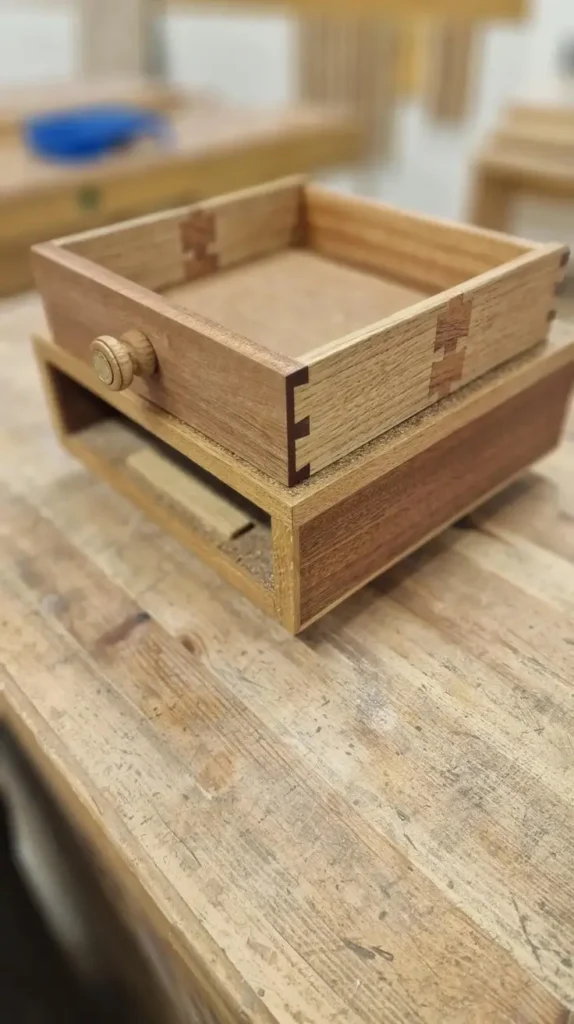
A small wooden storage box offers both beauty and practicality. Despite its simple appearance, this project teaches several useful woodworking skills such as measuring, joining panels, and attaching hinges.
The box usually begins with four wooden side panels joined together to form a square or rectangular shape. A flat bottom panel supports the structure, creating a sturdy container for small belongings. Wood glue combined with finishing nails or screws helps hold the sides together securely.
Adding a hinged lid increases the usefulness of the box. Small brass hinges allow the lid to open smoothly while adding a decorative touch. Some designs also include a clasp to keep the contents safe.
Sanding plays an important role in this build because the box will often be handled regularly. Smooth edges and rounded corners make it comfortable to use. Many woodworkers decorate the lid with carved designs, burned patterns, or contrasting wood pieces.
Once complete, the box becomes a perfect place for jewelry, keepsakes, letters, or craft supplies. It often sits proudly on a shelf or dresser, quietly displaying both craftsmanship and creativity.
Birdhouse
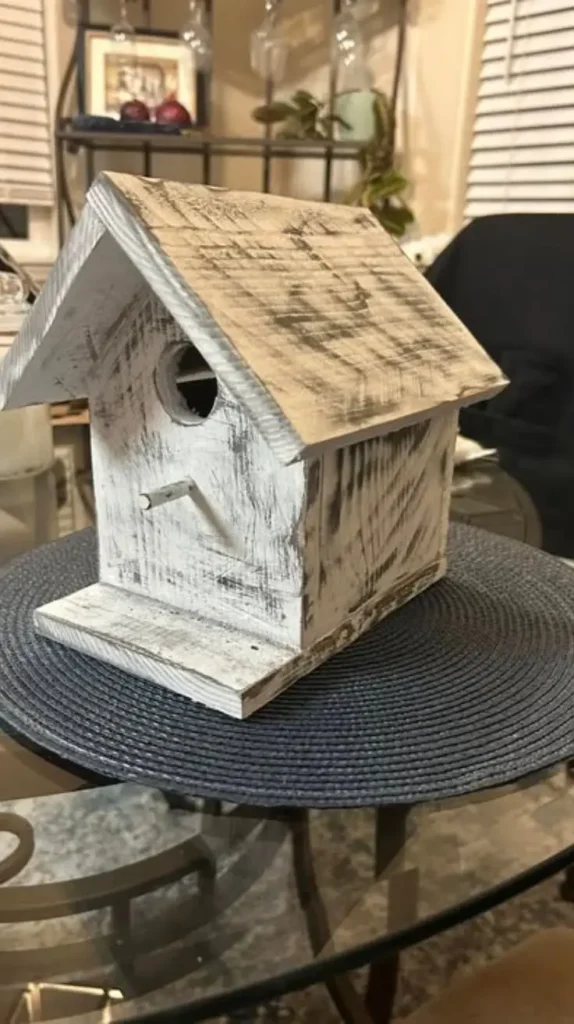
A birdhouse is a delightful woodworking project that connects craftsmanship with nature. Many gardens and backyards feel quiet and still, but adding a small wooden shelter invites birds to visit and eventually nest nearby. This project is simple enough for beginners yet meaningful because it serves a real purpose in the environment.
The structure usually includes four walls, a slanted roof, and a small entry hole designed for birds to enter safely. Cedar wood is often recommended because it naturally resists moisture, insects, and outdoor weather. Cutting the panels carefully ensures that the pieces fit together tightly, preventing rain from entering the shelter. Wood screws and outdoor wood glue provide durability so the house remains stable during wind or storms.
Ventilation holes near the roof help keep the interior cool during hot weather, while a small drainage gap at the bottom allows rainwater to escape. These details may seem small, but they greatly improve the comfort and safety of the birds using the house.
After assembly, the exterior can be sealed with a protective finish or painted with natural colors to blend into the garden. Once installed on a tree or wooden post, the birdhouse becomes part of the outdoor scenery. Over time, birds begin exploring the shelter, and the sound of chirping adds life to the yard. Watching birds interact with something built by hand creates a deep sense of satisfaction that few projects can match.
Candle Holder
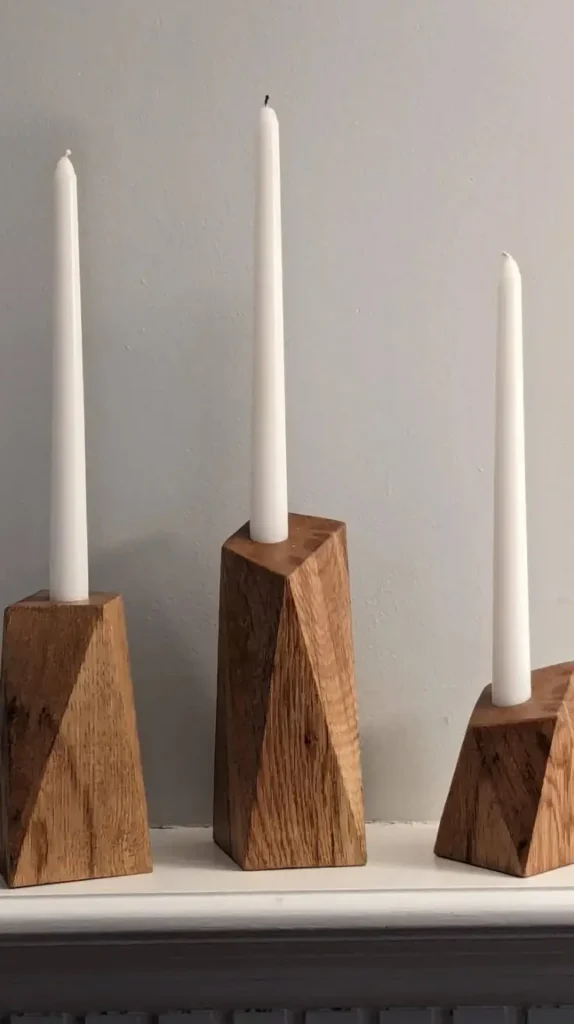
A wooden candle holder is a small project that adds warmth and atmosphere to any living space. Candlelight has a calming effect, and placing candles in a handmade holder enhances the overall experience. Even a simple design can look elegant when crafted carefully from natural wood.
The project usually starts with a solid block or thick wooden board. Holes are drilled into the top surface to hold tea lights or tapered candles securely. Measuring the spacing between each hole is important because even placement creates a balanced and attractive design. A drill press can help achieve perfect depth and alignment, although a handheld drill works well with patience and steady pressure.
After drilling the candle openings, sanding becomes a key step. Smooth edges and rounded corners give the piece a refined and comfortable feel. This stage also prepares the wood for finishing. Natural oils, beeswax, or wood sealers protect the surface while highlighting the grain patterns.
Creative details can make the holder stand out even more. Some woodworkers carve decorative grooves along the edges or burn subtle designs onto the surface using a wood-burning tool. These small touches transform the holder from a basic object into a decorative centerpiece.
When candles are placed inside and lit during dinner or a quiet evening, the soft glow reflects gently on the wood. The result is a cozy and inviting atmosphere that makes the room feel more peaceful and welcoming.
Wooden Bookends

Wooden bookends are practical woodworking creations that keep books organized while adding decorative charm to shelves. Without proper support, books tend to lean or slide across shelves, creating clutter and disorder. A sturdy pair of bookends solves this issue while introducing a touch of handmade craftsmanship to the space.
The project typically involves building two strong support pieces. Each piece usually includes a flat base and a vertical panel that holds the books upright. Hardwood materials like oak, maple, or walnut are excellent choices because they provide strength and durability. These woods also display beautiful grain patterns that enhance the appearance of the finished product.
Careful cutting ensures that the base and vertical support align perfectly. Wood glue and screws help create strong joints that can handle the weight of several books. Clamps are often used while the glue dries to maintain tight connections and straight angles.
After assembly, sanding smooths every surface and removes rough edges. This step not only improves the appearance but also prevents scratches on shelves or hands. Finishing oil or clear sealant protects the wood and brings out its natural color.
Some designs remain simple and minimal, allowing the wood grain to shine. Others feature creative shapes such as mountains, houses, animals, or geometric patterns. Regardless of the design, these bookends quietly support rows of books while adding warmth and personality to a reading space.
Wooden Serving Tray

A wooden serving tray is a wonderful combination of beauty and usefulness. It serves practical purposes in everyday life while also acting as a decorative piece in the home. Whether carrying breakfast, serving drinks to guests, or organizing items on a coffee table, this project proves that small woodworking builds can have a big impact.
The tray typically begins with a flat wooden panel that forms the base. Around this base, four raised edges are attached to create a shallow frame. These edges prevent cups, plates, or bowls from sliding off while the tray is being carried. Accurate measurements ensure that each side fits neatly together and forms clean corners.
Handles play an important role in the design. Some trays include carved handles cut directly into the side panels, while others use metal handles attached with screws. Both options work well as long as the handles are positioned evenly so the tray feels balanced during use.
Sanding is essential because the tray will be handled frequently. Smooth surfaces make it comfortable to carry and prevent splinters. Once the sanding is complete, a food-safe finish such as mineral oil or beeswax is applied. This protects the wood from spills and moisture while enhancing the natural grain patterns.
After completion, the tray quickly becomes a favorite household item. It may hold coffee mugs in the morning, snacks during movie nights, or desserts during family gatherings. What started as a simple woodworking project turns into a daily-use piece that brings both convenience and handmade beauty into the home.
Wooden Wall Art Panel

A wooden wall art panel is a creative woodworking project that turns simple wood pieces into an eye-catching decoration. Many homes have empty wall spaces that feel plain and unfinished. A handcrafted wooden art panel adds warmth, texture, and personality to those areas while showing off natural wood beauty.
This project usually starts with a flat wooden board that acts as the base. Smaller wooden strips or blocks are then arranged on top to create patterns. Some designs feature geometric shapes, while others use different wood tones to build a layered visual effect. Pine, cedar, and reclaimed wood pieces work well because they are easy to cut and bring interesting grain patterns.
Careful measuring and alignment help keep the design balanced. Wood glue is often used to attach the smaller pieces to the base board securely. Clamps help keep everything steady while the glue dries. Once assembled, sanding smooths any rough edges and prepares the surface for finishing.
A clear wood finish or light stain enhances the grain patterns and protects the panel. When mounted on the wall, the artwork instantly becomes a conversation piece. Guests often notice the unique design and handcrafted look. Over time, many woodworkers experiment with new patterns and layouts, turning this simple project into a fun creative outlet that adds character to living rooms, hallways, or bedrooms.
Wooden Charging Station

A wooden charging station is a practical project designed to organize electronic devices and charging cables in one place. Many households struggle with tangled cables and phones scattered across tables or counters. This project helps create a neat and dedicated charging area that looks clean and organized.
The build typically includes a rectangular wooden base with several slots or dividers to hold smartphones and small tablets upright. Behind the slots, a hidden compartment allows charging cables to run through small holes so they stay neatly tucked away. This design keeps wires from spreading across desks or nightstands.
Plywood or pine boards are commonly used because they are easy to cut and assemble. The panels are joined using wood glue and small nails or screws. Precision becomes important when cutting the slots so devices fit comfortably without tipping over.
After assembly, sanding smooths the edges and prepares the surface for finishing. Natural wood oil or stain highlights the grain and gives the station a polished appearance. Once placed on a desk or bedside table, the charging station keeps devices organized and accessible.
The result is both useful and stylish. Instead of messy cables and scattered phones, the area feels tidy and functional, proving that simple woodworking ideas can solve everyday problems beautifully.
Wooden Kitchen Utensil Holder
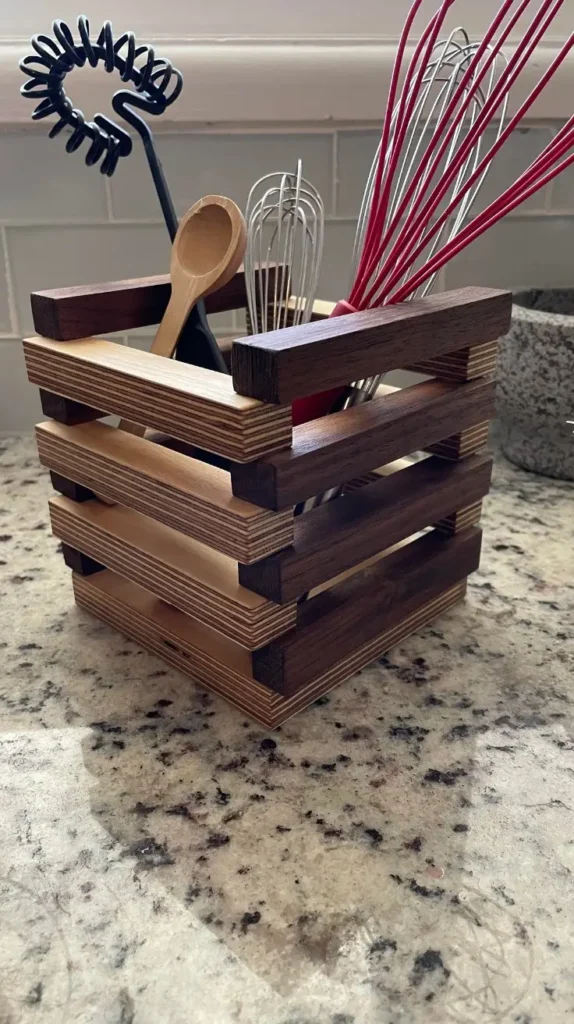
A wooden kitchen utensil holder is a small yet extremely useful woodworking project. Kitchens often contain many cooking tools such as spatulas, wooden spoons, and ladles. Without proper storage, these utensils end up crowded inside drawers or scattered on countertops. A handcrafted holder keeps them organized while adding a warm, natural element to the kitchen.
This project typically involves building a small open box or cylindrical container from wooden panels. Pine, maple, or bamboo are excellent choices because they are durable and safe for kitchen environments. The sides are joined together using wood glue and finishing nails, forming a sturdy container that can hold several utensils at once.
The base panel must be securely attached to support the weight of the tools. Sanding all surfaces is especially important because the holder will be handled frequently during cooking. Smooth edges improve safety and give the finished product a professional look.
Applying a food-safe finish such as mineral oil protects the wood from moisture and kitchen spills. This finish also highlights the natural grain, making the holder look attractive on the countertop.
Once placed near the stove, the utensil holder becomes an everyday helper. Cooking tools remain easy to grab, the counter stays organized, and the kitchen gains a touch of handcrafted charm that store-bought containers rarely provide.


