
Modern tire technology could limit compaction pressure on vulnerable soils as farmers battle tighter field access windows, larger equipment and weather.
WHY IT MATTERS
Compacted soils can make fields more vulnerable to erosion, reduce fertilizer efficiency and require additional management to restore soil structure.
A new wave of tire technology, including Swedish tire manufacturer Trelleborg’s Adaptive Tire Management System, is giving farmers another tool to reduce soil compaction by adjusting to field conditions, temperature and load.
Eric Brubacher, owner of Elmira’s OK Tire, demonstrated some of the options available to farmers, including ATMS, at the Georgian Soil and Crop Compaction Day, held in Honeywood, Ont., in July.
Real-time tire adjustment
ATMS continuously monitors tire and vehicle behaviour through four sensors installed inside each tire. By collecting real-time information on tire dynamic load and tractor weight distribution, the system provides farmers with a complete picture of how the machine interacts with the ground during operation.
Brubacher says the latest generation of tires is making it easier for farmers to reduce compaction challenges.
“Innovation is always at the pinnacle, as producers are trying to be more efficient and grow more yield per acre since land is at a premium,” he said. “We need to utilize all the tools in our toolbox to have a sustainable future in the agricultural industry.”
What compaction costs
According to University of Guelph data, published by the Ontario Soil and Crop Improvement Association (OSCIA), moderate to severe subsurface compaction reduces corn yields by 10 per cent to 30 per cent, soybean yields by eight per cent to 20 per cent and wheat yields by five per cent to 15 per cent.
What compaction costs
Corn: 10 to 30 per cent yield loss
Soybeans: eight to 20 per cent
Wheat: five to 15 per cent
500-acre farm, 60 per cent moderately compacted: $35,000 to $65,000 in losses a year
Source: University of Guelph data published by OSCIA
OSCIA research found that on a 500-acre farm where 60 per cent of the area has moderate compaction, annual yield losses range from $35,000 to $65,000, depending on crop mix and compaction severity.
Data from tire to tractor
As weather extremes become more common and equipment size continues to grow, finding practical ways to prevent and alleviate soil compaction has become increasingly important in protecting productivity and long-term soil health.
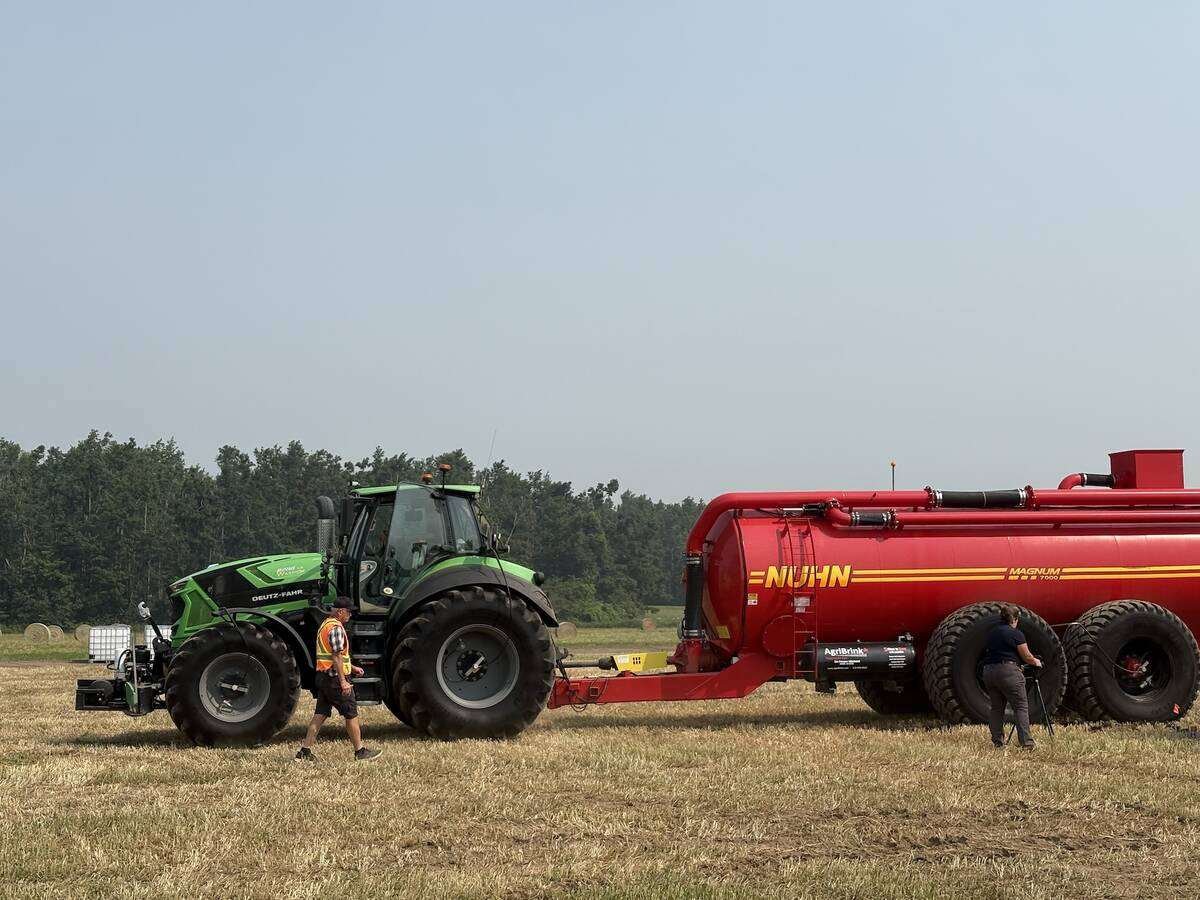
Brubacher says having a constant flow of data from the tire to the tractor as loads and conditions change provides farmers with a clearer picture of field conditions.
“It’s going to make adjustments based on the tire pressure to maximize efficiency,” he said.
The insights provided by systems, like ATMS, create an optimal tire footprint, ensuring the tires operate at the ideal pressure based on factors such as terrain, load and task.
Price and retrofits
Brubacher noted that despite the hefty price tag associated with the technology, the investment can save farmers money over time. He added that although the technology is new, most systems can be integrated into existing equipment setups.
“All these tires and inflation systems can most often be added into existing equipment,” he said. “As knowledgeable tire sales staff, we are the people that can make the proper recommendations based on their equipment and applications.”
The post Smart tire technology helps farmers combat soil compaction appeared first on Farmtario.


