

Electric vehicles have changed considerably over the past decade yet some of the assumptions surrounding them haven’t moved quite as quickly.
Concerns that made sense when EVs first began appearing on Australian roads can linger long after the technology, infrastructure and evidence have moved on.
A recent Victorian parliamentary inquiry found that misinformation and misconceptions continue to affect confidence in EVs; with battery life, charging infrastructure, fire safety and environmental impact among the concerns still influencing drivers.
So, what does the evidence actually tell us? Here are three common EV myths worth taking another look at.
The battery will need replacing within a few years
The battery is one of the most valuable components in an EV, so it’s hardly surprising that its lifespan matters when you’re considering making the switch. The good news is that we’re long past the point of relying on predictions. We now have years of real-world data instead.
Geotab’s latest battery health study analysed more than 22,700 EVs and found average battery degradation of just 2.3% a year. At that rate, an EV battery would still retain more than 80% of its original capacity after eight years. The Victorian inquiry went further, pointing to an expected battery lifespan of around 15 to 20 years or more before a battery needs replacing.

Then there’s the warranty. While the specifics vary by manufacturer, many EV batteries cover around eight years or 160,000 kilometres and include a minimum capacity guarantee. That’s worth checking when you compare models, just as you would any other warranty.
Put those numbers into the context of a novated lease and the picture becomes even more optimistic. A novated lease will commonly run for three to five years, meaning the expected life of a modern EV battery extends well beyond a typical lease term.
Widespread EV charging will overwhelm the grid
As more Australians switch to EVs, electricity demand will rise, but that doesn’t mean every vehicle will place additional pressure on the grid at the same time. In reality, charging is becoming far more flexible than that, and the grid conversation has moved on considerably from where it was a few years ago.
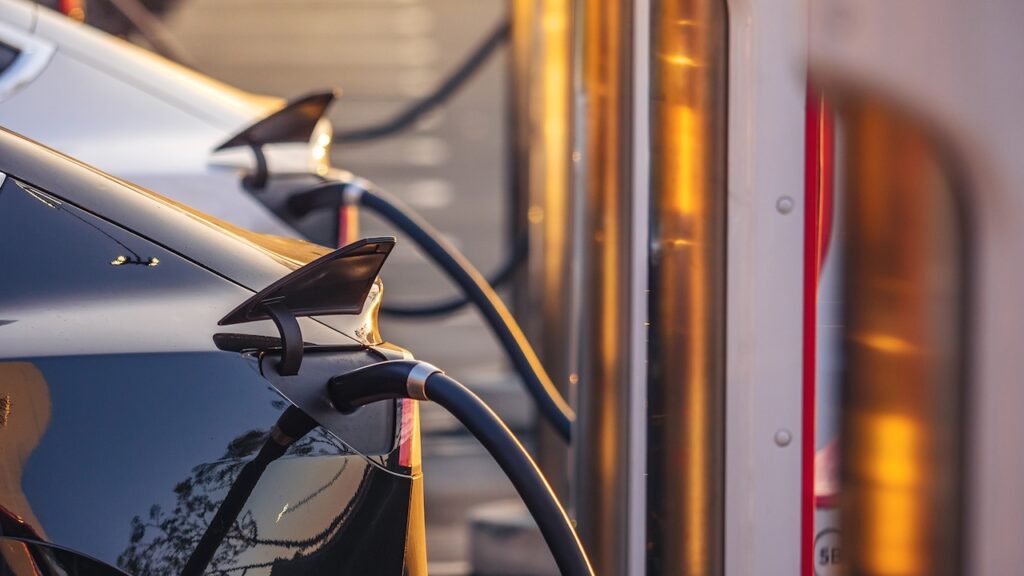
Smart charging makes it possible to schedule a vehicle to charge when demand is lower, electricity is cheaper or renewable energy is more readily available. If you’ve got solar at home, charging can also be timed to make better use of the energy you’re generating yourself, rather than drawing from the grid at all.
Continued investment will be needed as Australia changes the way it generates, stores and uses electricity. But the challenge isn’t simply accommodating more EVs. It’s getting smarter about how and when they charge.
Australia’s charging network is still too limited to make an EV practical
This depends on your routine. Around 80% of EV charging in Australia already happens at home, which means your day-to-day experience may involve little more than plugging in when you get back and leaving with a full charge the next morning.
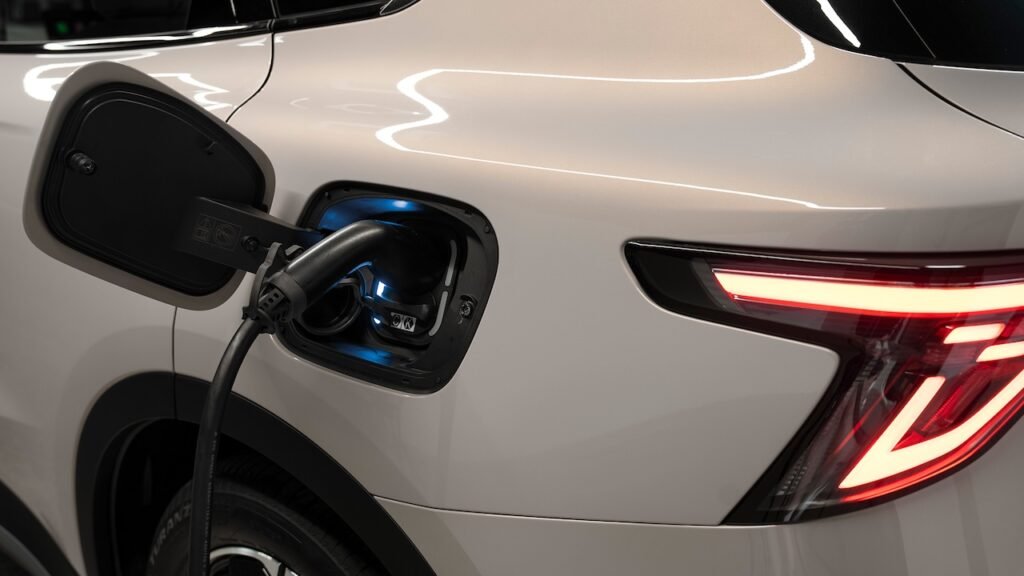
Public charging still matters, of course. If you live in an apartment, don’t have access to off-street charging or regularly travel longer distances, you’re likely to rely on it much more heavily. Here too, the picture is changing. More than 5,000 public EV charging sites are now available across Australia, including over 1,270 fast-charging locations, with the latter growing by 20% in a single year.
If you know you’ll regularly rely on public charging, it’s worth spending a few minutes checking the routes you’ll use most. Various apps allow you to find charging stations, see charging speeds and check charger availability in real time, making it far easier to understand what charging would actually look like before you choose your EV.
It’s time to retire the myths
The EV market has come a long way, and we now have more real-world evidence than ever to understand what living with one actually looks like. Perhaps the question worth asking is how well an EV could work for you.

For eligible employees, a novated lease can make that choice even more compelling, particularly while current tax incentives remain in place. That makes the next step a practical one. Look beyond the headlines and consider how and where you drive, what you want from your next car and how the numbers stack up over time.
A novated leasing provider like SG Fleet can help bring those considerations together, from the vehicle you choose to the structure of your lease and its running costs, giving you a more complete view of what an EV could mean for you.
The post Still weighing up an EV? Three myths you can take off the list appeared first on EV Central.


