
A study desk is more than a piece of furniture. It is the quiet corner where goals take shape, late-night thoughts turn into plans, and small wins slowly build a better future. The way this space looks and feels can lift motivation or quietly drain it away. That is why study desk decor matters more than most people realize.
This guide dives deep into powerful study desk decor ideas that balance beauty, comfort, and focus. Every idea is simple, practical, and friendly for people who are not tech-savvy. No complicated gadgets. No confusing setups. Just thoughtful details that make studying feel lighter, warmer, and more enjoyable. Stay until the end, because the last ideas often spark the biggest transformations.
A Clean Foundation That Clears the Mind
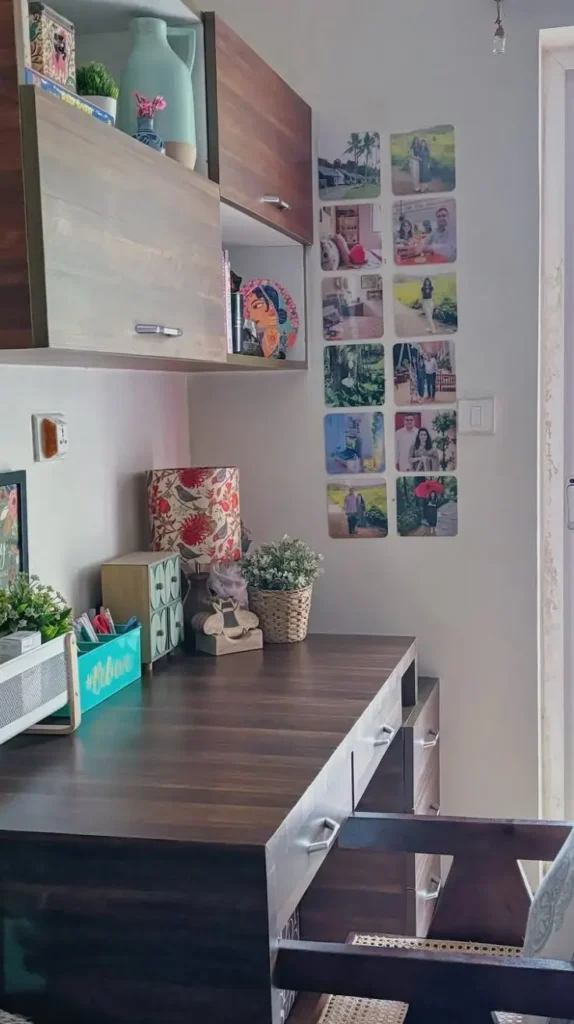
A clean study desk is not just about appearance; it deeply affects how the mind behaves during study time. When the desk surface feels crowded, thoughts become crowded too. Papers stacked without order, random stationery, and unused items quietly create stress. A clean foundation removes that mental pressure and replaces it with calm and clarity.
Keeping only daily essentials on the desk allows the eyes to rest and the brain to focus. Books that are not currently needed can be stored nearby instead of sitting in sight. Pens, highlighters, and notebooks should have fixed places so nothing feels lost or forgotten. Even wiping the desk at the end of the day sends a signal that work is complete and tomorrow will begin fresh.
Light-colored desk surfaces help reflect light and make the study space feel open and positive. This kind of order builds discipline naturally. Over time, cleanliness stops feeling like a task and becomes a habit. A clean desk quietly supports motivation, reduces distractions, and makes long study sessions feel less tiring.
Desk Lighting That Feels Soft Yet Powerful
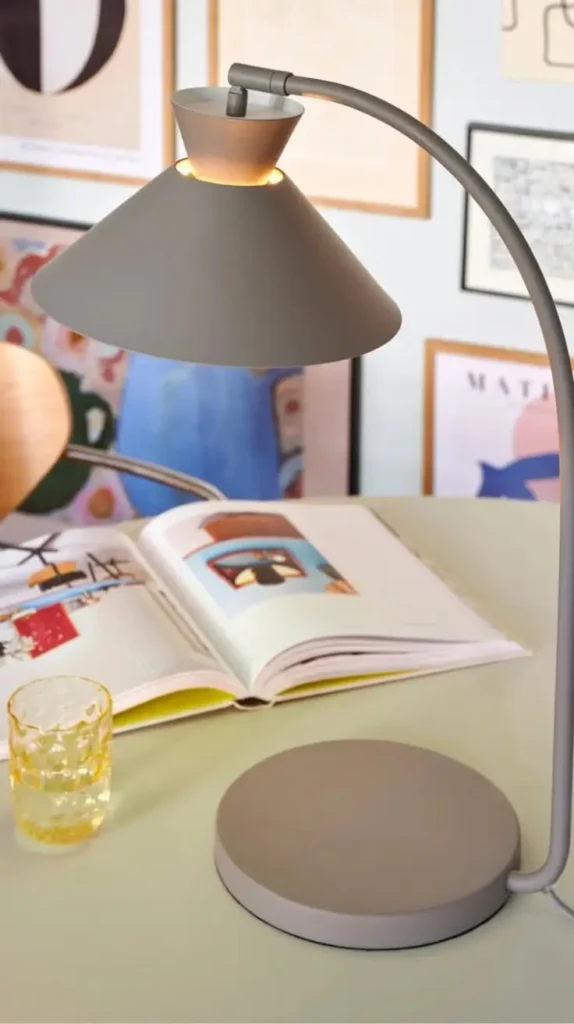
Lighting shapes the entire study experience. Poor lighting strains the eyes, causes headaches, and reduces concentration more quickly than expected. The right desk lighting, however, feels gentle while still being strong enough to support reading, writing, and learning.
A good desk lamp should spread light evenly without creating harsh shadows. Adjustable lamps allow the light to move based on the task, whether reading a book or writing notes. Warm or neutral light tones are easier on the eyes and create a relaxed atmosphere that feels welcoming during long hours.
Placing the lamp on the opposite side of the writing hand prevents shadows and discomfort. Lighting should guide focus, not demand attention. When the desk feels well-lit, energy stays steady, and frustration stays low. Over time, proper lighting protects eyesight and improves study endurance. This simple addition quietly transforms the desk into a space that feels supportive rather than exhausting.
Wall Pinboards That Hold Ideas Together
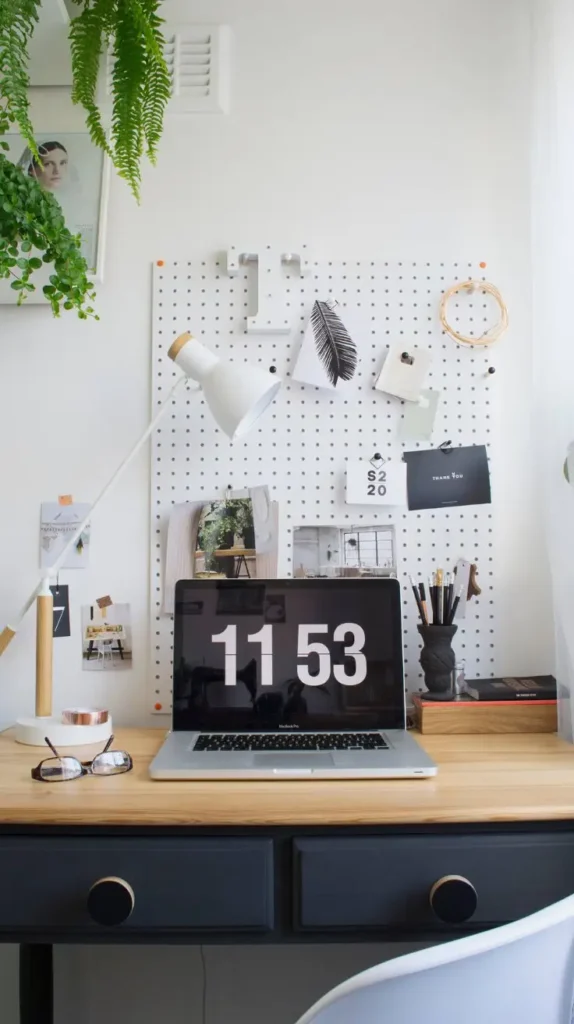
A wall pinboard adds structure to study life without feeling overwhelming. It turns blank wall space into a useful visual guide that keeps important information within sight. Instead of flipping through notebooks or searching for reminders, everything stays visible and organized.
Schedules, exam dates, short goals, and motivational notes can live together on the board. Using different colored pins helps separate tasks and priorities clearly. This visual clarity reduces anxiety and builds confidence. Seeing progress displayed creates a sense of achievement that pushes momentum forward.
Pinboards also allow personality to shine. Photos, handwritten notes, and small drawings make the study area feel personal and warm. The board becomes more than decoration; it becomes a silent partner during study sessions. When focus weakens, a glance brings direction back. Over time, this simple tool supports better planning and stronger commitment to goals.
Green Touches That Refresh the Brain
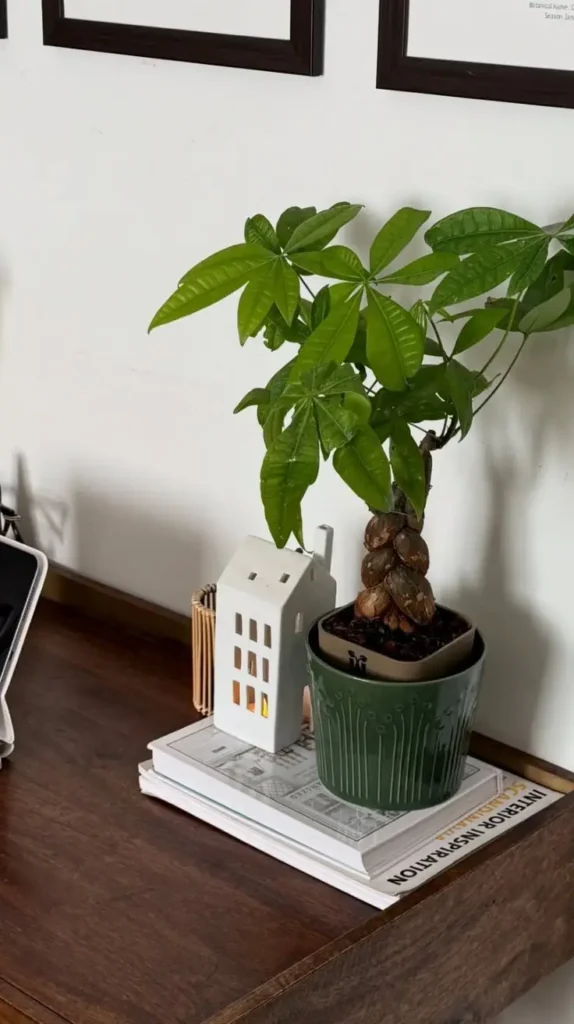
Green elements bring emotional relief to a study desk in a way few other decor choices can. When study hours stretch long, and the mind feels heavy, a small plant quietly changes the mood of the space. Green colors naturally calm the brain and reduce stress, which helps improve focus without forcing effort. Even a single plant can soften a hard, serious study setup and make it feel more balanced and alive.
Low-maintenance plants work best for study spaces. Small indoor plants do not demand attention, yet they give back a sense of freshness. Placing a plant near natural light helps it stay healthy and bright. When space feels tight, hanging plants or tiny pots work just as well. These green touches also improve air quality, which makes breathing feel easier during long study sessions.
Over time, plants create emotional comfort. They remind the mind to slow down and stay steady instead of rushing. A study desk with greenery feels welcoming, peaceful, and supportive, which helps maintain focus without emotional exhaustion.
Storage Solutions That Feel Effortless
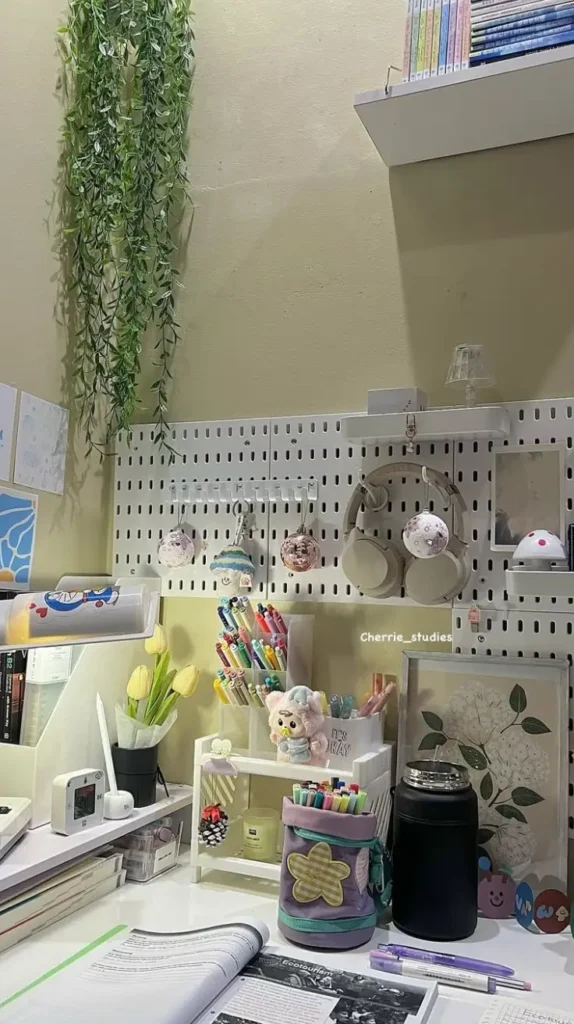
A messy desk often causes silent frustration. When items do not have a clear place, time gets wasted searching, and focus breaks again and again. Smart storage solutions solve this problem gently without adding complexity. The goal is not to hide everything but to create order that feels natural and easy to maintain.
Small desk organizers help separate pens, markers, sticky notes, and tools. Drawer boxes keep papers safe without crowding the surface. Vertical storage holders save space and keep important items within reach. Clear containers allow quick visibility, while wooden or fabric organizers add warmth to the desk.
Good storage supports better habits. When everything has a home, cleaning becomes quick and stress-free. The desk stays tidy longer, and starting a study session feels easier. Over time, this organization builds discipline without pressure. The study desk becomes a reliable space where focus feels effortless, and distractions stay away.
Personal Quotes That Speak During Quiet Moments

Study time is not always smooth. There are moments when motivation drops, confidence feels weak, and progress seems slow. During these quiet moments, personal quotes can offer emotional support. A few meaningful words placed near the desk can gently shift the mindset and restore energy.
Choosing the right quotes matters. Short, honest phrases work better than long statements. Handwritten notes often feel more personal and comforting than printed text. These words should connect emotionally, not sound forced or dramatic. Placing them near eye level allows gentle reminders without distraction.
Quotes act like silent encouragement. They do not interrupt work, yet they stay present when needed most. Over time, these words become familiar companions during study sessions. They help build inner strength and consistency. A study desk decorated with meaningful quotes feels supportive, reminding the heart that effort has purpose and every small step matters.
A Comfortable Chair That Protects Energy
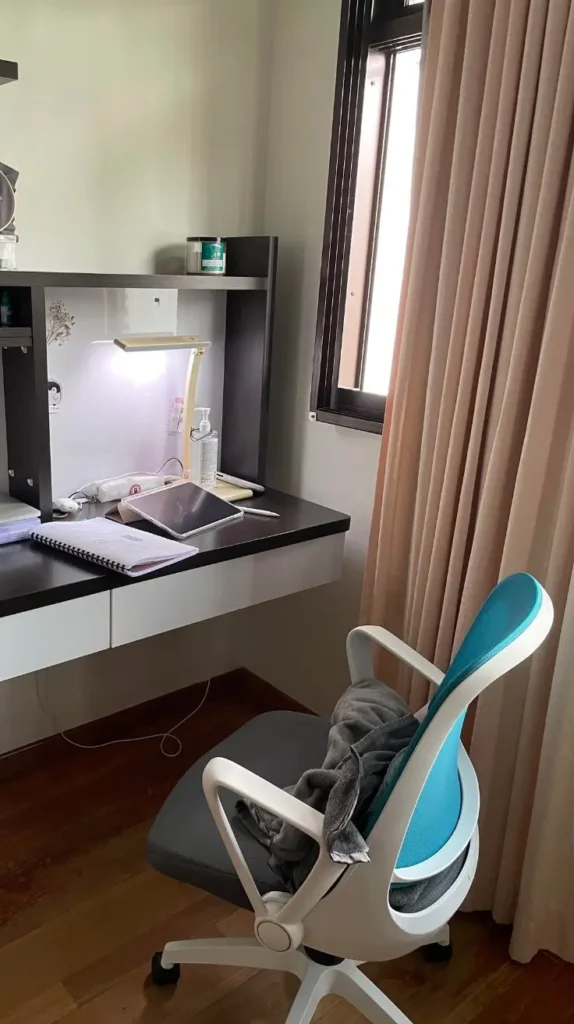
A study desk can look beautiful, but without a good chair, comfort disappears quickly. Sitting for long hours on an unsupportive chair causes back pain, stiff shoulders, and tiredness that slowly steals focus. Comfort plays a major role in maintaining energy and concentration.
A supportive chair helps keep the spine aligned and reduces pressure on the lower back. Adjustable height allows the desk and chair to work together smoothly. Soft cushioning prevents discomfort during long sessions, while arm support relaxes shoulders. Even adding a simple cushion can make a noticeable difference.
When the body feels supported, the mind stays alert longer. Discomfort stops interrupting thoughts, and study sessions feel smoother. Over time, proper seating prevents fatigue and builds healthier routines. A comfortable chair does not just support the body; it protects motivation and helps maintain steady focus throughout the day.
Minimal Wall Decor That Avoids Distraction
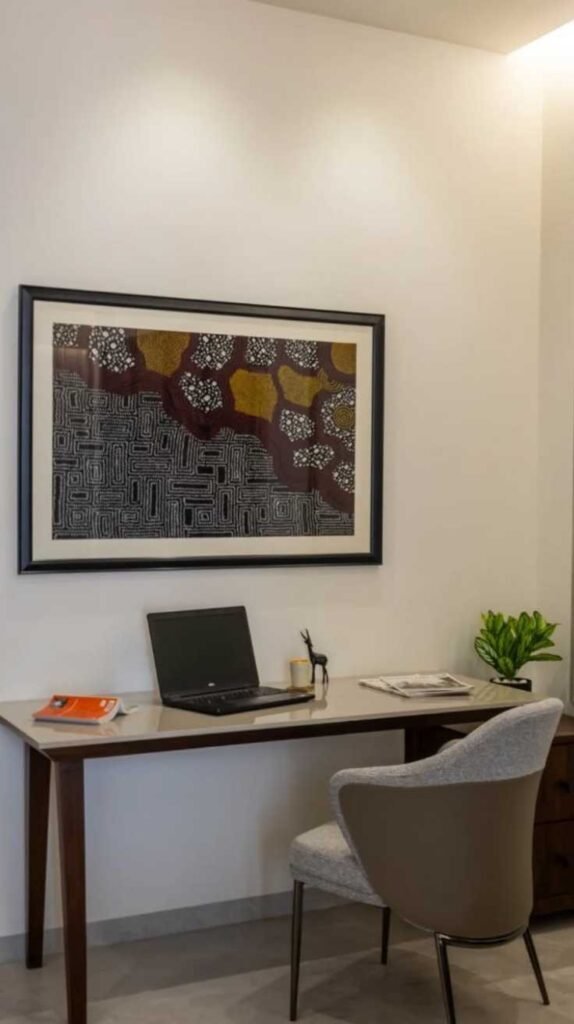
The wall around a study desk quietly shapes how the mind behaves during learning time. When the wall feels crowded with too many colors, posters, or decorations, attention starts to drift without notice. Minimal wall decor solves this problem by creating a calm background that supports focus instead of stealing it. The goal is not to decorate less, but to decorate wisely.
Simple artwork, clean frames, and soft color palettes work best. Neutral shades like beige, light gray, or soft pastels create a peaceful atmosphere that feels steady and balanced. Wall decor should stay limited to a few meaningful pieces placed thoughtfully, not scattered everywhere. Keeping decorations slightly above eye level prevents constant visual interruption during reading or writing.
Minimal decor helps the desk area feel organized and intentional. The eyes stay relaxed, and the brain stays centered on the task at hand. Over time, this calm environment reduces mental fatigue and helps make longer study sessions feel easier. The wall becomes a quiet supporter of concentration rather than a source of distraction.
Cable Management That Reduces Visual Stress
Cables may seem small, but when they are tangled and scattered, they quietly create stress. Loose wires hanging around the desk make the space feel messy and uncomfortable, even if everything else looks neat. Cable management brings order back and instantly improves how the desk feels.
Simple tools like cable clips, sleeves, or small storage boxes help organize cords without effort. Keeping chargers labeled avoids confusion and saves time. Routing cables along the edge of the desk or behind it clears the main workspace and makes writing or reading more comfortable. This also improves safety and prevents accidental pulling or damage.
A tidy cable setup reduces visual noise. The desk looks cleaner, calmer, and more professional. Focus improves because the eyes no longer jump between messy wires. Over time, this small change creates a smoother study routine and a more peaceful environment where distractions stay low and efficiency stays high.
A Desk Clock That Respects Time

Time awareness plays a quiet but powerful role in productive studying. Without a clear sense of time, sessions stretch too long or end too soon. A desk clock helps maintain balance without pulling attention toward digital devices that often cause distraction.
A simple clock works best. Silent designs prevent ticking sounds from breaking concentration. Placing the clock slightly to the side keeps time visible without feeling stressed. This gentle awareness helps manage study sessions naturally and encourages regular breaks without forcing reminders.
Over time, a desk clock supports better habits. Study periods feel more structured, and rest feels more intentional. Checking time becomes quick and calm instead of disruptive. This small addition creates a sense of control and rhythm, helping study sessions feel organized rather than overwhelming. Time becomes a helpful guide instead of a source of pressure.
Soft Textures That Add Warmth
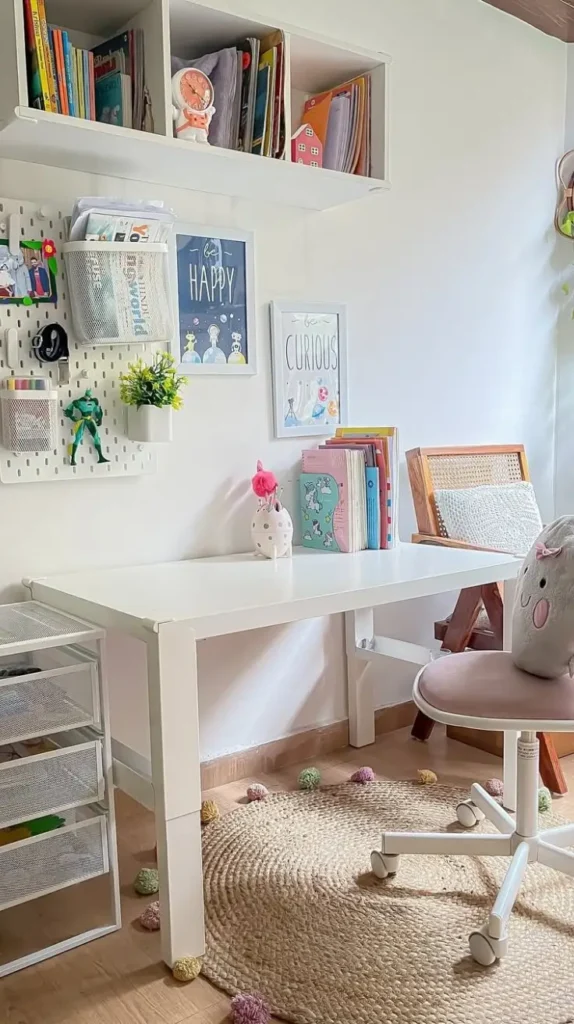
A study desk often feels cold because most surfaces are hard and flat. Wood, metal, and plastic may look clean, but they do not always feel welcoming. Soft textures change that feeling instantly. They add warmth, comfort, and a sense of ease that helps the mind stay relaxed during long study hours. When the desk feels comfortable, focus lasts longer without strain.
Desk mats are one of the easiest ways to introduce softness. They protect the desk surface and make writing smoother and more pleasant. Fabric organizers replace harsh plastic with a warmer look and feel. Even a small cushion on the chair or a soft foot mat under the desk can improve comfort without taking up space. Neutral textures work best because they calm the eyes instead of competing for attention.
Soft textures also provide emotional comfort. The desk stops feeling like a strict work zone and starts feeling supportive. Over time, this warmth reduces mental fatigue and makes studying feel less exhausting. Comfort quietly becomes a strength that supports consistency and focus every day.
Bookshelves That Tell a Learning Story

A bookshelf near a study desk is more than storage. It quietly tells a story of effort, curiosity, and growth. When books are visible, they remind the mind that learning is ongoing and meaningful. This visual presence builds motivation without saying a word.
Organizing books properly makes studying easier. Frequently used books should stay within reach, while reference materials can sit slightly higher or lower. Arranging books by subject or size keeps the shelf clean and balanced. Decorative bookends help maintain order and prevent leaning stacks. Leaving small gaps between books avoids a crowded look and allows the shelf to feel calm.
Bookshelves also create an emotional connection. Seeing completed books builds confidence, while unread ones inspire future goals. Over time, the shelf becomes a quiet reminder of progress and commitment. It supports discipline by making learning feel visible and real. A well-arranged bookshelf strengthens focus and gives the study space depth, purpose, and identity.
Color Choices That Support Focus
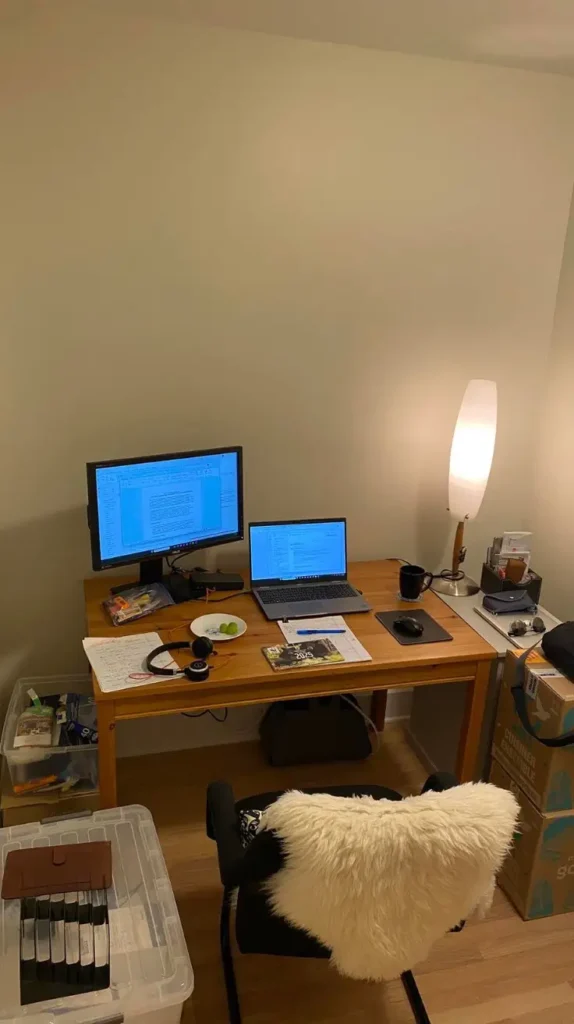
Color influences emotions even when it goes unnoticed. The wrong colors can create restlessness, while the right ones bring calm and clarity. Thoughtful color choices help a study desk feel balanced and supportive rather than overwhelming.
Soft tones work best for focus. Shades of blue and green encourage calm thinking and reduce anxiety. Neutral colors provide stability and prevent visual fatigue. Bright colors should be used carefully as small accents through stationery or decor items, not large surfaces. Too much brightness pulls attention away from studying.
Balanced color use makes the desk pleasant to look at for long periods. The eyes feel relaxed, and the mind stays steady. Over time, this visual comfort supports longer focus and less stress. Color becomes a silent helper that improves mood and concentration without demanding attention.
A Personal Touch That Feels Grounding
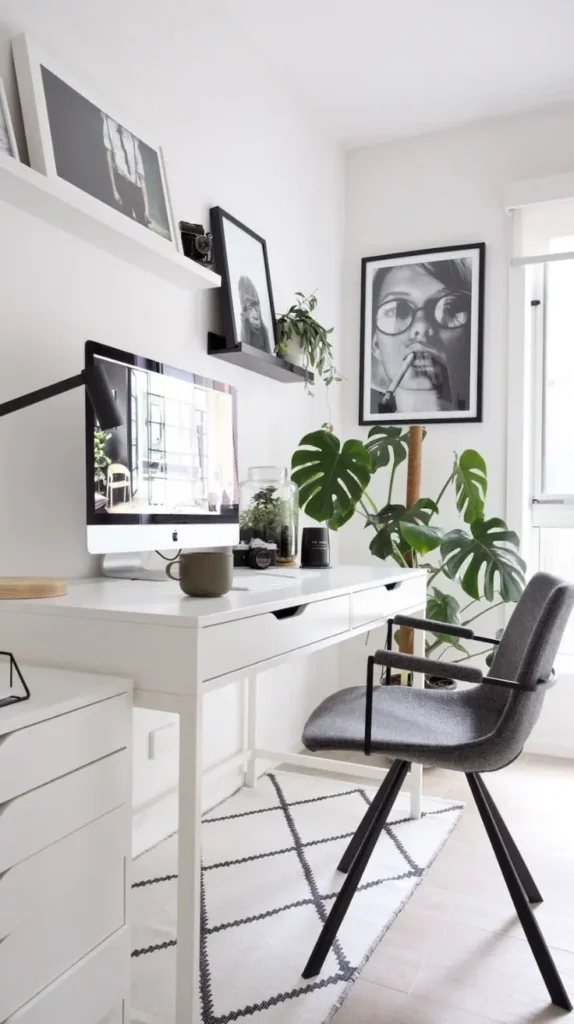
A study desk becomes truly complete when it reflects personal meaning. Small personal touches add emotional grounding and make the space feel safe and familiar. These elements remind the heart why effort matters, especially during challenging moments.
Personal items should be minimal. A single photo, a meaningful object, or a small handmade item works better than many decorations. Choosing items with emotional value strengthens the connection to the space. Too many personal objects create clutter and distraction, so intention matters more than quantity.
This final layer transforms the desk from a functional setup into a supportive environment. The space feels motivating and comforting at the same time. Over time, this emotional grounding builds confidence and consistency. Studying feels more intentional, more personal, and more rewarding, helping effort turn into progress naturally.


