
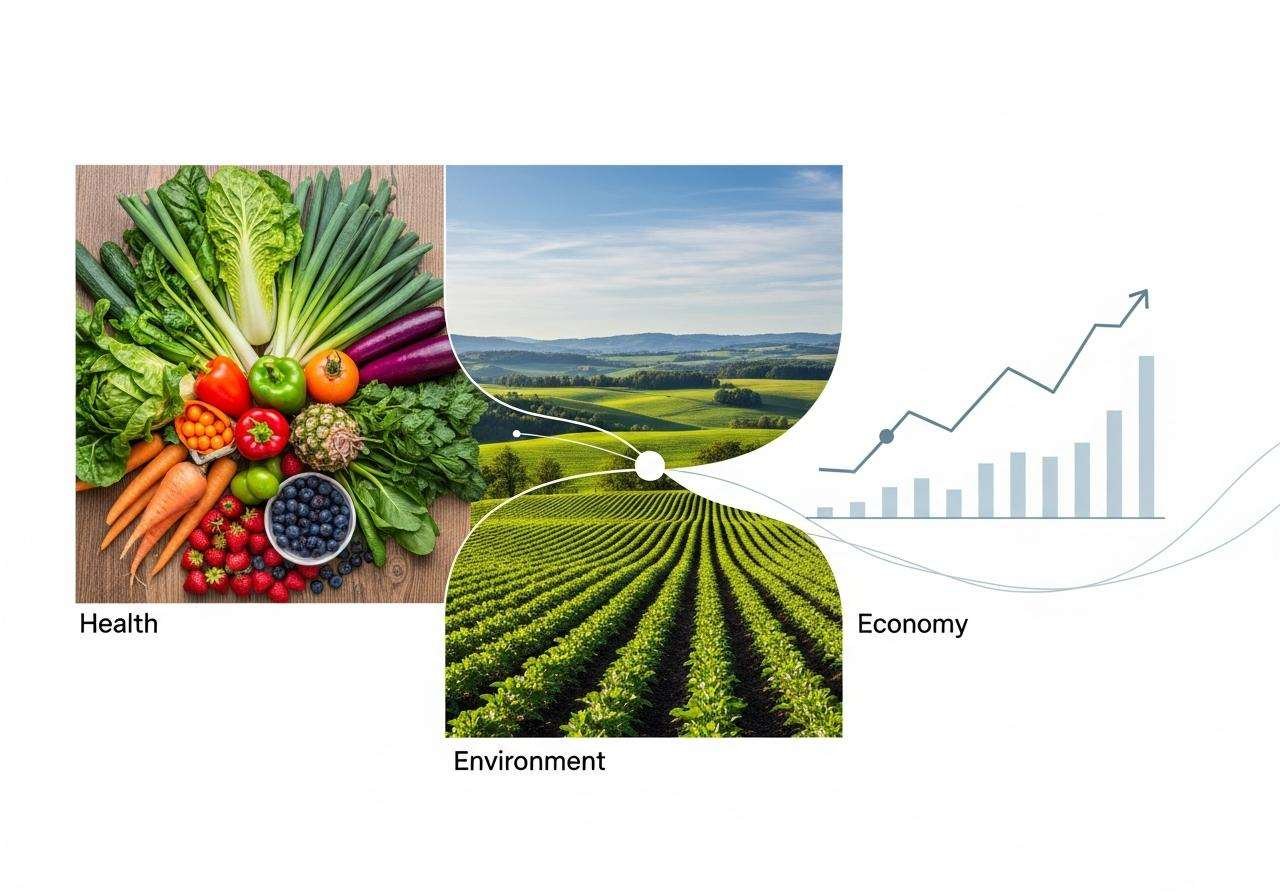
Synthetic Chemicals in the Food System
A statistic that always haunts me is that in the EU there ae about 400 chemical additives and preservatives while in the US that number is 10,000 – a staggering number.
Not long ago to me “processed food” simply meant something like canned beans or frozen peas. But today, it’s a different story with our food system is steeped in synthetic chemicals — from fertilizers that boost crop yields to preservatives that stretch shelf life and colorants that make snacks glow like neon signs. These are lab-made substances designed to improve flavor, texture, and supply efficiency, often at a fraction of the cost of natural alternatives.
For decades, these additives have been seen as invisible helpers – but I think that invisibility is by design because frankly invisible doesn’t mean harmless. Growing evidence links synthetic chemicals in food to a complex web of health issues, from hormonal disruption to chronic diseases. As one researcher put it, “We’ve optimized for shelf life, not human life.”
The Economic Burden: A $2.2 Trillion Health Cost
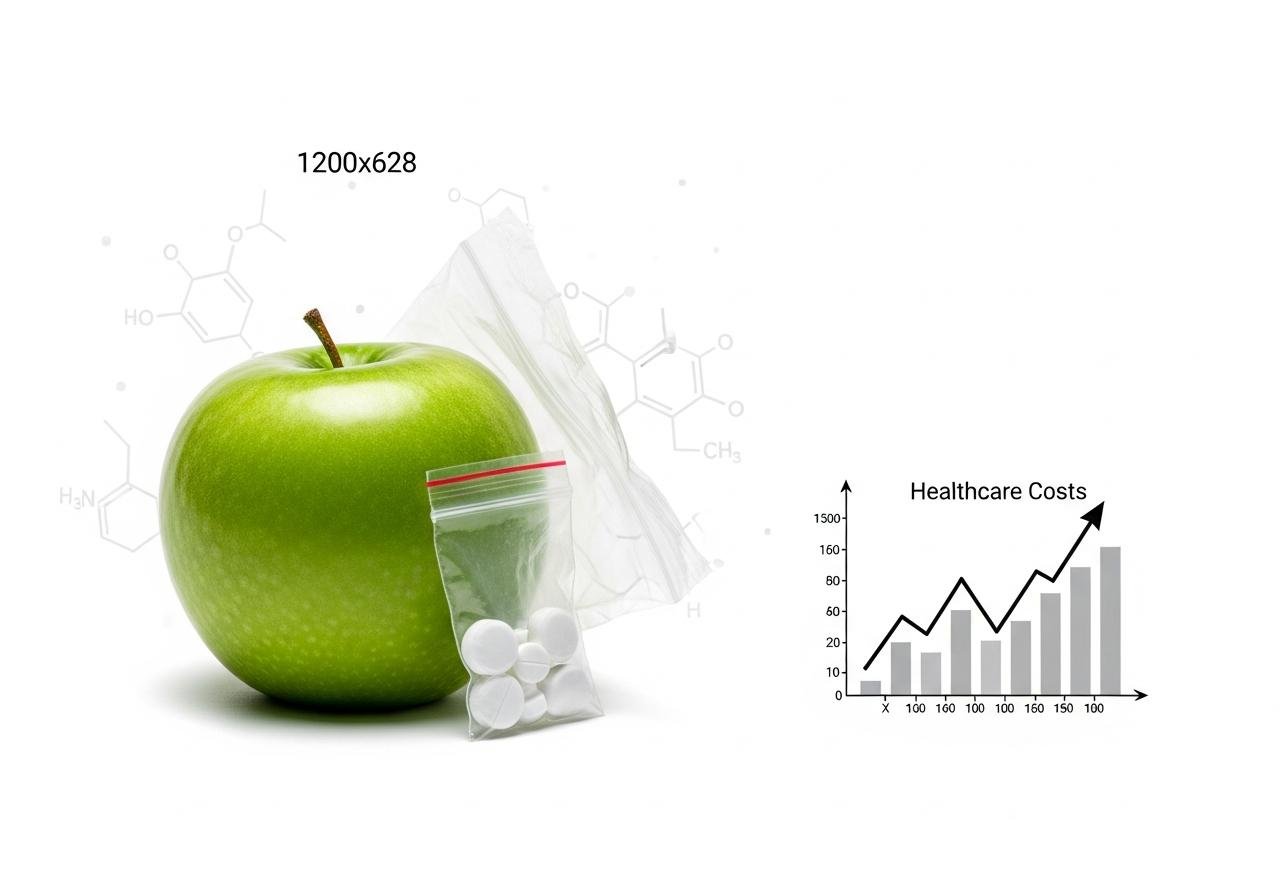
A recent global report paints a staggering picture: synthetic chemicals in our food system may be responsible for an annual health cost of around $2.2 trillion. That’s more than the GDP of countries like Italy or Canada — spent, indirectly, on medical bills, lost productivity, and early mortality tied to chemical exposure. It’s a financial toll hiding behind the convenience of packaged meals and industrial-scale agriculture.
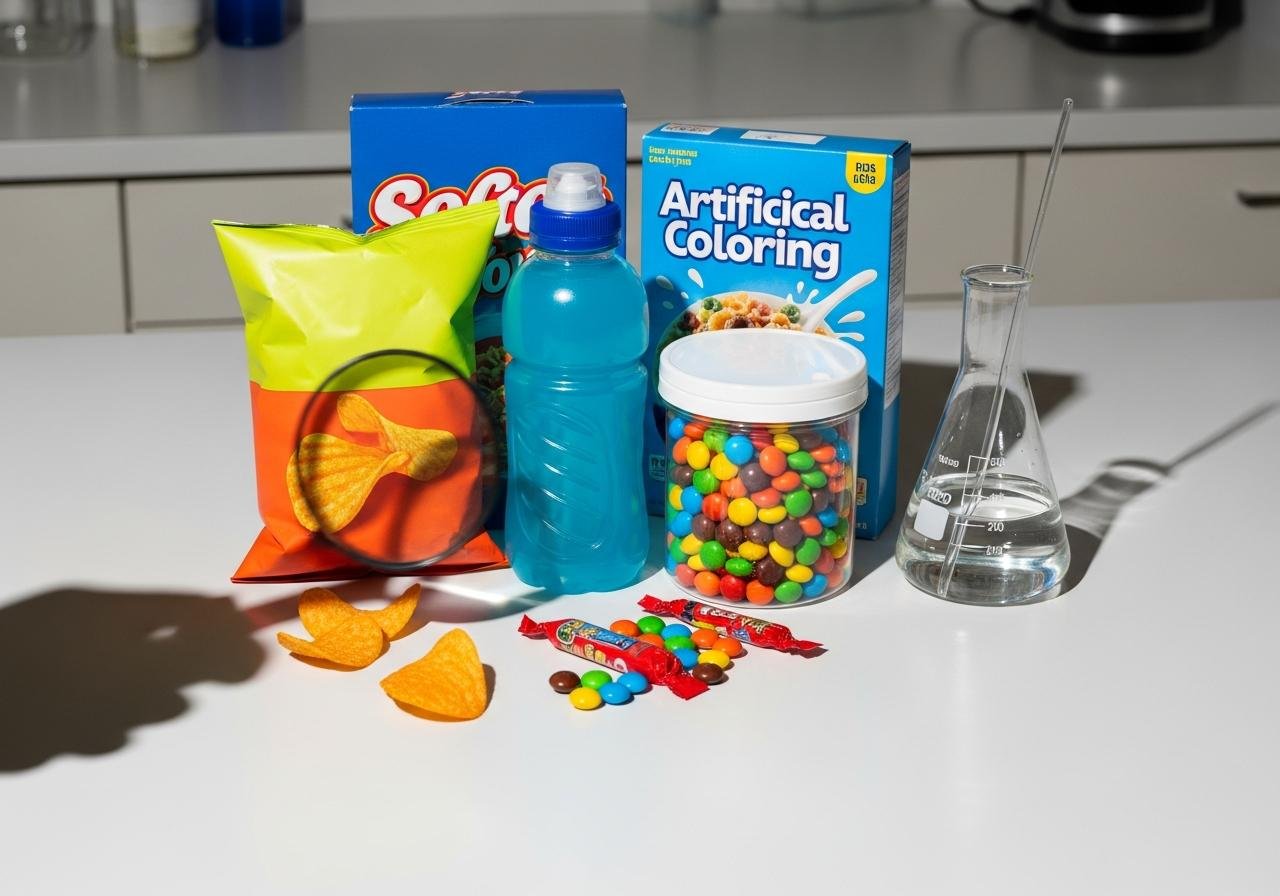
Health Implications of Synthetic Chemicals in Foods
Many of these chemicals work their way into our bodies through tiny, consistent doses. Pesticides, for example, are designed to kill pests — yet, in trace amounts, they also disrupt human endocrine systems, the body’s hormonal command center. Certain preservatives have been linked to hyperactivity in children, while plasticizers used in packaging, like phthalates and bisphenols, have shown associations with obesity, infertility, and even developmental delays. Click here to explore recycling practices in the fashion industry to see how synthetic chemicals affect other sectors as well.
One of the more concerning categories is “forever chemicals,” or PFAS, used to keep food packaging grease-resistant. Studies have connected PFAS exposure to cancer, thyroid disease, and immune dysfunction. Scientists are still unpacking just how these compounds interact within us, but the consensus is clear: we’ve underestimated their staying power — both in our environment and in our bodies.
Regulatory Landscape and Challenges
Governments have rules on what’s safe to eat — the United States regulates additives through the FDA, and the UK follows strict Food Standards Agency guidelines. But the system has gaps. Many chemicals currently approved were cleared decades ago, under criteria that now seem outdated. Regulators face an uphill battle: new substances appear faster than testing can keep up, and industry influence sometimes blurs the line between science and lobbying.
Enforcement also varies widely. The European Union, for example, tends to take a “precautionary principle” approach — banning substances until proven safe — while the U.S. often allows use until proven dangerous. That difference, subtle on paper, has real consequences in supermarket aisles (and therefore on our bodies in the US).
Case Studies: Real-world Impact of Synthetic Chemicals
Consider the case of PFAS contamination in the U.S. Midwest, where dairy farms were unknowingly producing milk tainted with “forever chemicals” leaching from nearby industrial waste. Local consumers reported higher rates of thyroid disorders and reproductive issues, sparking lawsuits and a nationwide debate about food packaging safety.

Solutions and Alternatives for a Sustainable Food System
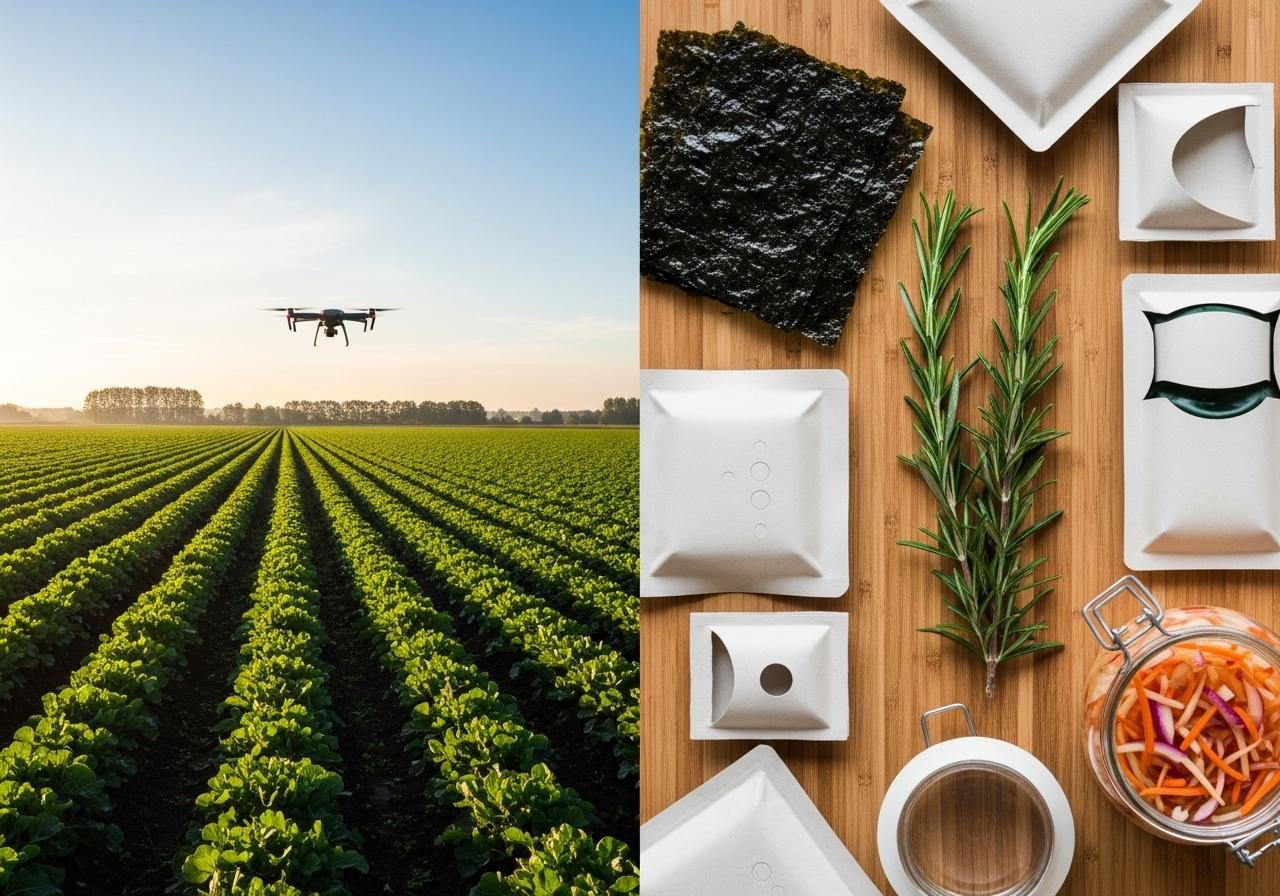
Thankfully, innovation is reshaping the way we think about food safety and sustainability. Organic farming — often criticized for lower yields — is gaining new momentum thanks to precision agriculture and soil-restoring practices that reduce the need for synthetic chemicals. Natural preservatives derived from seaweed, rosemary, and even fermented vegetables are emerging as cleaner alternatives to synthetic additives.
Technology is also lending a hand. AI-driven farm management systems help farmers apply fertilizers more precisely, cutting back on chemical waste. Food companies are investing in biodegradable packaging that doesn’t rely on PFAS, while startups are producing plant-based antimicrobial coatings that keep produce fresh without synthetic preservatives. It’s a quiet revolution, but one that could redefine how “processed food” looks in the next decade.
Role of Public Awareness and Advocacy
Public awareness is proving to be one of the strongest catalysts for change. Campaigns calling for transparency in ingredient labeling and stricter chemical testing have pushed corporations to reformulate products and governments to revisit their safety thresholds. Consumers, armed with information, are asking tougher questions and choosing brands that commit to cleaner ingredients. Discover how data and analytics in waste management also empower consumers with valuable information.
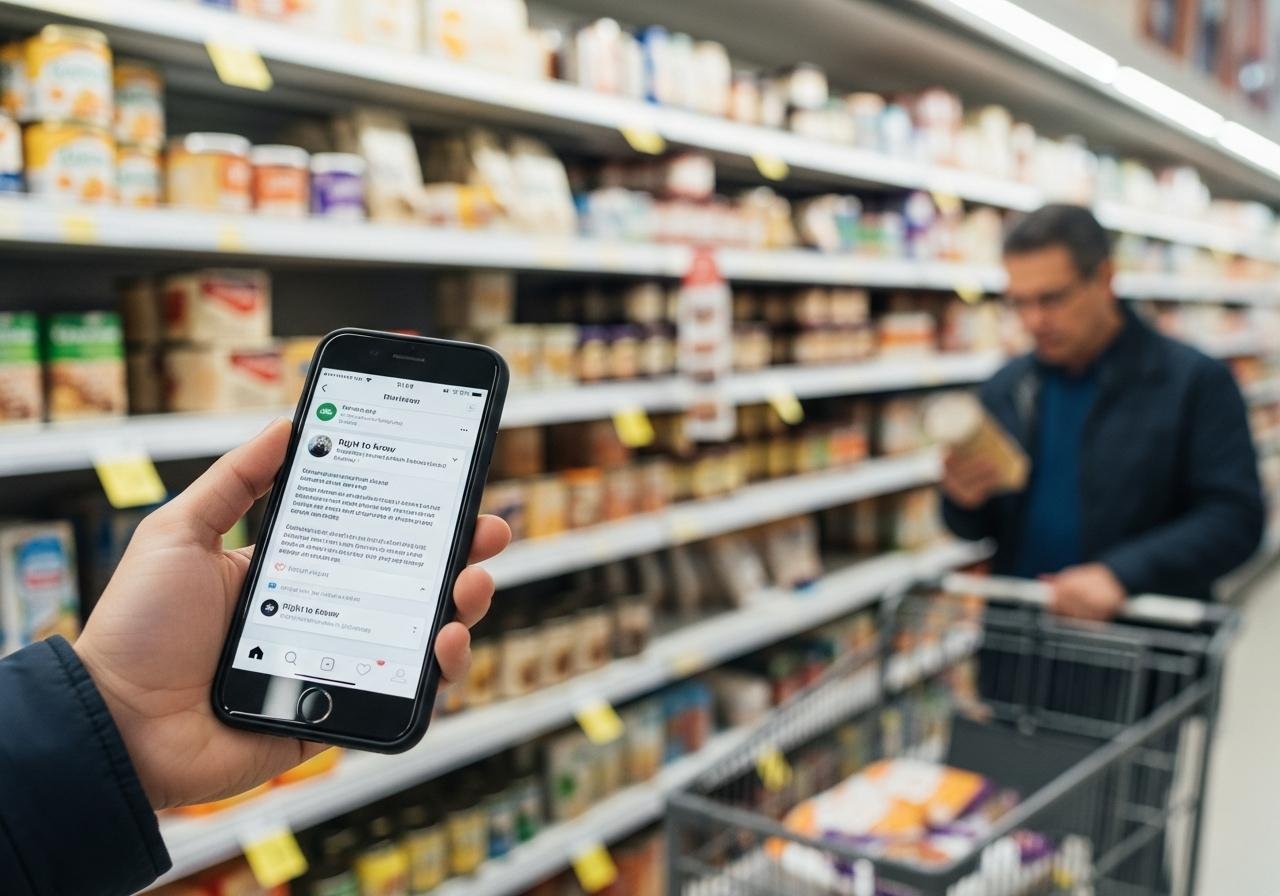
Movements like “Right to Know” in the U.S. and “Cleaner Food Future” in the UK are expanding this momentum. And every small act — from reading labels to supporting policy petitions — helps reinforce the demand for a food system that values long-term well-being over short-term profits.
Future Outlook: Strategies for Reducing Chemical Burden
The path forward isn’t simple, but it’s promising. Scientists are developing rapid screening tools to identify hazardous chemicals before they hit store shelves. Policymakers are working on international frameworks to align safety standards, cutting down on loopholes that let risky compounds slip through. And more food companies are recognizing that sustainability and profitability no longer have to be at odds.
FAQs
1. What does the report say about synthetic chemicals in the food system?
The report states that synthetic chemicals used throughout the food system—from farming to food packaging—are contributing to a global health burden estimated at $2.2 trillion per year.
2. Which chemicals are considered harmful?
Common harmful chemicals include pesticides, industrial fertilizers, plasticizers (like BPA), PFAS (“forever chemicals”), artificial additives, and preservatives that can accumulate in the body over time.
3. How do these chemicals affect human health?
Exposure to synthetic chemicals is linked to various health issues, including hormone disruption, cancers, reproductive problems, obesity, neurological disorders, and weakened immune systems.
4. Where do these chemicals enter the food system?
They can enter through:
-
Crop pesticides and fertilizers
-
Food processing additives
-
Packaging materials (plastic containers, coatings)
-
Contaminated soil and water used in agriculture
5. Why is the economic burden so high?
The $2.2 trillion figure includes medical costs, lost productivity, disability, and long-term care associated with diseases linked to chemical exposure.
This article is for informational purposes only.
The post Synthetic chemicals in food system creating health burden of $2.2tn a year appeared first on Green.org.


