
Takeout is now a core part of how restaurants serve customers. From quick-service counters and fast-casual concepts to full-service restaurants, grocery prepared foods, delis, and catering programs, meals are often enjoyed somewhere beyond the dining room. That means the customer experience continues long after the food leaves the kitchen.
For operators, choosing the right takeout packaging for restaurants is a performance decision. Packaging affects how food travels, how it looks when opened, how well it holds temperature, and how confidently customers can carry, reheat, or enjoy the meal. The best restaurant takeout containers do more than hold food. They help protect the meal from the kitchen to the customer.
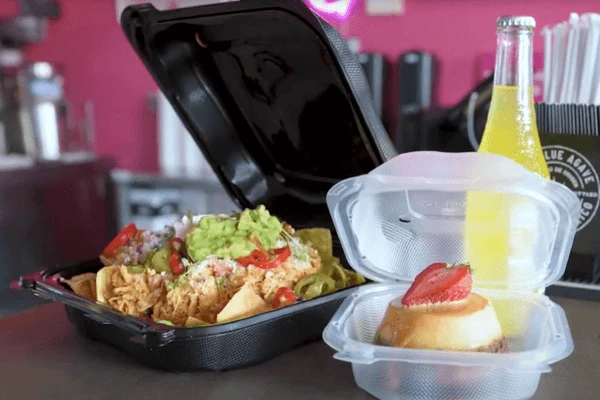
Start With the Restaurant Format
Different restaurant operations need different packaging solutions. A quick-service restaurant serving burgers, chicken sandwiches, fries, nuggets, tacos, wraps, and combo meals needs packaging that supports speed. Containers should be easy to fill, close, stack, and hand off during busy service periods. For hot and crispy items, venting and moisture control are especially important.
Fast-casual restaurants often build meals around grain bowls, rice bowls, salads, pasta bowls, grilled proteins, sauces, and toppings. These meals depend on presentation and structure. A bowl that looks fresh on the line should still look fresh when the customer opens it.
Full-service restaurants have to translate plated menu items into off-premises meals. Pasta, seafood, steak, roasted chicken, appetizers, sides, and desserts need packaging that helps preserve meal quality, reduce leaks, and support a more polished takeout experience.
Deli, grocery, and grab-and-go programs rely heavily on visibility. Sandwiches, wraps, salads, fruit, snacks, cold prepared meals, and heat-and-eat items should be easy to see, identify, stack, and carry. In these environments, packaging has to protect the food while also helping it sell.
Catering and large-order takeout require packaging that can handle volume. Family meals, boxed lunches, office orders, and party trays need containers that stack securely, travel well, and help staff keep orders organized.
Match the Container to the Food
Understanding what to look for in restaurant takeout packaging starts with how well the container matches the food itself. Hot foods, cold foods, crispy foods, saucy foods, and fresh foods do not all perform the same way in transit.
Crispy foods need airflow. Fries, fried chicken, toasted sandwiches, and breaded appetizers can lose texture when steam is trapped inside the package. Saucy foods need strong closures and leak resistance. Wings, pasta, barbecue, curries, grain bowls, and salads with dressing can quickly create a poor experience if the container does not stay secure.
Hot entrées need durability and, in many cases, microwave-safe convenience. Cold foods need freshness and visibility. Bowls and salads need depth, lid security, and enough space to protect the build of the meal. Large orders need containers that can stack and transport efficiently.
The packaging question should not only be, “What size container fits this item?” A better question is, “What does this food need to do before the customer eats it?”
Prioritize Leak Resistance, Venting, and Stackability
Takeout packaging has to perform in real conditions. A meal may sit on a pickup shelf, ride in a delivery bag, shift in a car, or wait several minutes before being opened. That is why core performance features matter.
Leak resistance helps protect the food, the bag, the delivery area, and the customer experience. It is especially important for restaurants serving sauces, dressings, juices, oils, soups, or hot entrées.
Venting helps manage steam and moisture. For hot foods, a vented lid can help reduce condensation and support better texture during transport.
Stackability supports both the kitchen and the customer. Behind the counter, stackable containers can help with storage, order staging, and rush-period efficiency. During delivery or catering, they help keep multiple meals organized and easier to transport.
For everyday hot and cold takeout, Clover™ hinged containers are a strong example of packaging built around practical performance. Clover containers are designed to be leak-resistant, stackable, suitable for hot and cold food applications, and able to support meals that need to travel well.
Make Presentation Part of the Decision
For takeout, the package often becomes the plate. Before customers taste the food, they see how it was packed. A container that protects presentation can help make off-premises dining feel more intentional, professional, and connected to the restaurant brand.
Presentation matters for premium entrées, pasta, seafood, composed meals, salads, bowls, deli foods, and prepared meals. Clear lids help customers see the food and can help staff confirm order accuracy before handoff. A strong base can frame the meal and make the food look more finished.
For meals where visibility matters, ProView™ hinged containers are designed with a clear, vented top and black base to showcase food while supporting portability and freshness. This type of format can work well for operators who want takeout meals to look closer to an in-house dining experience.
Support High-Volume Takeout, Catering, and Prepared Foods
Packaging also needs to work for the people packing the orders. During peak hours, staff need containers that are easy to store, grab, fill, close, label, stack, and move. If packaging slows down the line, it affects the entire operation.
For catering, retail prepared foods, and high-volume off-premises dining, two-piece containers can support portioning, visibility, and transport. Smart2Go containers are designed for applications where operators need stackability, leak resistance, clear content identification, and efficient storage and transportation.
For deli, grocery, and grab-and-go programs, visibility and freshness are especially important. AD Deli containers help display salads, sides, snacks, and prepared foods while supporting a secure, leak-resistant closure. In retail-style foodservice, packaging has to protect the item and make it easy for customers to choose.
Balance Sustainability With Performance
Sustainability is an important part of the packaging conversation, but it still has to work for the food. Operators should consider whether a container is suitable for hot or cold items, whether it can handle grease or moisture, whether it stacks well, and whether it fits the way customers will carry, store, or reheat the meal.
For restaurants looking at fiber-based options, Harvest® Fiber products are designed to combine sustainability considerations with practical foodservice performance. The right choice depends on the menu, service model, customer expectations, and local disposal options.
Know Your Local Packaging Requirements
Packaging regulations continue to evolve across the U.S. and Canada, with some states and provinces restricting or prohibiting certain foodservice packaging materials. Before selecting containers, it’s important to understand the requirements in the markets you serve, whether that’s limits on specific materials, recycled content mandates, or labeling requirements. Staying informed helps ensure your packaging not only protects your food and supports your operation, but also complies with local regulations.
Choose Packaging That Protects the Whole Experience
The right takeout packaging helps protect more than the meal. It supports speed in the kitchen, accuracy at handoff, presentation in transit, and customer satisfaction when the container is opened.
For restaurant operators, the strongest packaging choices start with the food: how it is prepared, how it travels, and how customers expect to enjoy it. When packaging is selected around performance, it becomes part of the restaurant experience—not just the container it comes in.
Explore Genpak’s restaurant packaging solutions and delivery and takeout containers to find formats designed for hot meals, cold prepared foods, grab-and-go programs, catering, and delivery-ready operations.
The post What Restaurant Operators Should Look for in Takeout Packaging appeared first on Genpak.


