
Agriculture technologies that capture carbon are well understood, including how to scale them, but a lack of funding and policy clarity is minimizing their impact.
A panel at the Spark V5 event put on by the Grand River Agricultural Society gave a frank assessment of investor and farmer confidence in everything from biogas to cover crops.
There’s a lack of connection between the many carbon-related projects in Canada and around the world, says Barb Swartzentruber, senior advisor at the Canadian Alliance for Net Zero Agri-food (CANZA).
“There are a lot of pilots. They are not connected. So you could say it’s happening at scale in other places around the world; it’s not yet happening at scale in Canada,” she said as part of the Spark V5 event, which brings together technology companies, funders, academia and the agriculture sector for an annual event at Elora.
That lack of connection means that farmers, organizations and project developers have to go through many levels of applications to access carbon markets, navigating multiple convoluted systems to make a carbon project achieve funding.
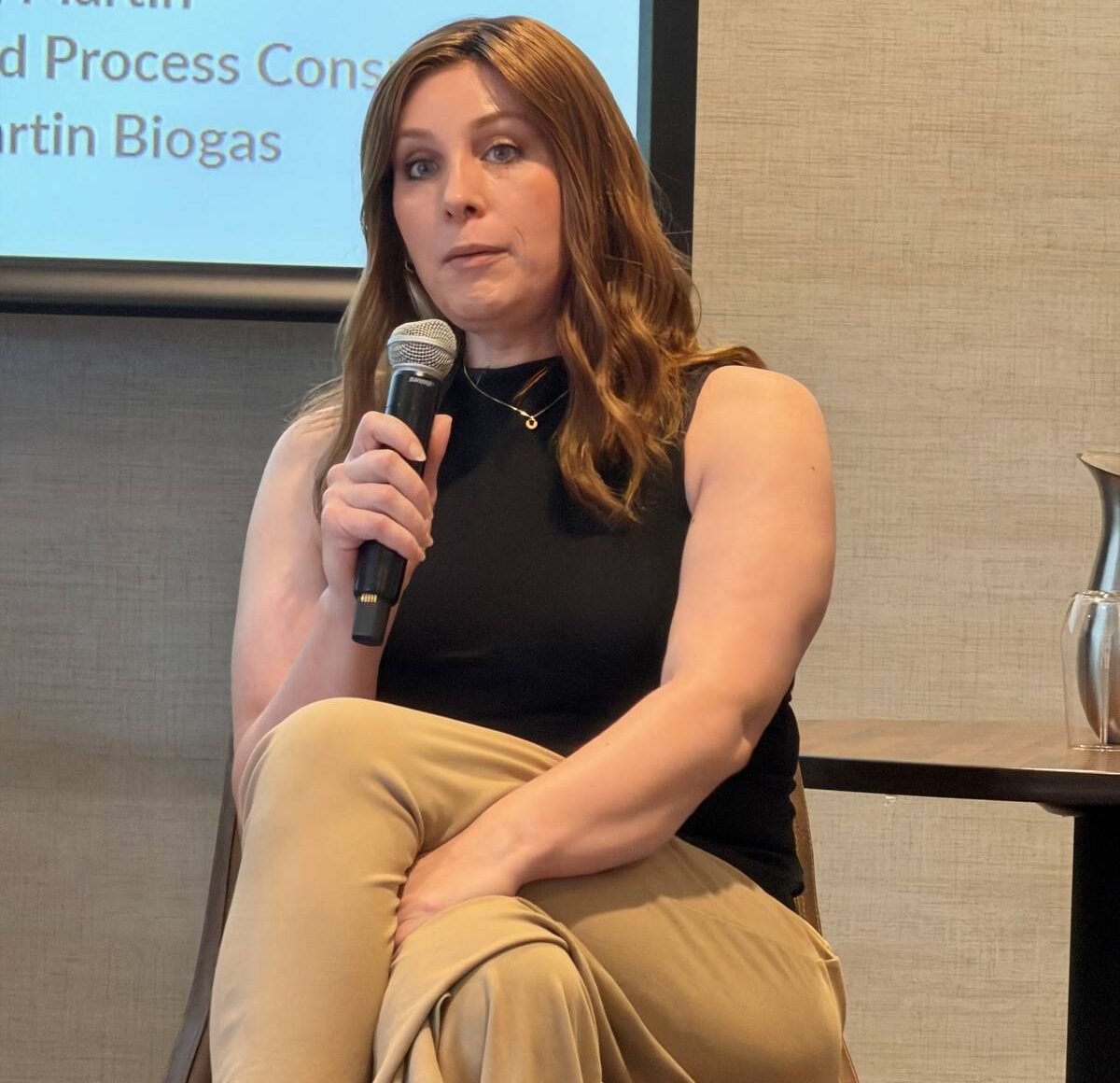
Carbon markets at least show some promise of creating economic incentives for carbon projects, said Deanna Martin, who runs her own biogas consulting company. Biogas digesters have a product to sell — the gas which can be used to create electricity or scrubbed and put into the natural gas grid or used to fuel equipment — but with carbon modelling and carbon markets, there are other options to make money.
There are thousands of biogas digesters operating around the world, said Steve Kehoe, director of energy transition and sustainability services at BMO Capital Markets.
Biogas is “one thing that is working at scale right now, not as quickly or as much as we would like to see, but it is still the one thing I would say is a is really active right now,” he said. “The issue is who is going to pay for it.”
Carbon markets have not yet put a reliable price on carbon, said Christoph Wand, livestock sustainability specialist with OMAFA.
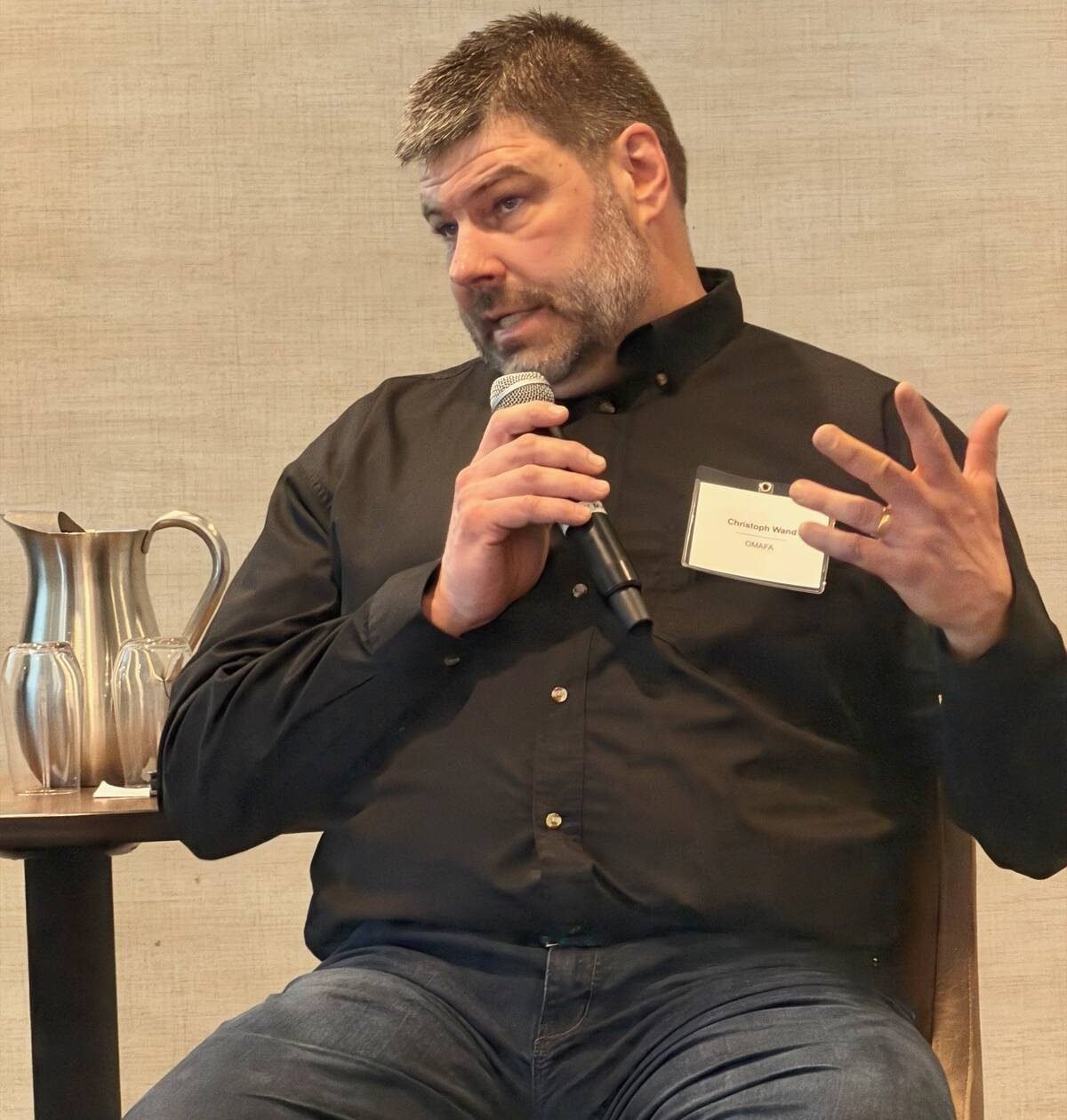
“One of my colleagues, a student, pointed out one day that you can’t have a market without a price,” he said. “Really, on the emission side, there’s no way for farmers to participate at this point in time.”
Some farmers might be motivated to reduce their carbon emissions, but there’s no market-based incentive for them to do so.
Transient policy is another problem in the long-term creation of an economic incentive to reduce carbon emissions from farms.
A program may last only three years and then a farmer is left with no more economic incentive. A government might change and program focus evolves.
Swartzenturber says CANZA is creating an environmental outcomes marketplace, which was identified as a missing middle piece of infrastructure to connect farmers and people who want to pay them for farm practices and outcomes.
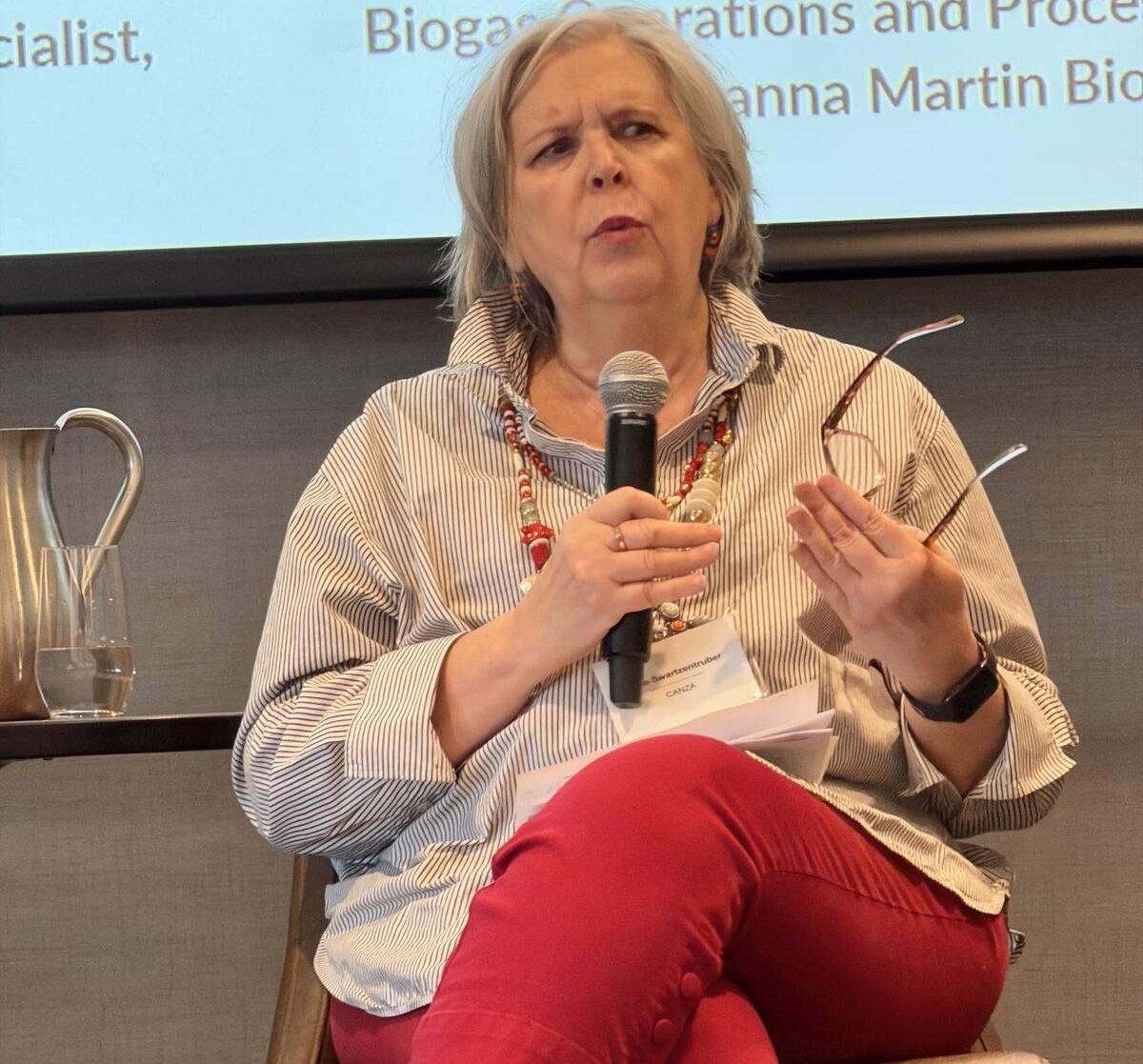
“We do see examples around the world where it is working, but it’s very nascent in Canada.”
The bottom line for carbon capture is that someone has to pay for it and the broader marketplace isn’t seeing a place where that works.
In biogas, which is the most mature carbon reduction technology for farms, Kehoe says investors are still not seeing a return.
“The cost to produce it can be anywhere from, say, $10 at the low end for landfill gas to $30 per gigajoule for cattle-based manure. They say, who in their right mind is going to pay that?”
There are other revenue streams from digesters, such as the digestate, the water and the carbon dioxide, which can help it make sense, but Kehoe said the future is likely spreading the higher cost for biodigester fuel across the many times larger natural gas market.
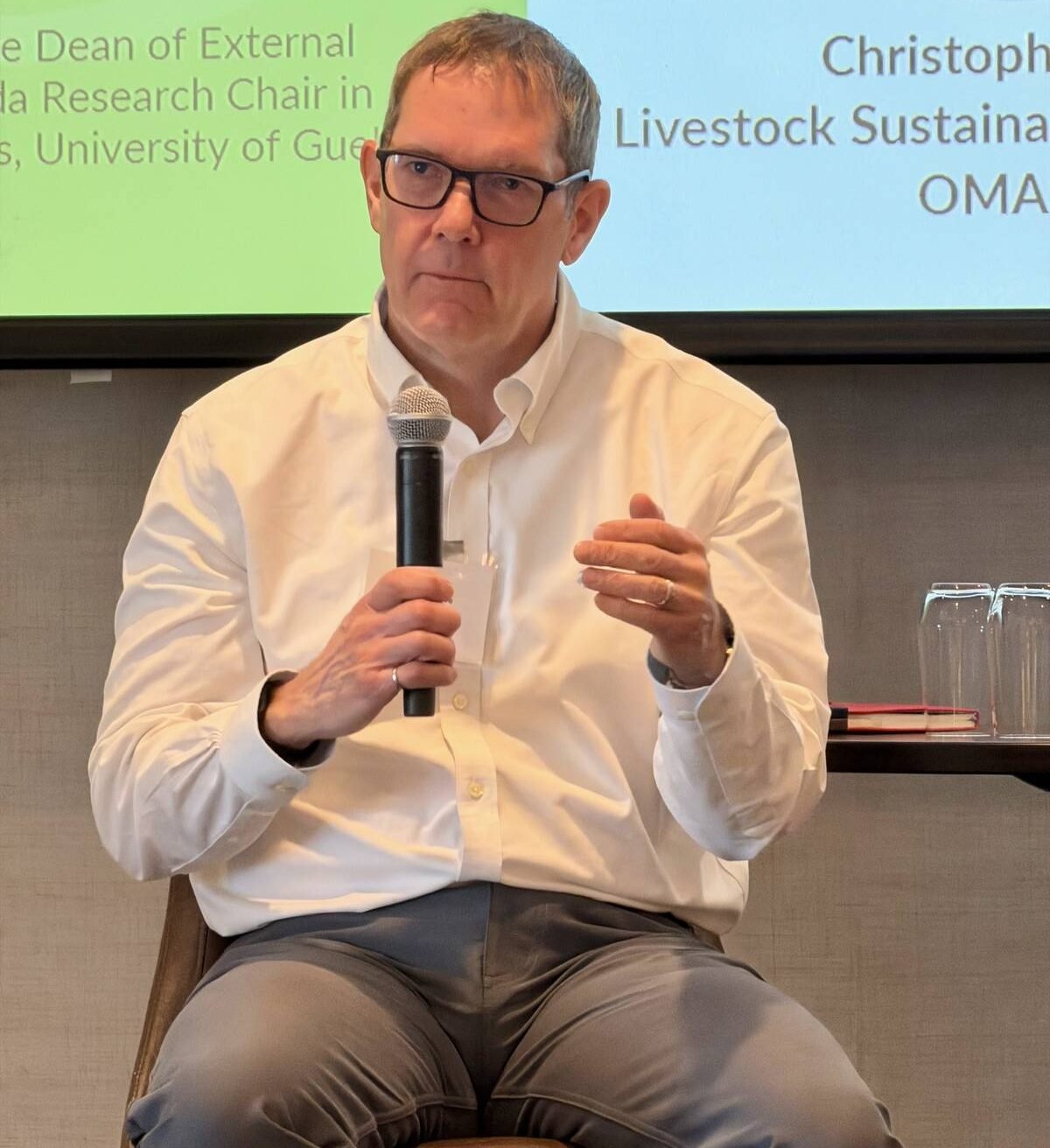
Biofuels, at capacity, with every bit of agriculture, forestry and landfill residue used, could only supply about two to five per cent of the natural gas market, he added.
“But it’s got a big impact on greenhouse gas emission reductions,” because methane is a significant greenhouse gas.
And even if there were markets for carbon emissions, measurement continues to be challenging in a complex biological system.
“We just don’t know how to account for the fact that actual carbon is being sequestered,” said Swartzentruber. “So farmers don’t get the cheques, buyers don’t get the proof and you don’t have a marketplace that’s viable.”
The post What’s holding back the market for farmers’ carbon-capturing services? appeared first on Farmtario.


