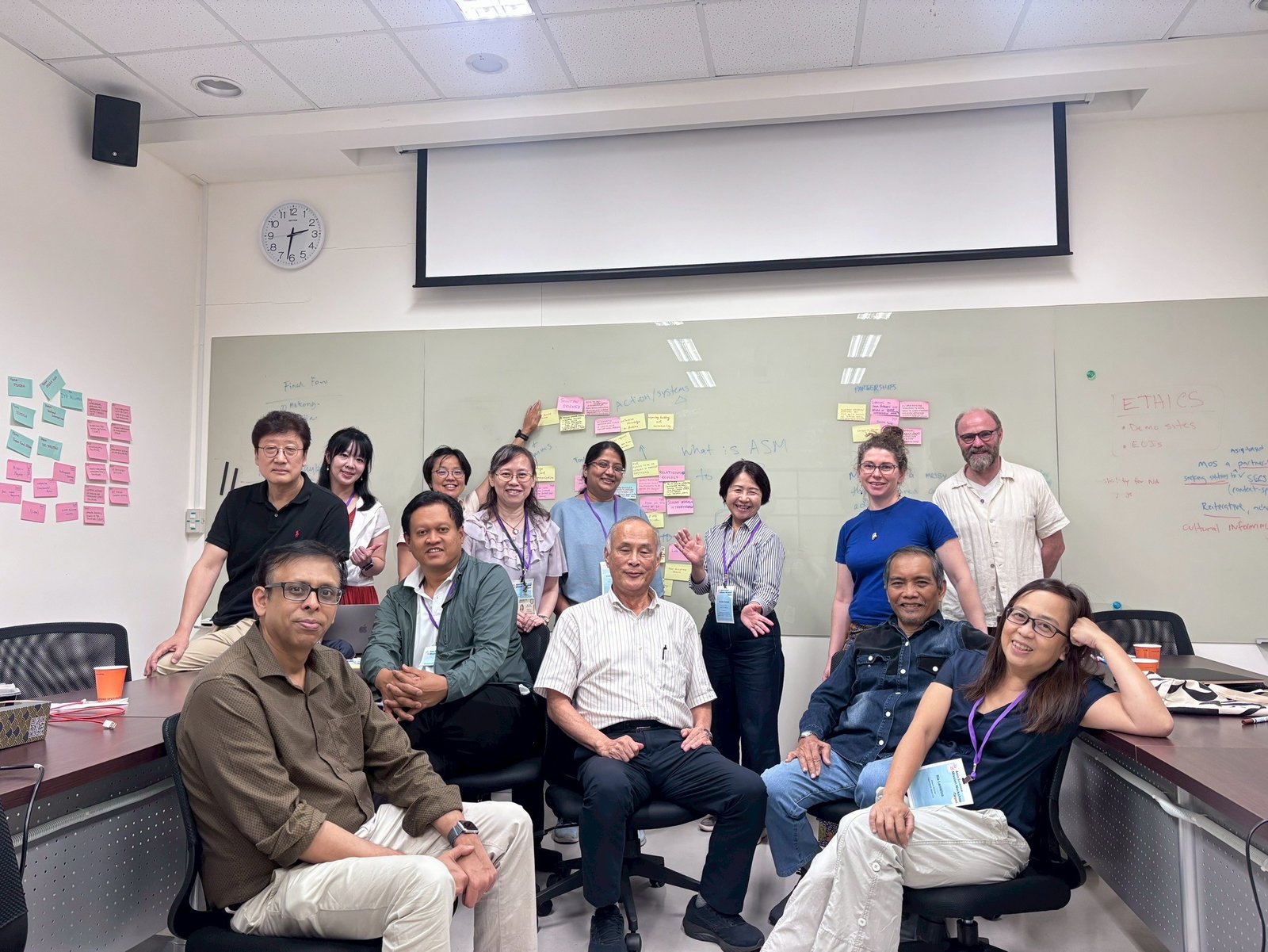
Researchers from across Asia gathered in Taipei to shape the future of the Asia Science Mission, a new regional effort to connect science with real-world sustainability action. Hosted by Academia Sinica and Future Earth Taipei, the workshop marked an important step in building a shared research framework to support communities and ecosystems across the region.
The Future Earth Asia consortium for the Asia Science Mission (ASM) held a productive regional workshop in Taipei from September 15–17, 2025. Hosted by Academia Sinica and Future Earth Taipei, the event brought together representatives from Future Earth National Committees in Australia, Korea, Japan, the Philippines, South Asia, Taipei, and Thailand. Participants also included members of key research networks such as SIMSEA and Water Future, as well as the Research Institute for Humanity and Nature.
The workshop focused on shaping a practical, regionally grounded framework for the Asia Science Mission, one of two pilot initiatives under the International Science Council’s (ISC) Science Missions for Sustainability. The ASM aims to mobilize transdisciplinary research and foster shared learning across borders by building on Asia’s strong scientific networks and local expertise. The initiative is also endorsed by UNESCO as a Project of the International Decade of Sciences for Sustainable Development (IDSSD).
Key Highlights from the Workshop
-
Co-designing mission-oriented science: Participants explored how scientific research can better inform real-world decisions by connecting measurement with action in diverse local contexts.
-
Introducing the SES Intelligence approach: The consortium shared its emerging Socio-Ecological Systems (SES) Intelligence framework. This approach is designed to support transparent, comparable, and adaptive learning across research sites and communities.
-
Refining operational plans: Discussions also focused on practical elements for the Mission’s implementation, including collaboration models, open knowledge practices, and pilot site coordination.
These outcomes are helping to prepare the ASM for its next phase — the launch of two pilot initiatives that connect applied research with decision-making on the ground. These pilots aim to generate tangible benefits for both communities and ecosystems across the region.
The pilot phase is supported by the ISC Regional Focal Point for Asia and the Pacific, funded by the Australian Department of Industry, Science and Resources.
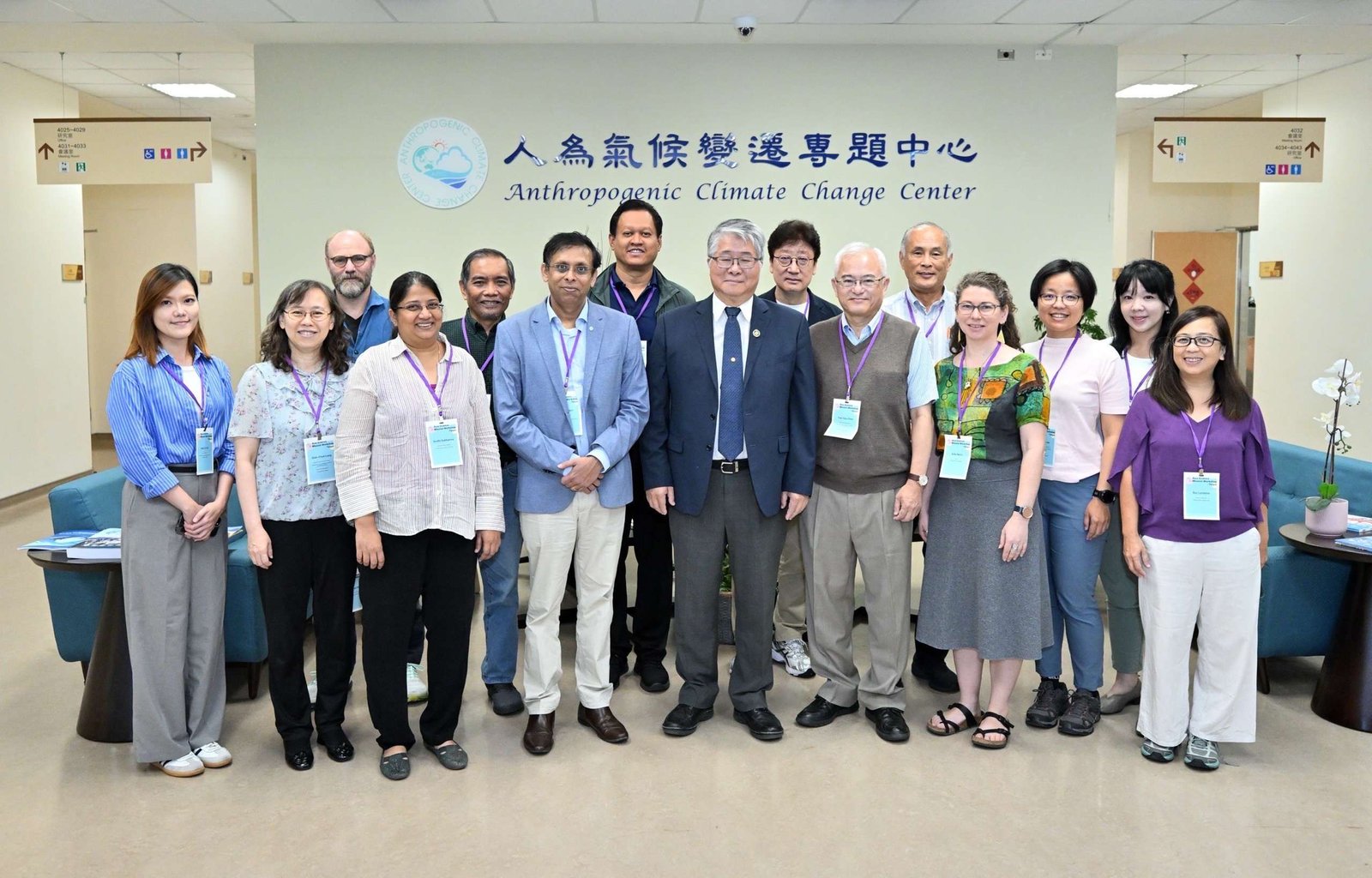
The workshop focused on shaping a practical, regionally grounded framework for the Asia Science Mission, one of two pilot initiatives under the International Science Council’s (ISC) Science Missions for Sustainability. The ASM aims to mobilize transdisciplinary research and foster shared learning across borders by building on Asia’s strong scientific networks and local expertise. The initiative is also endorsed by UNESCO as a Project of the International Decade of Sciences for Sustainable Development (IDSSD).
Key Highlights from the Workshop
-
Co-designing mission-oriented science: Participants explored how scientific research can better inform real-world decisions by connecting measurement with action in diverse local contexts.
-
Introducing the SES Intelligence approach: The consortium shared its emerging Socio-Ecological Systems (SES) Intelligence framework. This approach is designed to support transparent, comparable, and adaptive learning across research sites and communities.
-
Refining operational plans: Discussions also focused on practical elements for the Mission’s implementation, including collaboration models, open knowledge practices, and pilot site coordination.
These outcomes are helping to prepare the ASM for its next phase — the launch of two pilot initiatives that connect applied research with decision-making on the ground. These pilots aim to generate tangible benefits for both communities and ecosystems across the region.
The pilot phase is supported by the ISC Regional Focal Point for Asia and the Pacific, funded by the Australian Department of Industry, Science and Resources.