

We scroll every day through headlines, social media posts, and breaking news alerts. But how do we know what is true and what’s not?
In recent years, misinformation and disinformation have become major global issues. They shape public opinion, influence elections, affect public health, and increasingly impact how people understand the climate crisis.
So what exactly do these terms mean? And why should environmental advocates care?
What Is Misinformation?
Misinformation is a false or misleading information that is shared without the intent to deceive.
The person sharing it may believe it is true. They may not realize that the data is outdated, taken out of context, or manipulated. Misinformation often spreads quickly because it confirms existing beliefs or triggers strong emotions.
The harm may not be intentional, but the consequences can still be serious.
What Is Disinformation?
Disinformation is different.
Disinformation is false information that is created and spread intentionally to mislead people.
It is strategic. It is often organized. And in many cases, it is funded.
Disinformation campaigns are designed to create confusion, delay action, protect profits, or weaken public trust. They are not random mistakes. They are calculated efforts to shape public opinion.
Understanding this distinction matters because responding to misinformation requires education and critical thinking. Responding to disinformation requires investigation, accountability, and systemic change.
How false information has real world consequences?
Misinformation and disinformation are not just online noise. They shape how people think, vote, spend money, and react to crises.
When false claims about vaccines spread, fewer people get vaccinated. When vaccination rates drop, preventable diseases can return. This puts vulnerable people at risk. In this case, misleading information directly affects public health.
When false claims about election results are repeated again and again, trust in democracy weakens. In the United States, repeated false claims about the 2020 election increased distrust and helped fuel the January 6 attack on the US Capitol. Disinformation did not just confuse people. It pushed some people to act.
These examples show something important. Information shapes behaviour. Behaviour shapes society.
If enough people believe something that is not true, public opinion can shift. Policy decisions can be delayed. Institutions can become unstable.
The same dynamic applies to the environment.
What does misinformation have to do with the environment?
The climate crisis is one of the most documented scientific issues in history. For decades, scientists have shown that climate change is mainly caused by human activities, especially the burning of fossil fuels.
Yet public understanding has often lagged behind the science. Why?
Because some companies and groups worked to create doubt.
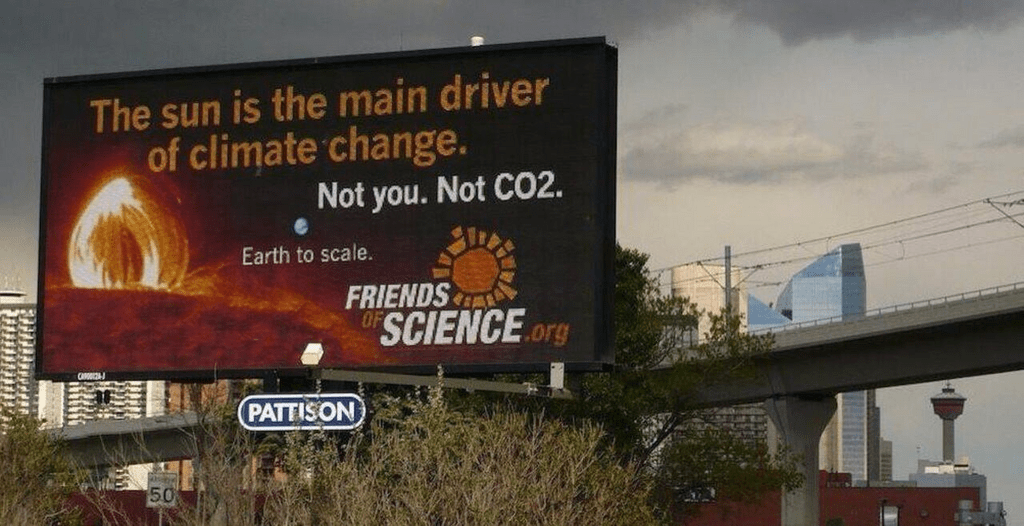
Documents have shown that certain fossil fuel companies were aware of the risks of climate change as early as the 1950s. Instead of warning the public, some funded campaigns that questioned whether climate change was real or human caused.
The goal was not always to convince everyone that climate change was fake. The goal was to create enough doubt to delay regulation and maintain business as usual.
These disinformation efforts slowed climate action and created confusion that still affects public debate today.
Today, the strategy has evolved.
Instead of directly denying climate change, some narratives present fossil fuel expansion as responsible or necessary. Climate friendly language can be used to hide the real environmental impact of projects. Messaging may focus on national pride, energy security, or economic fear to shift attention away from emissions and biodiversity loss.
More recently, false claims about renewable energy, electric vehicles, and climate policies have spread widely online. Some exaggerate costs, distort data, or misrepresent scientific findings.
The problem has become so serious that the United Nations has launched an initiative focused on climate disinformation, recognizing that misleading information can undermine global climate action.
It goes far beyond environmental organizations. In 2024, United Nations Secretary-General António Guterres warned that “coordinated disinformation campaigns are impeding global progress on climate change, ranging from outright denial to greenwashing to harassment of climate scientists.” His remarks underscore that climate misinformation is not just a communications challenge. It is a serious global obstacle to effective climate action.
When misinformation spreads, it slows progress. It protects polluters. And it makes it harder for communities to demand real solutions.
What can you do
You do not need to be an expert to fight misinformation. Small actions can make a big difference.
Here is how you can help:
1. Pause before you share
If something makes you feel angry or shocked, take a moment before sharing it. Emotional posts are often designed to spread quickly.
2. Check more than one source
Do not rely on just one article or social media post. Look for confirmation from trusted and independent sources.
3. Ask who Benefits
Think about who gains from the message. Does it protect polluters? Does it create doubt about climate science?
4. Be careful of simple answers
Climate change is complex. Be cautious of claims that make it seem overly simple.
5. Support organizations doing the work
Greenpeace Canada is expanding its work to investigate environmental misinformation and disinformation, track emerging narratives in real time, and develop tools to help people recognize and resist manipulation.
Join our mailing list to stay updated on our investigations into environmental misinformation and our campaigns to hold polluters accountable.
Protecting the climate also means protecting the integrity of information.
Because without reliable information, meaningful action becomes much harder.


