
.
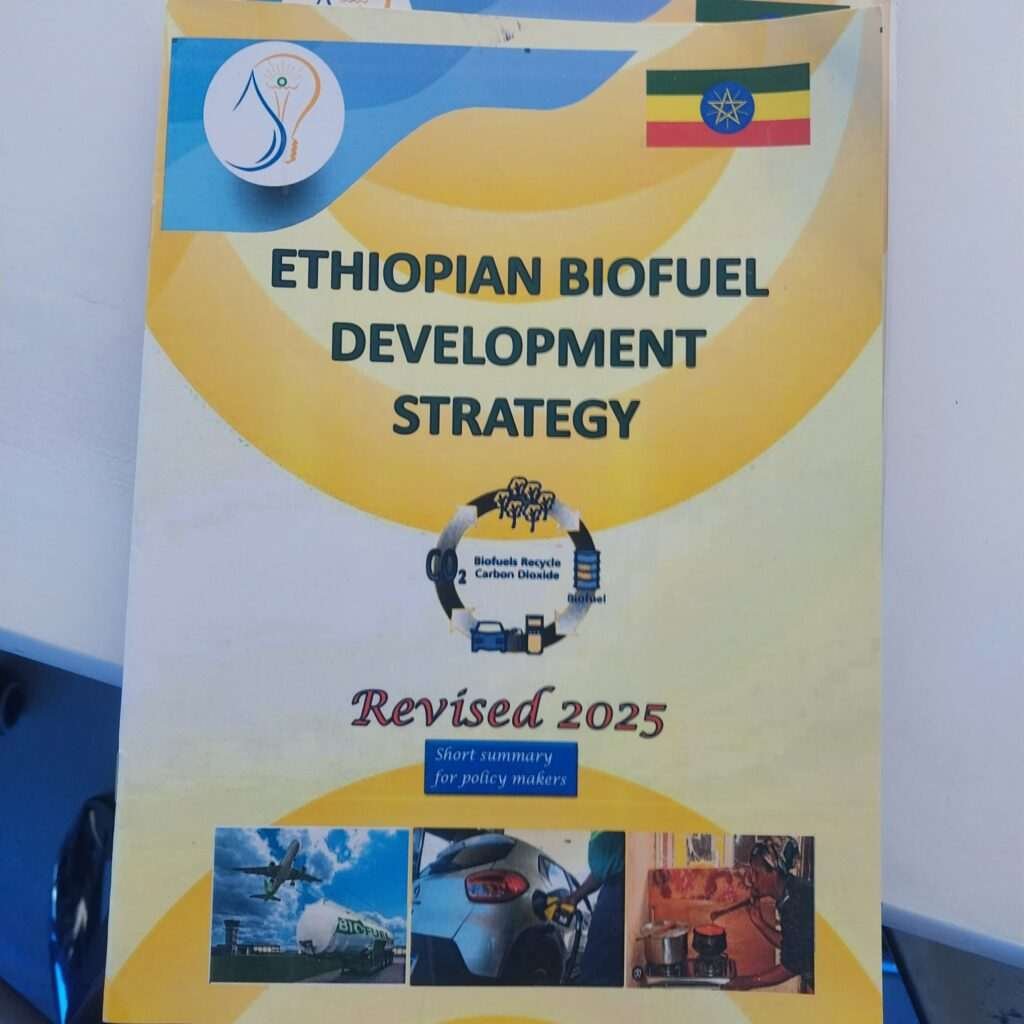
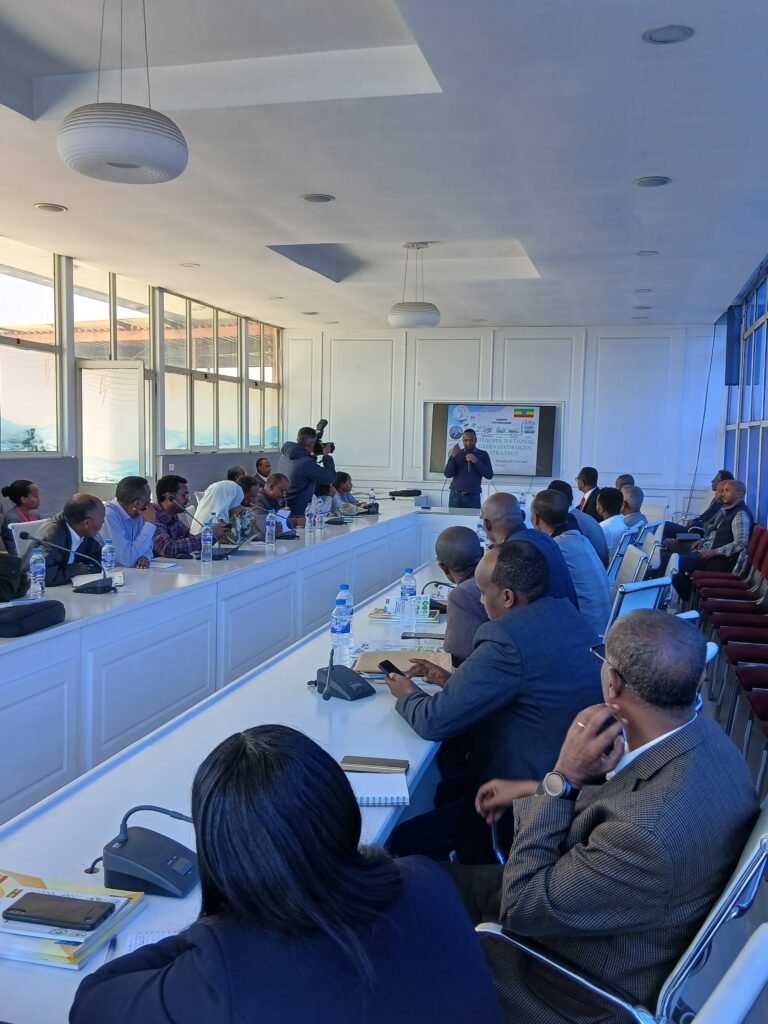
On 23 June 2025, in collaboration with RSB, the Ministry of Water and Energy of Ethiopia officially launched the country’s revised biofuel strategy at a national workshop in Addis Ababa. This strategy sets a new direction for the country’s sustainable energy ambitions and reduced dependence on fossil fuels.
The event was opened by His Excellency Dr. Eng. Sultan Wali Ahmed, State Minister for the Energy Sector, who emphasised the strategic importance of renewable energy generation. While Ethiopia has the technical capacity to generate 150 gigawatts of renewable power from hydropower, solar, wind, and hydrogen sources, current utilisation stands at just 6.4 GW – primarily from hydropower. The revised strategy seeks to address this gap by advancing the role of sustainable biofuels in the country’s energy mix.
RSB worked in close collaboration with the Ministry of Water and Energy to lead the revision of the strategy over the past year. Through a technical committee composed of government ministries, research institutions, and regulatory agencies, the process incorporated lessons learned from the implementation of Ethiopia’s initial biofuel strategy in 2007, as well as international best practices.
The updated strategy sets out a clear roadmap to reduce fossil fuel imports, strengthen domestic energy production, and support the country’s development goals. It includes specific targets for the use of sustainable aviation fuel (SAF), biodiesel for heavy-duty transport, and bioethanol for both transport and clean cooking.
.
.
Key priorities in the revised strategy include:
- Sustainable feedstock cultivation: Supporting the responsible production of biofuel crops, with safeguards for land use, biodiversity, and water resources.
- Advanced fuel development: Promoting bioethanol, biodiesel, and SAF as scalable solutions for key energy sectors.
- Innovation and technology: Encouraging R&D and the deployment of technologies across the biofuel value chain, from production to distribution.
- Infrastructure and logistics: Enhancing the systems needed to store, transport, and deliver biofuels efficiently and sustainably.
The strategy’s launch was attended by stakeholders from across government ministries, regional administrations, academia, development partners, and civil society. The collaborative approach reflects RSB’s landscape-level methodology, supporting long-term partnerships and capacity-building to drive systemic change in the bio-based and circular economy.
By enabling the responsible development of biofuels, Ethiopia aims to strengthen its energy independence, lower carbon emissions, and open new opportunities for sustainable growth.
Read Ethiopia’s revised biofuel strategy
.
.


