
Plastic-Munching Bacteria Found Across the Seven Seas
Introduction to Plastic Pollution in Oceans
If you’ve ever walked along a beach and spotted a tangle of plastic bottles, straws, and candy wrappers, you’ve glimpsed just a fraction of a much bigger problem. Every year, millions of tons of plastic waste flow into our oceans, forming swirling gyres of debris and breaking down into microplastics that infiltrate marine life — and eventually, our own food chain. According to recent estimates, some 170 trillion plastic particles now float across the world’s seas, a number that continues to rise as consumption outpaces cleanup efforts.
Plastic pollution isn’t just unsightly. It threatens biodiversity, chokes wildlife, and introduces toxic chemicals into marine ecosystems and can create metabolic diseases in humans. Sea turtles mistake bags for jellyfish, seabirds feed plastic fragments to their chicks, and coral reefs — vital nurseries for marine species — suffer under layers of waste. Addressing this issue has become one of the defining environmental challenges of our time. Yet, amid the bleak statistics, scientists are uncovering a glimmer of hope in one of nature’s smallest forms of life: bacteria.
Discovery of Plastic-Munching Bacteria
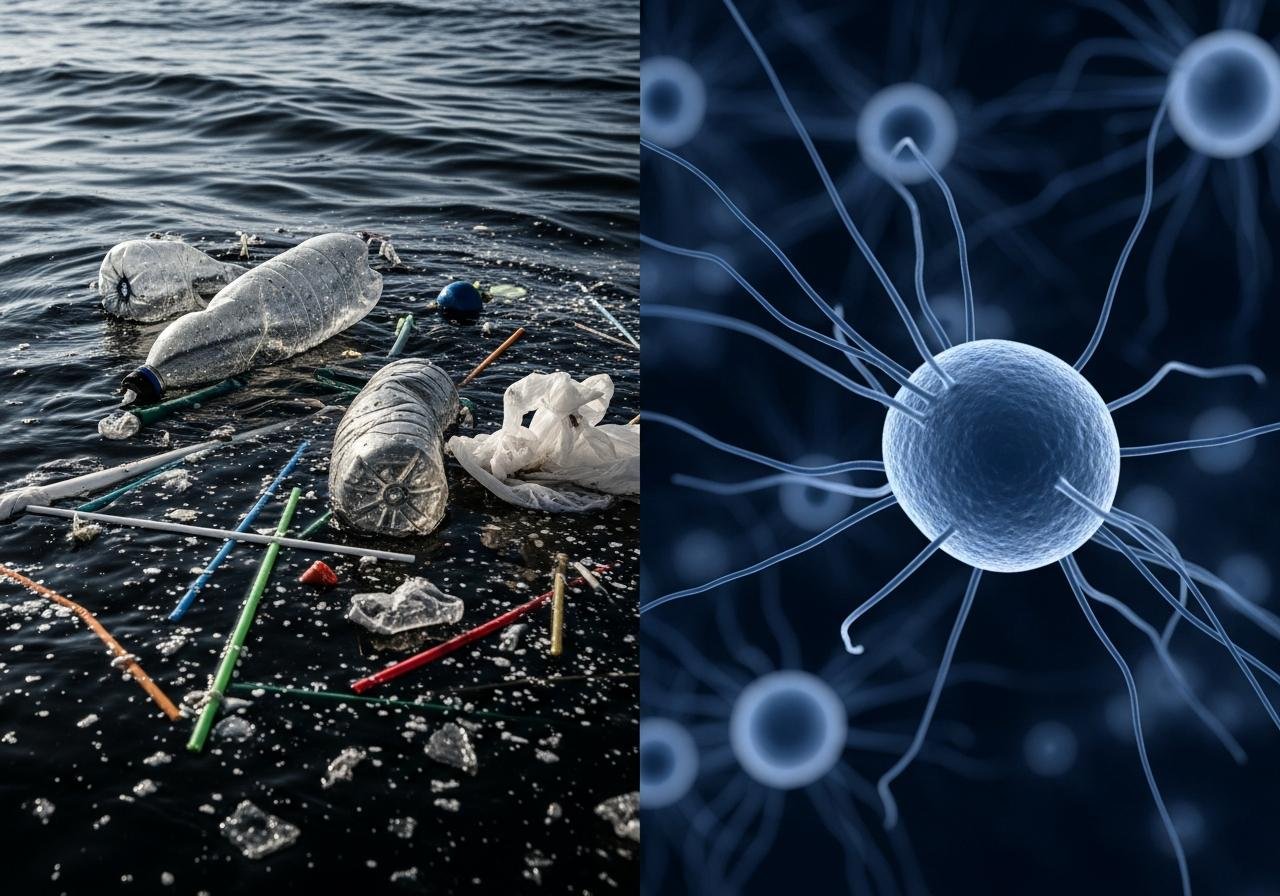
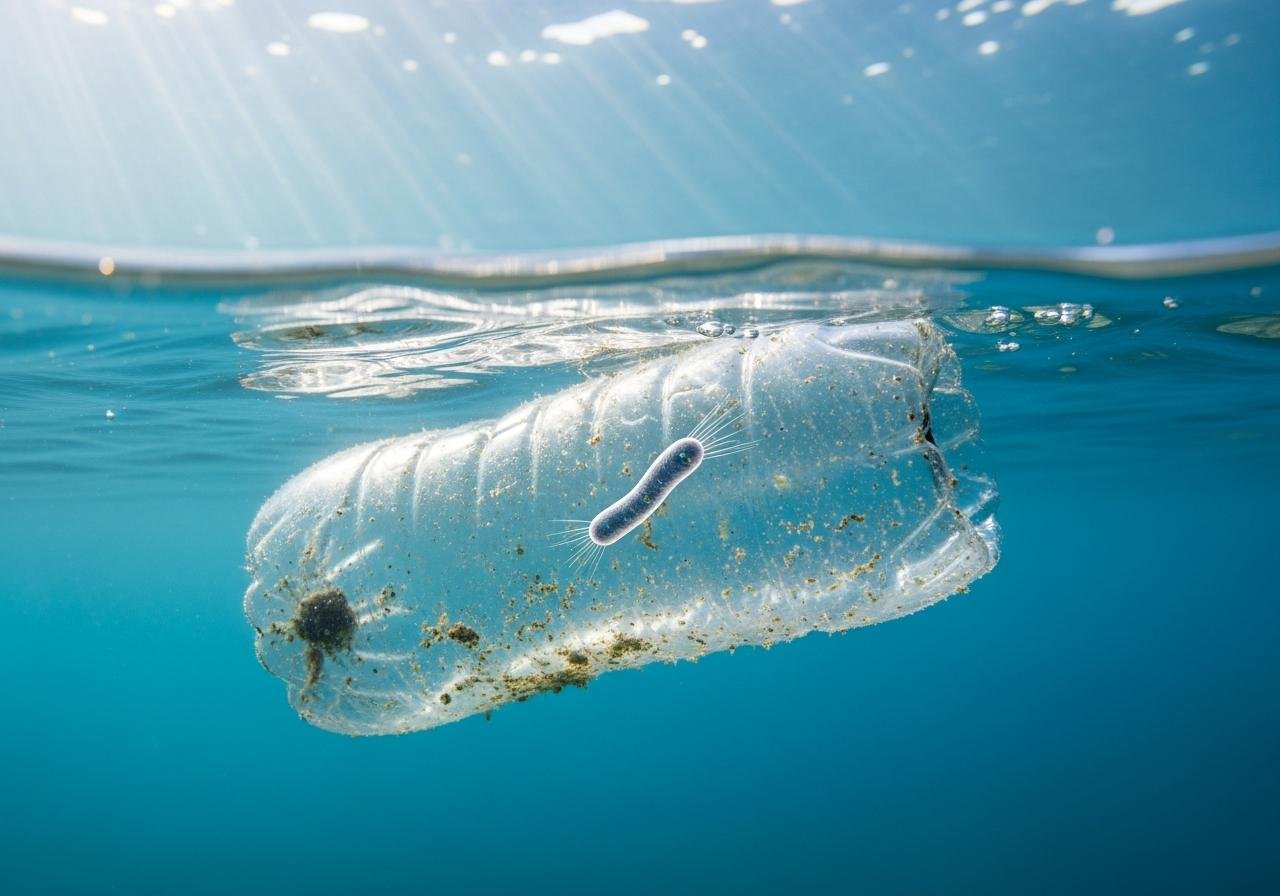
Not long ago, researchers trawling ocean samples from different regions stumbled upon something remarkable — bacteria that appear to feast on plastic. These microscopic organisms, found in waters from the Pacific to the Arctic, have developed enzymes capable of breaking down long, stubborn plastic polymers. A study published in the journal Microbial Ecology reported that these bacteria were identified in some of the most polluted stretches of our oceans, from the Mediterranean Sea to the South China Sea.
The discovery isn’t entirely new — land-based strains like Ideonella sakaiensis have been known to degrade PET (polyethylene terephthalate, used in plastic bottles) since 2016. But what excites scientists now is the widespread presence of similar microbes across marine environments. Their existence suggests that nature, to some degree, is already adapting to our plastic filled environment and that makes sense as if an organism is able to use the now ubiquitous plastics as a source of energy – then they have a competitive advantage vs those that do not.
Mechanism of Plastic Degradation
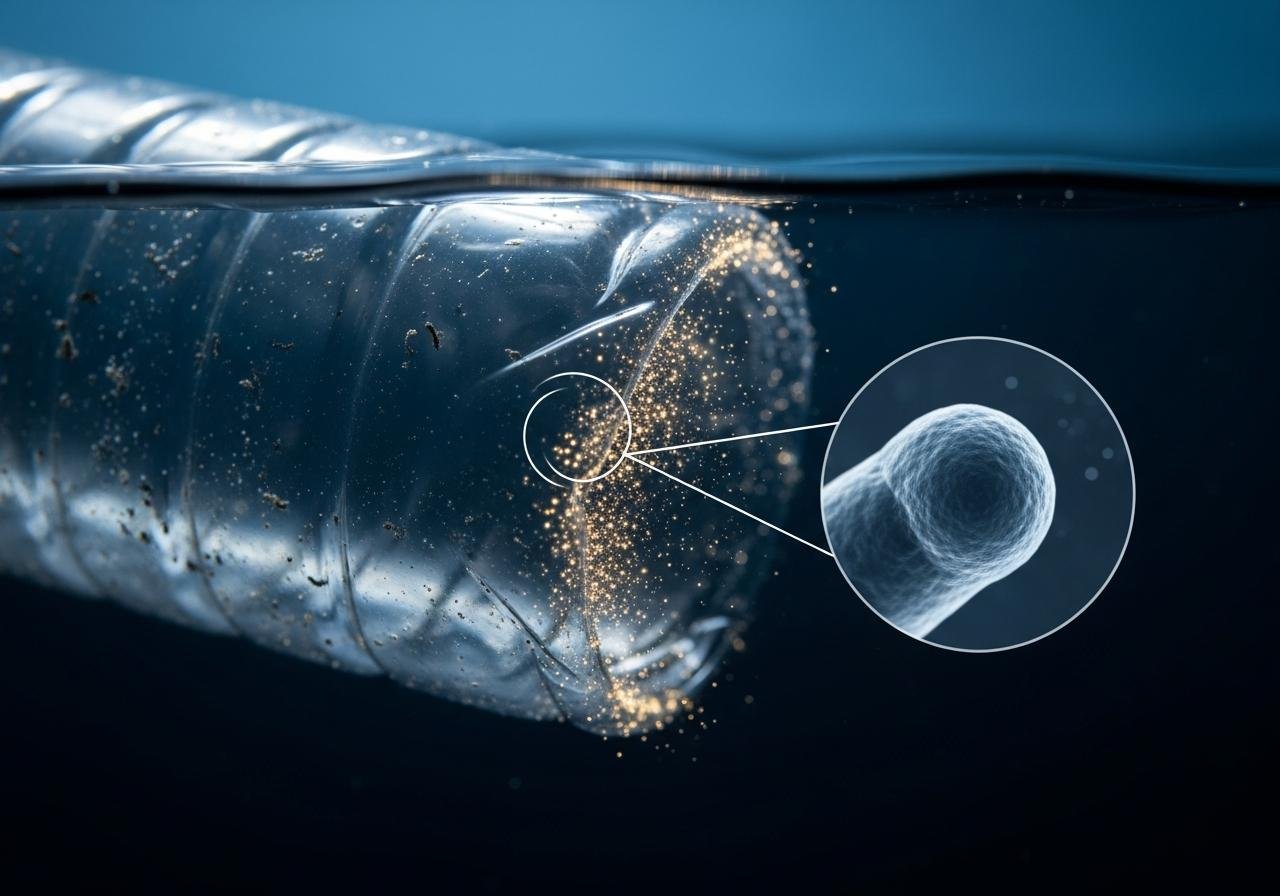
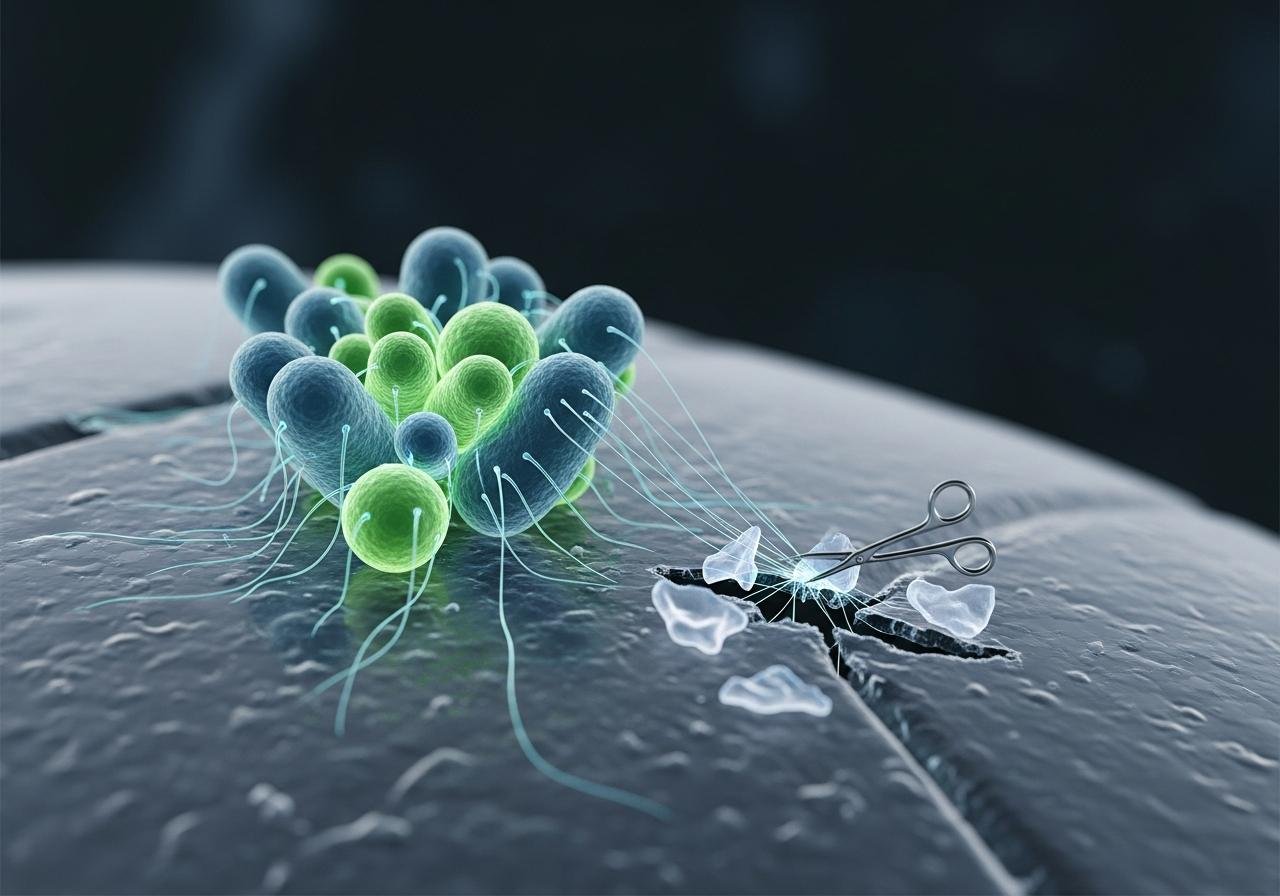
So, how do these bacterial “plastic-eaters” do their work? The secret lies in specialized enzymes that act like molecular scissors, slicing long plastic chains into smaller pieces. These fragments are then converted into energy and carbon sources for the bacteria — a kind of microscopic recycling at work. Researchers have isolated key enzymes, such as PETase and MHETase, which have shown potential for use in engineered recycling systems.
Though the process is slow — far slower than industrial recycling — its implications are enormous. If these natural pathways can be enhanced or replicated safely, they might help reduce plastic pollution at the source, turning waste into usable compounds without the need for high heat or toxic chemicals. This approach is similar to creating [sustainable packaging solutions](https://green.org/2024/01/30/sustainable-packaging-solutions-and-their-impact-on-waste/).
Implications for Sustainability and Waste Management
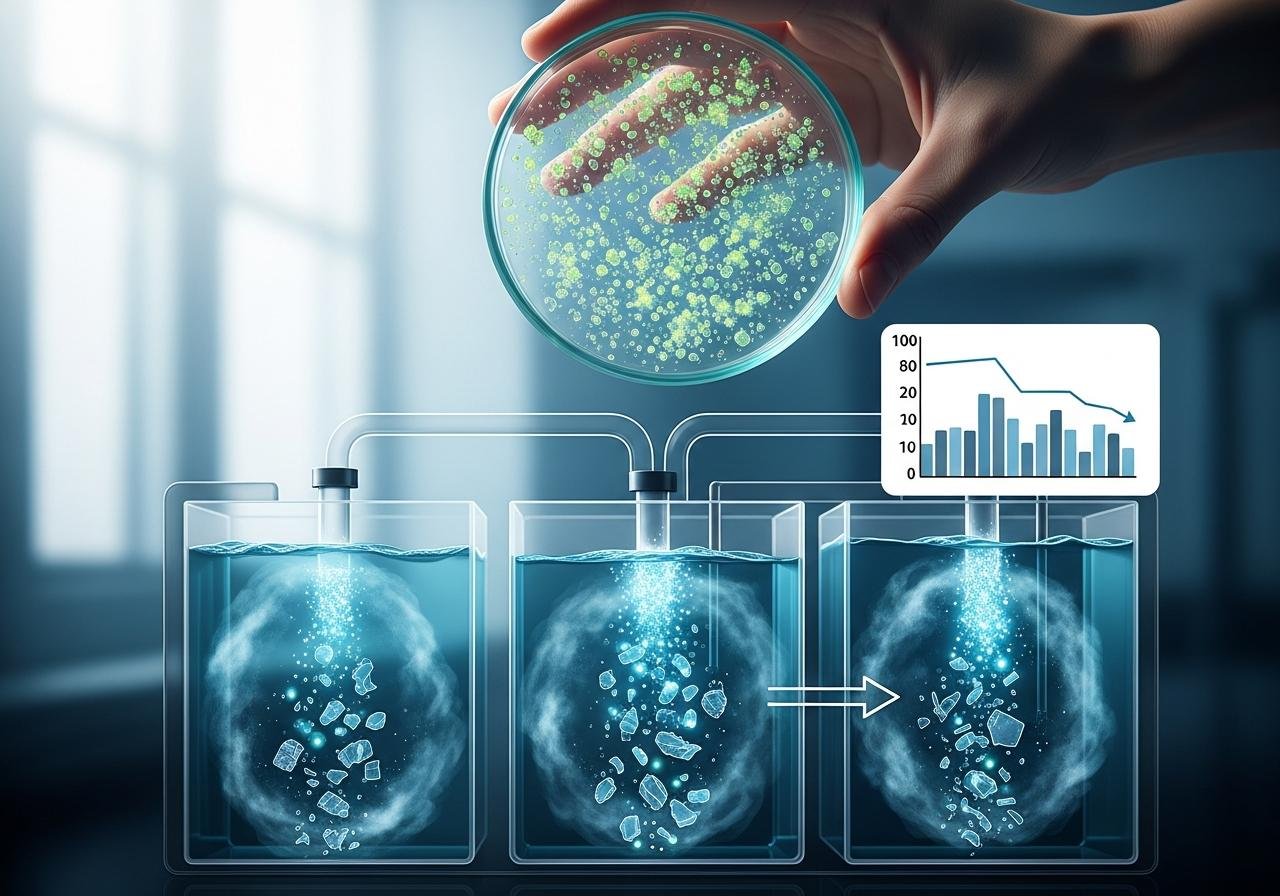
The idea of employing bacteria to clean up plastic may sound like science fiction, but it’s edging closer to science fact. Imagine wastewater treatment plants that use bioengineered bacteria to digest plastic residues or ocean cleanup devices that deploy microbial filters safely in localized zones. Integrating these biological systems into existing waste management could reduce landfill pressures and lower the environmental cost of mechanical recycling.
In the long run, plastic-degrading bacteria could help create a circular plastic economy — one where materials are continuously reused rather than discarded. It’s a vision of sustainability where even waste becomes a resource, and living systems help balance the scales we’ve tipped for decades. This is akin to concepts discussed in [zero-waste living](https://green.org/2024/01/30/promoting-the-concept-of-zero-waste-living/).
Challenges and Limitations
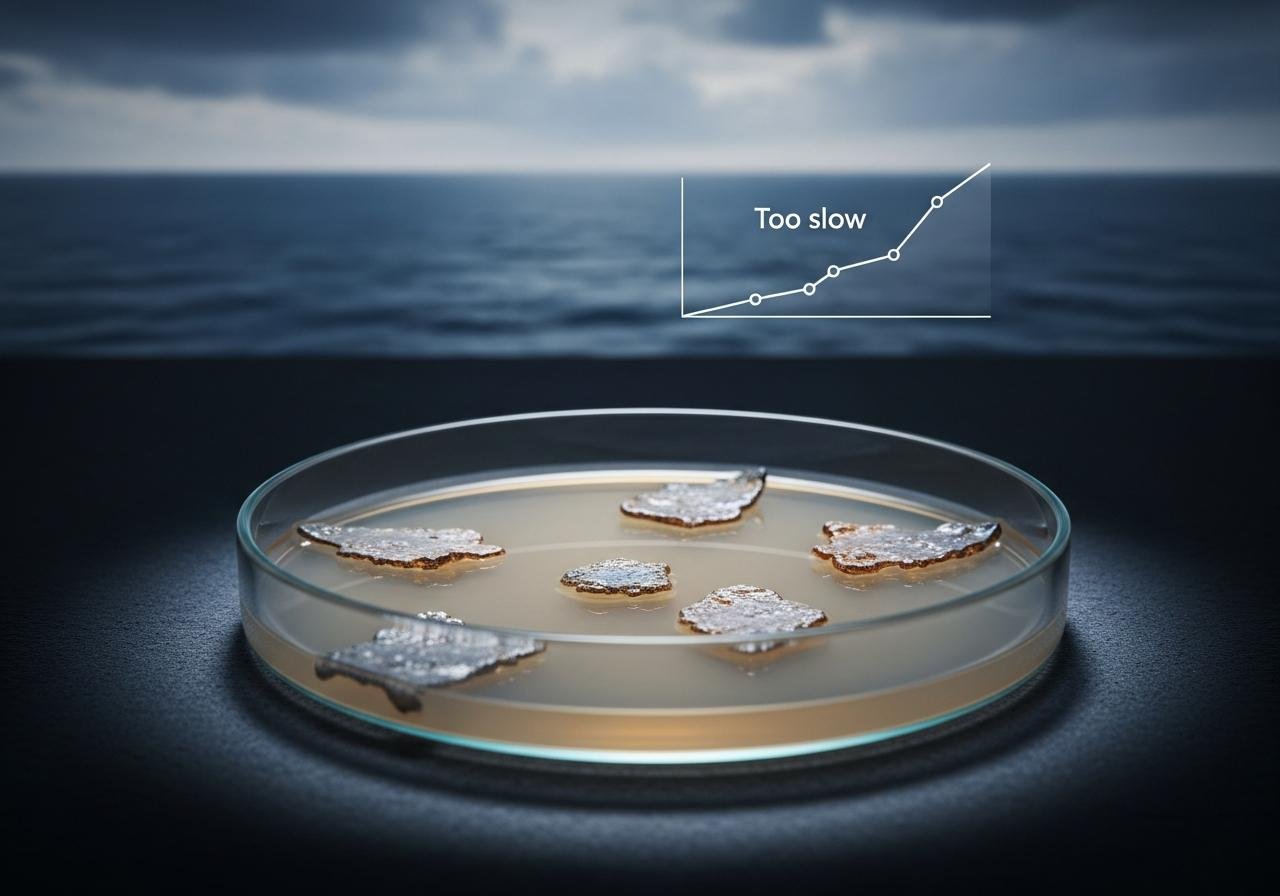
Of course, there’s no magic microbe waiting to clean all the oceans overnight. The natural degradation rates of these bacteria are still too slow to tackle the vastness of global plastic pollution. Environmental conditions like temperature, pH, and salinity also heavily influence microbial activity. There are legitimate concerns, too — introducing engineered organisms into open ecosystems could have unforeseen effects on native species and ecological balance.
That’s why most experts advocate for controlled applications rather than open-sea deployment, at least until we fully understand the consequences. Reducing plastic production and improving recycling infrastructure remain the first lines of defense.
Future Research and Innovations
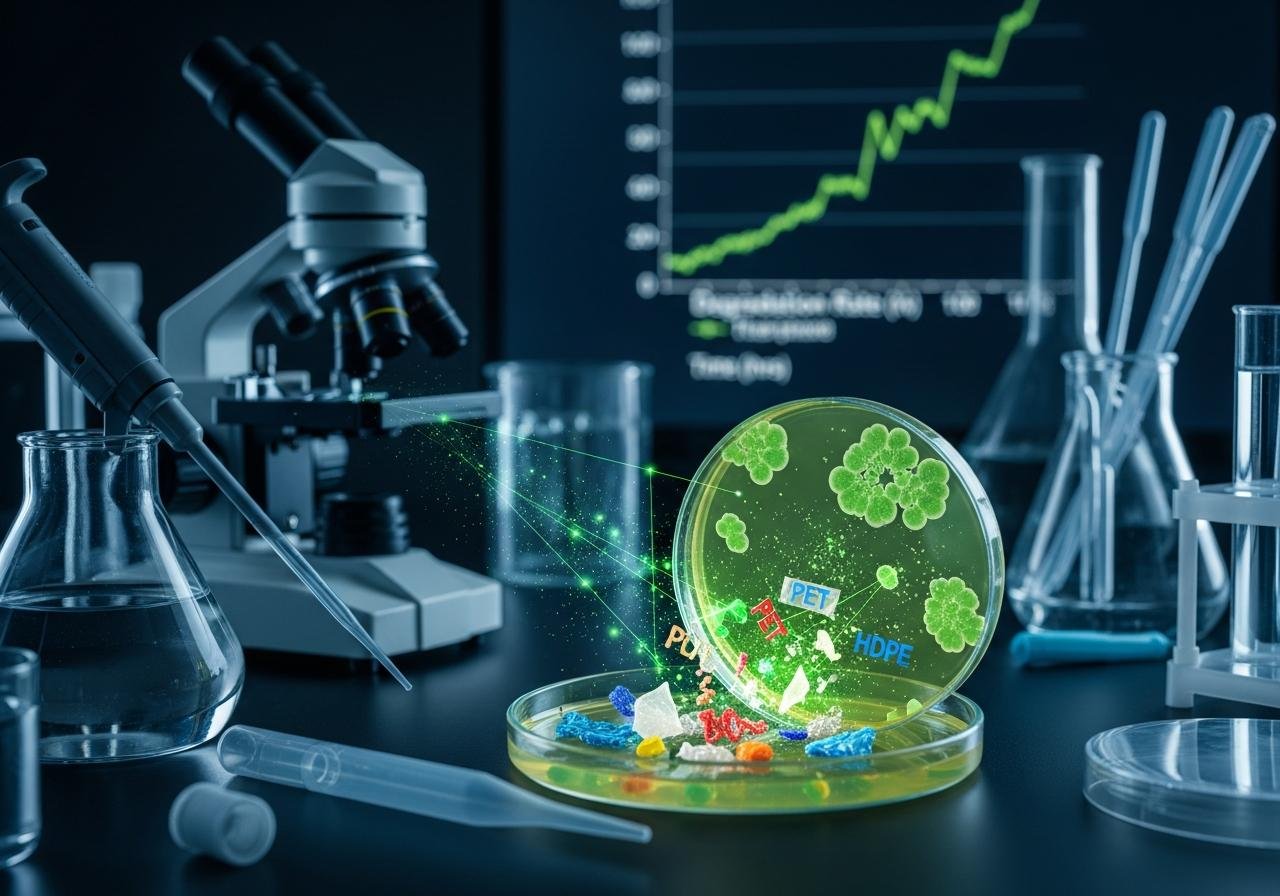
Scientists around the world are now racing to enhance the efficiency of these bacteria. Through protein engineering and gene editing, researchers are refining enzymes to degrade plastics more rapidly and at lower energy costs. Some universities are experimenting with synthetic “enzyme cocktails” that can break down multiple plastic types simultaneously.
Collaboration between biotechnology firms, environmental agencies, and academic researchers is key to scaling up these innovations responsibly. The ultimate goal isn’t to let microbes fix our mess but to give them a supporting role in broader sustainability strategies — from zero-waste systems to next-generation recycling facilities.
Global Impact and Policy Implications
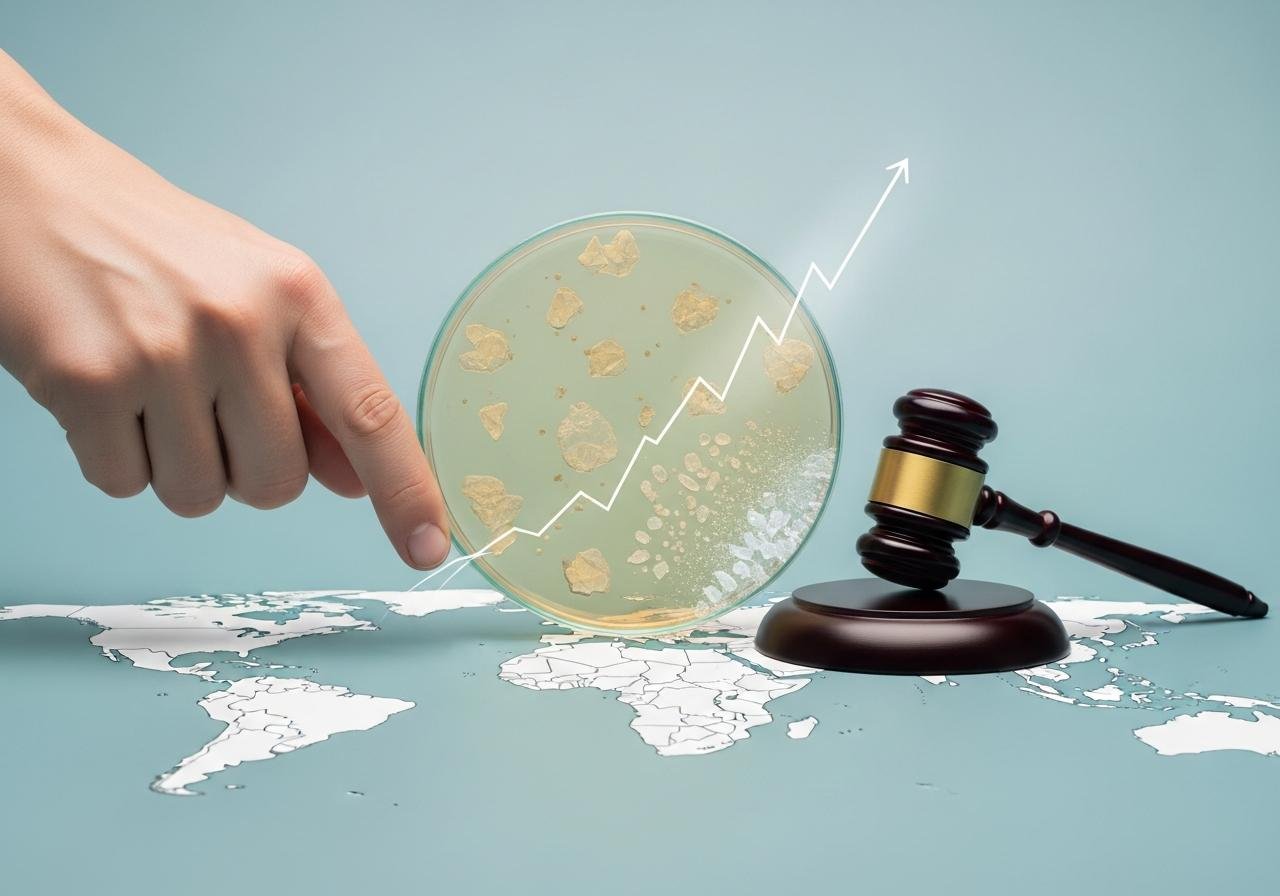
As discoveries like these capture attention, policymakers are beginning to take note. Plastic pollution has become a global diplomatic issue, with nations negotiating treaties to curb production and improve waste management. The development of plastic-degrading bacteria could influence international agreements by adding a new, scientifically grounded tool to the fight.
If governments invest in research and safe deployment, microbial plastic degradation might complement policies that limit single-use plastics and incentivize sustainable packaging. This cross-sector collaboration — where science meets policy and industry aligns with the planet’s needs — could mark a turning point in how humanity manages its waste legacy.
Conclusion and Call to Action
Plastic-munching bacteria remind us that even in the most polluted corners of our oceans, life finds a way to adapt. While these microbes alone won’t solve the plastic crisis, they offer an inspiring model of resilience — and a hint at what’s possible when human ingenuity works alongside natural evolution. The challenge now is to nurture this discovery responsibly, continuing to reduce plastic use while supporting the research that may one day let bacteria lend a microscopic hand.
Our oceans are vast, but so is our capacity for innovation. Every bottle skipped, every policy enacted, and every lab experiment brings us a little closer to cleaner waters. And perhaps, one day, those bacteria out there will have a little less plastic left to munch on.
This article is for informational purposes only.
Reference: https://www.enn.com/articles/77362-plastic-munching-bacteria-found-across-the-seven-seas
The post Plastic-Munching Bacteria Found Across the Seven Seas appeared first on Green.org.


