
Last Updated on December 19, 2025
If you’ve ever bought an electronic only for it to short out prematurely, congratulations: You’ve met planned obsolescence.
And planned obsolescence isn’t just for electronics. It’s factored into everything we buy – including our clothes and furniture. But what exactly is planned obsolescence, and how can you avoid it?

In truth, it’s hard to avoid – but there are ways we can fight back. Here’s everything you need to know about planned obsolescence and ways to combat it.
what is planned obsolescence?
Planned obsolescence is essentially when something is built to fail. This can be anything – electronics, light fixtures, clothes, or furniture.
Items aren’t made to last on purpose, forcing us to buy replacements frequently. And why is this done? In short, for profit.
If we buy a lightbulb and it lasts us twenty years – that’s a one and done sale. But if we have to replace that light bulb every three years, businesses profits will soar.
And mentioning lightbulbs is intentional – because planned obesolence started out with one. In 1924, lightbulbs lasted 2,500 hours.
But lightbulb manufacturers realized their lightbulbs lasted too long, forming Phoebus Cartel – which intentionally reduced lightbulb lifespan by over 50%. This meant lightbulbs would only last 1,000 hours, forcing customers to buy bulbs sooner. Not to mention, prices rose.
This can still be seen today – we have enough clothing to cloth the next six generations. Yet fashion brands continue to pump out cheap garments that will break apart after only a few wears. Some of the garments are so cheap even clothing recycling initiatives cannot resell them.
And by pumping out new models and designs, industries can make our items still feel outdated (even if they’re not). For example, if you have a functional desk but see a new one on sale with a ‘cuter design’ – you may be tempted to buy it just because. This is a marketing tactic – and considered ‘dynamic obesolence.’

is planned obsolescence legal in the US?
Planned obsolescence is legal in the US, and in fact, flourishes here. Manufacturers are free to set the durability level of the products without any repercussions. There’s no end of life considerations – everything is basically designed for the landfill. And very few brands offer takeback programs to recycle their products.
what countries have banned planned obsolescence?
Countries that have banned planned obsolescence include France and Canada.
Here’s examples of legislation they’ve passed:
- In 2015, France made it a criminal offense with laws penalizing companies for designing products to fail prematurely, requiring lifespan disclosure and promoting repairability.
- In Canada, planned obsolescence is being tackled through landmark provincial legislation in Quebec (Bill 29), banning designs that fail prematurely, mandating repair info, and ensuring part availability.

what can we do to combat planned obsolescence?
Now that you know the problem, you can be part of the solution! We can combat planned obsolescence in a number of ways.
1. choose durable, repairable goods
First and foremost, make sure you’re purchasing goods of the highest quality you can afford.
For clothes, that means choosing organic clothing brands that aren’t made out of cheap, virgin polyester. Some of my clothes are 5+ years old because I simply take care of them – and invested in good brands.
RELATED: Clothing Care: 5 Ways to Maintain and Care for Your Clothes
Materials matter. Organic cotton, hemp, and wool are going to last longer than flimsy polyester every time.
The same goes for furniture and electronics. Always buy from a trusted brand and look at their materials before you do.
Are they sourcing their wood ethically? Any take-back programs or recycled materials? Do they have a repair program or warranty? Do your research and don’t be afraid to ask questions.
But whatever you do, avoid ordering from Temu. Lots of their products are low quality and may be toxic.

2. support the right to repair movement
So many companies make it difficult to repair their products. Electronic brands are notorious for this, especially Apple.
This is due to proprietary screws, glued components, soldered parts, and software locks that limit third-party access.
But what if we put pressure on brands to support the right to repair?
Technically, the Right to Repair law did pass in several states – New York, California, Minnesota, Colorado, and Oregon. This means manufactures have to provide parts, tools, and info for repairs.
But we need this all over the country, not just in a few states. Call or write your local representatives and push them to pass it in your state!

3. buy secondhand and refurbished goods
Especially with electronics, it’s always a good idea to buy refurbished if buying new-to-you!
Refurbished basically just means the item was repaired/is secondhand. This gives it a second life. Back Market is a great place to get refurbished tech.
For other items, check thrift or vintage stores first. Things were built so much better in the past.
You can thrift for more than just clothes too – kitchenware, furniture, books – you name it, they have it!
Checking places like Facebook marketplace, or your local buy-nothing group, is also a great idea. Plus you get to connect with like-minded individuals near you!
4. repair and reuse
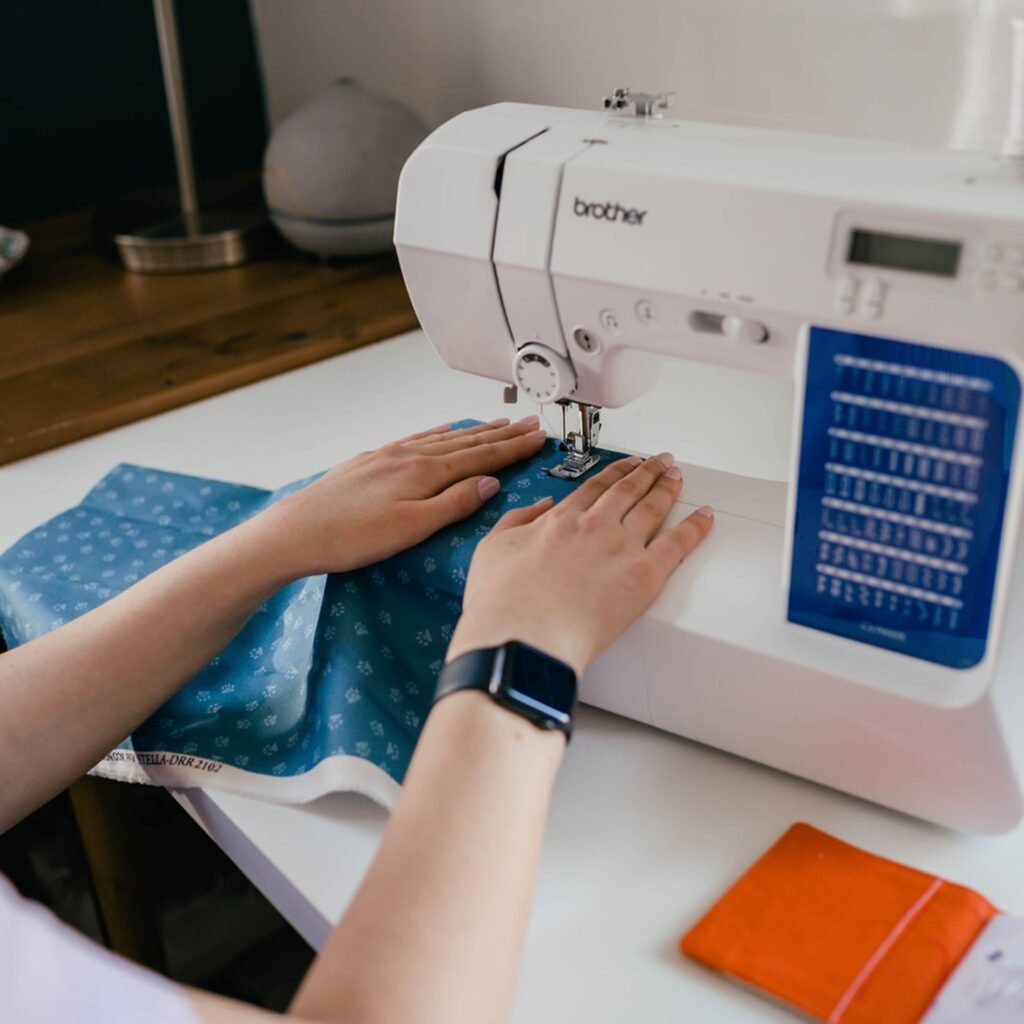
Most importantly, learn how to repair your items! This goes for all kinds of things, be it clothes, furniture, cars, or electronics.
Self-taught is easy nowadays with free resources like YouTube tutorials, libraries, informative blogs, etc. But don’t hesitate to take a class if you need to (sometimes libraries hold free ones!).
Some tools that will help you repair items include:
- Sewing kits
- Scrap fabric
- Power tools
You can find a lot of these at discounted prices at thrift stores or reuse stores. I can’t recommend visible mending enough – and learning how to sew a button is SO handy.
These are a few fixes everyone should know how to do. But if you aren’t handy, be sure to find someone who is!
You can take your items to a tailor, cobbler, mechanic, or repairman to get fixed. Or even bring it to a repair cafe. Speaking of…

5. attend or host a repair cafe
Repair cafes are typically held in local libraries or community centers and they’re completely free! It’s a volunteer-run event where people bring household items (think electronics, clothes, bikes, furniture), to be fixed with the help of skilled volunteers.
The goal is to reduce waste, share knowledge, save money and foster community. I recently attended one to repair my chair – but it couldn’t be fixed. Thankfully, the carpenter helping me took it back to her workshop and managed to repair it!
So this is what I mean by building community! Check and see if a repair cafe is happening near you, and if not, organize one with your local library.

6. buy less, maintain often, borrow more
Of course, the best way to reduce planned obesolence is to just buy less. Ask yourself if you really need something before making a purchase. I like to wait 30 days – it helps curb impulse buys!
Don’t forget to take care of the items you already own: Be it sanding and polishing your outdoor furniture, re-upholstering your chairs, or learning to care for your sweaters.
And try borrowing items more if you need them – especially if someone in your circle has it! Ex.: Need a ladder? Ask dad, or a neighbor, before buying a new one.
In the spirit of borrowing, also consider looking into local tool libraries. Or even just your local library – they let you lend out more than just books (think magazines, newspapers, DVDS, and more).
But of course – the most sustainable thing to do is simply using what you have.
So, what are some ways you’re fighting planned obsolescence? Let me know in the comments!
The post What is Planned Obsolescence? +6 Ways to Combat It appeared first on Going Zero Waste.


