

Why We Must Urgently Target Methane
In the 1980s, the world faced a terrifying scientific revelation — a gaping hole in the ozone layer, the atmospheric shield that protects us from harmful ultraviolet rays. Fast forward four decades, and a new invisible threat is intensifying: methane. It’s colorless, odorless, and, in climate terms, dangerously potent. Prime Minister Mia Mottley of Barbados has called this our next global wake-up call — another “ozone layer moment.” The message? We must act swiftly, or the damage will become irreversible.
Understanding Methane: A Critical Greenhouse Gas
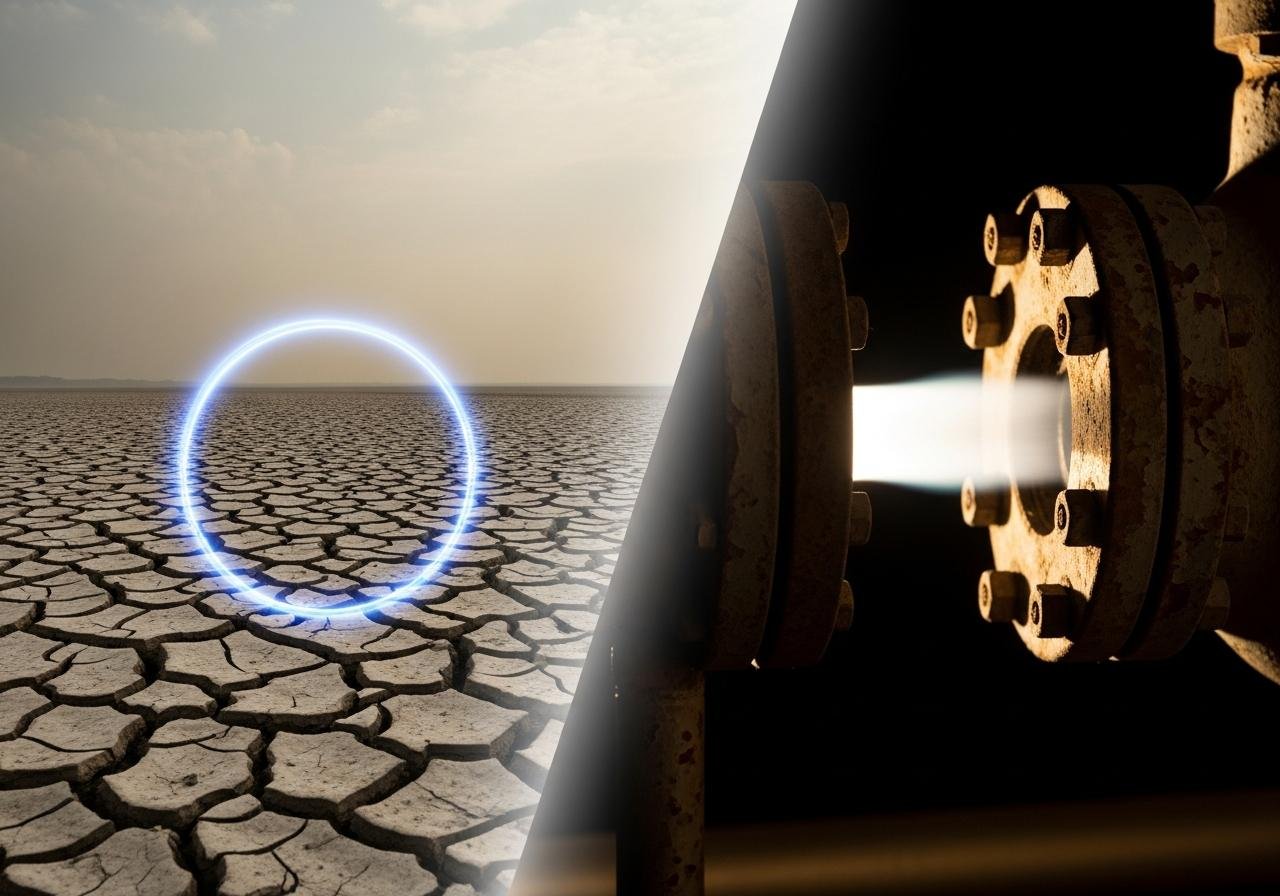
Carbon dioxide often steals the spotlight in climate discussions, but methane plays a stealthier and more immediate role. It’s a greenhouse gas that traps about 80 times (EIGHTY TIMES!!!!) more heat than CO₂ over a 20-year period. While its atmospheric lifetime is much shorter — roughly 12 YEARS compared to CENTURIES for carbon dioxide — its short-term impact is tremendous.
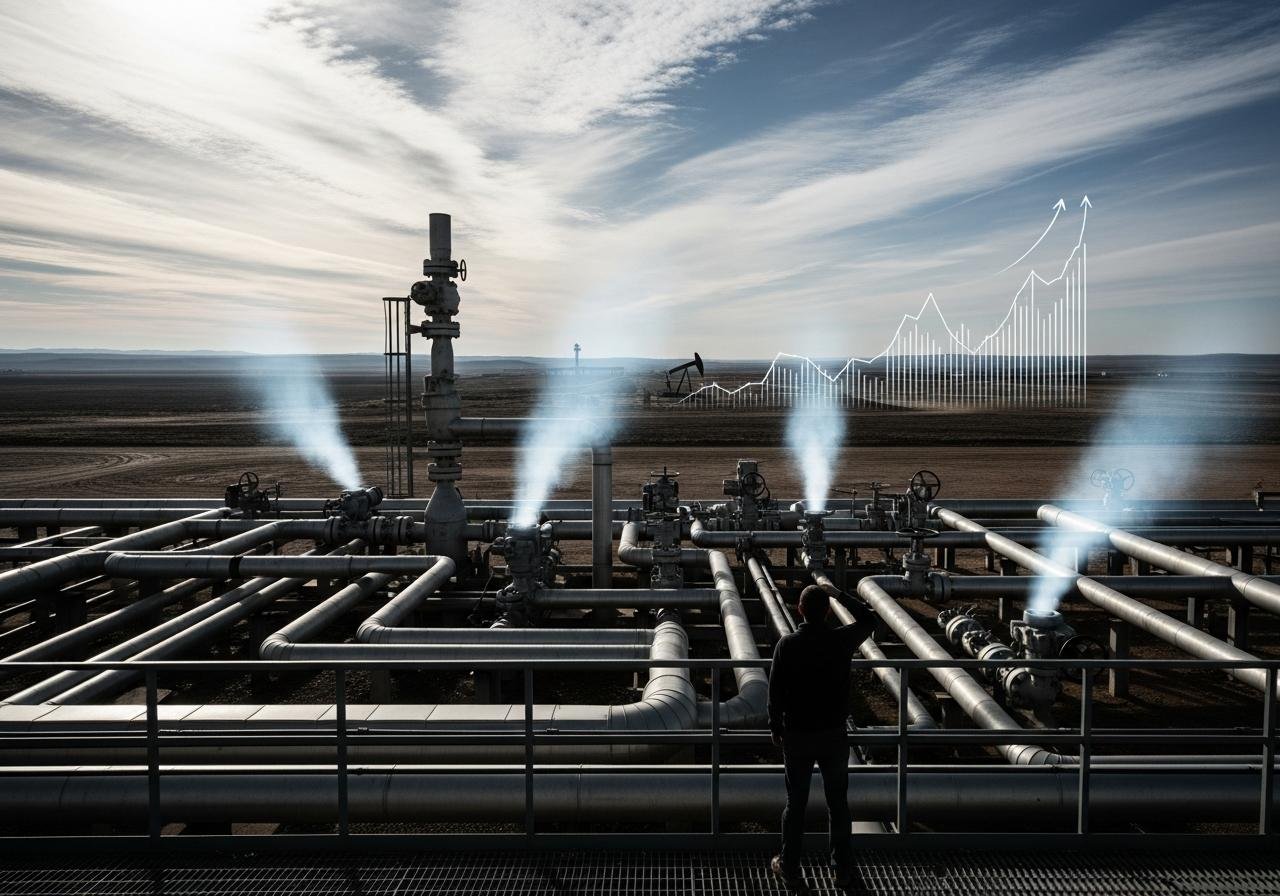
Methane comes from multiple sources – with some being natural, like wetlands and termites – others are human-driven: leaking oil and gas infrastructure, livestock digestion, landfills, and rice paddies.
Once released, methane acts like a thermal blanket, accelerating warming at a pace that makes climate tipping points far more likely.
The Ozone Layer: A Historical Precedent
It’s worth remembering how the ozone crisis played out. Scientists discovered that chlorofluorocarbons (CFCs) — once common in aerosols and refrigerators — were thinning the ozone layer, creating a literal hole over Antarctica. The world responded collectively and quickly. The 1987 Montreal Protocol became a triumph of international diplomacy, uniting nations, industries, and scientists to phase out destructive chemicals.
Barbadian prime minister Mia Mottley frames methane reduction as an urgent, defining climate intervention comparable to the global response that saved the ozone layer. Writing against the backdrop of record global temperatures and the apparent breach of the 1.5°C Paris threshold, Mottley warns that the world is rapidly approaching irreversible climate tipping points, many of which disproportionately threaten small island states like Barbados. She highlights the loss of warm-water coral reefs as a tipping point already crossed, with others—such as ice sheet collapse and ocean current disruption—fast approaching.
Mottley argues that cutting methane emissions is the fastest and most effective way to slow near-term warming, noting that eliminating avoidable methane leaks—particularly from the oil and gas sector—could prevent up to 0.3°C of warming by the 2040s. While voluntary pledges such as the Global Methane Pledge are a start, she stresses they are insufficient and calls for a legally binding international agreement on methane, beginning with oil and gas.
Drawing inspiration from the Montreal Protocol, Mottley urges a coalition of willing nations to lead binding negotiations, demonstrating that decisive global action is still possible. For her, preventing methane waste is both a climate imperative and a moral obligation—one that can buy critical time for the world to transition to a net-zero future.
Why Methane Now: The Urgency Explained
Recent atmospheric data have sounded alarms with methane levels now rising faster than at any point in recorded history. According to the Intergovernmental Panel on Climate Change (IPCC), methane accounts for about 30% of the planet’s current warming – that is one-third of the problem coming from a gas that lasts a fraction as long as CO₂.

Current Global Efforts to Mitigate Methane Emissions
Encouragingly, momentum is building. Over 150 countries have signed the Global Methane Pledge, launched at COP26, aiming to cut methane emissions by 30% by 2030. The U.S. and the European Union are leading that push, focusing on regulations for oil, gas, waste, and agriculture.
Some nations are already showing results. Norway’s oil industry has some of the world’s lowest methane leakage rates. In the U.S., new EPA rules target “super-emitters” — facilities responsible for large, unintentional leaks. Meanwhile, farmers in New Zealand and California are experimenting with feed additives that curb methane from cows.

Challenges in Methane Reduction
Still, the path isn’t smooth. Detecting methane leaks is tricky, especially in sprawling oil fields or remote regions. Economic pressures make it hard for some developing countries to prioritize reduction over short-term growth. And reporting systems — while improving — remain patchy and inconsistent.
There’s also a political challenge: methane reduction doesn’t carry the same public visibility as carbon cuts. It’s hard to rally around something you can’t see. But invisible problems can be the most dangerous ones.
Strategies for Targeting Methane Effectively
The good news? We already have many of the tools we need. New satellite systems like GHGSat and NASA’s EMIT can pinpoint methane leaks from space with remarkable precision. On the ground, infrared cameras help workers detect leaks that would otherwise go unnoticed.
Agriculture offers its own solutions — from breeding livestock that emit less methane to producing biogas from manure. Waste management improvements, especially in developing cities, can capture methane before it escapes. And for oil and gas companies, fixing leaks often saves money, since the lost methane is also lost product. It’s both environmental and economic common sense. Efforts like rethinking waste as a valuable resource can support methane reduction strategies.
At the individual level, reducing food waste and supporting climate-conscious companies can make a quiet but meaningful difference. Every ton of methane avoided today buys us precious time tomorrow.
FAQs: Why Targeting Methane Is the Next Global Climate Breakthrough
1. What does Mia Mottley mean by an “ozone layer moment”?
She is comparing today’s methane challenge to the global success of the Montreal Protocol, where countries united to rapidly phase out ozone-depleting substances—showing that coordinated global action can solve major environmental crises.
2. Why is methane so important in the climate crisis?
Methane is a short-lived but extremely powerful greenhouse gas, responsible for roughly 30% of global warming since pre-industrial times. Cutting methane can deliver fast climate benefits within a decade.
3. How is methane different from carbon dioxide (CO₂)?
While CO₂ stays in the atmosphere for centuries, methane lasts about 12 years but traps over 80 times more heat than CO₂ in the short term, making it a critical target for rapid warming reduction.
4. What are the main sources of methane emissions?
Major sources include fossil fuel production (oil, gas, coal), agriculture (especially livestock), and waste from landfills. Many of these emissions can be reduced using existing technologies.
5. Why does Mottley say action on methane must be urgent?
Because reducing methane is one of the fastest and cheapest ways to slow global warming, improve air quality, and protect vulnerable communities—especially small island and developing states already facing climate impacts.
This article is for informational purposes only.
The post This is another ‘ozone layer’ moment – but with methane appeared first on Green.org.


