Recycling helps cut down on waste and lets valuable materials be used again. It reduces the need to mine or extract new resources and keeps materials out of landfills, which lowers the greenhouse gases that cause climate change. But recycling is more than just a process; it’s also a job. Learning how material recovery facilities work and what workers deal with every day can help you recycle smarter and keep these essential workers safe.
Recycling centers, known as material recovery facilities (MRFs), must be profitable, efficient, and safe to stay open and attract good workers. Protecting workers also helps keep costs down, since replacing someone who is injured or burned out is expensive. Representatives from two major waste companies, Rumpke and Waste Management, said that employee safety is their top priority at MRFs, followed closely by keeping the machines running.
Even with these efforts, nine workers died in U.S. material recovery facilities in 2023. The fatality rate for refuse and recycling collectors rose by more than 80% that year, according to the Bureau of Labor Statistics. This made waste and recycling collection the fourth most dangerous job in the country, after roofers, fishing and hunting workers, and logging workers. Many injuries and deaths are caused by items that should never have been put in a recycling bin.
What Protects Workers on the Floor
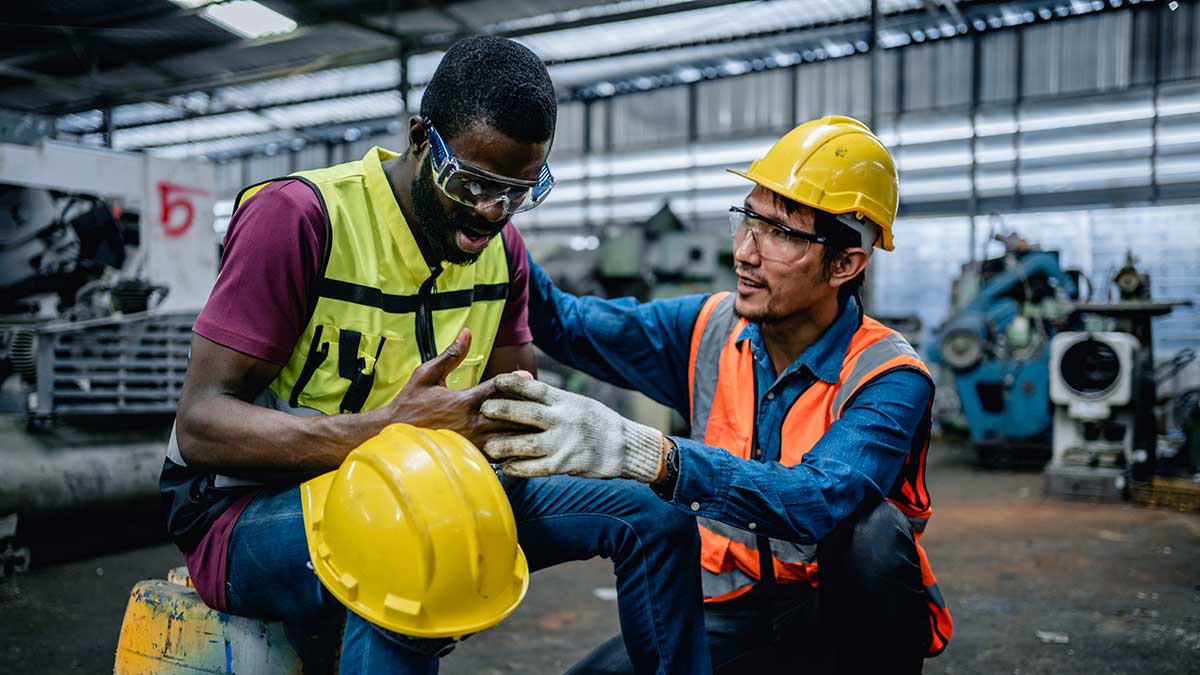
MRFs are noisy, dusty, and the work is physically tough. Temperatures inside can change a lot depending on the weather. To stay safe, all workers wear steel-toed boots and high-visibility vests or coats. Hard hats are required whenever workers move through the large sorting buildings.
Many workers wear puncture-resistant gloves, sometimes long enough to cover their forearms, because needlestick injuries happen often. A 2018 study by the Environmental Research & Education Foundation found that 45% of MRF injuries were caused by needlesticks, even though syringes and medical sharps are not allowed in curbside recycling. Make sure to learn how to safely dispose of medical sharps so they never end up in the recycling stream.
All employees get safety training when they are hired, and they receive updates whenever recycling rules change. Managers and supervisors get extra emergency response training, especially because battery fires are becoming more common.
Equipment operators and maintenance workers must be certified to use the machines. When equipment needs repairs, a strict lock out/tag out process makes sure machines cannot restart while someone is working on them.
The Biggest New Threat: Lithium-Ion Battery Fires
The most dangerous thing you can put in your recycling bin is not broken glass or rusty metal. It’s a lithium-ion battery. When these batteries are shaken, crushed, or punctured during collection and sorting, they can go into what the industry calls “thermal runaway,” which releases intense heat and can quickly set nearby paper and plastic on fire.
The National Waste and Recycling Association estimates that over 5,000 fires happen each year at recycling facilities, and many are linked to lithium-ion batteries. Publicly reported fires at MRFs and transfer stations rose by 20% in 2024 compared to the year before, reaching the highest level ever, according to fire detection firm Fire Rover. Fire data for 2025 shows a record 448 reported incidents across North America, and the real number is likely higher since many smaller fires are not reported.
A small fire at an MRF costs about $2,600 on average, but a major fire can destroy a whole facility and cause more than $50 million in damage. In 2021, a battery fire destroyed a transfer station in Klamath Falls, Oregon, causing over $3 million in damage and shutting down the facility for two years. This disrupted recycling collection across the region. The rate of major MRF fire losses has gone up by 41% in the last five years.
A growing problem is disposable vaping devices. These vapes have lithium-ion batteries and there are almost no safe drop-off options in the U.S. About 1.2 billion vapes end up in the waste and recycling stream each year, and throwing them in the trash or recycling bin makes the fire risk much worse.
Never put batteries in the recycling bin.
How Sorting Actually Works
When a truck brings curbside recycling to an MRF, it is dumped onto the tipping floor. Workers first remove anything that clearly does not belong. Over the years, they have found things like dead deer, bowling balls, and full-size vacuums. None of these should be in recycling.
After the first sort, heavy equipment operators and workers with large shovels load the materials onto conveyor belts that go into the automated sorting system. Workers stand along the belts to catch items the machines cannot handle. The machines use spinning screens to separate paper and cardboard, magnets to pull out steel, optical scanners and infrared sensors to identify different plastics, and air jets to separate lightweight materials. Glass falls out on its own because it is heavier.
Even though machines do more of the sorting now, people are still needed for quality control. Computers cannot catch everything. After materials are sorted by type, a baler presses them into large bales. Workers check these bales before they are stacked and shipped to manufacturers who use the materials.
Besides sorting, MRF jobs include machine technicians, maintenance workers, equipment operators, foremen, and housekeeping staff who keep walkways clear to prevent trips and reduce dangerous dust.
What You Do At Home Changes Everything
No two MRFs are exactly the same. They use different equipment and have different buyers for the materials they sort. This is why even nearby communities might not accept the same items for recycling. It can be confusing, but it is very important.
Anything that does not belong in the recycling stream takes extra time to remove and increases risks for workers. Plastic bags and plastic film get tangled around spinning machine parts and can stop the whole sorting line. Shredded paper clogs screens and causes costly shutdowns. When a machine jams, a worker has to climb inside to fix it, which takes time and is truly dangerous.
Here are the easiest ways you can help keep recycling workers safe:
- Do not put batteries in your curbside recycling or trash. Take them to a retail collection site instead.
- Keep plastic bags out of your recycling bin. Bring them back to grocery store drop-off locations.
- Do not put something in the recycling bin just because you hope it is recyclable. If you are not sure, check Earth911’s recycling search or your local guidelines. When in doubt, leave it out.
- Never put medical sharps in the recycling bin. Use a sharps disposal program or a drop-off location instead.
Knowing what belongs in your recycling bin is not just good for the environment. It is also how you help protect the workers who do one of the hardest and most dangerous jobs in the sustainability field.
Editor’s Notes: Originally published March 29, 2022. Updated February 2023. Updated March 2026.
The post How You Can Help Keep Recycling Workers Safe appeared first on Earth911.