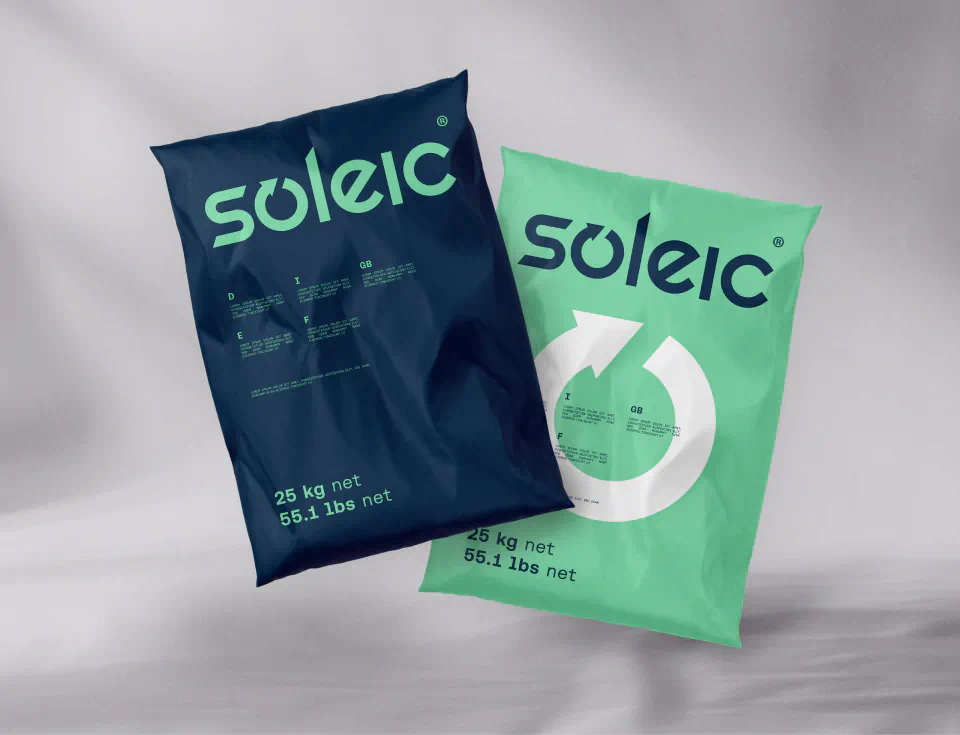
Californian materials company Algenesis Labs released carbon footprint data showing its bio-based polyurethanes reduce greenhouse gas emissions by 50-65% compared to petroleum-based equivalents.
The Product Carbon Footprint study, conducted with sustainability firm TrueNorth Collective, assessed Algenesis’s Soleic product line, which includes polyols and thermoplastic polyurethanes (TPUs) used in footwear, automotive parts, electronics housings, and coatings.
The analysis used a cradle-to-gate approach, covering raw material sourcing, transportation, and manufacturing. Soleic polyols showed 65% lower emissions, while TPUs came in at 50-55% reductions.
Algenesis also noted that its Soleic LV02 product is made from 100% bio-based carbon, validated through ASTM testing. The company emphasized it doesn’t use mass-balance accounting, a method some bio-based material producers employ that can attribute renewable content across multiple product streams.
“Brands can now reduce their footprint without sacrificing performance,” said Nick Sandland, chief business officer at Algenesis.
Polyurethanes are versatile plastics found in everything from shoe soles to car interiors. Traditional production relies on petroleum-derived chemicals. Bio-based alternatives typically use plant oils or sugars as feedstock.
Algenesis, a spinout from the University of California San Diego, focuses on polyurethanes that are both bio-based and biodegradable. The company says its materials match petroleum-based performance while breaking down in natural environments.
The study results provide data brands can use for sustainability reporting. Whether the carbon reductions translate to significant cost premiums or supply constraints wasn’t addressed.
The post Algenesis reports significant carbon reduction for bio-polymers appeared first on World Bio Market Insights.
- Source: https://worldbiomarketinsights.com/algenesis-reports-significant-carbon-reduction-for-bio-polymers/