

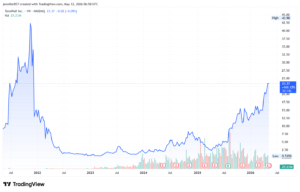
TeraWulf Inc. (NASDAQ: WULF) has received a new $31 price target from Cantor Fitzgerald, reflecting rising investor interest in its low-carbon bitcoin mining strategy. The analyst note points out that TeraWulf uses low-emission energy, which includes nuclear and hydro power at its main facilities in the United States. These include the Lake Mariner site in New York and the Nautilus Cryptomine facility in Pennsylvania.
ezstandalone.cmd.push(function () { ezstandalone.showAds(119); });
The update comes as investors pay closer attention to the environmental footprint of bitcoin mining. The sector remains highly energy-intensive.
The Cambridge Centre for Alternative Finance reports that global bitcoin mining uses over 100–150 terawatt-hours (TWh) of electricity each year. This is comparable to the energy consumption of medium-sized countries.
ezstandalone.cmd.push(function () { ezstandalone.showAds(127); });
TeraWulf stands out as one of the few public miners using low-carbon or carbon-free energy on a large scale. Cantor Fitzgerald said the company’s energy strategy and infrastructure model help it grow long-term. This is important in a sector under more ESG scrutiny.
A Low-Carbon Mining Model Built on Nuclear and Hydro Power
TeraWulf operates two main facilities that anchor its mining strategy. The first is Lake Mariner in New York, which draws power from a grid that is largely supported by nuclear and hydroelectric generation. The second is Nautilus Cryptomine in Pennsylvania. It gets its power directly from the Susquehanna nuclear plant through a behind-the-meter agreement.
Nautilus is the company’s most significant ESG asset. It runs entirely on nuclear power. This makes it one of the first large-scale bitcoin mining sites in the world to use nuclear energy directly.
ezstandalone.cmd.push(function () { ezstandalone.showAds(130); });
However, the company’s portfolio isn’t always 100% carbon-free. Lake Mariner still uses a mix of grid electricity. TeraWulf says that a big part of its energy comes from carbon-free sources. This includes nuclear, hydro, and other low-emission options.
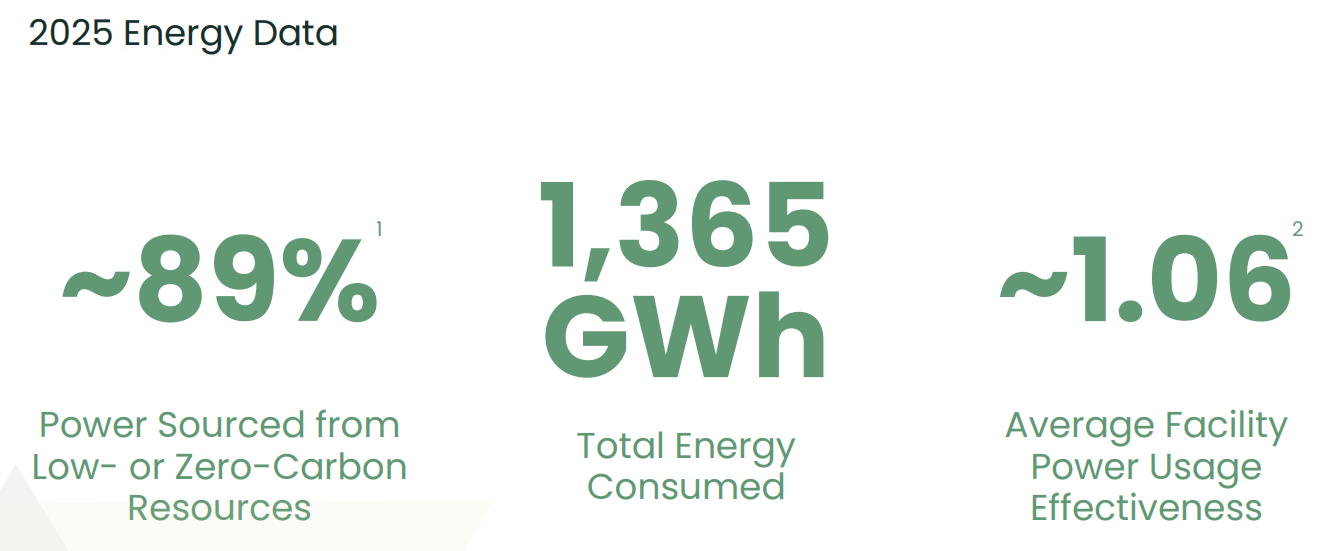
This distinction matters in ESG reporting. Many bitcoin mining firms still rely heavily on fossil fuels such as coal and natural gas. The International Energy Agency (IEA) says coal provides about one-third of global electricity. This still contributes significantly to emissions.
TeraWulf’s strategy, therefore, focuses on reducing exposure to fossil-heavy grids by anchoring operations in cleaner energy regions.
ezstandalone.cmd.push(function () { ezstandalone.showAds(131); });
Bitcoin Mining Faces Rising Pressure Over Energy Use and Emissions
Bitcoin mining continues to face strong debate over its environmental impact. Mining requires large amounts of electricity to run high-performance computing systems. These systems validate transactions and secure the blockchain network. The result is a high and continuous energy demand.
Studies from Cambridge and other research groups say Bitcoin’s energy use can sometimes surpass that of entire countries, like Argentina or the Netherlands.
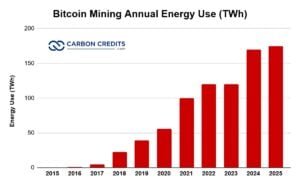
This has placed increasing pressure on miners to adopt cleaner energy sources. Institutional investors are also beginning to factor emissions intensity into their investment decisions.
ezstandalone.cmd.push(function () { ezstandalone.showAds(132); });
At the same time, global electricity systems are gradually becoming cleaner. The International Renewable Energy Agency (IRENA) says that renewables made up about 30% of global electricity generation recently. They expect this to keep growing until 2030.
This shift is important for crypto mining. It creates a pathway for lower-carbon operations, especially for companies that can secure long-term access to nuclear, hydro, or renewable power. TeraWulf’s model fits into this transition by prioritizing energy contracts tied to low-emission generation.
- SEE MORE: The Energy Debate: How Bitcoin Mining, Blockchain, and Cryptocurrency Shape Our Carbon Future
ezstandalone.cmd.push(function () { ezstandalone.showAds(133); });
AI and Data Center Boom Push Electricity Demand Into Overdrive
The demand for digital infrastructure is growing quickly. This includes AI computing, cloud services, and blockchain systems.
The International Energy Agency estimates that global data centers consumed about 415 TWh of electricity in 2024. Under high-growth scenarios, this could rise to nearly 950 TWh by 2030.
This growth is driven by AI workloads and large-scale computing systems. These systems require constant power and high-density computing environments. As demand rises, electricity access is becoming a key constraint. Companies are no longer competing only on hardware or software. They are also competing for energy availability.
ezstandalone.cmd.push(function () { ezstandalone.showAds(134); });
TeraWulf benefits from this shift. Its facilities are in areas with stable grid access and large baseload energy sources like nuclear and hydro. Industry reports show the following energy mix used by bitcoin miners, with hydro and nuclear being the top two renewable sources.
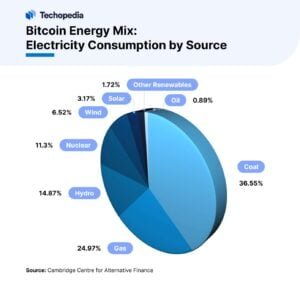
This provides a competitive advantage. Unlike fossil fuel-heavy regions, nuclear and hydro systems offer more stable long-term pricing and lower carbon intensity. As a result, low-carbon mining infrastructure is increasingly seen as part of the broader “clean compute” economy.
Wall Street Turns to ESG-Backed Crypto Infrastructure Plays
The Cantor Fitzgerald price target reflects a broader trend in financial markets. Institutional investors are paying closer attention to ESG-linked digital infrastructure.
ezstandalone.cmd.push(function () { ezstandalone.showAds(135); });
Bitcoin mining companies are now judged on more than just profits. They are also assessed based on their energy sources and emissions.
TeraWulf has an advantage on this shift because it can demonstrate measurable access to low-carbon energy. Its nuclear-powered Nautilus facility is especially important in this regard.
The company set up long-term agreements. These help ensure stable energy access and keep operating costs predictable. This is a key factor for institutional investors who prefer lower volatility infrastructure plays.
ezstandalone.cmd.push(function () { ezstandalone.showAds(136); });
Other mining companies are also shifting toward cleaner energy strategies. CleanSpark says a large portion of its bitcoin mining operations uses low-carbon and renewable-heavy energy sources across the United States.
IREN Limited (formerly Iris Energy) operates data centers powered mainly by renewable electricity, particularly hydro energy in Canada. Meanwhile, MARA Holdings (formerly Marathon Digital Holdings) has expanded partnerships tied to renewable and flare-gas energy projects to reduce emissions intensity.
Clean Energy Mining as a Competitive Advantage
Energy sourcing is becoming one of the most important competitive factors in bitcoin mining. Companies that secure access to nuclear, hydro, or renewable power can operate with lower emissions and more stable energy pricing.
ezstandalone.cmd.push(function () { ezstandalone.showAds(137); });
TeraWulf’s strategy focuses on this advantage. Its nuclear-backed Nautilus facility provides consistent baseload power. Its Lake Mariner site benefits from a relatively clean regional grid mix.
This structure helps the company reduce exposure to fossil fuel volatility. It also improves long-term operational predictability.
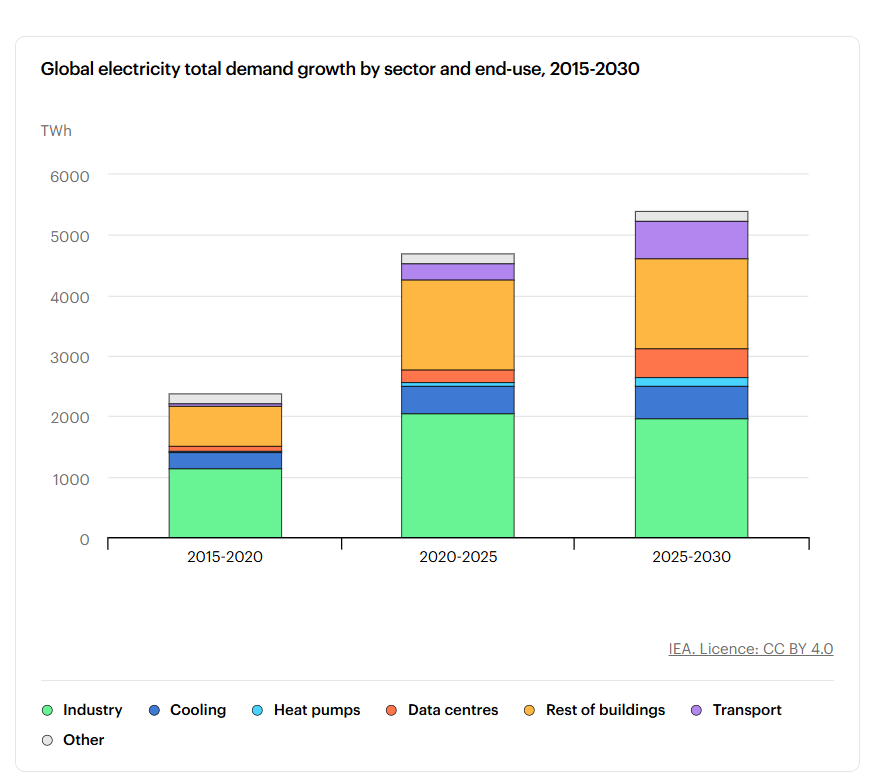
The International Energy Agency expects electricity demand from data centers, AI, and digital infrastructure to grow significantly through 2030. This will increase competition for clean power sources. In this setting, companies with low-carbon energy contracts might have a key advantage.
ezstandalone.cmd.push(function () { ezstandalone.showAds(138); });
WULF Stock and the Shift Toward Low-Carbon Mining
TeraWulf’s $31 price target highlights growing investor interest in low-carbon bitcoin mining infrastructure. The company has built a model based on nuclear and hydro energy access, with one of its key facilities operating on direct nuclear power. Its overall portfolio isn’t completely carbon-free, but it has much lower emissions than many industry peers.
Bitcoin mining remains one of the most energy-intensive computing industries in the world. Companies that secure clean, stable electricity can better adapt to market and regulatory changes.
ezstandalone.cmd.push(function () { ezstandalone.showAds(139); });
For investors watching WULF stock, TeraWulf shows a shift. It blends digital computing with lower-carbon energy systems. This positioning places the company at the intersection of three major trends:
- rising demand for digital infrastructure,
- increasing pressure to reduce emissions, and
- growing importance of clean baseload energy.
As these trends converge, low-carbon mining may become a standard rather than an exception in the global bitcoin industry.
ezstandalone.cmd.push(function () { ezstandalone.showAds(140); });
The post WULF Stock Climbs on $31 Target as TeraWulf Bets Big on Low-Carbon, Nuclear-Powered Bitcoin Mining appeared first on Carbon Credits.


