
It’s been almost six years since Enbridge’s 1953 authorization to operate Line 5 through the Straits of Mackinac came under threat, with no resolution yet in sight and still no plan to address the issue of the line’s potential closure.
Canada’s agricultural community, fearing loss of its main propane source, highlighted that there are no viable alternatives for those relying on fossil fuels for grain drying and heating.
Over five years later, court battles between Enbridge and the State of Michigan continue. Meanwhile, contingency planning for a possible shutdown of Line 5 remains inadequate, leaving the energy supply chain vulnerable.
WHY IT MATTERS: Michigan Governor Gretchen Whitmer’s plan to revoke the pipeline’s authorization directly threatens the uninterrupted delivery of fossil fuels to Eastern Canada and northern states.
Environmental concerns
Enbridge’s Line 5 pipeline carries Canadian fossil fuels from Superior, Wisconsin, through the Great Lakes water at the Straits of Mackinac to Sarnia, Ontario. The State of Michigan’s reason for revoking Enbridge’s Line 5 operational licence is environmental in nature.
The state argued that Line 5 is aging infrastructure traversing a critically important ecological area (the Straits of Mackinac), where a spill or rupture of the line could cause significant and far-reaching damage to the ecosystem and drinking water in the Great Lakes basin.
The government of Canada pushed back, citing the pipeline’s necessity to the country’s crude oil and natural gas liquids supply, as well as the long-standing co-operation between the Canadian and U.S. governments in energy.
Enbridge also pushed back.
The legal battle
Legal challenges at both the state and federal levels between the company and the State of Michigan followed.
In April 2026, the U.S. Supreme Court sided with Michigan, denying Enbridge’s request that the case be seen by the Supreme Court, rather than the Michigan state court. There is a legal battle in Wisconsin as well, with a federal judge ordering Enbridge to shut down a section of Line 5 that runs across a First Nations reservation.
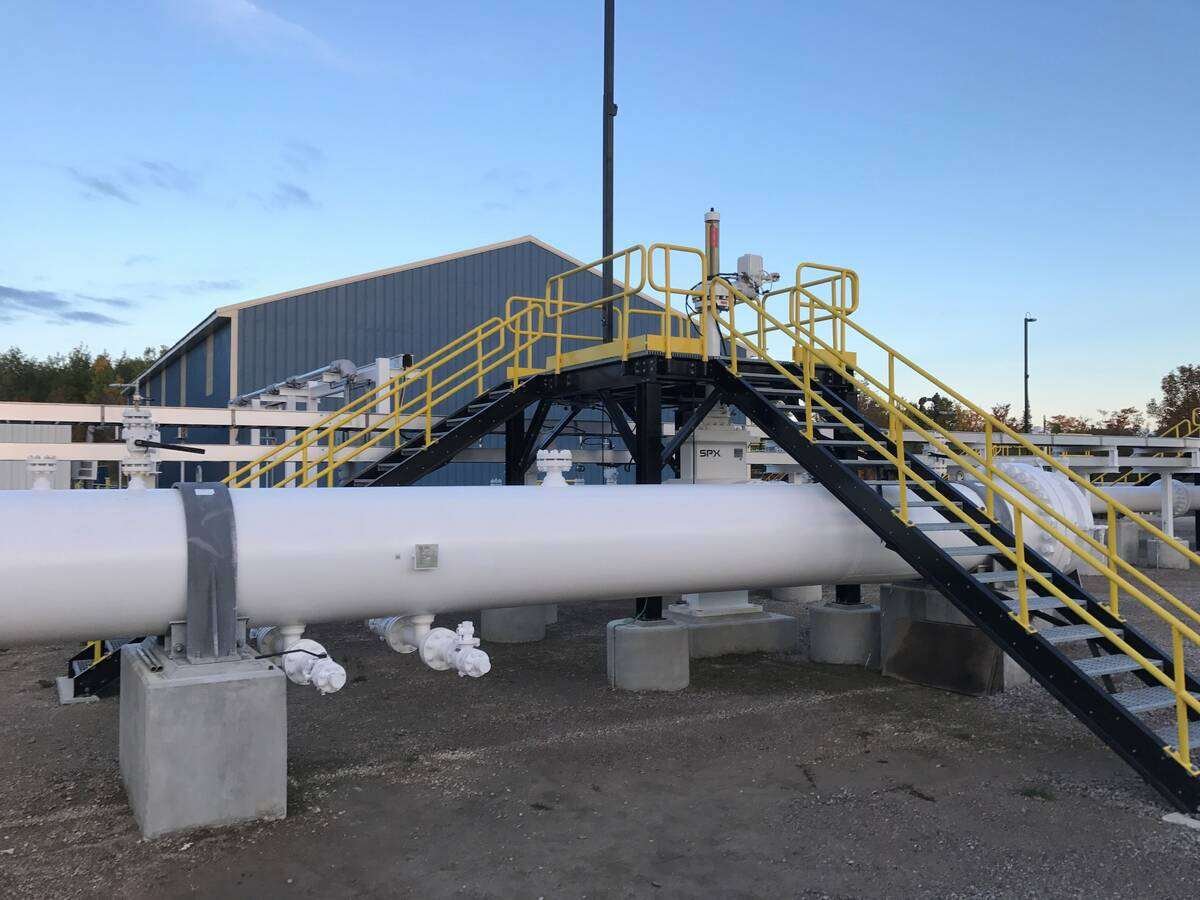
As reported by the CBC, the company is seeking permits to encase the pipeline section beneath the Straits of Mackinac in a protective tunnel, proposing to reroute the pipeline around the Wisconsin reservation and appeal the shutdown order to the 7th U.S. Circuit Court of Appeals.
Still no alternative
Despite legal disputes, Ontario and Eastern Canada remain dependent on Line 5, underscoring a lack of alternative energy solutions and the potential consequences of a shutdown.
Several inquiries to Ontario agricultural organizations revealed little new information or viable alternatives.
One agricultural spokesperson stated, “I don’t think the ag sector has done anything around this, although the impacts are much greater than agriculture.”
Transport Canada resources provided no information about potential alternatives should Line 5 be shut down in the near term, instead reiterating that the line is considered “vital to Canada’s energy security and economic prosperity.”
“The government of Canada continues to engage with the United States in support of a negotiated resolution to this issue,” the ministry said.
Shutdown impacts
Speaking in 2021, Crispin Colvin, the Lambton-Middlesex zone director and executive member of the Ontario Federation of Agriculture, highlighted that a Line 5 shutdown would deprive Michigan of 750,000 gallons of propane a day, and that no workable alternative to the pipeline existed.
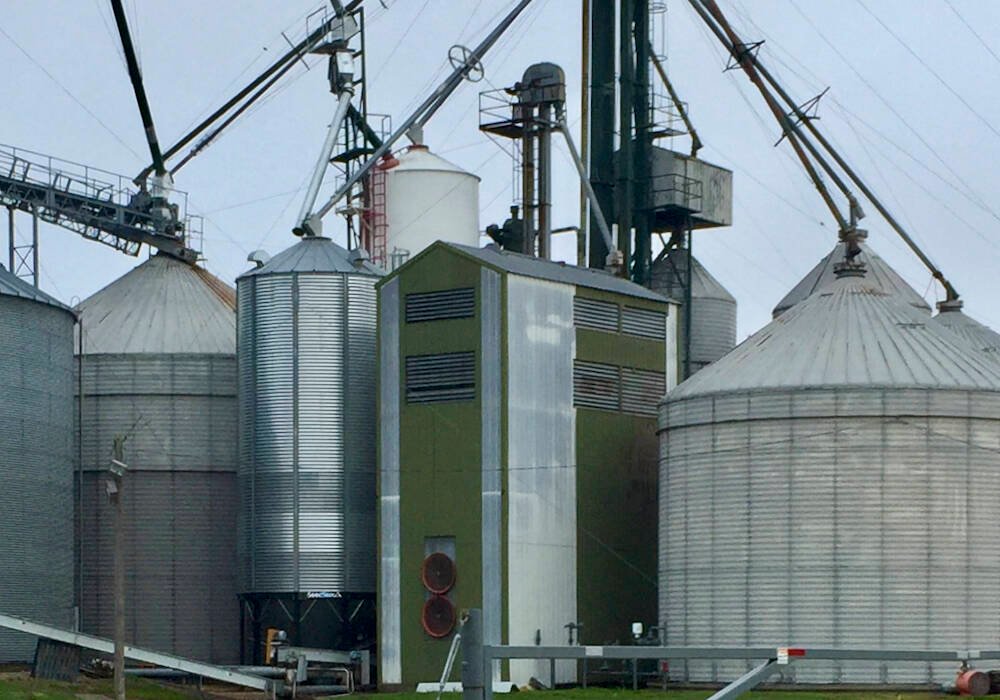
On either side of the border, no propane would mean no heat for many barns, greenhouses and grain dryers, let alone homes and other structures.
“It impacts not just the farmers but the whole food chain,” said Colvin. “It’s going to be like trying to get a vaccine. You get a little here and a little there, and that’s a frightening thought. Not just from a farmer point of view, but a whole system point of view.”
Ian Nokes, policy analyst for the OFA, confirmed the situation remains largely unchanged in the spring of 2026.
“It is a federal USA-Canada treaty that allows that pipeline to go through those areas. We are kind of disappointed it wasn’t able to go to the federal court. It shouldn’t be the jurisdiction of the states,” Nokes said.
Infrastructure investment
He suggested that, given the current White House outlook, it may be best if federal U.S. officials do not intervene.
It’s possible that a renewed push for Canadian pipeline infrastructure could alleviate the Line 5 vulnerability in the long term, said Nokes.
“It also continues to be a key pipeline for Michigan, even New York state. Maybe no news is good news,” said Nokes. “There’s really nothing we can do other than ensuring the Canadian federal government continues to understand this is a key issue, and not just for agriculture. It’s not a good situation to be in, that’s for sure.”
The post Enbridge’s Line 5 still a vulnerability for Ontario farms appeared first on Farmtario.


