
In countries across the globe, the changing world order is bringing new focus to the concept of food sovereignty and the role it plays in national security.
In Norway research and innovation is being used to strengthen its food security, leveraging data, technology and climate-specific production practices to grow more of its own food in one of the most challenging agricultural environments in the world.
With only about three per cent of its land suitable for agriculture — and just one per cent for cereal production — Norway has long depended on imports. But global disruptions, from COVID-19 to geopolitical instability, have renewed focus on food sovereignty and the risks of relying too heavily on outside supply.
Why it matters: Norway’s example provides some options when it comes to protecting food sovereignty, a topic of discussion currently in Canada.
At the centre of that effort is the Norwegian Institute of Bioeconomy Research (NIBIO), a national organization with 750 employees across 15 locations. Its work spans everything from crop production and soil mapping to agricultural economics and forestry, all focused on the goal of growing as much food as possible at the quality the market demands while also respecting environmental impacts.
Norway’s government has recently set ambitious targets for the country: increasing overall food self-sufficiency from roughly 37 per cent to 50 per cent, boosting domestic animal feed production, and raising the share of Norwegian-grown bread wheat from about 70 per cent to 90 per cent.
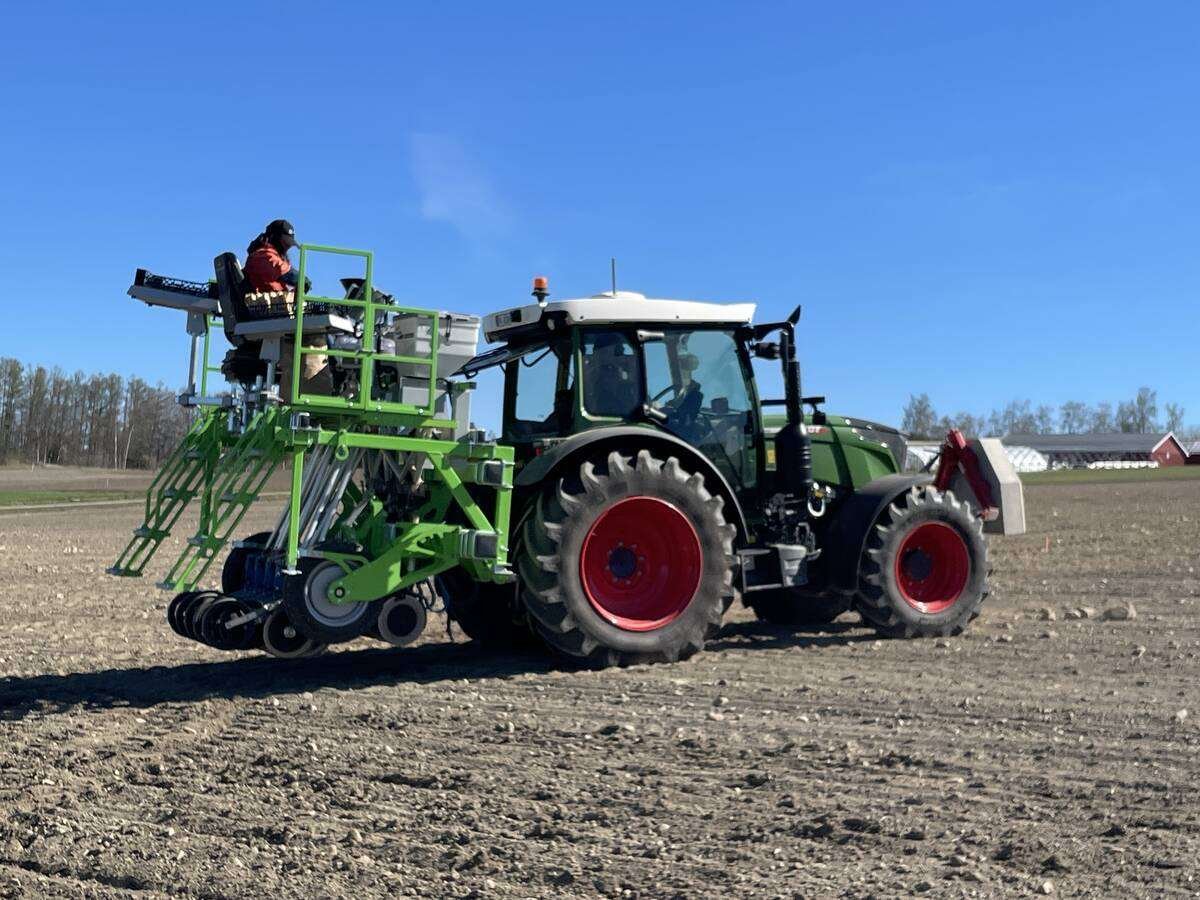
The 2026 cereal research plots at Apelsvoll research station are in the process of being planted. Photo: Submitted
Meeting those goals means continually looking for new ways to boost food production under Norway’s short growing seasons, variable rainfall and complex geography.
“We take a very applied approach to research; we work on solutions for society,” said Wendy Waalen, a Canadian researcher and head of NIBIO’s department of grain and forage seed agronomy since 2016.
At Apelsvoll, a research farm started in 1930 but with roots dating back to the 1300s, scientists study everything from cereal crops and oilseeds to potatoes, vegetables and forage. The focus is not on plant breeding, but on how to grow crops more effectively — when and how to seed, fertilize and protect against pests to improve yield, quality and environmental outcomes.
Long-term trials are a cornerstone of that work. One experiment has tracked the impact of manure versus mineral fertilizers for more than a century, while another has compared different cropping systems since 1989, measuring yield, soil health and nutrient losses into a nearby lake environment.
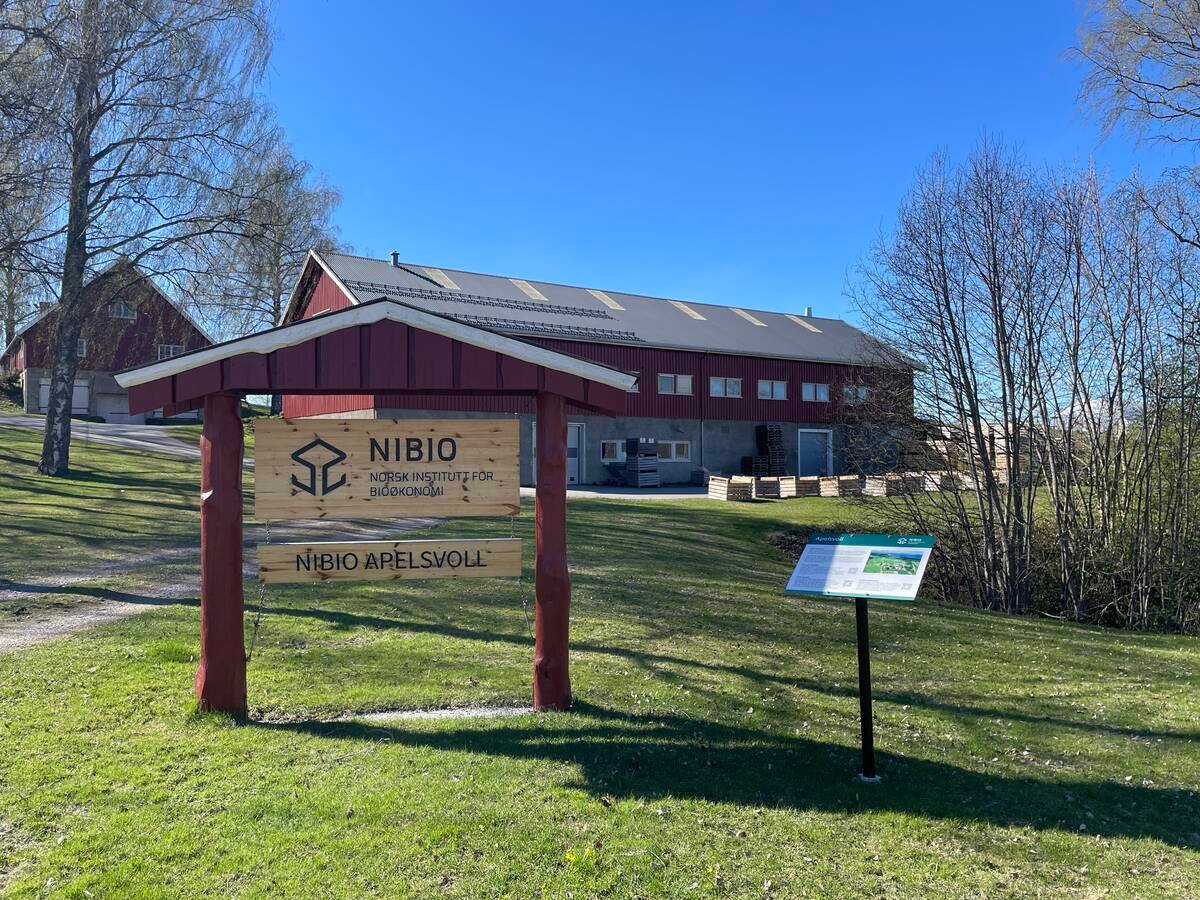
NIBIO has 15 locations across Norway to ensure crop and soil research is adapted to local conditions. Photo: Submitted
Those insights feed directly into policy and farm decision-making. NIBIO also provides the data behind support program negotiations between farm organizations and government, and develops tools that help guide land-use regulations.
“Food systems are very interconnected,” Waalen says. “It’s not just about growing the crop — it’s also about infrastructure, markets and policy working together.”
Alongside agronomy, NIBIO is exploring how new technology, such as drones, remote sensing and precision agriculture tools, can help Norwegian farmers make better use of their limited land base.
“We don’t have a lot of arable land, so we have to make the best use of what we have,” says Kristian Rindal, a senior engineer in agricultural technology with NIBIO.
Drones, for example, can seed or fertilize areas that are too wet or inaccessible for conventional equipment. They’re also being used to collect data that can guide fertilizer application, monitor crop health and even detect wildlife ahead of harvest.
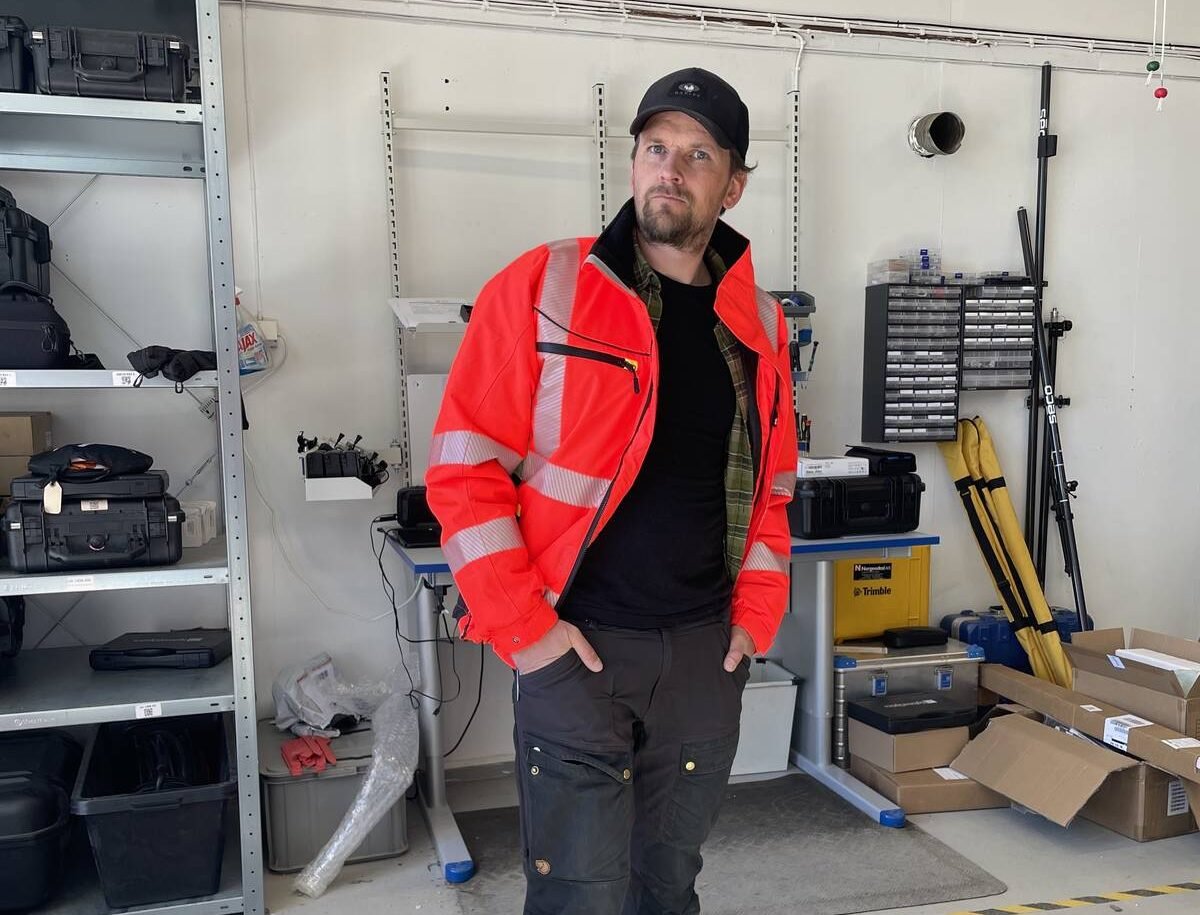
Engineer Kristian Rindal leads practical research into uses cases for drone technologies in Norway, such as seeding or fertilizing land that is too wet or too inaccessible for conventional equipment. Photo: Submitted
According to Rindal, these tools may not replace traditional equipment, but they give farmers more flexibility, which is important in a country with challenging terrain and weather.
Climate change is adding both opportunities and challenges. Longer growing seasons may allow Norway to introduce new crops such as soybeans, lentils and lupins. But increased rainfall — especially in the fall — can affect harvest timing, soil conditions and crop quality.
That makes research into locally adapted practices critical, Waalen says. It’s also why Norway continues to invest in domestic plant breeding and production systems tailored to its conditions.
“About 70 to 80 per cent of the spring cereal varieties grown, for example, here are based on Norwegian genetics,” she says. “That’s something we need to maintain for the future.”
The post Norway boosts food sovereignty through research, innovation appeared first on Farmtario.


