As you begin looking ahead to the next school year, agriculture can provide an engaging, real-world context for teaching science, social studies, literacy, math, and STEM concepts.
From the food students eat to the clothes they wear and the fuel that powers transportation, agriculture connects to everyday life in meaningful ways.
The good news? Incorporating agriculture into your classroom doesn’t require a complete curriculum overhaul. Simple activities, discussions, and hands-on lessons can help students make meaningful connections while supporting Iowa Academic Standards across subject areas.
Here are a few easy ways to start planning for agricultural learning this fall.
Trace Everyday Items Back to Agriculture

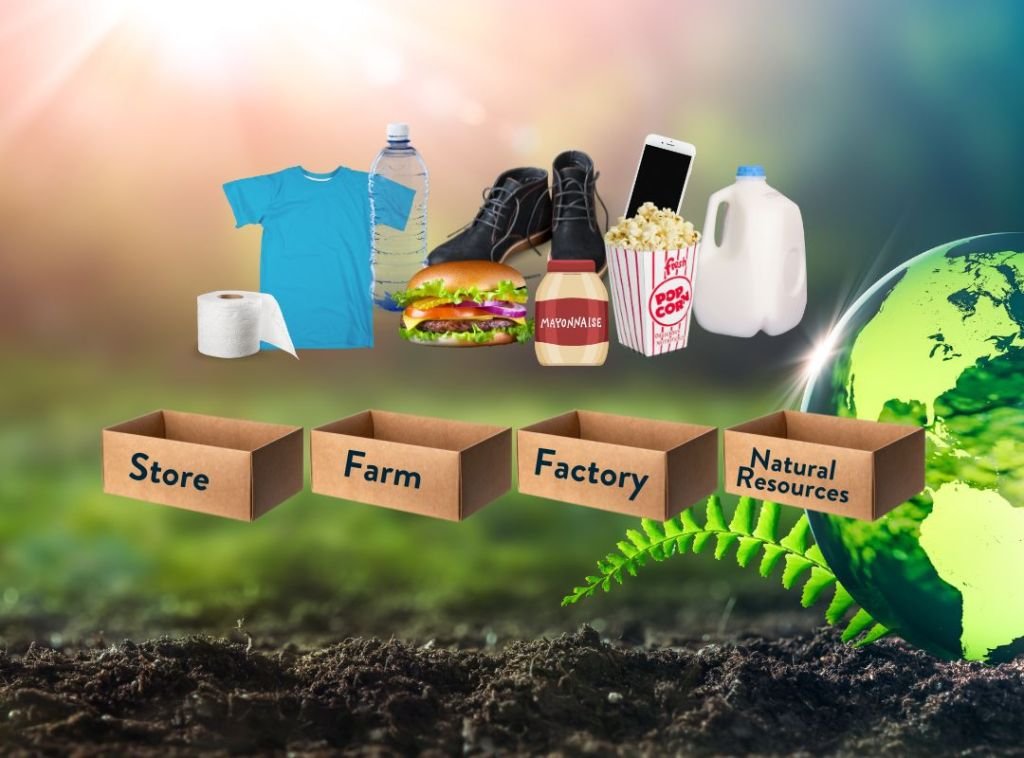
Help students discover how agriculture impacts their daily lives by challenging them to trace common products back to their agricultural origins. Students are often surprised to learn how many everyday items come from plants and animals.
- Explore questions like:
- Where does your t-shirt come from?
- What ingredients are used to make marshmallows?
- How does corn become fuel or plastic alternatives?
Recommended lesson:
- Search for the Source (K-2, 3-5)
Start Discussions with Agriculture Bellringers
Agriculture is a great way to spark classroom conversations, journal writing, and critical thinking at the beginning of the school year. Bellringers and discussion prompts can help students connect personal experiences to larger topics like food systems, careers, natural resources, and technology.
Try questions such as:
- What’s your favorite food and where does it come from?
- Have you ever visited a farm or farmers’ market?
- What jobs are connected to agriculture?
- Why do farmers use science and technology?
You can also pair discussions with agriculture-themed books to strengthen literacy connections.
Book connections:
- Right This Very Minute
- How Did That Get Into My Lunchbox?
- Dig In! Uncovering the Secrets of Iowa’s Veggie Farms
Plant a Windowsill Garden

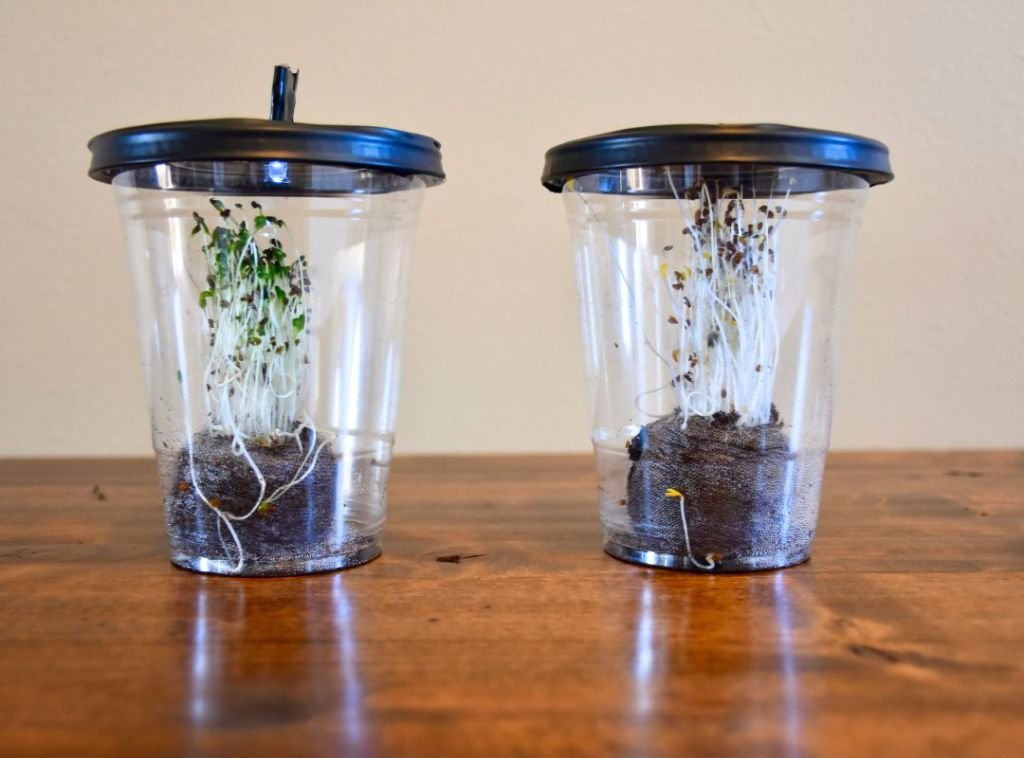
Hands-on learning opportunities help students observe science concepts in real time. A simple windowsill garden can help students explore plant growth, soil, nutrients, weather, and the needs of living things while building observation and data collection skills.
Recommended lessons:
- What Do Plants Need to Grow? (K-2)
- Desktop Greenhouses (3-8)
- Plant Nutrient Deficiencies (9-12)
Explore Fall Produce
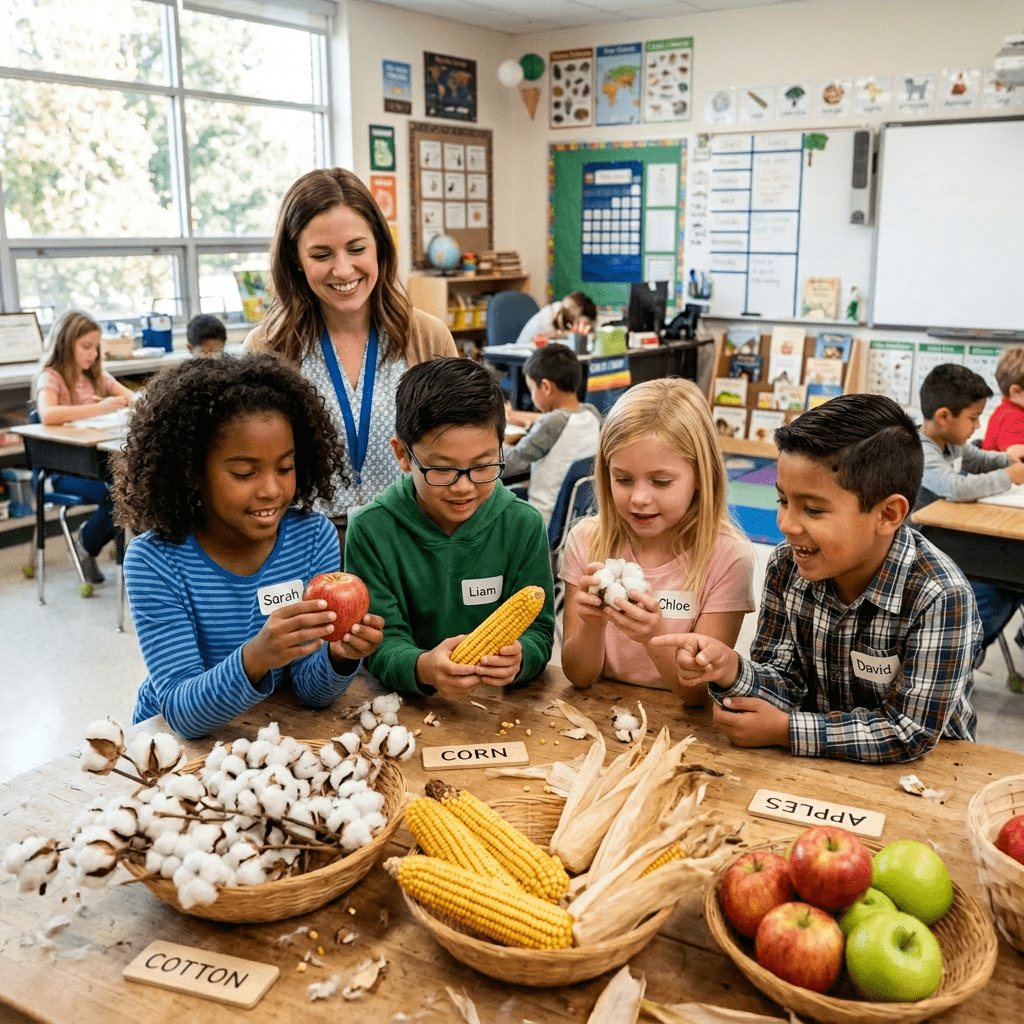
Fall is the perfect time to connect seasonal produce to science, math, nutrition, and agriculture lessons. Apples and pumpkins can be used for estimating, measuring, comparing, graphing, investigating plant genetics, and discussing food production.
Recommended lessons:
Bring Agriculture Into Literacy Instruction
Agriculture-themed books can help students build literacy skills while exploring real-world topics and careers. Consider using Dig In! Uncovering the Secrets of Iowa’s Veggie Farms as a read-aloud, literature circle selection, or small-group reading resource. The book introduces students to the innovation, problem-solving, and STEM concepts involved in modern agriculture.
Connect with Local Agriculture Experts
Planning ahead now can also help you build partnerships for the school year. Local Ag in the Classroom coordinators, farmers, agribusiness professionals, extension staff, and commodity groups can provide guest speakers, classroom resources, and hands-on learning opportunities that help students make meaningful real-world connections.
Contact IALF to connect with an Ag in the Classroom coordinator in your area.
Find lessons, resources, publications, and local contacts at IALF website.
- Source: https://iowaagliteracy.wordpress.com/2026/05/27/start-planning-now-for-fall-agriculture-learning/