

Today, consumers are seeking adventures in the foods they eat. They are willing to try global flavours and ingredients with unique combinations. Hybrid products are being invented such as cronut (croissant donut), cruffin (croissant muffin), buffin (bagel muffin), brookie (brownie cookie) and crookie (croissant cookie). Innovative packaging can add appeal to consumers and compliment the introduction of novel baked goods.
There is much interest in the product’s journey and tackling food insecurity with attention to local sourcing and sustainable farming practices. The focus on sustainability extends to the package and selecting eco-friendly options. Other driving forces behind bakery packaging trends include convenience, portion control, an on-the-go lifestyle, e-commerce growth, innovation in packaging materials and extending shelf life. The packaging also serves to promote company brand identity and capture consumer attention.
Packaging considerations for different products
Bakery products are diverse and each product category have unique packaging requirements. There are baked goods for immediate consumption or short shelf life such as bread products, cakes and pastries.
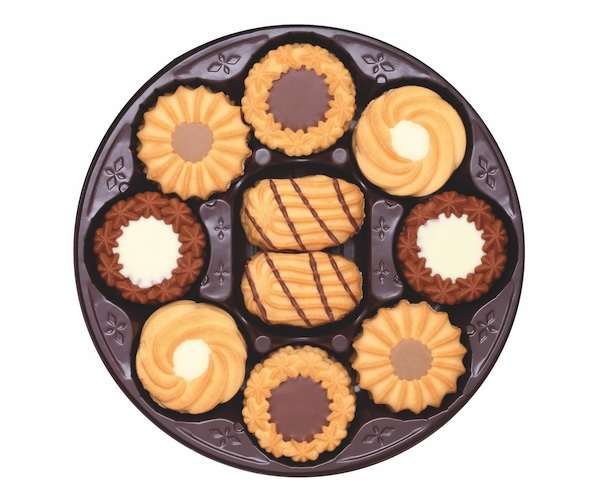 Bread products are usually sold in polyethylene or paper bags. Cakes and pastries can be sold in paperboard boxes (with or without transparent windows). For these products, clear plastic clamshells and trays are used to prevent damage during transportation and handling. Baked goods with longer shelf life, such as cookies, require moisture and/or oxygen barrier to maintain freshness. The popular package format uses multi-layer laminated materials made into flat or stand-up pouches. Lastly, frozen bakery and desserts are usually contained in a moisture barrier plastic wrap or bag within moisture resistant paperboard boxes.
The move to more sustainable packaging requires a varied approach based on the product’s needs. Reduction of packaging material use, or reuse of packaging is the preferred approach. Switching to materials that increase recycling rates or promote composting will decrease waste going to landfill. Paper-based bags and fibre boxes can be recycled or composted. FSC-certified papers ensure use of sustainably sourced raw materials. Incorporation of PCR (post-consumer recycled) materials promotes the circular economy by reusing existing resources. For plastics, switching to materials such as PET for rigid clamshell containers and trays facilitates recycling. Changing from multi-layer barrier materials to mono-material or recyle-ready alternatives with enhanced barrier properties, will ensure more materials can be captured for recycling. Use of appropriate package components (inks, labels, adhesives) ensure the entire package can be recycled.
Benefits of smart packaging
Smart packaging technology integration into packaging is gaining momentum. Augmented reality-enabled packaging allows consumers to experience immersive content such as virtual tours and product tutorials.
Integration of QR codes and NFC (near field communication) tags allows information, such as ingredient and nutrition details, to be shared with consumers. They’re also a means to tell stories of sustainability or baking techniques. Advances in antimicrobial active packaging prolongs the product’s quality without using preservatives.
Packaging can be used to sell the product by differentiation through design. However, there are challenges. There are constant regulatory changes (food safety, environmental, nutrition labelling), on-going competition, fluctuations in raw material pricing, evolving consumer preferences and retail expectations. Delighting the consumer with a package that is aesthetically pleasing and sustainable must be balanced with functionality to protect and preserve the baked goods and inform the consumer about the product.
Carol Zweep is an associate with PAC Global, a not-for-profit, trusted advisor for its member-based global packaging network. This column was originally published in the Feb./Mar. 2026 issue of Food in Canada.
- Source: https://www.foodincanada.com/opinions/beyond-the-box-packaging-trends-for-the-baking-industry/


