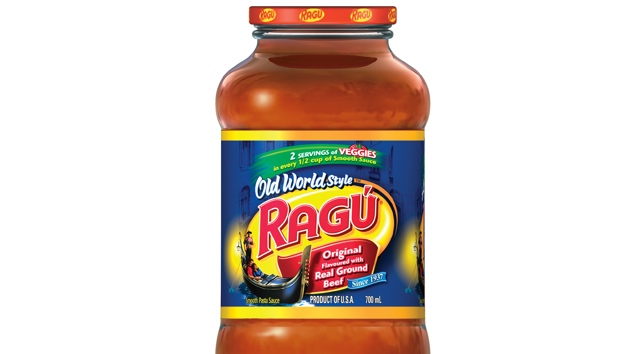
Packaging foods and beverages into hermetically sealed cans or jars requires a high level of attention to preventive controls. Part 4, Division 3 of the Safe Food for Canadians Regulations (SFCR) outlines requirements for the processing of hermetically sealed low acid foods. In Canada and most of the world, the cutoff for low versus high acid foods is pH 4.6. As this value approaches neutral pH, food and beverage products can harbour highly toxic pathogenic bacteria known as Clostridium botulinum. Below pH 4.6, many yeasts, moulds, and bacteria can still thrive. This includes spore-forming bacteria that can be activated by heating processes. As pH drops into more acidic ranges, around pH 3.7 to 3.5, very few organisms thrive. Pasteurization can provide a risk mitigation strategy against spoilage.
Variables in preventive controls
Water activity is a significant variable in preventive controls. Small molecules, such as sugars or salts, can bind the water and prevent it from supporting microbial growth or chemical reactions. These molecules are present in jars of food including honey, jams, maple syrup, and many sauces. There is a Preservation Index formula where the combination of titratable acidity, pH, soluble solids, and water activity allow for the inherent stability of products. Think of ketchup that can be left out on a consumer’s counter, while spaghetti sauce would go mouldy in the same conditions. The relatively high levels of sugar, salt, and vinegar in ketchup create an inhospitable environment for spoilage organisms to thrive.
While SFCR’s attention tends to focus on low acid products, the practices defined in the regulation are suitable for all hermetically sealed products. Unfortunately, SFCR does not give an in-depth description of what is required in a scheduled process other than including a description, the formulation, and the name of the person who prepared the documentation. The Canadian Food Inspection Agency’s (CFIA’s) Preventive Controls for Foods Guidance document contains a much more detailed write up, specifically for low acid food. It requires a product name and classification; container type, size, and closure; processing method and equipment (retort type, agitation, etc.); processing parameters (time, temperature, pressure) and critical intrinsic factors (pH, product formulation, viscosity, use of preservatives, fill, headspace, carbonation, etc.); and the name of the process authority or thermal processing specialist who prepared the documentation.
Processes for sealed product
For each lot processed, can filling parameters, can seam integrity monitoring, thermal processing parameters, visual and destructive seal or closure inspection, deviation and defect records, and incubation testing records must be maintained. Access and affordability of time-temperature dataloggers have been an important transformation, allowing operators to monitor the thermal process and apply sufficient time and temperature for safe production.
These records are very important because Clostridium botulinum is highly toxic. Some of us are old enough to remember exploding cans due to the slow outgrowth of non-pathogenic spore-forming bacteria. Quality application of HACCP and preventive control systems has succeeded in reducing and eliminating risks of biological contamination in products.
It’s highly recommended to hire a process authority or thermal processing specialist to evaluate documentation and operating procedures for production of hermetically sealed packages including cans, bottles, jars, aseptic tetrapak, and high barrier pouches. These specialists apply different techniques to identify processing parameters, including evaluation of the heating characteristics of any thermal processes and identification of cold spots within the process. Moreover, they evaluate the thermal properties and heating characteristics of the product. In most cases, they will apply mathematical models from engineering tables that have characterized the intrinsic properties of the product. Additional thermal testing at a laboratory may also be necessary.
When working with a consulting process authority it’s very important to ask about their experience. Ask for credentials and what authoritative references they use for their modelling.
Dr. Amy Proulx is professor and academic program co-ordinator for the Culinary Innovation and Food Technology programs at Niagara College, Ont.
This column was originally published in the Nov./Dec. 2025 issue of Food in Canada.