
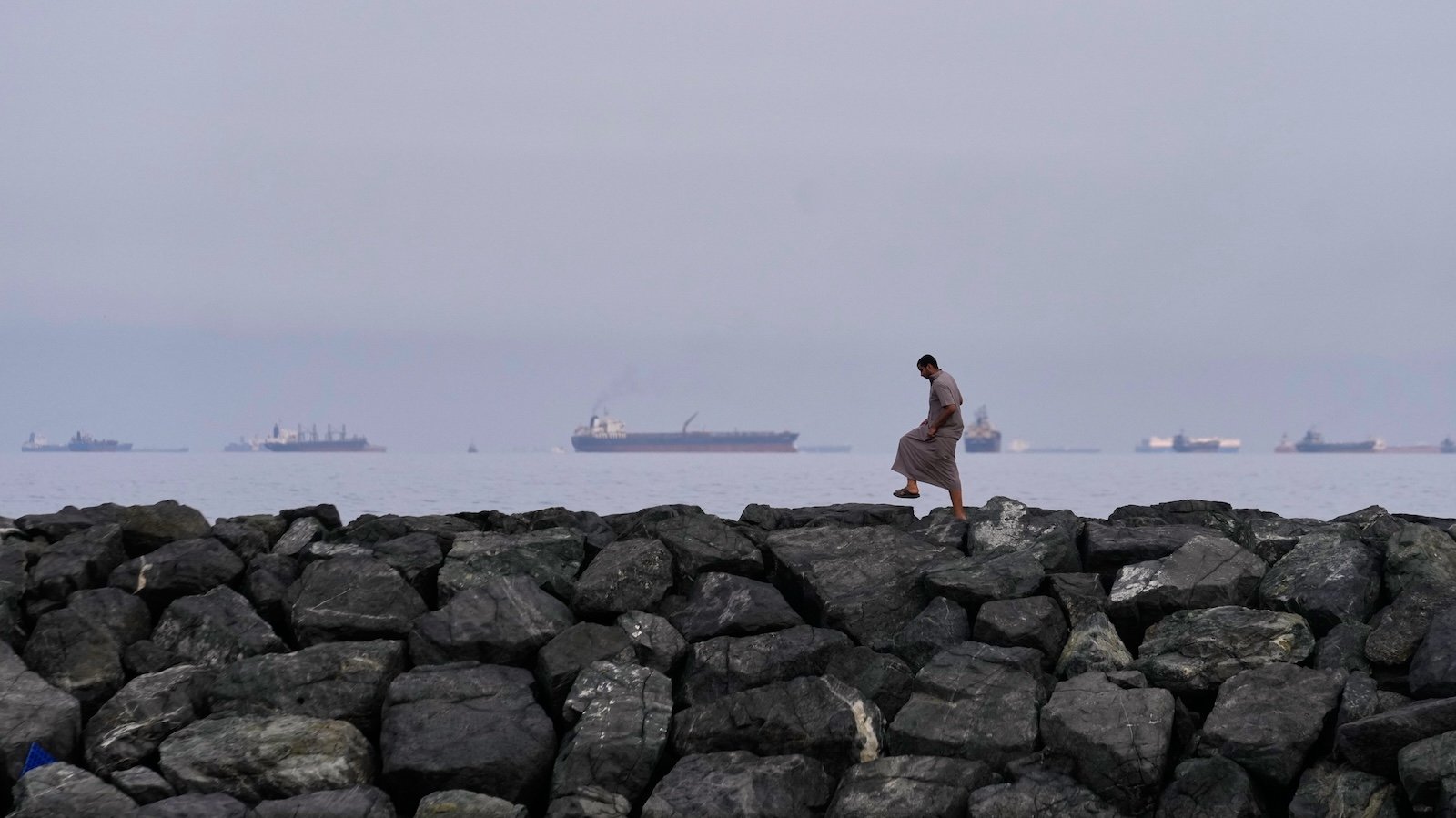
When the Strait of Hormuz first closed at the start of the 2026 Iran war, the world braced for the “largest energy crisis in history.” Before the conflict began, almost 20 percent of the world’s traded oil passed through the narrow waterway between the Persian Gulf and the Gulf of Oman. Iran’s blockade of the strait effectively erased 15 million barrels per day from circulation overnight.
Many experts and commentators predicted that the supply gap would have catastrophic consequences. Australia expected fuel rationing, the European airline industry warned of mass flight cancellations, and Goldman Sachs predicted widespread oil shortages. The International Monetary Fund warned of a potential global recession, and some traders worried that oil prices could hit $200 a barrel.
But a little over four months into the war, little of that has come to pass.
How the oil market has handled the Iran war
February 28
The United States and Israel launch a joint military operation against Iran.
March
Iran retaliates and announces that it has closed the Strait of Hormuz. Benchmark oil prices rise above $100 a barrel.
The International Energy Agency announces a coordinated strategic reserve release of around 400 million barrels from more than 30 countries, including the United States.
Governments across Asia introduce energy-saving measures such as remote work mandates and restrictions on who can drive.
April
The United States and other countries increase domestic crude production and exports, filling the gap created by the closure of the strait.
May
Brent crude rises toward around $120 a barrel, its highest level on the year, as traders fear a prolonged supply disruption.
June
On June 17, the United States and Iran sign a ceasefire agreement. Commercial shipping resumes through the Strait of Hormuz, and benchmark oil prices fall back to about $70 per barrel.
July
The ceasefire breaks down. The U.S. announces a new blockade of Iranian oil and Iran announces new transit requirements for the Strait of Hormuz. Prices rise back to about $85 per barrel.
True, oil prices have gone up around the world, and there have been critical shortages of products such as cooking oil in some places, but rationing and recession have largely not arrived. Instead, a series of emergency measures have helped avoid the predicted crises: Oil exporters including the United States stepped in to fill the gap, either by drawing down strategic petroleum reserves or increasing production. Countries that were most reliant on fossil fuel imports from the Middle East took emergency conservation measures to reduce their demand.
Here’s how the world has averted the worst of the oil shock so far, and what experts say might happen next if the conflict continues to drag on.
Finding alternative sources of oil
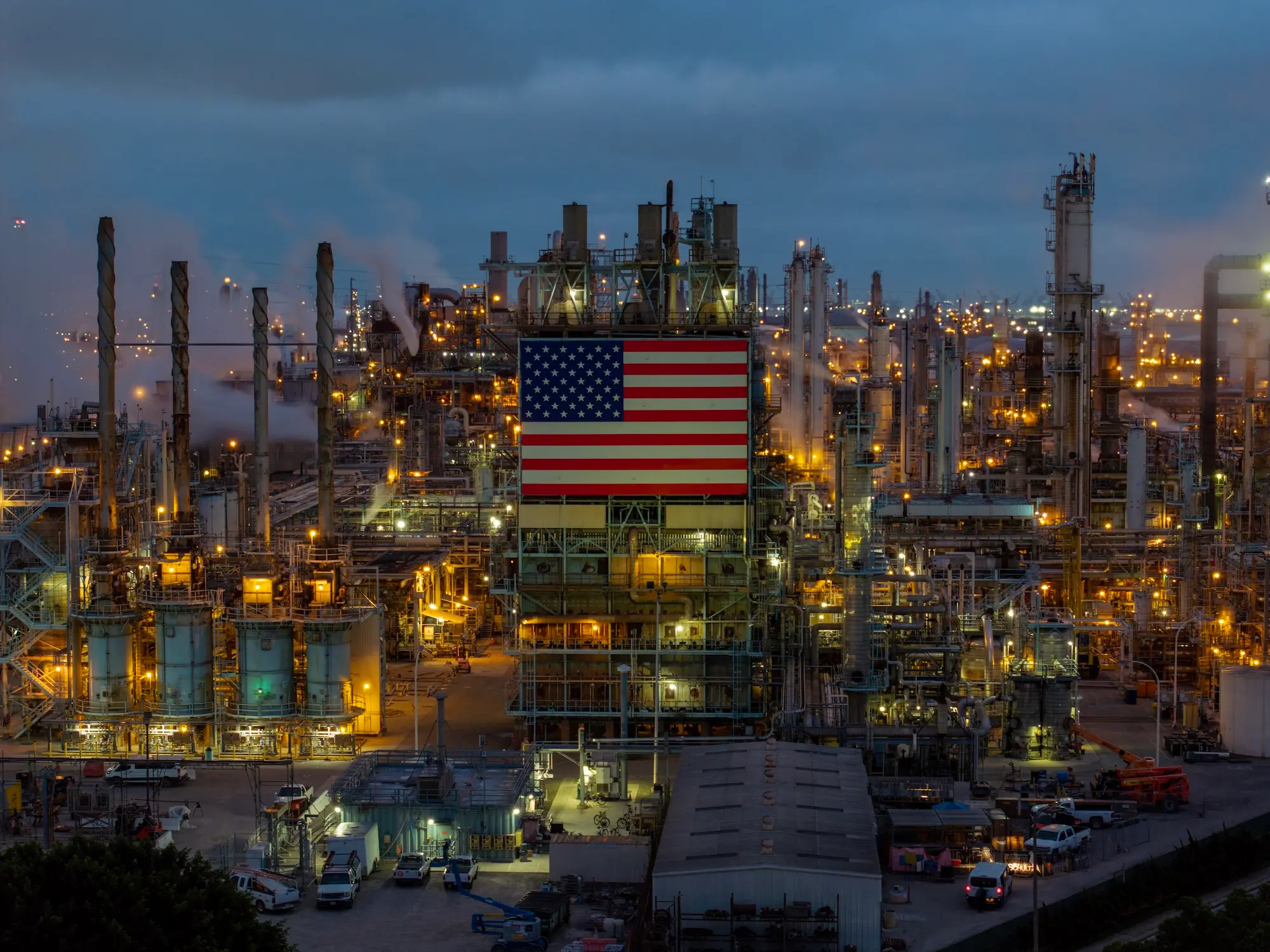
In the months since Hormuz cut off access to Iran’s main oil supply, the world has scraped every corner to find substitute barrels of crude oil. Many countries had stockpiles of oil saved up for an emergency, and in March, the International Energy Agency coordinated a historic release of oil from those reserves. That put on the market more than 400 million barrels, enough to fill about 20 days’ worth of the supply from Hormuz.
David McNew / Getty Images
In addition, oil producers around the world ramped up production to take advantage of elevated prices. The United States, Venezuela, and Norway all pumped out more crude in the first half of the year than they had in previous months, with those additional barrels going to countries that had previously relied on shipments from Iraq and Saudi Arabia. South Korea, for instance, doubled its oil imports from the United States between February and April of this year. Iraq and Saudi also routed more than 6 million barrels of oil per day through land pipelines that were operating below capacity, skirting the strait altogether.
China, the world’s largest oil importer, also helped stabilize the world market. It stopped buying oil for its own strategic reserve after the war began, and it also stopped purchasing crude for its own domestic refineries, shutting them down for months. To generate electricity, it pivoted to coal and solar. These measures together freed up another 5 million barrels per day for the world market.
Using less oil
Even as the world scrambled to replace Middle East oil, the Asian countries that rely on it moved aggressively to slash their usage. Many nations idled their factories and industrial facilities that use petroleum-based liquids, which shaved off a few million more barrels a day. Some increased imports of electric vehicles or accelerated plans to adopt solar and wind technology to reduce their dependence on foreign oil and gas. But the vast majority of imported oil is used for transportation and power generation, so in order to weather the crisis, countries also needed to change consumer behavior.
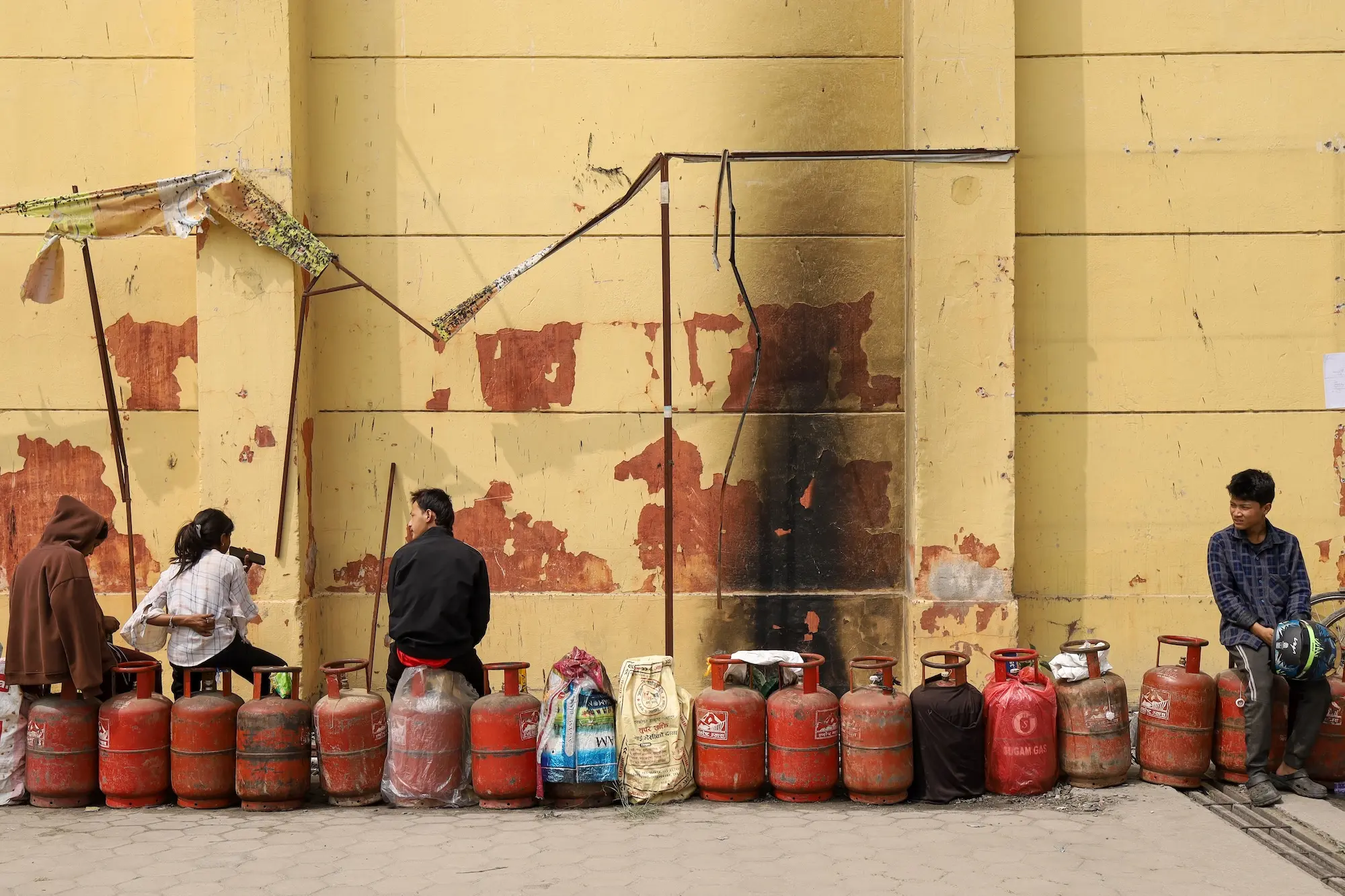
More than 100 countries enacted some form of conservation measure, ranging from limits on elevator usage to outright restrictions on when people could drive. The Philippines, Pakistan, and Sri Lanka all moved to a four-day work week, and Myanmar restricted gas vehicles to driving every other day based on the number of one’s license plate. Bangladesh limited air conditioning temperatures to 77 degrees Fahrenheit and closed public university buildings. This helped reduce demand on a power grid that runs on imported oil and liquefied natural gas, much of which also comes through Hormuz.
Some wealthier countries in Europe got even more ambitious: The Netherlands, for instance, allowed citizens to trade in gas cars for electric ones, and Sweden halved the cost of public transportation fares.
Subaas Shrestha / NurPhoto via Getty Images
These conservation measures likely prevented an out-of-control price spiral, giving importers time to procure more oil from other nations. They also likely saved Asian countries from needing to impose extended periods of rationing the way the United States had to do during the oil crisis of the 1970s, the largest previous disruption to the world’s oil supply.
“There have been multiple measures taken by governments both on the supply and demand side, but mainly on the demand side for large oil importers,” said Kevin Morrison, an analyst at the Institute for Energy Economics and Financial Analysis who focuses on oil and gas in Australia. “This is a trend that is likely to continue as the uncertainty around future oil supplies remains uncertain.”
How long can these tactics last?
Even though the most dire early predictions haven’t borne out, the closure has not been easy. In the early days of the crisis, before countries procured substitute fuel, price spikes and supply disruptions in Asia altered millions of lives. Taxi drivers in Myanmar lost their livelihoods and funeral homes shut cremation services for lack of fuel. A lack of fertilizer during key rice planting times in Asia will likely hamper harvests later this year, contributing to higher food prices.
Aside from crude oil, the war has caused shortages of other goods like helium and sulfur, shipments of which also pass through the Strait of Hormuz. This has contributed to broader inflation for everything from nickel to semiconductors.

Matt Hunt / Anadolu via Getty Images
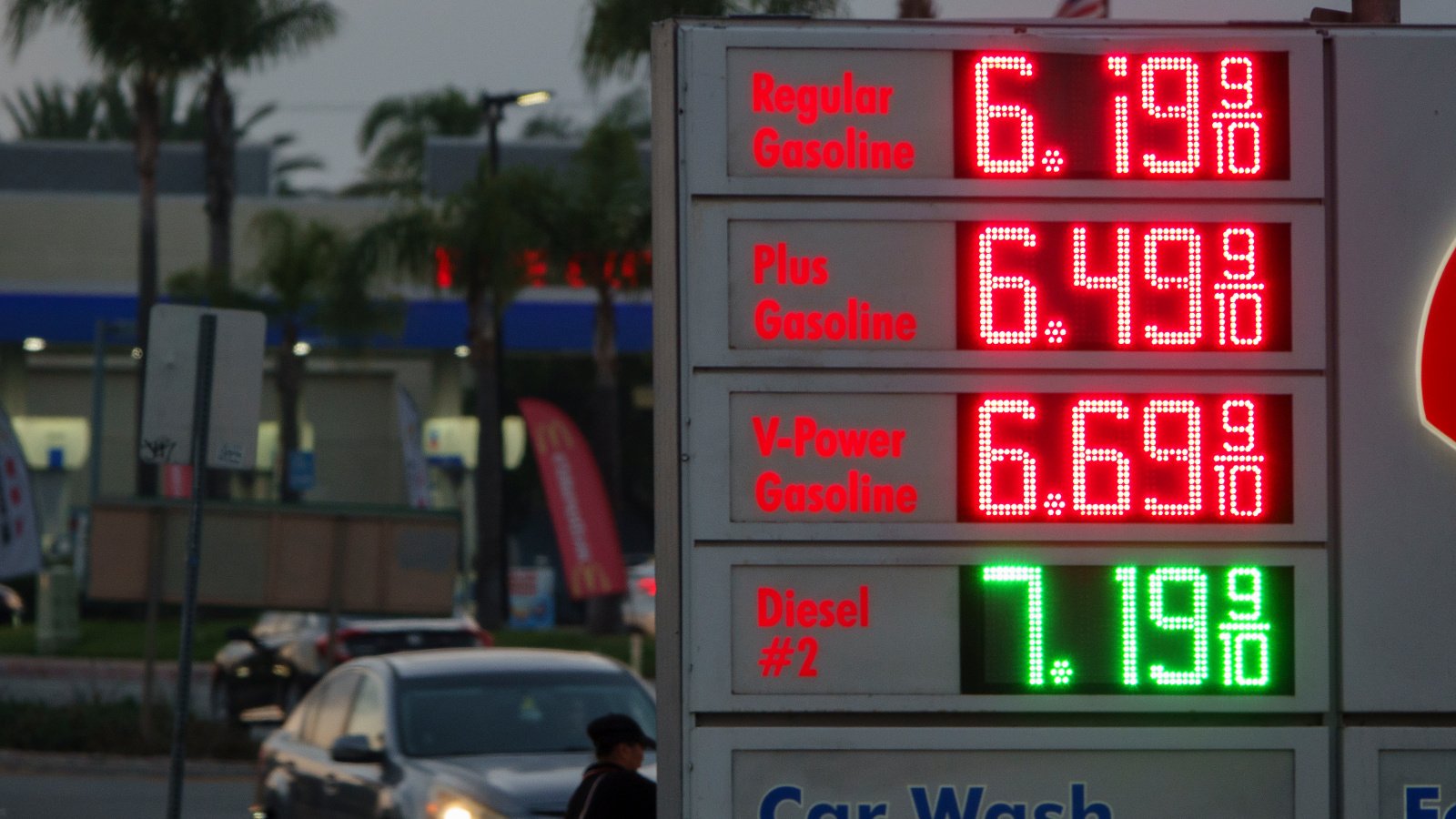
The market shifts of the last few months have had consequences even in places like the United States that could afford a consistent supply of oil. Refiners around the world have produced more jet fuel to keep airlines supplied, but that means they have also produced less gasoline for cars. As the U.S. heads into the peak summer driving season, its gasoline inventories are as low as they have been in a decade. Supplies could drop even lower this fall as companies perform delayed maintenance on their hard-working refineries, said Bob McNally, the founder of the analysis group Rapidan Energy Group, who also advised the administration of President George W. Bush on oil policy.
It may soon get a lot worse. Even though global oil prices have fallen from their peak, there’s still a fundamental mismatch between oil demand and oil supply. As a result, experts say the world could still experience severe economic disruption later this year if the strait remains closed. Some vessel traffic resumed through the Strait of Hormuz last month following a tentative agreement between the United States and Iran, but the ceasefire has collapsed and Iran now says the strait is closed again.
“The market decided at the end of Round 1 to price for perfection” in an Iran deal, McNally said. “Instead, we’re getting Round 2. We played some tricks and some cards, but all these things … are either wearing off or already known.”
Those “tricks” have run their course. Most countries’ emergency stockpiles are close to depleted, and the U.S. strategic petroleum reserve has fallen so low that its structural integrity is starting to strain. At the same time, China has ended what McNally called its “crash diet” and has started to buy oil for its refineries again.
This leaves the world without the buffer that it had during the first round of the crisis.
“Hormuz 1.0 was about supply and inventory,” said McNally. “In Hormuz 2.0, prices will have to do more of the work. And they have to go really high, because the problem is demand is inelastic — you’ve got to eat.”
toolTips(‘.classtoolTips10′,’A conductive and heat-resistant metal that forms a key part of many battery cathodes, which allow electric charges to flow. It is used in the lithium-ion batteries that power many EVs as well as solar energy systems and wind turbine components.‘);
This story was originally published by Grist with the headline Why the Iran war hasn’t caused a global oil crisis — yet on Jul 21, 2026.


