
Impact mills are becoming a more common weed management method in Canada.
“The goal here (with harvest weed seed control) is to manage weed seeds that are still in the field at harvest and prevent their dispersal,” Breanne Tidemann, a research scientist in weed science and field agronomy with Agriculture and Agri-Food Canada, said during a recent webinar.
“So one of the best weed seeders that we have is really the combine.”
Why it matters
Impact mills only pencil out for the largest combines — a lower-horsepower option would open harvest weed seed control to far more Prairie farms.
Impact mills attach to the combine, process chaff and redistribute straw residue back onto the field while pulverizing weed seeds. This action reduces weed seed germination and lowers the weed seedbank.
Three are currently available on the market:
- Redekop Seed Control
- Seed Terminator
- Harrington Seed Destroyer.
However, the machines have a large horsepower requirement.
“Typically, what we are saying is you want to have a Class 8 combine or larger,” said Tidemann, who was part of the recent cuts at Agriculture Canada and will be moving to a research position in Norway in July.
“And you expect to operate that combine at a class lower than what it is … because you’re using that extra horsepower for the mills.”
From horsepower problem to light
Tidemann has been doing extensive research on impact mills as a way to manage weeds. The horsepower issue has led to the concept of using directed energy to control weeds.
She has been using a bench top weed seed destroyer to test how well directed energy works against Canadian weed seeds.
The goal of the directed energy is that it will require lower horsepower to run, lower cost to implement and can be used for older and smaller models as well as the larger, newer combines.
However, Tidemann said figuring out how that will happen is a commercialization and engineering problem, neither of which is her field of study.
The technology works through a combination of blue light and infrared wavelength light to eliminate weed seed viability. It’s been patented by Global Neighbour Inc. from the United States, which has formed a commercialization partnership with Redekop. They’re already working to bring it to combine scale.
Testing 10 different weeds
For Tidemann’s tests, she and her team have mixed seeds with chaff to be processed through the hopper and auger of the machine, which are then processed in the direct lights. After processing, they hand sieved and then picked through the mixture to obtain the weed seeds for testing.
Ten weed species were tested:
- wild oat
- volunteer canola
- wild mustard
- cleavers
- green foxtail
- wild buckwheat
- redroot pigweed
- lambsquarters
- kochia
- storksbill
Samples were created with 100 seeds of each weed species for each treatment, which then went into germination boxes.
“Anything that does not germinate, we remove and we test for viability by doing an embedded press test,” she said.
“Which, basically, we squish the weeds to see if they look like they are still viable.”
An additional test of the machine is using varying levels of infrared light. Everything is processed at the same speed, but they have been adjusting the infrared light to establish the best levels to eliminate germination.
Early results: kochia and wild oats respond
This was the first year of the experiment, and the results are still being analyzed. However, Tidemann did share the extremely preliminary data during the webinar.
What they found was that at a higher temperature, produced by increased infrared light, germination was reduced.
Tidemann commented on key weed species and their results, saying it seemed like the process worked on kochia and wild oats.
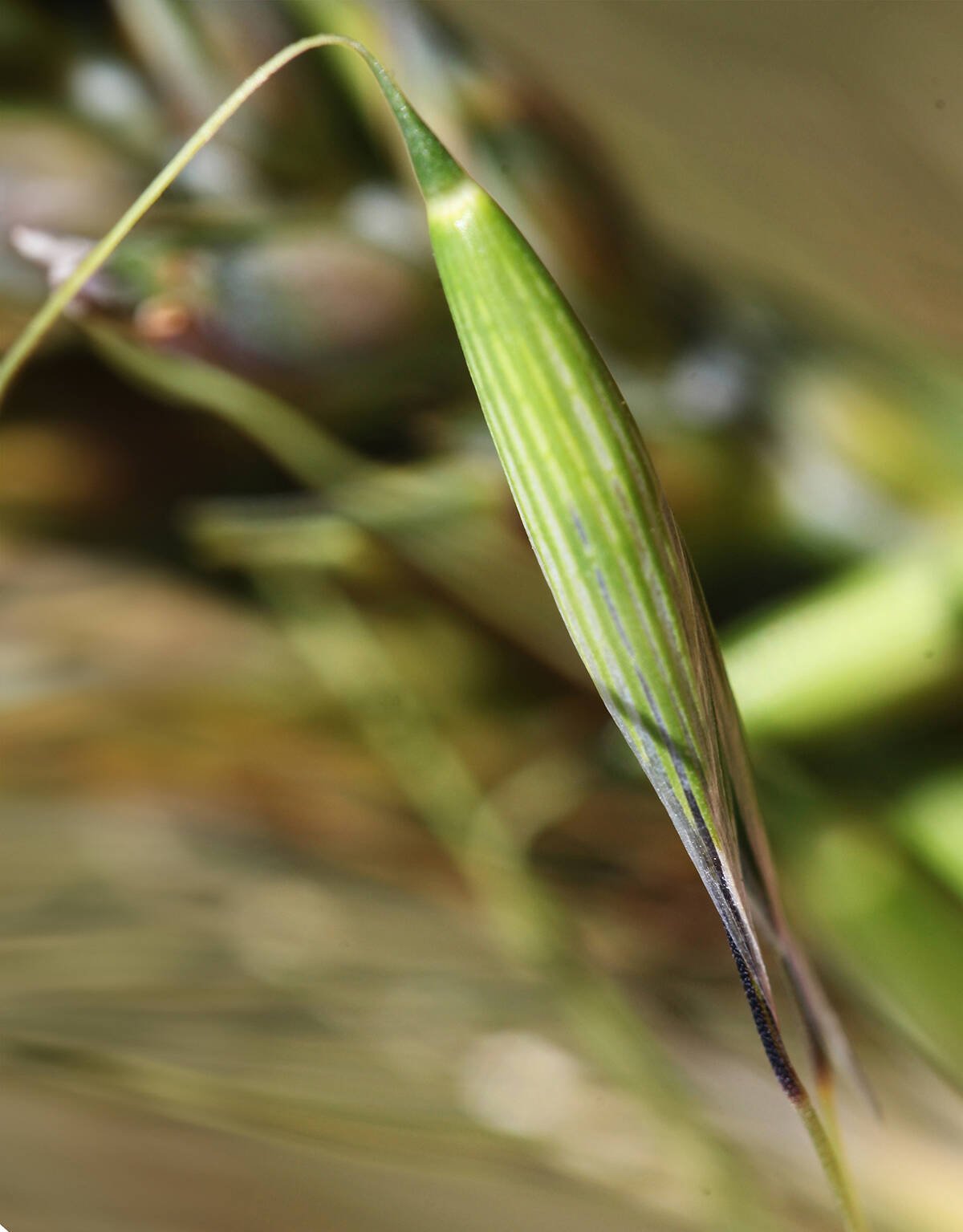
With kochia, germination and viability were reduced quite quickly. Wild oats were had an interesting result, in that they looked structurally sound but there had been changes to the internal seed structure.
“What we were seeing in this study was that the seeds were large, healthy-looking ones,” she said.
“But when squished, instead of that pasty texture, it was really liquefied and rather gross, if I’m being honest.”
The post Directed energy could bring weed seed control to smaller combines appeared first on Farmtario.


