

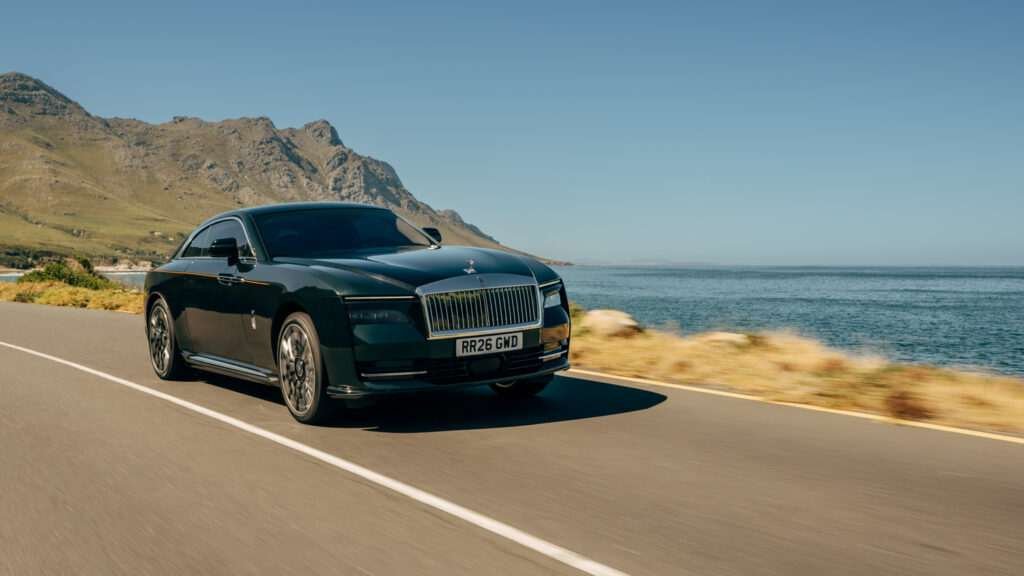
Rolls-Royce says its electric Spectre has been a “huge success” – and the world’s most famous luxury brand says EVs could outsell its V12s within years.
Speaking in Australia during a recent visit, Rolls-Royce director of sales and brand Julian Jenkins said the company’s first EV had quickly established itself as a core part of the lineup, finishing as the second best-selling Rolls-Royce globally in 2025 behind the Cullinan SUV.
“Spectre has been a huge success,” said Jenkins. “EV suits Rolls-Royce more than it does anyone else. It’s silent, it’s torque, it’s the magic carpet ride. Spectre proves it.”
READ MORE: Rolls-Royce Spectre Series II gains more power, range and luxury stuff
READ MORE: 2024 Rolls-Royce Spectre: 8 things you need to know about a car that is and isn’t an EV benchmark
READ MORE: The $1 million Rolls-Royce Spectre reviewed: Is this the best electric vehicle ever made?
Asked how soon Rolls-Royce could be selling more EVs than V12-powered cars, Jenkins wouldn’t put a date on it, but suggested it could happen before long.
“That’s a great question … we’re led by the clients. We don’t force the volume, we don’t chase the volume,” he said.
“I imagine that we might see that, but it’s difficult to say. Our clients will make the decision. But I think we see an ongoing demand and request for electrification in terms of Rolls-Royce.”
Younger buyers driving the shift
The Spectre is pulling in a different – and younger – customer to Rolls-Royce.
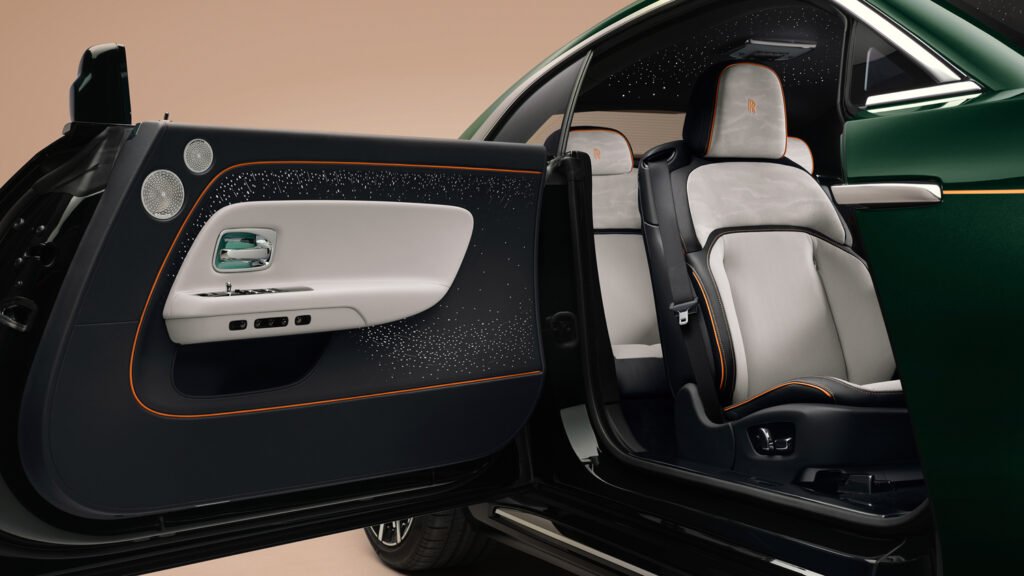
Jenkins said Spectre buyers typically skew younger than the traditional Rolls-Royce customer, almost all charge at home, and the electric coupe is usually the second Rolls-Royce in a multi-car garage.
“They might have a Phantom, for example, because it’s a chauffeur-driven [car] that they want to go to restaurants or a concert in,” he said.
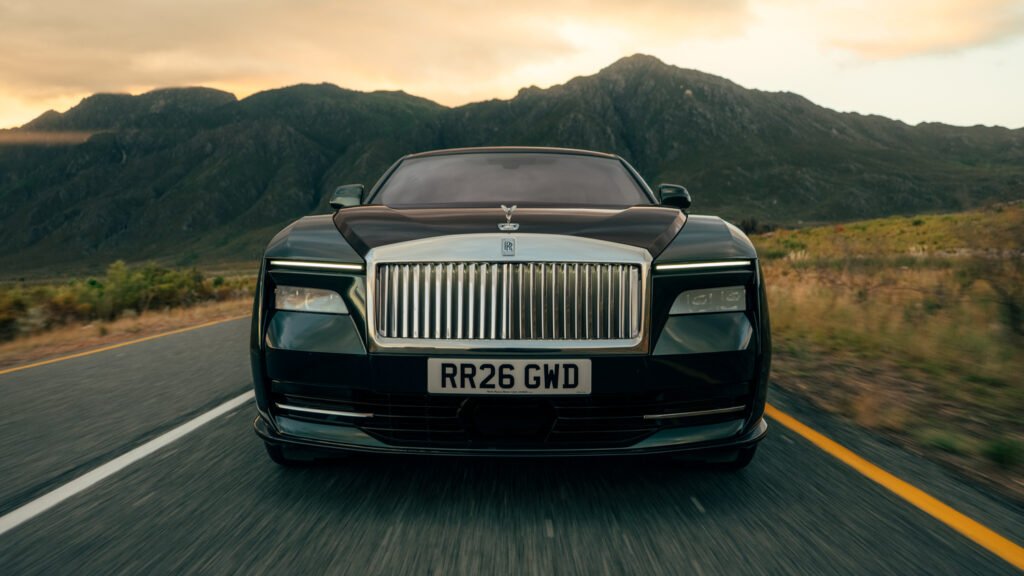
“But on a Sunday morning they might want to go for a drive, and a Spectre is a perfect ultra-luxury two-door coupe to be able to do that in.”
It’s part of a broader demographic shift for the 121-year-old brand.
In 2010 the average Rolls-Royce buyer around the world was 56 years old. Today it’s closer to 42, according to Jenkins.
Nor has the electric transition been a hard sell for the brand that only plays in the uber luxury space.
“Surprisingly not,” said Jenkins when asked whether traditional V12 loyalists were resisting the switch.
“Our clients very much manage their lifestyles and have the luxury of being able to choose.”
Spectre Series II due this year
An updated Spectre Series II was unveiled recently and will make its way Down Under before the end of 2026, bringing a raft of updates that improve range and performance.
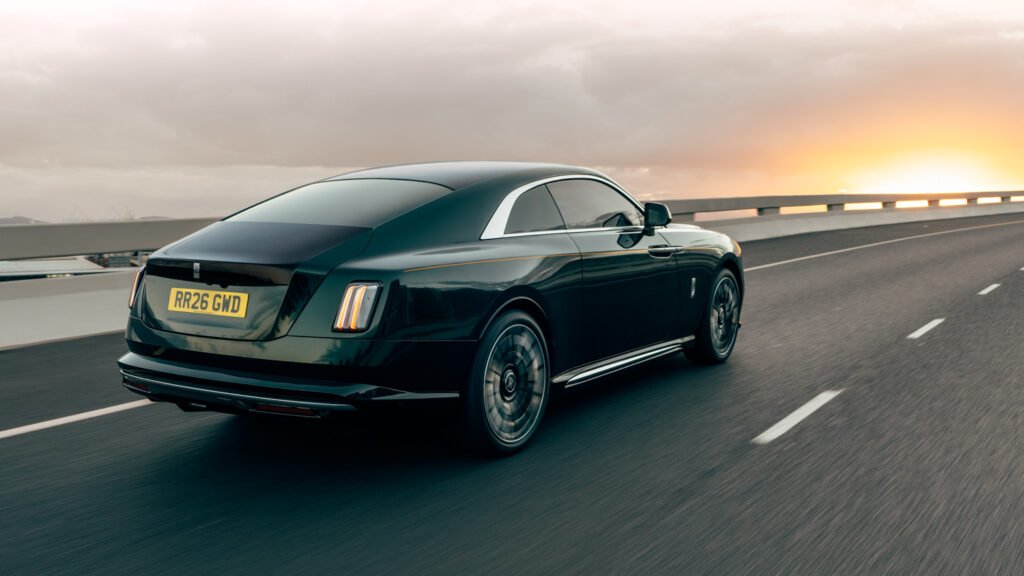
“Increased range, shorter charging times, more bespoke opportunities for our clients,” said Jenkins of the update, which includes a boost in outputs to 500kW and 1100Nm.
Claimed range, too, is now up to 628km.
“We are committed to an EV future as well as offering V12. It’s up to the client to choose.”
The next chapter in the EV story is Project Nightingale, a coach-built electric model sitting at the top of the Rolls-Royce pyramid.
The brand refers to it as “production concept” that will be built for 100 people from 2028.
Jenkins said the choice of an electric powertrain was a natural one: “If we were to think of the architecture that would most perfectly suit a car with a character like that, it would have to be EV.”
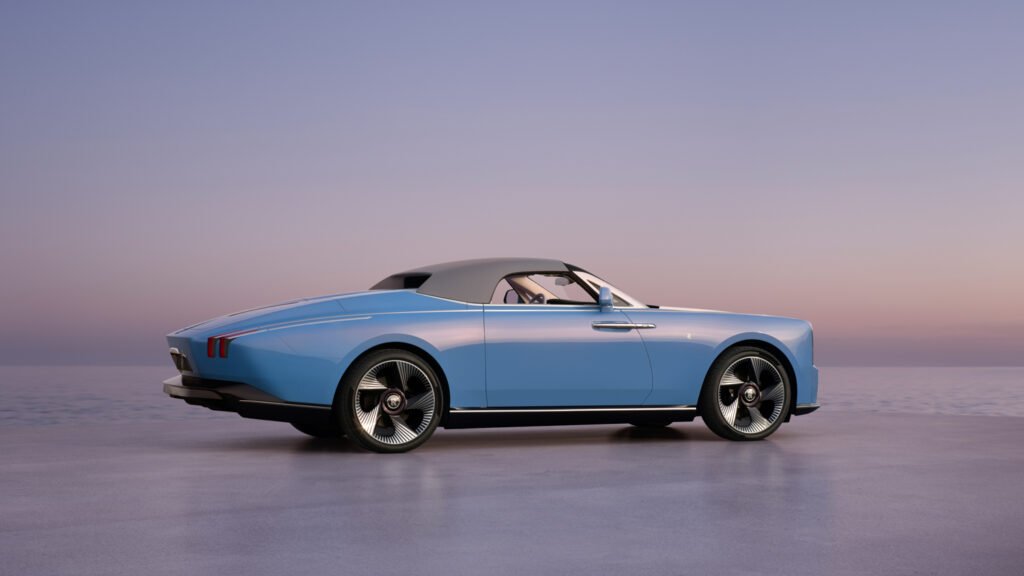
He described driving an early engineering prototype with the roof down as “truly unique”, pointing to “the silence and just that sort of ambience and that serenity”.
V12 sticking around
The EV push doesn’t spell the imminent end of the V12, though.
Rolls-Royce had previously flagged phasing out the twin-turbo 6.75-litre V12 by 2030, but Jenkins confirmed that timeline has been abandoned, citing shifting regulations – most notably in the United States.
“The V12 will continue,” he said.
“For our clients, it’s the power of choice. Here they have an opportunity with the best electric powertrain, and they have the best V12, and the V12 will continue certainly through the balance of this decade.”
Underpinning it all is a £300 million (about $580 million) investment in the brand’s Goodwood headquarters – the largest since the plant opened in 2003 – aimed not at building more cars, but at expanding the bespoke and coach-building capability that increasingly defines the brand.


