

The Volkswagen Group has been hit by what has been described as the ‘perfect storm’ that could see the world’s second-largest car-maker slash 100,000 jobs and axe half of the models it sells, including some EVs.
Posting a big drop in profits for the first half of 2026, with margins dropping to just 3.8 per cent, the VW Group has already embarked on a radical restructuring, with all brands expected to be hit by the cost-cutting measures.
Heavily subsidised cheap competition from China, a collapse in its US sales in the wake of Donald Trump’s tariffs, its own high manufacturing costs and serious technological missteps have all taken their toll and brought the car giant to crisis point, say analysts.
READ MORE: Volkswagen ID. Cross arrives: T-Cross-replacing SUV switches to EV power to beat the BYD Atto 2, Geely EX2 and MG S5
READ MORE: Electric Porsche 911 will not happen, says brand’s boss, as German sports car-maker dials back EV aspirations
READ MORE: Skoda Peaq EV unveiled: Seven-seater lands with up to 647km range to challenge the Kia EV9, Hyundai Ioniq 9 and even Volvo EX90
While VW fights with powerful unions over cutting around a sixth of its workforce, with the threat of permanent factory closures, VW Group CEO Oliver Blume has now gone further to suggest that the automaker, which finished second to Toyota last year after selling 8.68 million cars, is now considering slashing its model offering by 50 per cent.
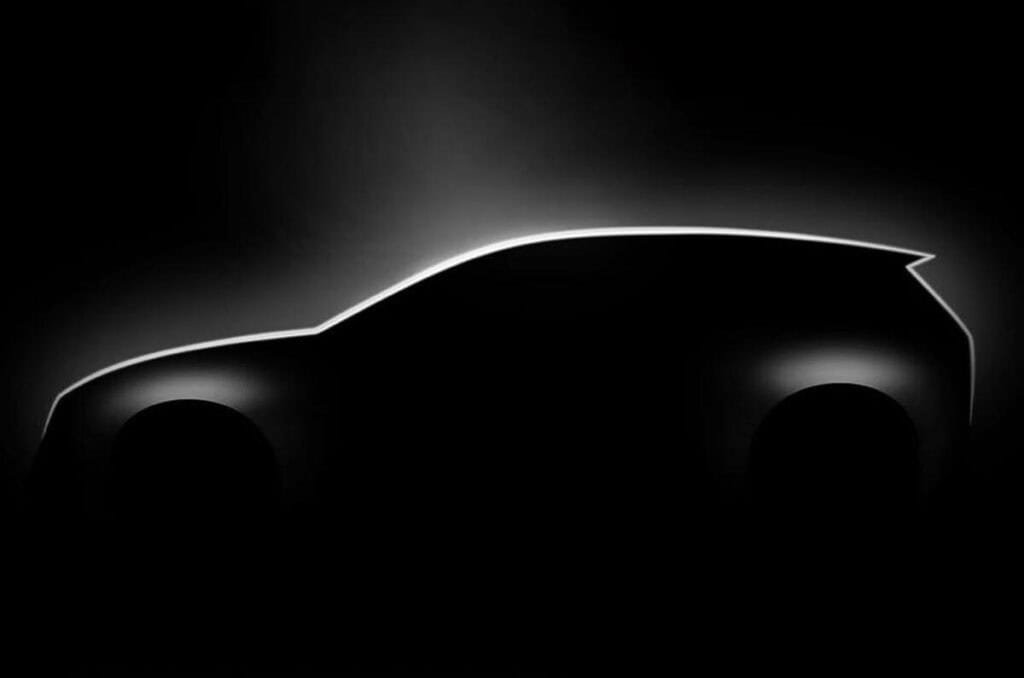
Speaking to journalists recently, Blume said: “We want to focus our expenditures on clear-focused products – to improve innovations, to improve technologies, to improve equipment, and to improve the quality of the single products – then to achieve higher volumes with more focused products.
“To achieve a higher profit margin per product – that’s the intention.”
The VW Group boss also suggested that its volume brands, Volkswagen, Audi, Skoda, Seat and Cupra, were all guilty to varying degrees of internal competition through decisions to sell competing models in the same segments.
Evidence includes cars like the VW Golf, which sits in the same segment as other VW Group products, with pricing overlapping the Seat Leon, Cupra Leon, Audi A3 and Skoda Octavia.
Even low-volume Porsche sells its Porsche Macan EV in the upper-premium mid-size SUV segment alongside the mechanically similar Audi Q6 e-tron.
Blume’s new plan is said to eliminate intra-group poaching of each other’s buyers while reducing complexity.
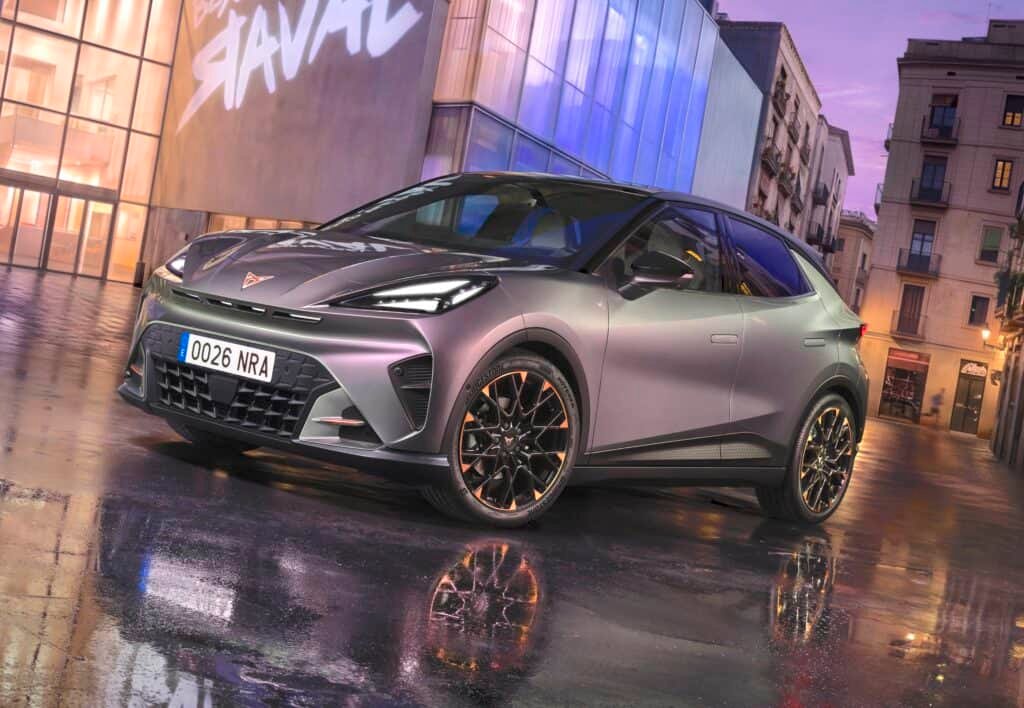
Full details have yet to be revealed, but the new strategy could see the end of cars like the Cupra Raval EV, which was developed alongside the mechanically similar VW ID. Polo, ID. Cross and Skoda Epiq that compete in a price-sensitive small-car segment.
To help minimise costs in the near term, Blume has confirmed that the high number of derivatives sold would be cut, significantly reducing the number of trim levels and equipment packs offered on each model.
Despite that, VW’s CEO claimed: “Every remaining model shall lead its segment in driving and technology experience”.
By reducing equipment options by up to 75 per cent, Blume claimed that component complexity can be slashed by as much as 90 per cent.
“The customer will continue to have a meaningful choice,” he pledged. “We are cutting what is not ordered and will scale what the customer demands.”
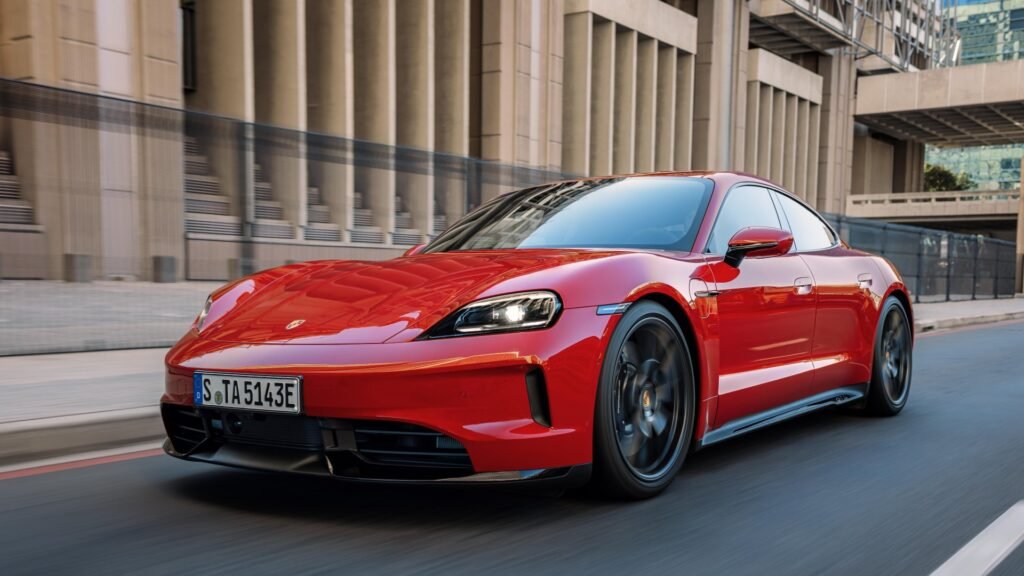
Even though entire model lines will also be dropped by the VW Group, Blume revealed it will take the car giant much longer to rationalise its offering.
“Taking a car off sale before its scheduled retirement – and without a replacement – is an expensive process and leaves production lines out of action.
“Step by step, we will clean it up and reduce complexity.”
Reports suggest models like the Porsche Taycan, Skoda Fabia and US-market VW Jetta will be among the first VW Group products to be dropped.


