

When it comes to creating the perfect home, every detail matters. That was clear throughout the twelfth and final episode of Season 9 of Open Homes Australia, where viewers were treated to a stunning renovation in the Northern Rivers village of Federal, New South Wales. Beyond the beautiful architecture and breathtaking scenery, however, the episode highlighted something just as important. A home’s energy system deserves the same level of careful planning as its design – as showcased by RESINC Solar & batteries.
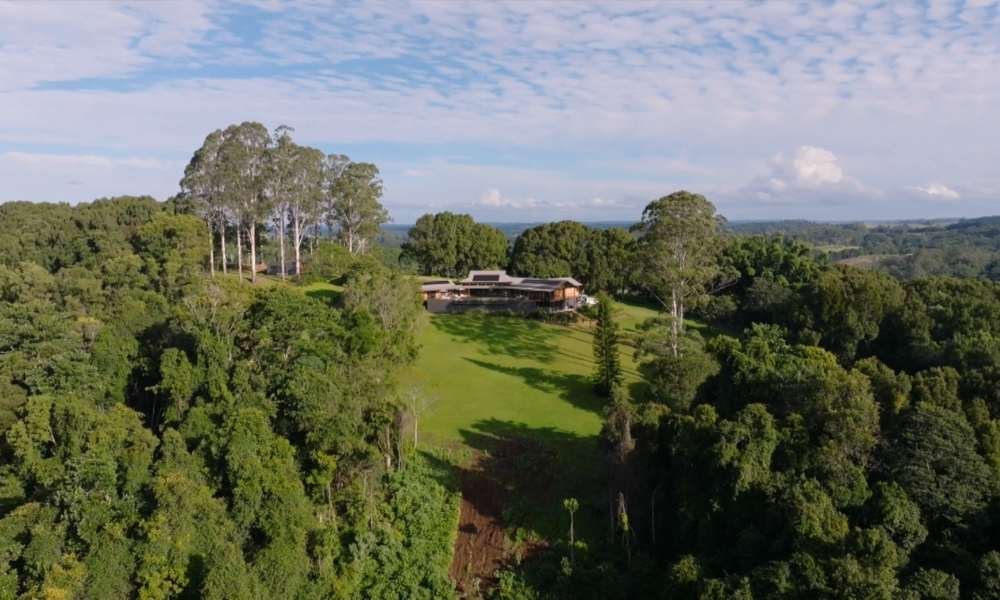
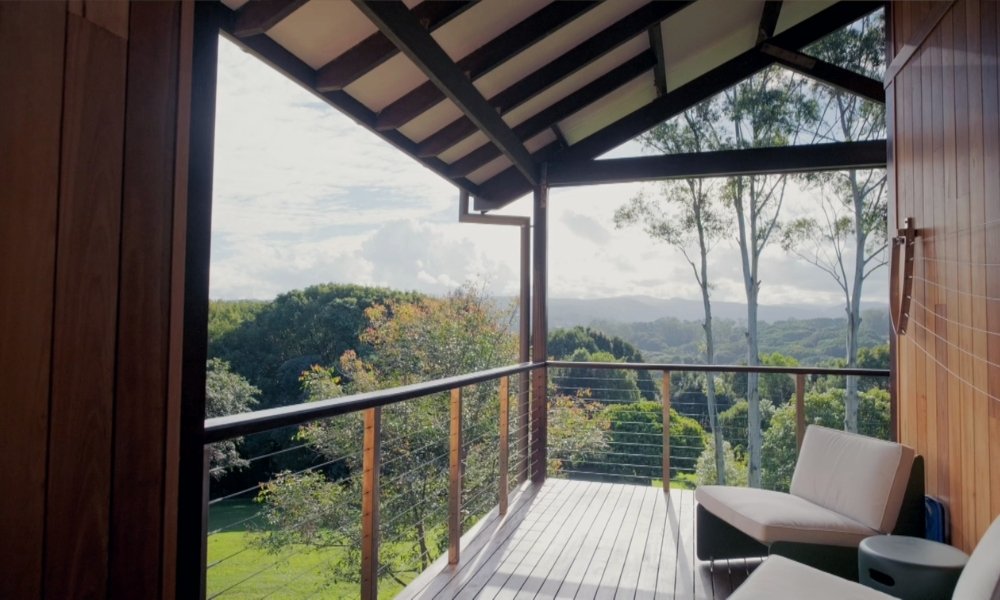
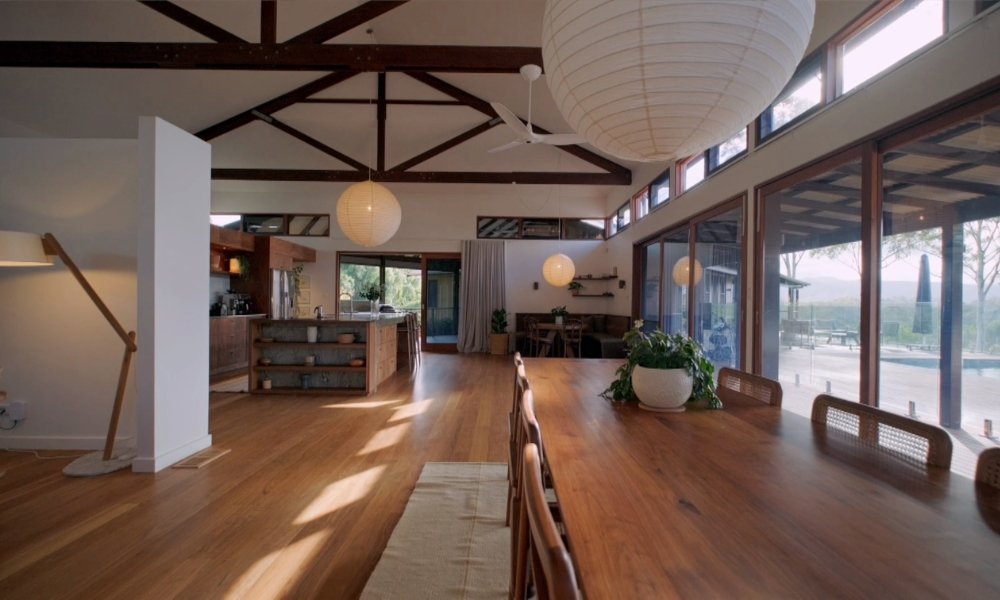
The episode followed Lee Stevens from Inspired Built, who transformed a once tired rural property into a sophisticated family retreat. Warm Australian hardwoods, thoughtful living spaces, and spectacular hinterland views created a home that felt equally luxurious and welcoming. Rather than designing for appearances alone, every room reflected how the family actually wanted to live, creating comfortable breakout spaces that made the house both practical and beautiful.
It was the perfect introduction to the second half of the segment, where RESINC Solar & Batteries demonstrated why the right energy solution is never selected from a catalogue. Instead, it should be designed around the property, its location, and the people who call it home.
A beautiful home that faced a harsh reality
Life on acreage comes with undeniable advantages, but it also presents unique challenges.
For Lee and his family, those challenges became painfully clear during Cyclone Alfred in 2025. The surrounding trees that create such spectacular views also became a liability, contributing to widespread power outages throughout the region. The property was left without electricity for 12 days.
For many suburban homes, losing power is inconvenient. For this property, it was far more serious.
Everything relied on electricity. Water pumps, household appliances, refrigeration, communications, and pool equipment all depended on a reliable power supply. Without electricity, even accessing running water became impossible. That experience changed the family’s priorities.
Rather than simply installing solar panels to reduce electricity bills, they wanted a system that would keep the property operating during extended outages, even when severe weather prevented solar production.
Every property deserves a custom energy solution
One of the strongest messages from the episode came from RESINC Solar & Batteries Managing Director Leigh Storr.
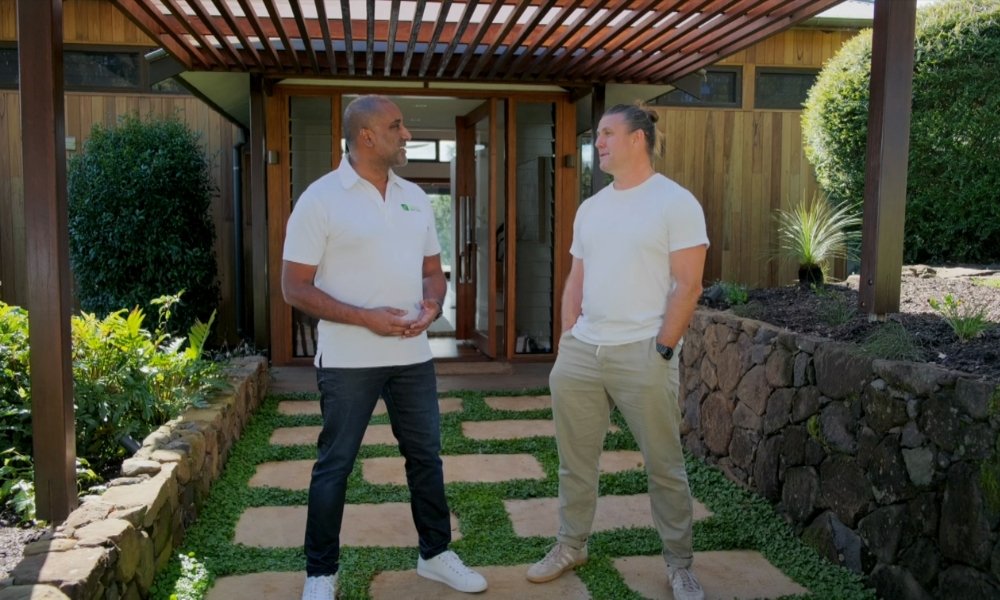
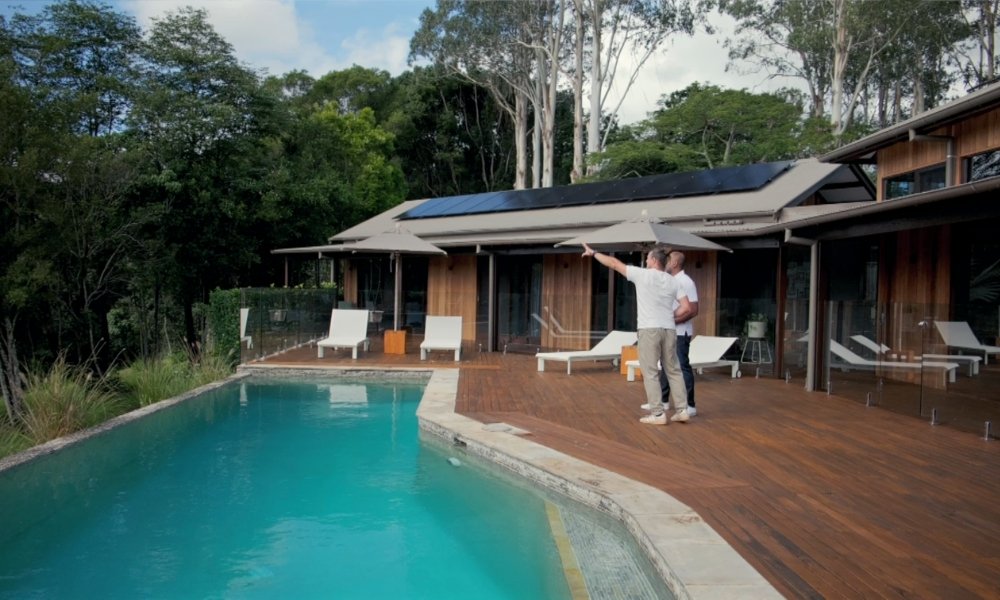
Rather than promoting a standard package, Leigh explained that every installation begins with understanding the customer’s individual circumstances.
That includes factors such as:
- The property’s location
- Electricity usage
- Grid limitations
- Backup requirements
- Future energy needs
- Available roof space
- Lifestyle and resilience goals
Only after understanding those requirements does RESINC design the most appropriate system. That philosophy is increasingly important as Australian homes become more electrified.
Many households now rely on electric cooking, heating, cooling, hot water systems, electric vehicle charging, and battery storage. Businesses face similar challenges, with uninterrupted power becoming increasingly important for productivity and customer service.
The right solution for one property may be completely unsuitable for another.
Working within real-world constraints
One of the interesting insights from the segment was that even experienced installers cannot simply install the biggest system possible. Leigh explained that the Federal property had local grid approval limitations, meaning RESINC needed to maximise every part of the system within those constraints.
That meant carefully balancing:
- Solar generation
- Inverter capacity
- Battery storage
- Backup capability
This highlights why professional system design matters. The goal is not simply installing more equipment. It is ensuring every component works together efficiently while complying with local electricity network requirements.
Why FranklinWH was the right choice
For this particular home, RESINC selected the FranklinWH home energy management system. While many battery systems provide excellent blackout protection, this property required something more. The family needed confidence that they could remain self-sufficient even if poor weather lasted for days.
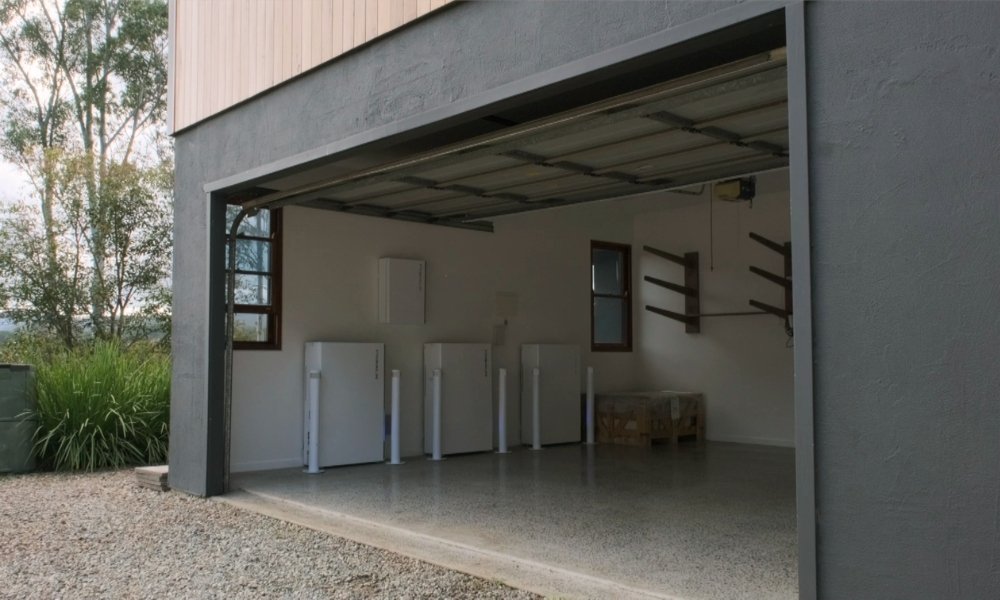
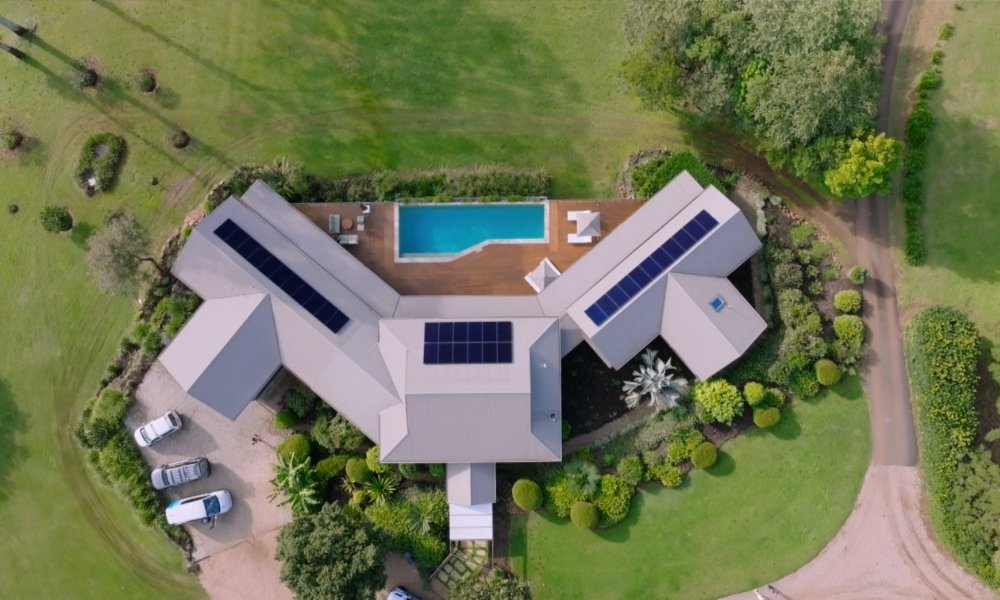
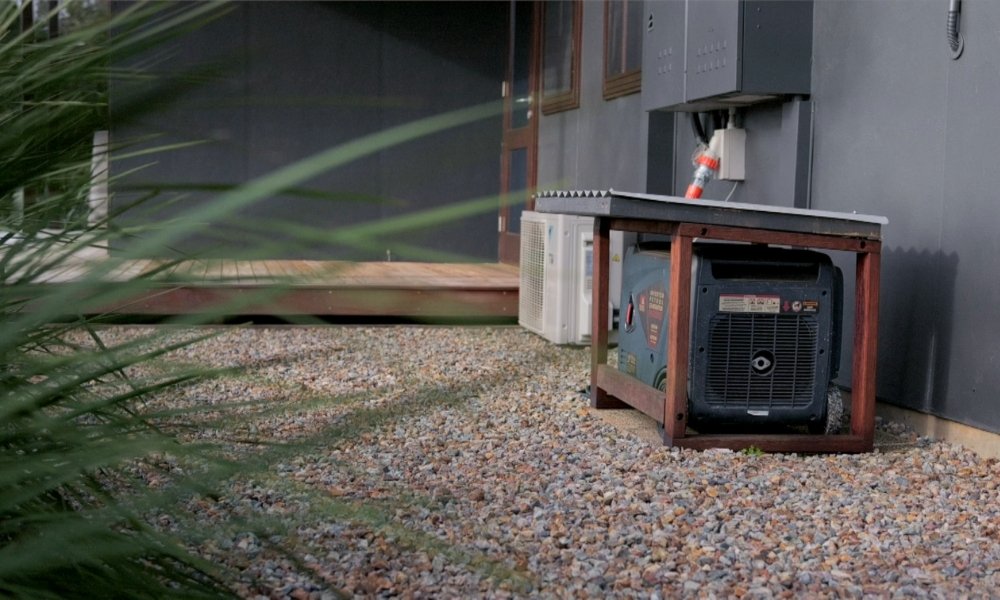
Extended blackouts often occur during storms, cyclones, or prolonged periods of heavy cloud. During these conditions, solar production may not generate enough energy to fully recharge a battery. That creates a challenge for conventional battery systems. FranklinWH offers an elegant solution through generator integration.
If the battery becomes depleted during an extended outage, the generator can recharge the battery and continue powering the home until solar production returns. Once the weather improves, solar takes over again, reducing generator use and allowing the system to return to normal operation.
Rather than treating solar, battery storage, and generator backup as separate systems, FranklinWH allows them to work together as an integrated energy solution.
For rural and regional properties where prolonged outages are more common, that capability can make an enormous difference.
Backup power designed for real life
The Federal property demonstrates an important lesson about backup power. Many homeowners assume blackout protection simply means having a battery. In reality, backup planning depends on several questions.
- How long are outages likely to last?
- What appliances need to remain operational?
- Does the property rely on electric pumps?
- Is it located in a bushfire or cyclone-prone region?
- Will occupants remain in the home during emergencies?
These answers determine whether a standard battery solution is appropriate or whether additional resilience features should be incorporated. For Lee’s property, maintaining water supply was just as important as keeping lights on. That requirement fundamentally influenced the system design.
It is exactly the sort of consideration that cannot be addressed through an off-the-shelf package.
Why tailored system design delivers better outcomes
Custom-designed systems offer benefits well beyond blackout protection.
A properly engineered solution can:
- Maximise available solar generation.
- Match battery capacity to household usage.
- Operate efficiently within local network limits.
- Support future electrification.
- Deliver stronger long-term financial returns.
- Provide greater energy independence.
Perhaps most importantly, homeowners avoid paying for equipment they do not need while ensuring critical requirements are fully addressed. That balance is only possible through careful consultation and system design.
An ongoing partnership, not simply an installation
Another standout message from Leigh was RESINC’s approach to customer relationships. Rather than viewing installation as the finish line, RESINC sees it as the beginning of a long-term partnership.
As Leigh explains, the relationship continues throughout the life of the system. That ongoing support becomes increasingly valuable as energy technology evolves.
Battery software receives updates. Electricity tariffs change. Families purchase electric vehicles. Household energy consumption shifts over time.
Working with an installer that understands your system means it can continue performing at its best long after installation day.
A reminder that every property is different
The final episode of Season 9 delivered more than another beautiful home tour. It reminded viewers that every property has its own story.
For Lee and his family, the experience of Cyclone Alfred completely changed how they viewed energy security. Their solution needed to do far more than reduce electricity bills. It needed to protect their lifestyle, maintain essential services, and provide confidence that the home could remain operational through future extreme weather events.
By carefully assessing the property’s unique challenges, RESINC designed a FranklinWH solution that combined solar, battery storage, and generator integration into a single resilient energy system.
That is ultimately the biggest takeaway from the episode.
There is no universal solar and battery package that suits every Australian home or business. The best outcomes come from understanding how a property operates, identifying its risks, and designing an energy solution around those specific needs.
Whether you live on acreage, in suburbia, or operate a commercial facility, the right system is the one designed specifically for you. As RESINC demonstrated in the Season 9 finale of Open Homes Australia, custom solutions are not simply a luxury. They are the key to building smarter, more resilient, and future-ready Australian properties.
The post RESINC’s Custom FranklinWH Solution Proves One Size Never Fits All in Open Homes Australia appeared first on Energy Matters.


