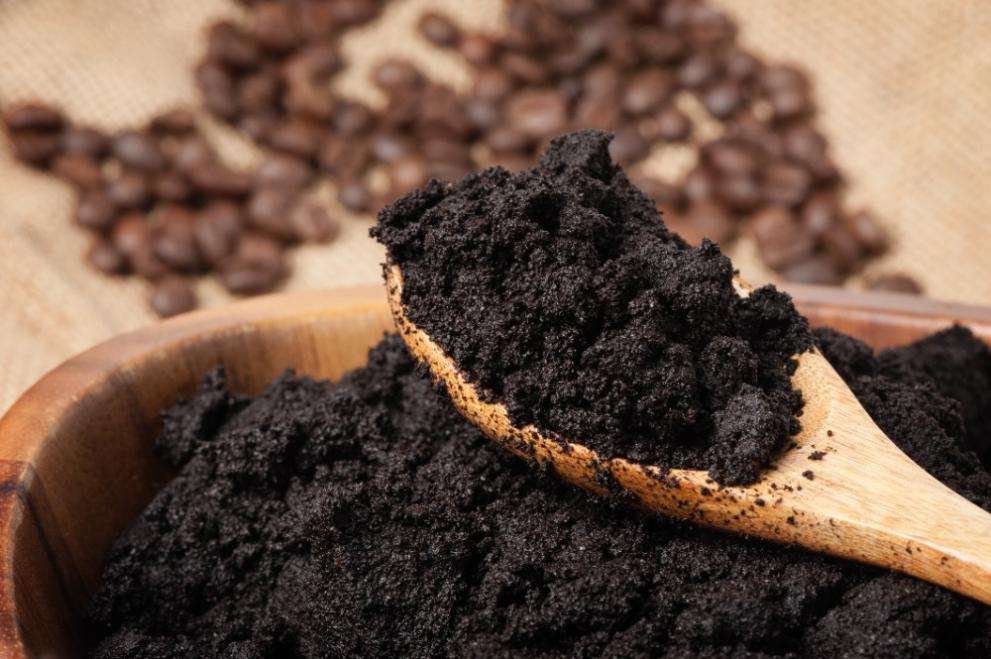
Researchers at Universitat Rovira i Virgili (URV) in Spain have developed a new method to turn spent coffee grounds into a raw material for biofuel production. The process could offer a cleaner alternative to how coffee waste is currently handled.
Global coffee production totals around 10 million tonnes a year. Only a small share ends up in the cup. Most spent grounds are sent to landfill, where they release methane as they decompose.
Coffee grounds contain about 15% lipids. The URV’s Department of Chemical Engineering found a way to extract that fat efficiently. They tested how temperature, processing time, and solvent ratio affected oil yield, using n-hexane as the extraction solvent.
Study author Magdalena Constani said the optimal conditions were 45 degrees Celsius for 60 minutes, using 35 millilitres of hexane per gram of dry residue.
The method recovered up to 90% of the oil, matching results from the laboratory gold standard. Researchers say it also uses less energy than conventional extraction. The oil produced had a low impurity rate of just 0.3%.
The work fits into wider efforts to build a circular economy, where materials stay in use for as long as possible through reuse and remanufacturing. Researcher Francesc Medina noted that extracting the oil doesn’t waste the rest of the material, which can still be used for other purposes.
The team believes the findings could support harder to electrify sectors like heavy transport, where biofuels may offer a more practical path to sustainability than direct electrification.
The post Spanish researchers turn coffee waste into biofuel appeared first on World Bio Market Insights.