

Reuters reported that prices for U.S. ethanol blending credits plunged on Monday after the Environmental Protection Agency (EPA) extended a key compliance deadline and said it would rule on long-pending small refinery exemption requests by the end of August.
The move sent a shock through the U.S. biofuel credit market. Conventional ethanol Renewable Identification Numbers (D6 RINs) fell to $1.75 each, down 34 cents from Friday and their lowest level since April 15, according to Argus Media. The credits had traded as high as $2.50 on July 7.
Prices for 2026 biomass-based diesel RINs also weakened. They were last assessed at around $1.92 each, their lowest level since late April.
The sharp decline shows how closely the U.S. biofuel market depends on federal blending rules and the supply of compliance credits.
What Are RINs and Why Do They Matter?
Renewable Identification Numbers, or RINs, are tradable credits created under the U.S. Renewable Fuel Standard (RFS).
The RFS requires obligated fuel companies, mainly refiners and importers, to demonstrate that they have met federal renewable fuel blending requirements. Companies can generate RINs by blending eligible biofuels into the fuel supply or buy credits from other market participants.
RINs therefore create a financial value around renewable fuel use.
When refiners need more credits than they can generate through their own blending activities, they must buy RINs. Higher compliance obligations or tighter credit supplies can push prices higher.
The opposite can also happen.
If the EPA grants exemptions that reduce the number of RINs refiners need, the market can suddenly have more credits available. That is what traders are now anticipating.
US Biofuel Market Remains Large
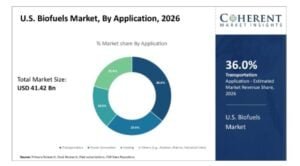
The United States is the world’s largest producer and consumer of fuel ethanol and one of the biggest markets for biodiesel and renewable diesel.
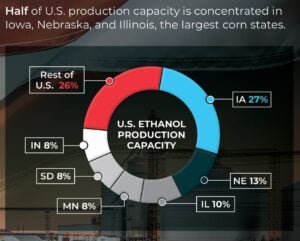
Corn-based ethanol dominates the U.S. biofuel market. Most gasoline sold in the country contains some ethanol, with E10, a blend containing about 10% ethanol, forming the backbone of the market.
Higher ethanol blends such as E15 and E85 also contribute to demand, although their use remains much smaller.
The U.S. ethanol industry produces billions of gallons of fuel each year. That creates a large and established market for corn, ethanol production, transportation, blending and RIN generation.
The diesel side of the market has also expanded. Biodiesel and renewable diesel provide another major source of renewable fuel and compliance credits.
Renewable diesel is particularly important because it can be used in existing diesel infrastructure and is increasingly produced from feedstocks such as vegetable oils, animal fats and used cooking oil.
Demand for Biofuel Credits Is Driven by Federal Rules
The biggest source of demand for RINs is not simply fuel consumption. It is the federal compliance system.
Each year, the EPA establishes Renewable Volume Obligations (RVOs) that determine how much renewable fuel the market must account for.
Refiners and fuel importers receive obligations based on their share of the U.S. transportation fuel market. They then need enough RINs to demonstrate compliance.
That makes RIN demand closely tied to EPA policy.
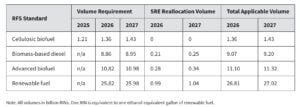
The EPA recently finalized record-high renewable fuel blending requirements for 2026 and 2027. Those requirements have increased compliance pressure on refiners and helped support RIN prices.
But the market is now facing a potential reversal.
EPA Exemptions Could Add Billions of Credits
The EPA is reviewing 34 small refinery exemption petitions, with some dating back to July 2024.
Small refinery exemptions allow qualifying facilities to receive relief from their renewable fuel obligations when they can demonstrate that compliance would impose disproportionate economic hardship.
The market expects the EPA’s decisions to free up a significant number of RINs.
Representatives from the refining and ethanol industries, along with an analyst, estimate that the exemptions could free between 1.2 billion and 1.8 billion RINs for small refiners to use toward their 2025 compliance obligations.
The EPA had previously indicated that it could reallocate about 990 million RINs associated with exemptions. This potential supply is large enough to materially change the balance between RIN supply and demand.
Why RIN Prices Fell So Quickly
The selloff is largely about expectations.
Jessica Dell, head of U.S. biofuel pricing at Argus Media, said RIN prices lost substantial value during Monday’s session as the market reacted to the pending exemption decisions.
RIN prices had already fallen 5% on Friday. The EPA’s decision to extend the September 1 compliance deadline has added another layer of uncertainty.
Under the RFS, refiners must show that they met their 2025 biofuel blending obligations by September 1. They can do this by generating RINs through renewable fuel blending or purchasing credits from other market participants.
Giving refiners more time to comply could reduce immediate buying pressure.
More importantly, the deadline extension has been interpreted by some market participants as a possible signal that refiners could receive broader relief from their 2026 and 2027 obligations.
Agricultural economist Scott Irwin of the University of Illinois described the move as potentially signaling some form of “RIN relief” for future obligations.
Ethanol Producers Face a Different Equation
Lower RIN prices are not necessarily positive for the ethanol industry. Ethanol producers can generate RINs when they blend their fuel into the transportation system. Those credits provide an additional source of revenue.
When RIN prices fall, the value of that revenue stream also declines.
That can put pressure on producer margins, particularly when corn prices, energy costs, transportation expenses or other operating costs are high. Furthermore, the impact can vary across producers because ethanol economics depend on several factors, including corn prices, ethanol selling prices, distillers grains revenue and energy costs.
Still, the RIN market remains an important part of the broader economics of U.S. ethanol production.
Supply Could Become the Market’s Biggest Concern
The immediate question is how many credits will become available if the EPA grants the pending exemptions.
- A release of 1.2 billion to 1.8 billion RINs would represent a significant addition to the pool of credits available for compliance. This could create a supply overhang and keep prices under pressure.
It could also reduce the incentive for some refiners to purchase additional credits in the spot market.
For the ethanol industry, this creates a difficult environment. Demand for renewable fuel may remain strong, but the value of the compliance credits attached to that fuel can fall when regulatory relief increases RIN availability.
What Happens Next?
The EPA’s decisions on the 34 exemption petitions will be the next major catalyst for the market. If the agency grants a large number of exemptions, RIN prices could face additional pressure as more credits become available or obligations are reduced.
On the other hand, if fewer exemptions are granted, the market could tighten again, particularly given the record renewable fuel requirements for 2026 and 2027.
The outcome will also influence the economics of U.S. refiners and biofuel producers.
For refiners, lower RIN prices can reduce the cost of meeting federal obligations. For ethanol and renewable diesel producers, however, weaker credit prices can reduce the value of an important revenue stream.
The episode highlights a central feature of the U.S. biofuel market: fuel demand, government mandates and carbon-related compliance markets are closely connected.
The U.S. can continue consuming large volumes of ethanol, biodiesel and renewable diesel while RIN prices fall sharply if regulatory changes increase credit supply.
For carbon and clean energy investors, the RIN market is therefore worth watching alongside traditional biofuel production data. Changes in EPA policy can quickly reshape the economics of renewable fuels, alter demand for compliance credits and influence investment decisions across the U.S. bioenergy sector.
The post US Biofuel Credit Market Faces Major Shake-Up From EPA Exemptions appeared first on Carbon Credits.


