
A bedroom should feel like more than four walls, a bed, and a dresser. It should be the place where the day finally slows down. When I walk into a thoughtfully decorated bedroom, the colors, textures, lighting, and little personal touches can instantly change the mood. The good news is that creating that feeling doesn’t require an expensive makeover. With a few smart decorating decisions, even a plain bedroom can become warm, stylish, comfortable, and inviting.
The secret is knowing where to begin. A beautiful bed may catch the eye, but the magic often comes from the details around it. From choosing a calming color palette to layering bedding, adding artwork, improving bedroom lighting, and arranging furniture properly, every decision can make the room feel more complete.
Here are 12 practical ideas that can help transform an ordinary bedroom into a space that feels uniquely yours.
Start With a Calming Bedroom Color Palette
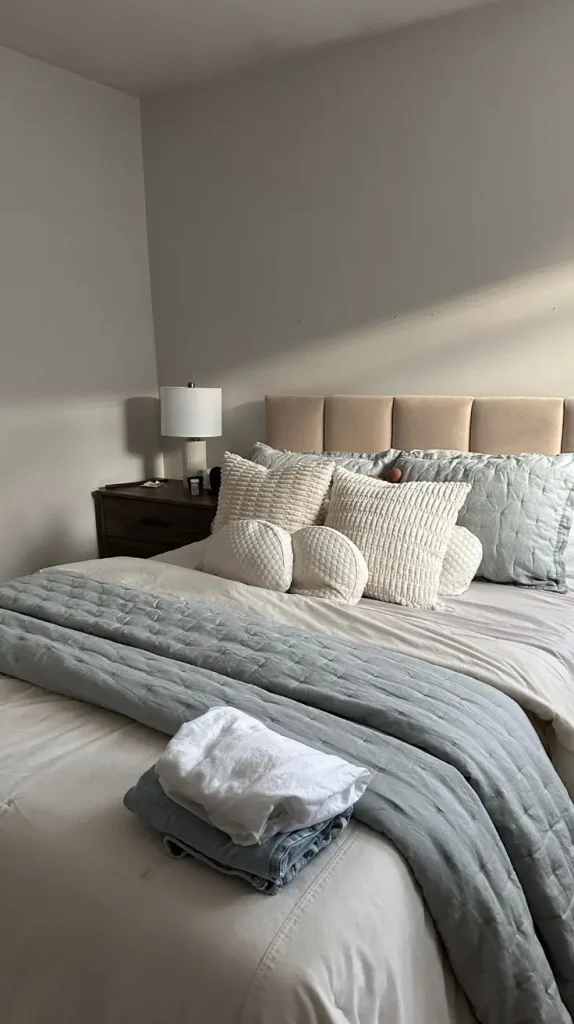
Color sets the emotional tone of a bedroom before anything else does. When I want a peaceful atmosphere, I start by choosing shades that feel soft and restful rather than overwhelming. Warm white, beige, cream, muted green, dusty blue, soft gray, and gentle taupe can all create a relaxing foundation.
That doesn’t mean a bedroom needs to be completely neutral. A deeper accent color can add personality without making the space feel too busy. A navy blue wall behind the bed, for example, can create a dramatic focal point, while sage green can bring a natural and refreshing feeling.
Think about how different colors make the room feel throughout the day. Natural light can make pale shades look brighter, while warm lamps can give beige and cream tones a cozy glow at night. The best part? Once the main palette is established, choosing bedding, curtains, rugs, and decorative accessories becomes much easier.
Make the Bed the Main Focal Point
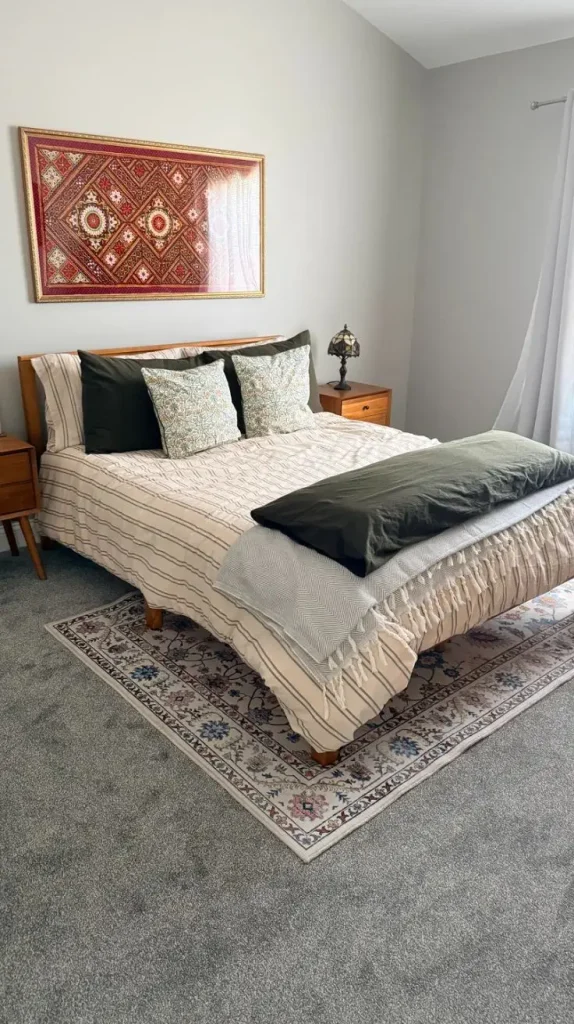
The bed naturally takes up a large portion of most bedrooms, so it deserves attention. Rather than treating it as simply a place to sleep, I like to make it the visual centerpiece of the room.
Start with comfortable bedding in colors that complement the walls. Layer the bed with sheets, a duvet or comforter, a quilt, and a few decorative pillows. Mixing textures can make even simple bedding look luxurious.
A padded headboard can add softness and structure, while a wooden headboard introduces warmth and character. For a smaller bedroom, a simple headboard with clean lines can prevent the room from feeling crowded.
Don’t go overboard with pillows, though. Too many can make the bed look cluttered and turn bedtime into a chore. A few well-placed pillows usually create a more polished appearance. Once the bed looks inviting, the entire room begins to feel more intentional.
Add Layers of Bedroom Lighting
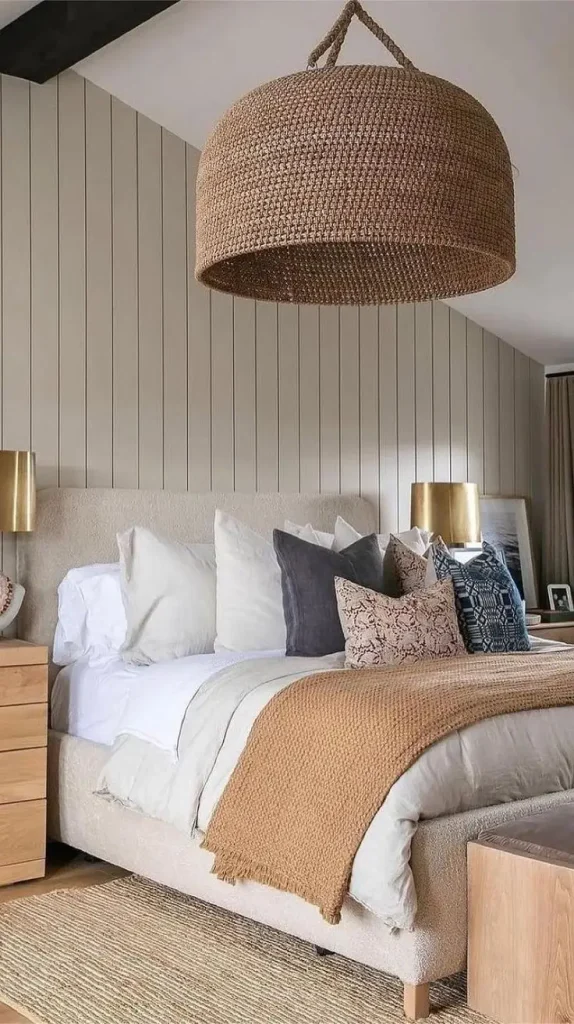
Lighting can completely change the personality of a bedroom. Bright overhead lighting may be useful when cleaning or getting dressed, but it rarely creates the relaxing atmosphere needed at night.
I prefer using several light sources at different heights. Bedside lamps provide practical reading light, while a ceiling fixture offers general illumination. Wall sconces can save valuable nightstand space, especially in a compact bedroom.
Warm-toned bulbs can make the room feel softer and more comfortable in the evening. A small table lamp on a dresser can also add a gentle glow without overwhelming the space. Natural light matters too. Lightweight curtains allow sunlight to enter during the day, while blackout curtains can provide privacy and darkness when needed.
Layered lighting doesn’t just make a bedroom prettier. It makes the room more functional, flexible, and relaxing.
Create a Cozy Layer With an Area Rug
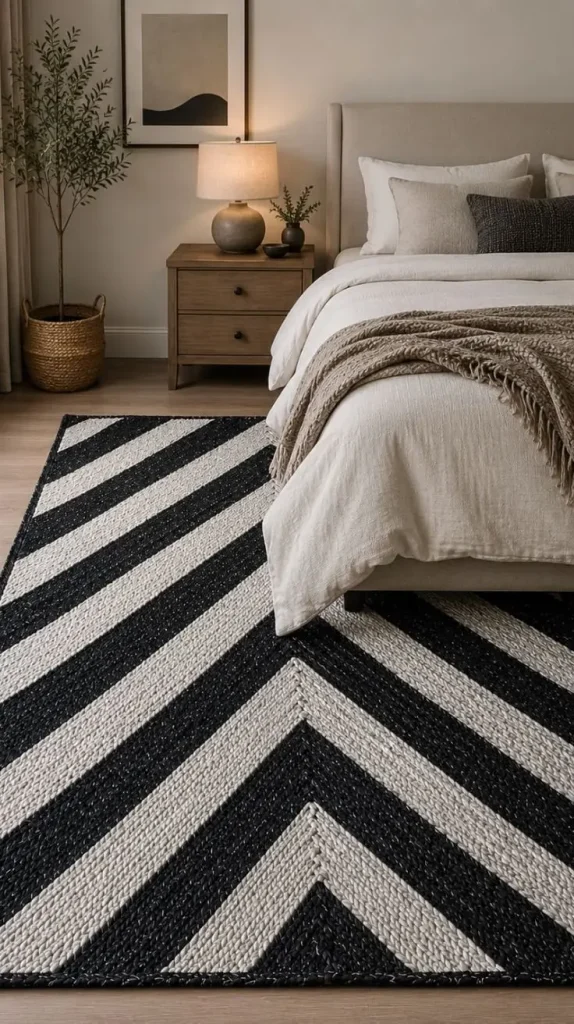
A bedroom can sometimes feel cold or unfinished when the floor is completely bare. An area rug adds softness underfoot and helps visually connect the furniture. For a larger room, I like placing a generous rug underneath the bed so it extends beyond the sides. This creates a balanced appearance and gives the bed more visual weight.
If the room is small, a pair of runners beside the bed can provide a similar effect without taking up too much floor space.
Texture is particularly important here. A plush rug can make a modern bedroom feel warmer, while a woven rug can introduce a relaxed, natural character. Patterns can also work beautifully, especially when the rest of the room uses simpler colors. Choose a rug that complements the existing palette rather than competing with it. The goal is to create harmony from the floor upward.
Bring Nature Into the Bedroom
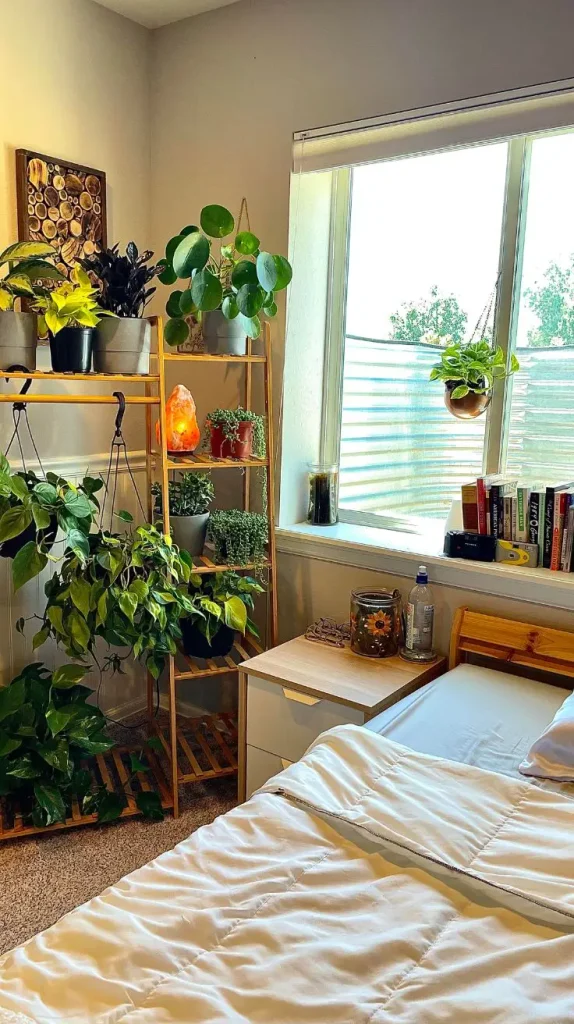
Plants can make a bedroom feel fresher, calmer, and more connected to nature. Even one healthy houseplant can introduce color and life into a room filled with furniture and textiles.
I like placing plants where they can become part of the overall design rather than simply filling empty corners. A tall plant beside a dresser can add height, while a small plant on a nightstand can provide a subtle natural accent.
Snake plants, pothos, peace lilies, spider plants, and ZZ plants are popular choices for indoor spaces. However, every plant has different light and watering needs, so the bedroom’s conditions should guide the selection.
Natural materials can extend the same feeling. Woven baskets, rattan accessories, wooden furniture, linen bedding, and cotton textiles can all add organic texture. A little greenery can be the unexpected detail that makes a bedroom suddenly feel alive.
Decorate the Walls With Personality
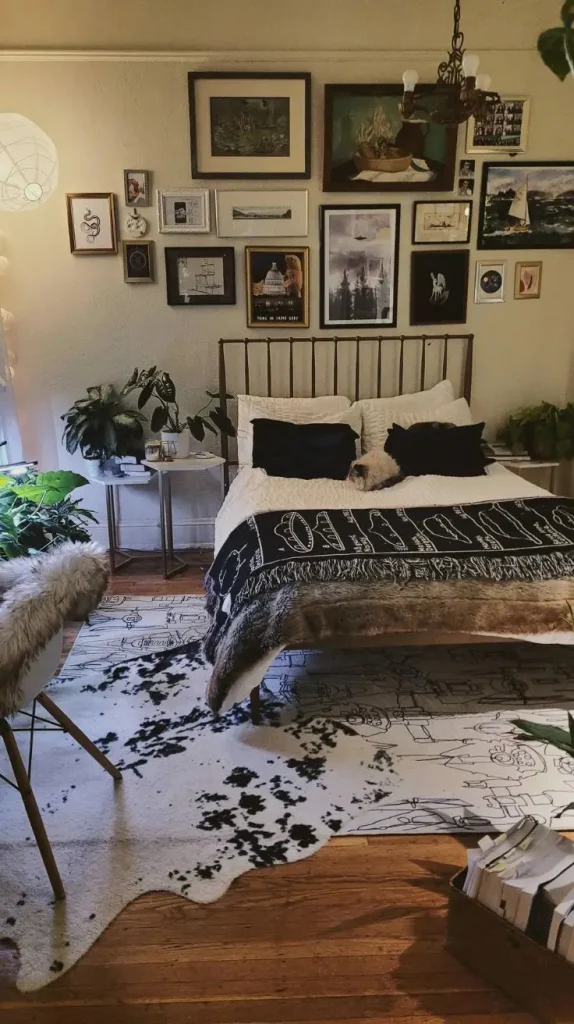
Blank walls can make even a beautifully furnished bedroom feel incomplete. Wall decor gives the room an opportunity to express personality. Artwork is one of the easiest choices. A large framed print above the bed can create a strong focal point, while a small gallery wall can provide a more collected look.
Mirrors are another useful option. Besides adding decorative interest, a strategically placed mirror can reflect natural light and make a small bedroom appear more spacious.
For a softer appearance, consider textile wall hangings, woven pieces, or fabric artwork. These materials can introduce warmth without creating a visually harsh effect. The important thing is not to cover every available surface. Leaving some empty wall space gives decorative pieces room to breathe and keeps the bedroom from feeling chaotic.
Choose Bedroom Furniture That Fits the Space
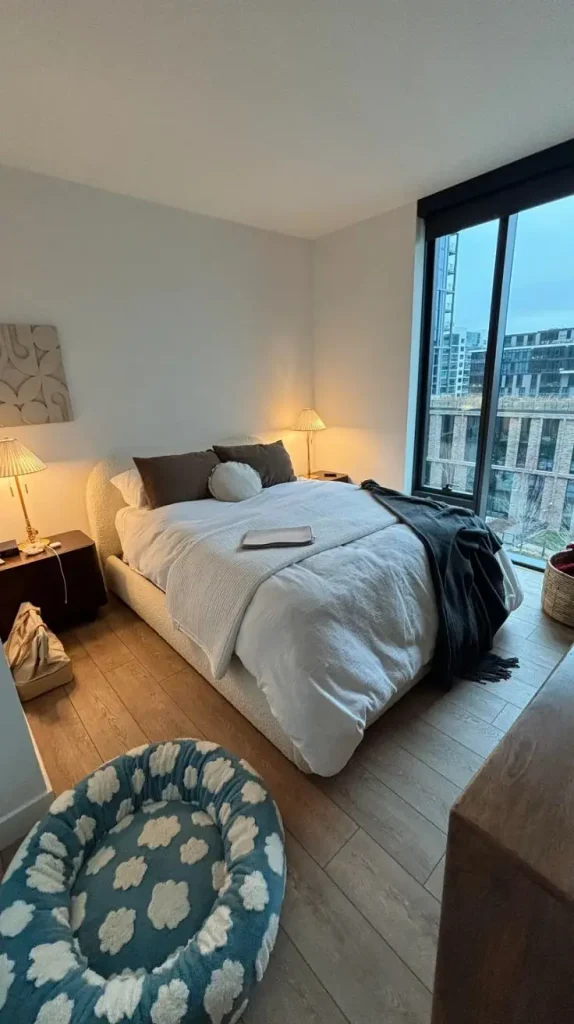
Beautiful furniture can lose its charm when the room becomes overcrowded. Before adding another nightstand, chair, cabinet, or storage unit, I always consider how much walking space will remain.
The bed should have enough clearance around it for comfortable movement. Nightstands should be practical without overwhelming the bed. A dresser should provide storage while maintaining a balanced visual relationship with the other furniture.
In a small bedroom, multifunctional furniture can be especially helpful. A storage bed, narrow nightstand, floating shelf, or slim dresser can provide useful storage without consuming too much floor space.
Furniture doesn’t need to match perfectly. In fact, mixing materials can make a bedroom feel more interesting. Wood, metal, upholstered pieces, and woven textures can work together when they share similar colors or proportions. A room with breathing space often feels more luxurious than one packed with expensive furniture.
Layer Textures for a Warm and Inviting Feel
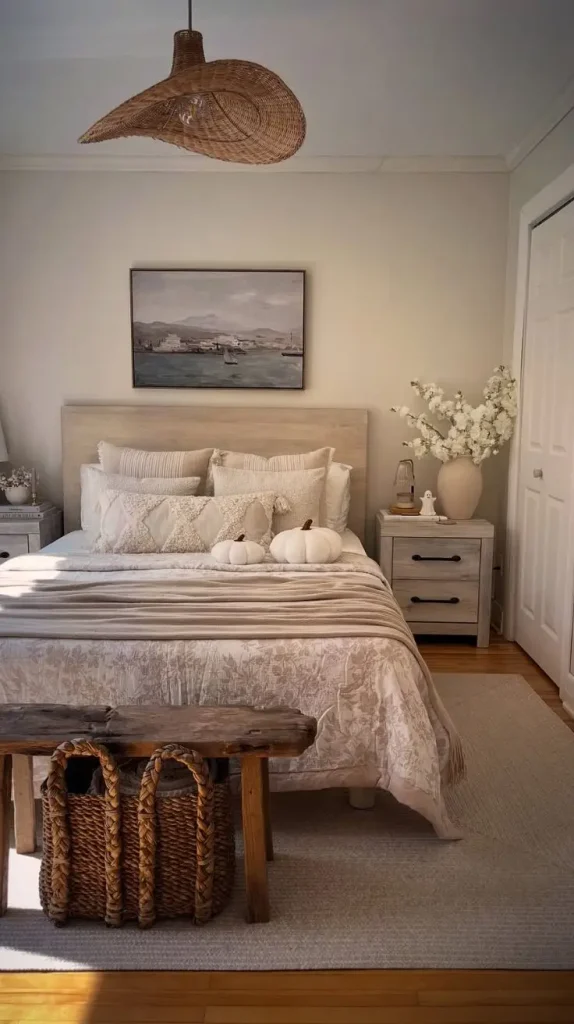
One of my favorite decorating tricks is using multiple textures. A room can have a beautiful color palette and still feel flat if everything has the same finish. Start with soft bedding, then introduce a knitted throw, textured pillows, linen curtains, a woven basket, or a wood accent. Each material contributes something different.
For example, smooth cotton sheets can contrast beautifully with a chunky knitted blanket. A velvet accent pillow can add richness, while a woven rug can provide a more relaxed texture underneath.
Texture becomes particularly important when using a neutral color scheme. Different materials prevent whites, creams, beiges, and grays from blending into one dull surface. The trick is subtle variation rather than excess. Too many competing patterns and textures can make the space feel restless instead of cozy.
Use Curtains to Soften the Room

Windows are often overlooked when decorating a bedroom, yet curtains can dramatically affect the overall appearance. Floor-length curtains can make the ceiling appear taller and create a more elegant feeling. For a casual bedroom, lightweight linen or cotton curtains can add softness without feeling formal.
Curtain color matters too. Curtains that closely relate to the wall color create a seamless appearance, while contrasting curtains can become a decorative feature.
Layering sheer curtains with heavier panels can provide both flexibility and privacy. During the day, sheer fabric can filter sunlight, while heavier curtains can create a darker environment at night.
Pay attention to curtain placement. Hanging the curtain rod slightly higher and wider than the window can make the window appear larger and the entire wall feel more polished. It’s a small change with surprisingly noticeable results.
Create a Personal Display Area
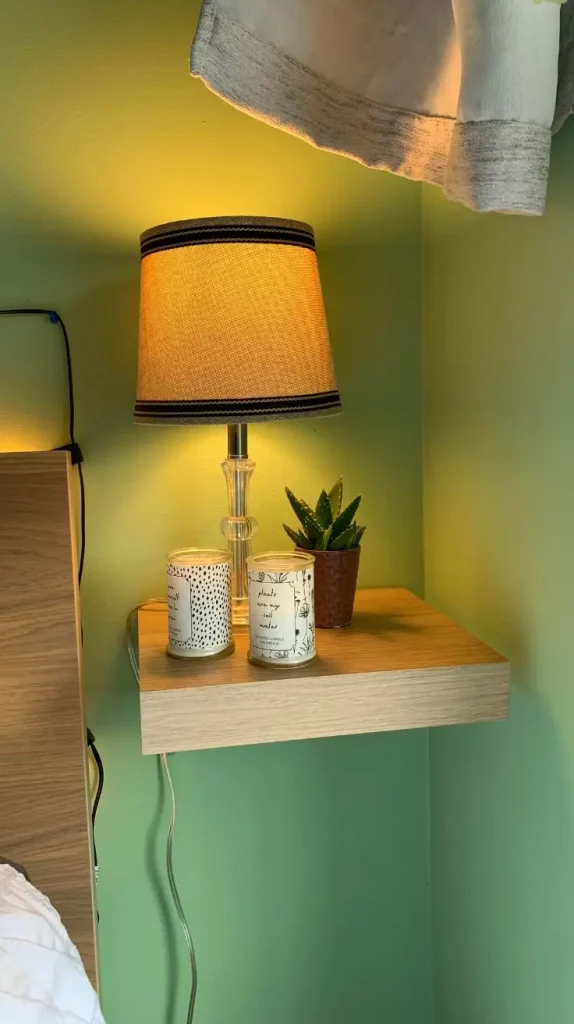
A bedroom shouldn’t look like a showroom. The most memorable spaces usually contain objects that tell a story. Personal photographs, favorite books, travel souvenirs, handmade pieces, artwork, candles, or meaningful decorative objects can make the room feel connected to the person who lives there.
I like grouping small objects instead of scattering them everywhere. A dresser can hold a framed photograph, a small lamp, a decorative tray, and one or two treasured items. A floating shelf can also create a useful display without taking up floor space. Keep the arrangement relatively simple so the objects remain visible.
Personal decor also makes it easier to refresh the bedroom without buying new furniture. Changing a few photographs, accessories, or textiles can give the space a completely different feeling. Those little details are often what turn a nicely decorated bedroom into a truly personal retreat.
Improve Bedroom Storage Without Losing Style
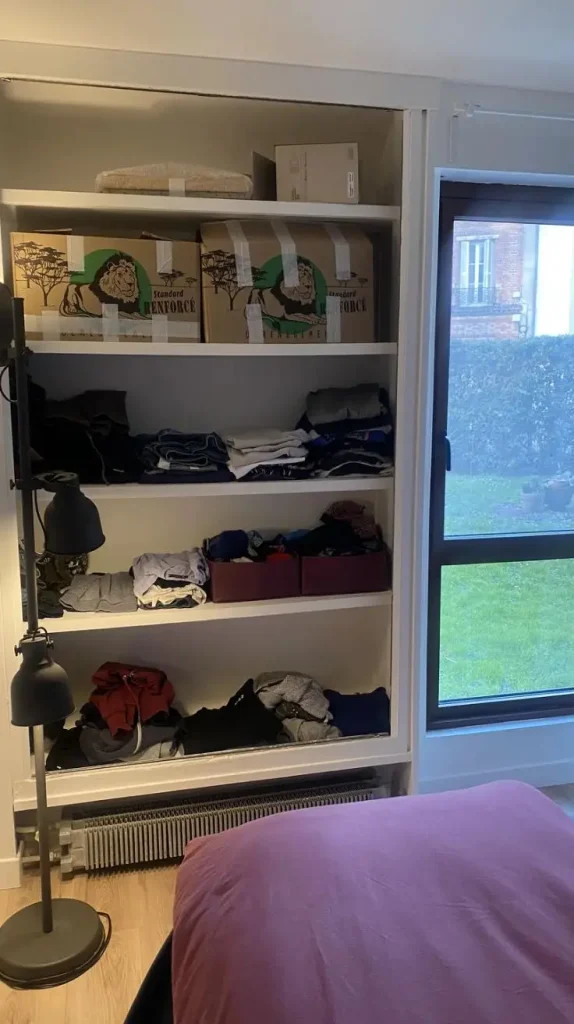
Clutter can quickly destroy a relaxing atmosphere. Even the most beautiful bedroom won’t feel peaceful if clothes, shoes, books, and accessories are scattered everywhere. Good storage should make everyday life easier while fitting naturally into the decor.
Baskets can hold blankets, extra pillows, or accessories. Under-bed storage can provide valuable hidden space. A dresser with organized drawers can keep everyday items within reach without leaving them exposed.
Nightstands deserve attention too. Instead of allowing them to become a collection point for chargers, books, cups, and miscellaneous items, use a small tray to keep essentials together.
Open shelving can look attractive, but it works best when carefully organized. Closed storage is useful when you want the room to maintain a cleaner visual appearance. The goal isn’t to hide everything. It’s to give everything a proper home.
Add the Finishing Touches That Make It Feel Complete
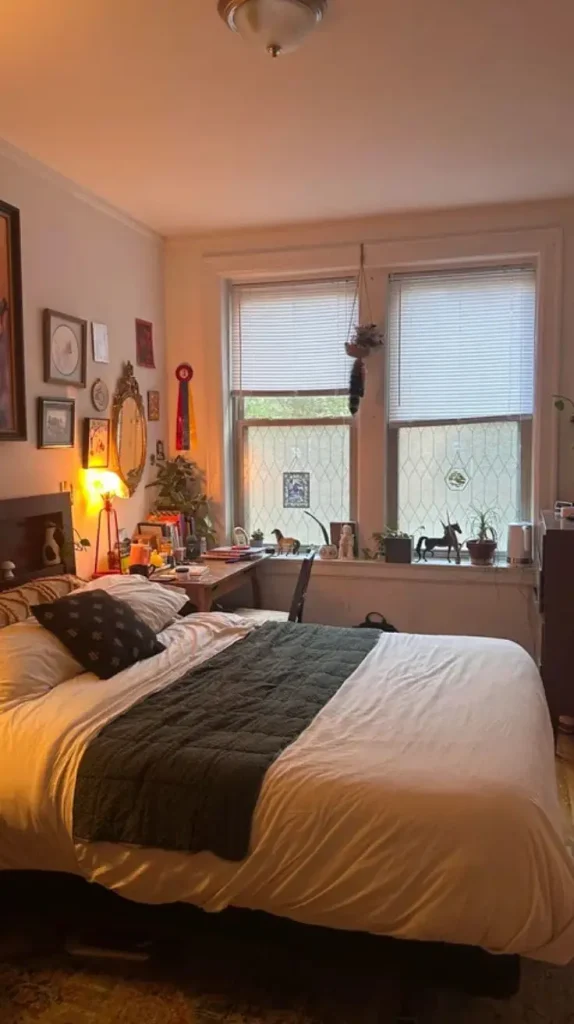
The final layer is where a bedroom truly comes together. After the larger decisions are finished, small decorative details can add warmth and character. A soft throw at the end of the bed, a beautiful bedside lamp, a small vase, a scented candle, framed artwork, or a decorative tray can provide those final touches.
I also pay attention to the five senses. Soft textiles create physical comfort. Warm lighting creates visual comfort. Natural materials add tactile interest. A subtle, pleasant scent can make the room feel even more relaxing.
Don’t feel pressured to finish everything in one day. Sometimes the best rooms evolve gradually. Live with the furniture arrangement for a while. Notice what feels awkward. Notice which corner feels empty. Then make small adjustments. That process can reveal the final missing piece.


