
Food security is often talked about at the level of grocery shelves, supply chains and consumer access. But it begins much earlier: in fields and greenhouses, and with the breeding programs that determine what farmers can grow, how reliably they can grow it and how well crops can respond to changing conditions.
That makes plant breeding funded by public sources more than a research project. It’s a long-term investment that pays dividends in farm productivity, food-system resilience and domestic agri-food capacity. By developing varieties adapted to Ontario’s soils, seasons, diseases and markets, public breeding programs help farmers manage risk, protect yields and keep a critical economic sector competitive in an increasingly uncertain environment.
At the University of Guelph, my work is supported through the Ontario Agri-Food Innovation Alliance, a collaboration among the Government of Ontario, University of Guelph and industry partners, that helps turn sustained public investment into practical outcomes for farmers, food businesses and communities.
Plant breeding is how we develop varieties that can yield well, resist disease, mature at the right time and withstand field pressures. And the stakes are rising. In a single season, Ontario producers may face drought, floods, heat, cool conditions, new pests and changing disease patterns. Without varieties built for that variability, risk moves quickly from the field to the farm business, the supply chain and the grocery aisles.
As University of Guelph’s lead dry bean plant breeder and computational biologist, I see this connection every day. Food security is about more than access to safe and reliable food; it begins years earlier, with the research and breeding decisions that shape the crops available to farmers.
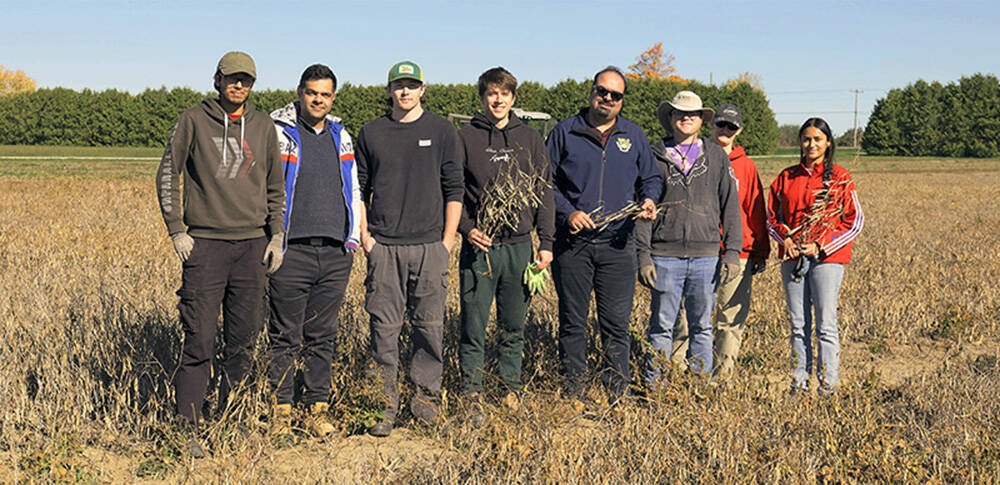
Across Ontario’s growing regions, we evaluate bean varieties under real-world conditions to understand how they perform in different environments. Ultimately, our goal is to develop bean varieties with practical value for growers, including earlier maturity, reliable yield and disease resistance, and I also develop them for other quality traits important to the people who eat them.
But developing a new variety can take years, sometimes over a decade of continuous breeding, testing and selection. We select parent plants based on grower inputs and growing conditions, then test thousands of plants over successive generations, narrowing down to the one plant that best delivers the right combination of yield, quality, disease resistance and adaptability.
That long horizon is why stable public investment matters. Breeding is not a tap that can be turned off and on. If support stops, the effects won’t be visible right away. They’ll be felt years later, when fewer new varieties are available, existing varieties are less well adapted to growing conditions, and farmers have fewer options to respond with. By then, the opportunity to prepare for future challenges will already have been lost.
And public plant breeding does more than help protect Ontario’s food future through more resilient crops; it’s also a sound financial investment. Over the past 25 years, public plant breeding programs in Canada have collectively returned in the order of $20 for every $1 invested. Based on the long-term performance and impact of the University of Guelph’s dry bean breeding and computational biology program, I believe the return in our program is closer to $40 for every $1 invested.
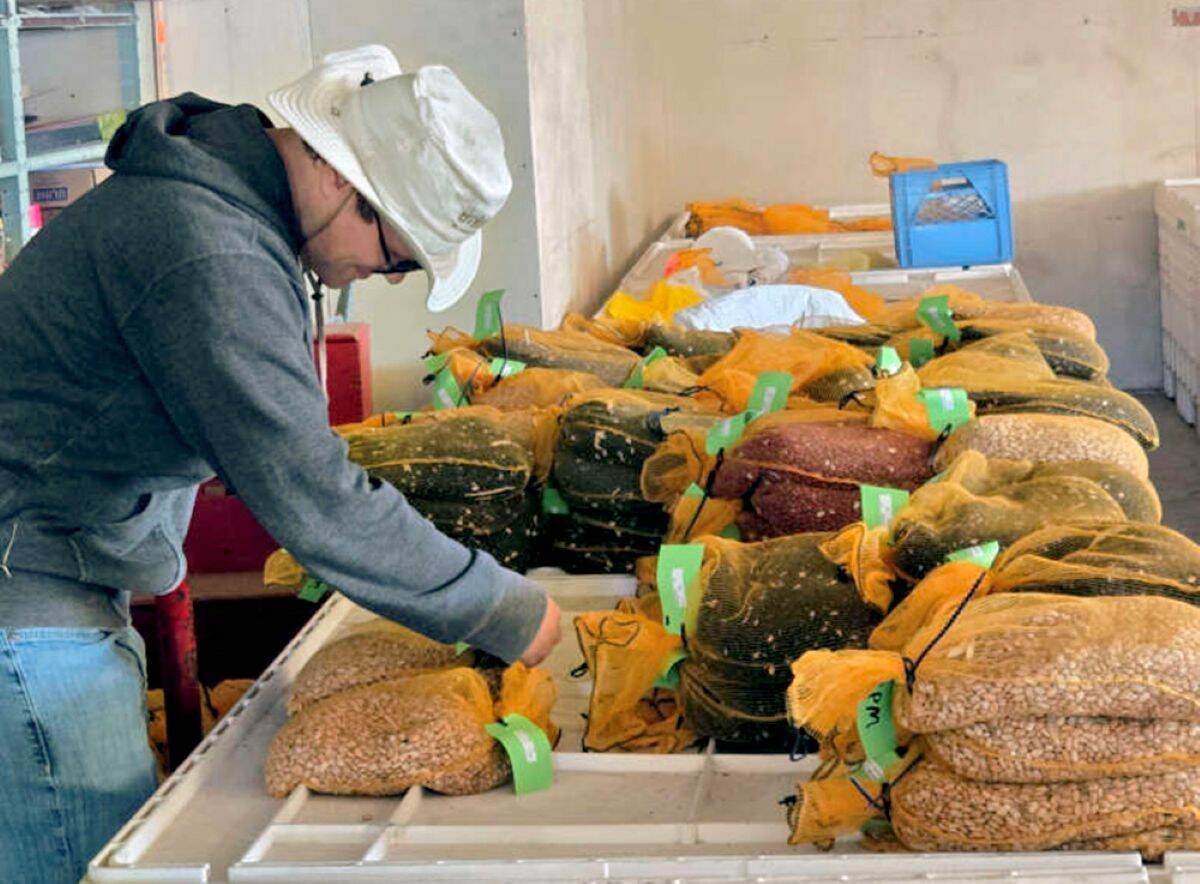
This value extends well beyond any single market opportunity. Investment in public breeding supports long-term research, stronger and more resilient varieties, improved productivity for growers, new opportunities for industry and a more secure food system.
These programs also build capacity that underpins future innovation. Public plant breeding programs generate shared knowledge, train the next generation of plant breeders and develop tools that help researchers anticipate future growing conditions. These benefits are shared across the entire sector, helping Ontario stay ahead of risk and maintain a competitive, resilient food system. That is a full return on investment.
Sustained investment through the Alliance gives Ontario a mechanism to keep that work moving before the need becomes a crisis. It connects government priorities, university expertise and industry needs in ways that deliver practical outcomes and proactive risk management for the province.
Food security starts long before food reaches the grocery store. It starts with the research, people and partnerships that make resilient food production possible. Public plant breeding is part of that. It’s an investment that’s good for farmers and food security with a measurable return for Ontario.
The post Ontario’s future crops depend on public investments made today appeared first on Farmtario.


