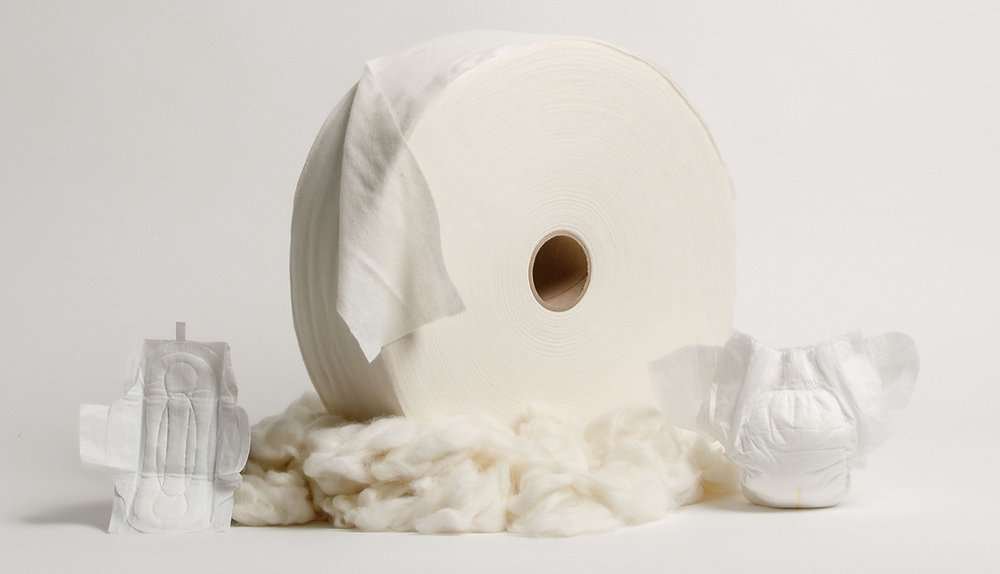
Woolchemy and Lenzing have developed a new bio-based material for hygiene products. It combines New Zealand wool with wood-derived bio fibers.
The patented neweFlex acquisition and distribution layer pairs Woolchemy’s hygiene-grade wool with Lenzing’s VEOCEL Lyocell bio-based fibers. It uses Lenzing’s Lyocell Dry technology. The layer is designed as a bio-based alternative to fossil-based materials. Those materials are typically used in diapers and feminine hygiene products.
The layer targets one of the most functionally important parts of a hygiene product. An acquisition and distribution layer pulls liquid away from the skin. Moisture management and dryness are critical to product performance.
Woolchemy says its bio-based neweFlex offers fast liquid acquisition, low rewet and breathability. It also provides thermal regulation and odor control. Independent testing cited by the company found products using the biomaterial kept a warmer, more stable microclimate. Humidity was 10% lower than with a polypropylene alternative. A separate study found surfaces stayed three to 14 times drier than those using other bio-based materials.
Lenzing’s VEOCEL Lyocell fibers come from renewable wood sources. This makes them a fully bio-based input. They’re built for nonwoven applications. The Lyocell Dry technology adds liquid-controlling properties suited to diapers and sanitary pads.
The collaboration marks another step in Woolchemy’s push toward commercial-scale bio-based production. In May 2026, the company signed an agreement with Spanish spunlace specialist BCNonwovens. The partnership aims to scale up neweFlex and develop new bio-based formats. These include wipes, baby care, feminine hygiene and incontinence products.
The project reflects a wider shift in hygiene nonwovens. Manufacturers are increasingly looking to renewable, bio-based fiber systems that can cut reliance on petroleum-derived materials. The goal is to do so without compromising the performance disposable products need.
The post Woolchemy, Lenzing develop bio-based hygiene material appeared first on World Bio Market Insights.