Teachers have a lot to fit into the school day. Between academic standards, required curriculum, assessments, and everything else competing for classroom time, adding one more topic can feel nearly impossible.
The good news? Agriculture doesn’t have to be one more thing to teach. Chances are, it already fits into what you’re teaching.
Agriculture offers real-world examples for science, math, social studies, language arts, STEM, and more. And you don’t have to create those connections on your own. IALF has free lesson plans, student publications, FarmChats, and other resources designed to help you use agriculture to teach concepts already in your curriculum.
Here are a few places agriculture might already fit into your lesson plans.
Teaching life cycles? Look to agriculture.

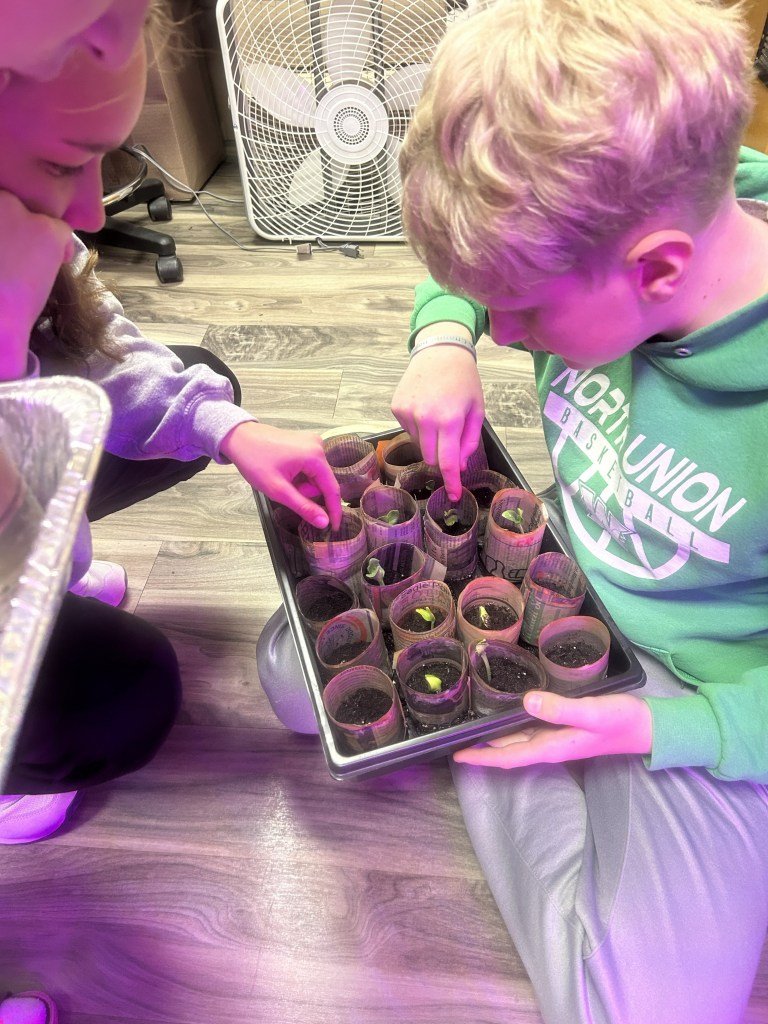
Seeds germinate, plants grow and reproduce, animals grow and change, and pollinators play an important role in the production of many foods. Agriculture gives students tangible examples of the life cycles they study in science.
Grow seeds in the classroom, investigate pollination, compare plant and animal life cycles, or follow an Iowa crop from planting through harvest. IALF’s My Family’s Farm books and accompanying lessons introduce students to real Iowa farms and farm families while reinforcing classroom concepts.
Working on fractions, ratios, measurement, or data Put agriculture to work.
Farmers and agricultural professionals use math every day. Students can calculate livestock feed rations, measure a garden plot, graph crop production, compare yields, or work with percentages and agricultural data.
Using an agricultural example doesn’t change the math students need to learn. It simply gives them a real-world reason to use it. In IALF’s Feed Sacks lesson, for example, students use math skills while exploring the nutritional needs of pigs.
Studying ecosystems, weather, or natural resources? Agriculture fits.
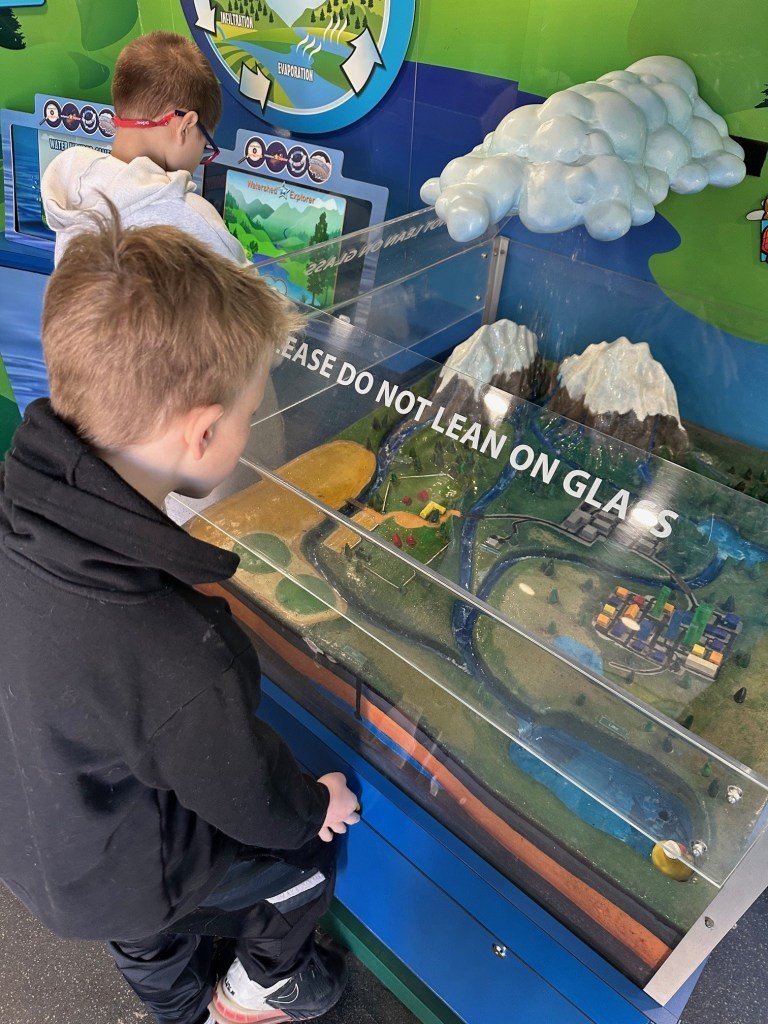
Soil, water, weather, plants, animals, insects, and people are all part of agriculture. A lesson about erosion can explore how farmers keep soil in place. A weather unit can examine how rainfall and temperature affect crops. An ecosystem lesson can include pollinators, soil organisms, watersheds, or conservation practices.
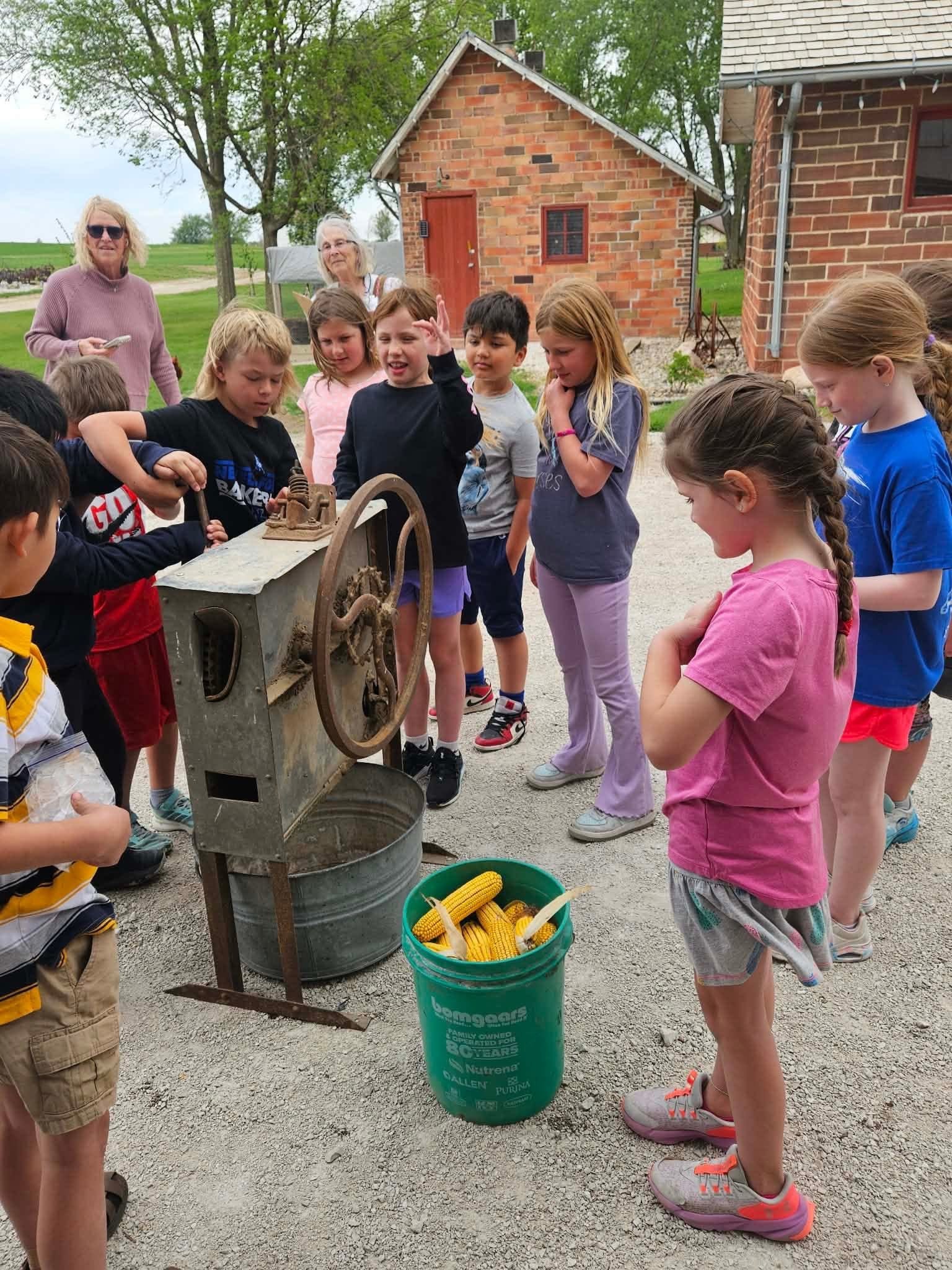
IALF lessons such as Caring for the Land and Geography and Climate for Agricultural Landscapes give students hands-on ways to explore soil, water, conservation, and the connections between agriculture and natural resources.
Exploring Iowa history or economics? Follow agriculture’s story.
Agriculture has influenced Iowa’s communities, economy, transportation systems, and history. It also gives students familiar examples for exploring supply and demand, trade, technology, and how industries change over time.
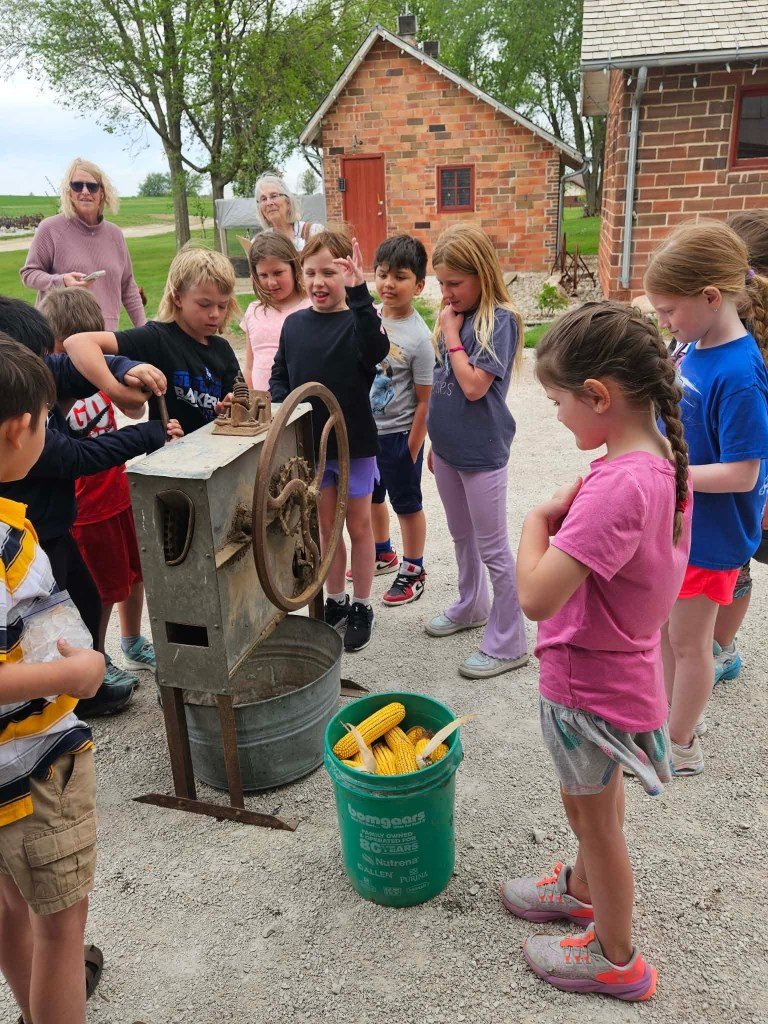
Students might compare farming today with farming several generations ago, investigate how an Iowa agricultural product gets to consumers, or explore how Iowa agriculture connects to markets around the world. IALF’s lesson plan library includes social studies lessons that use agriculture to explore Iowa history, economics, geography, and more.
Building reading and writing skills? Start with agriculture.
How does cotton grown on a farm become a T-shirt? How does milk get from a cow to the grocery store? What does a veterinarian do? Why are pollinators important? How should farmers protect soil and water?
Questions like these can lead to informational reading, research, writing, vocabulary development, and classroom discussion. Iowa Ag Today and My Family’s Farm provide agriculture-focused reading materials that can help students build literacy skills while learning where their food, fiber, and other everyday products come from.
Teaching engineering and problem solving? Give students a real problem to solve.
How can farmers reduce soil erosion? Conserve water? Keep animals healthy and comfortable? Grow more food with limited resources?

Agricultural challenges give students a reason to ask questions, test ideas, analyze results, and improve their designs. They can also introduce students to the science, technology, and careers involved in modern agriculture.
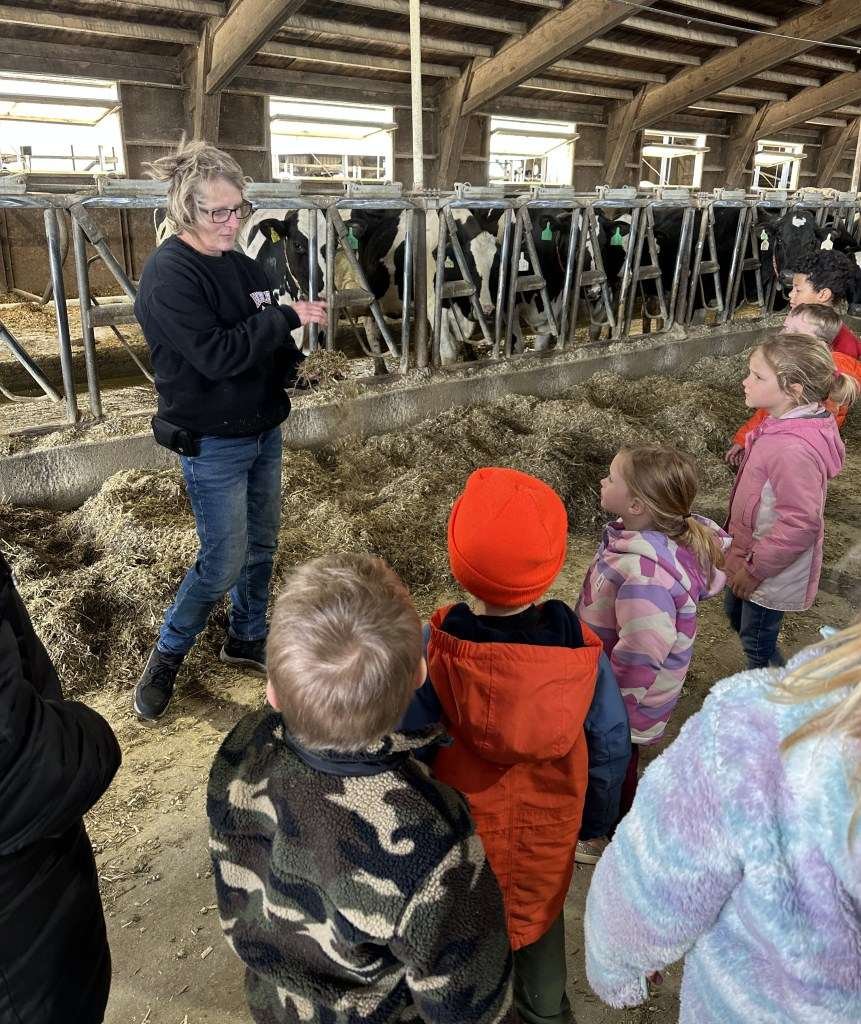
And when you want students to hear directly from the people doing this work, a FarmChat® can bring farmers and agricultural professionals into your classroom virtually. IALF also has a collection of recorded FarmChats that can be used anytime.
Start With What You’re Already Teaching
Bringing agriculture into your classroom doesn’t require an agriculture unit or an extra week in your curriculum. Start with the standards and lessons already on your calendar and ask:
Where could agriculture help me teach this concept?
IALF has resources to help you make that connection. Explore our free lesson plans (Iowa, National), Iowa Ag Today publications (elementary and middle school versions), My Family’s Farm books and lessons, FarmChats, and Lending Library to find resources that fit your grade level, subject area, and classroom needs.
You may be surprised by just how many places agriculture already fits into what you teach.
Explore IALF classroom resources