

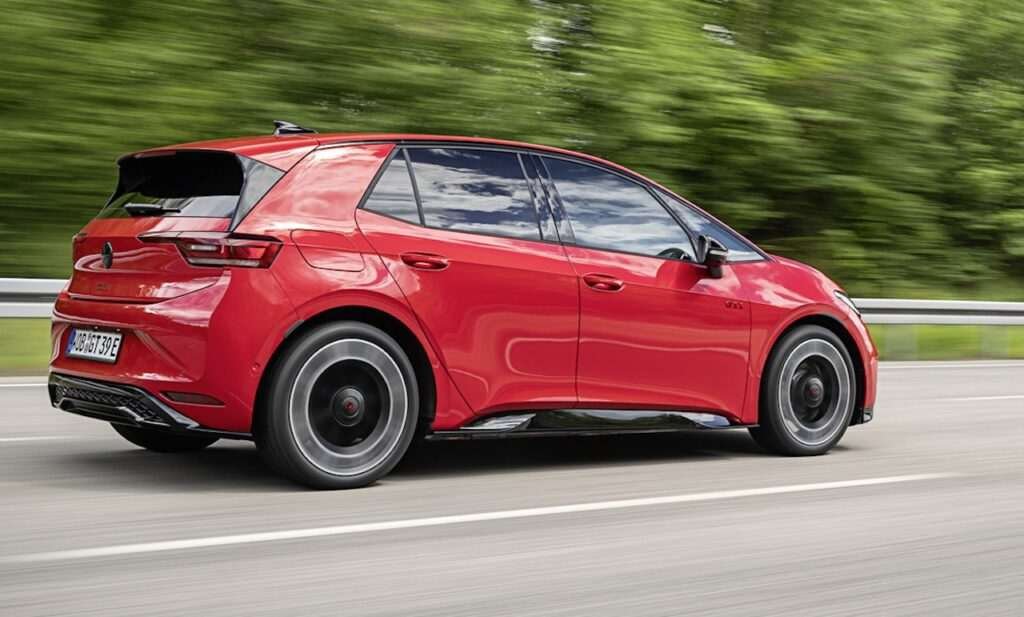
One of the most famous performance badges in motoring is undergoing its biggest transformation yet, with Volkswagen revealing the electric ID.3 GTI as the first rear-wheel-drive GTI and the most powerful production model in the badge’s 50-year history.
The new battery-electric hot hatch develops 240kW and 545Nm and sends all of it to the rear wheels – a dramatic departure for a badge that has been synonymous with front-wheel-drive performance since the original Golf GTI appeared in 1976.
Volkswagen says the ID.3 GTI will accelerate from 0-100km/h in 5.6 seconds, while top speed is electronically limited to 200km/h.
READ MORE: https://evcentral.com.au/re-hatched-why-the-overhauled-volkswagen-id-3-neo-might-finally-have-everything-it-needs-to-do-well-in-australia-and-beat-the-tesla-model-3-and-mg4/
READ MORE: Volkswagen ID. Polo GTI performance numbers confirmed: Heavier and slower than ICE but VW guarantees great handling
READ MORE: 6.48kWh/100km! Volkswagen Mission Efficiency electric car shows how frugal an EV can be in the real world
Its 240kW output also edges past the 239kW Golf GTI Edition 50, making the electric model the most powerful series-production GTI Volkswagen has produced.
The transformation is significant because GTI has spent five decades closely associated with the Golf and, subsequently, other front-drive Volkswagens including the Polo.
The original 81kW 1976 Golf GTI helped establish the modern hot-hatch formula by combining relatively affordable performance with the practicality of a small family hatchback.
Volkswagen is now attempting to carry that philosophy into its electric range.
The ID.3 GTI is not the first electric Volkswagen to be associated with the GTI badge – an ID. Polo GTI is also part of the company’s new-generation EV program – but it is the first rear-wheel-drive GTI.
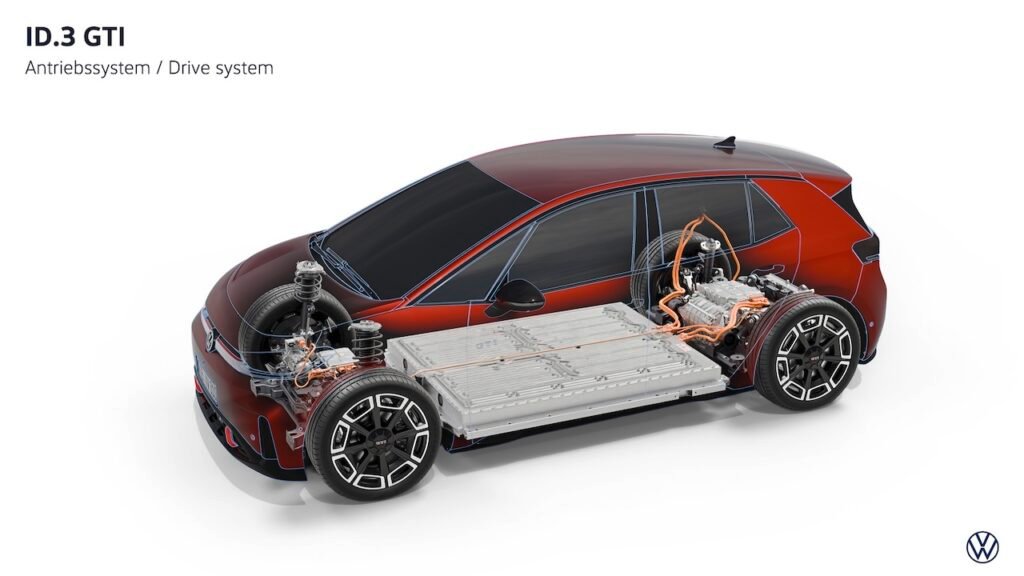
Its electric motor is integrated into the rear axle and draws power from a 79kWh usable lithium-ion battery.
Volkswagen claims a WLTP driving range of up to 601km and energy consumption of 14.5kWh/100km, although both figures remain forecasts ahead of production.
Maximum DC charging power is 183kW, with a claimed 10-80 per cent recharge taking about 29 minutes.
But Volkswagen is placing at least as much emphasis on making the ID.3 feel like a GTI as it is on outright performance.
Standard equipment includes an adaptive DCC sports chassis, direct progressive steering, launch control and a dedicated GTI driving mode.
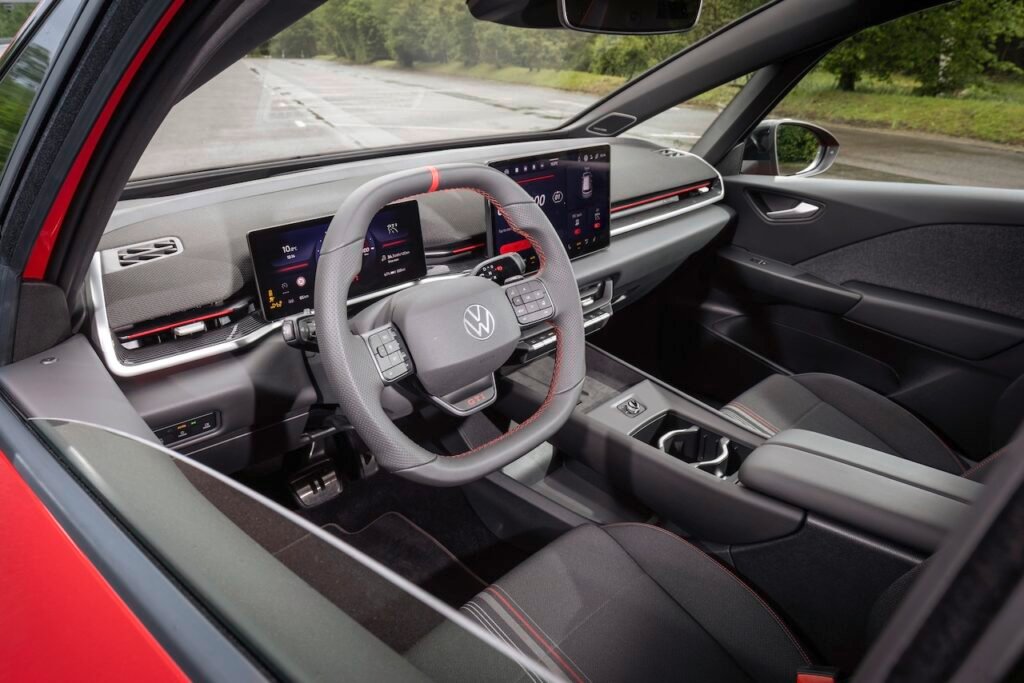
Pressing a GTI button on the steering wheel switches the powertrain, steering and adaptive chassis to their sportiest settings, activates launch control availability and changes the cabin lighting and digital instruments to a red GTI theme.
Intriguingly, it also introduces the sound of a combustion engine into the cabin – part of Volkswagen’s attempt to give the electric hot hatch some of the character traditionally associated with petrol-powered GTIs.
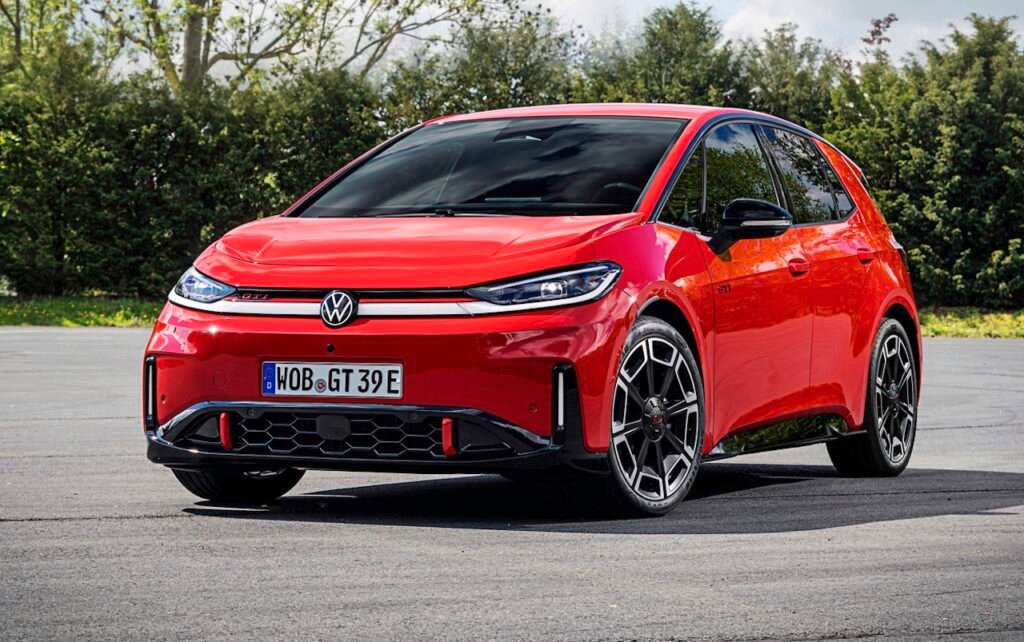
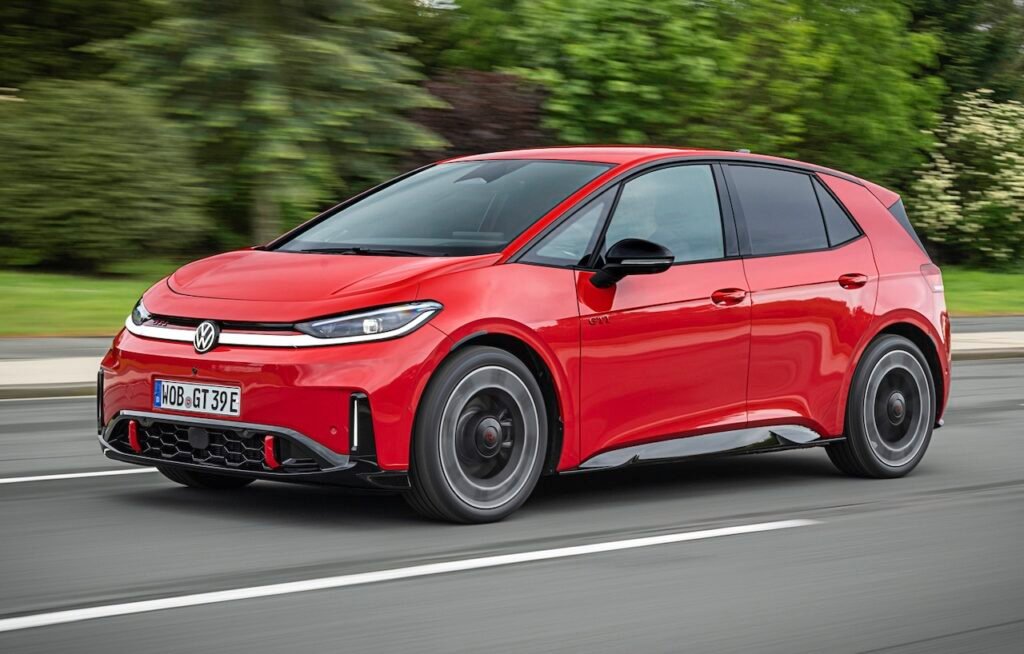
The exterior carries plenty of familiar GTI references as well.
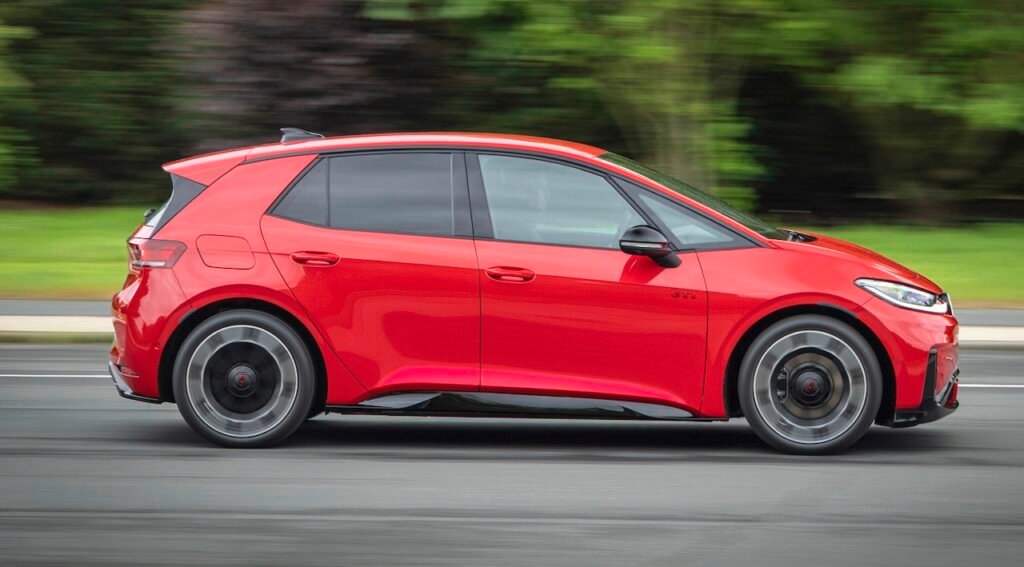
A red strip runs across the nose in a direct reference to the red grille surround of the original 1976 Golf GTI, while the car gains a black honeycomb lower grille, GTI-specific bumper treatment and standard 20-inch Wörthersee alloy wheels – themselves named after the Austrian location famous for hosting the annual GTI gathering.
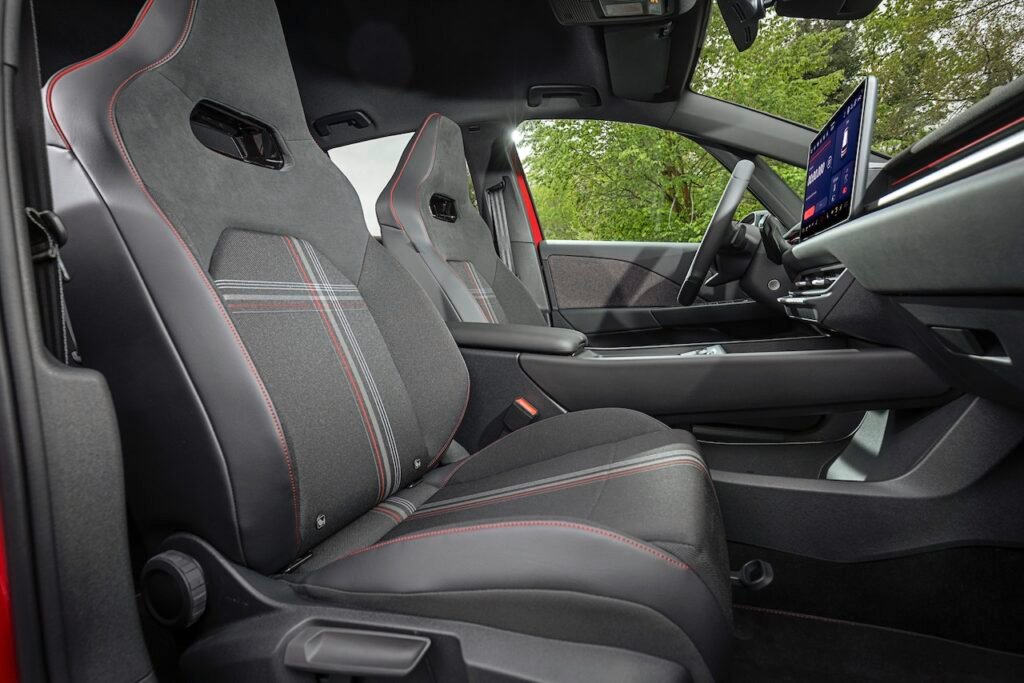
Inside, the traditional GTI tartan seat pattern has been reinterpreted for the electric model, while there is red stitching, a red 12 o’clock steering-wheel marker and GTI-specific digital instrumentation.
Underneath all that is Volkswagen’s extensively updated ID.3 Neo, which introduces a substantially revised interior including a 12.9-inch infotainment screen and, notably, the return of more physical controls.
There are separate climate-control switches below the touchscreen and a rotary controller on the centre console for audio volume and track selection.
The ID.3 GTI also offers vehicle-to-load capability through an optional adapter connected to its charging port, allowing the battery to power or recharge external electrical equipment.
European pre-sales are scheduled to begin in early 2027. Unfortunately, Australian GTI enthusiasts shouldn’t start saving just yet.
The regular ID.3 has never reached Australia despite previously being earmarked for local sale, and Volkswagen Australia has increasingly concentrated its electric-car efforts on SUVs.
The company’s current Australian EV passenger-car range centres on the ID.4 and ID.5 SUVs, while Volkswagen Australia executives have previously pointed to this country’s strong preference for SUVs when discussing the business case for smaller electric hatchbacks such as the ID.3 Neo.
That makes an Australian launch for the ID.3 GTI unlikely under current plans, although Volkswagen has not formally ruled out the latest ID.3 generation.
There is nevertheless some Australian precedent for its mechanical layout. The closely related Cupra Born has previously been sold here, although the updated version has yet to be confirmed for a local return.
The post Volkswagen turns iconic GTI on its head: Electric ID.3 is first rear-drive GTI and the most powerful ever appeared first on EV Central.


