
Niagara region growers of stone fruit and grapes are now working through the long-term implications of heavy rain and flooding this summer.
Heavy rain and flooding hit communities across the Niagara region, including St. Catharines, Niagara-on-the-Lake, Grimsby and Lincoln, during the last week of July and the first week of August 2026. The intense rainfall led these towns and cities to declare a State of Emergency after flooding affected homes and property.
WHY IT MATTERS
The Niagara region flooding will challenge growers on how to manage the risk of similar floods and weather events in the future.
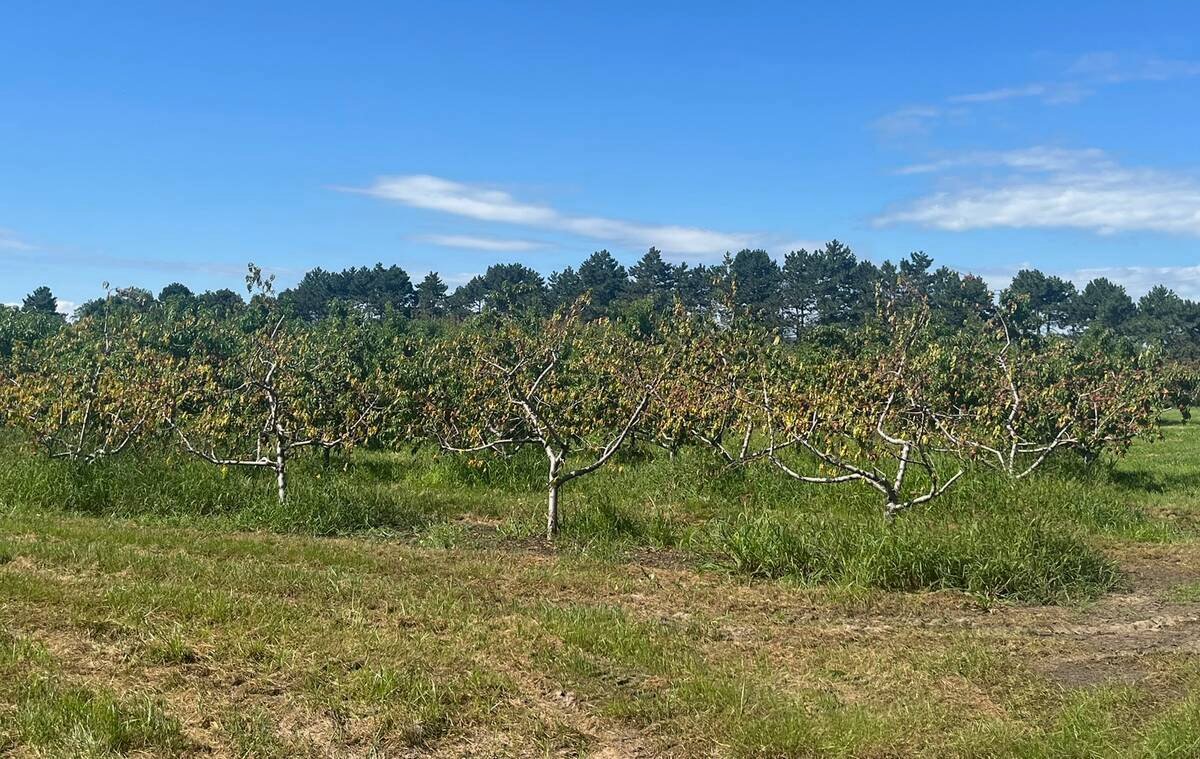
The outlook for the rainfall’s effects on farms is a significant concern for fruit supply. David Hipple, owner of Hipple Farms Ltd, grows peaches, nectarines, pears, plums, cherries, apricots and grapes on his 140-acre farm located in Lincoln, Ont.
He cannot tell how many of his trees the Niagara flooding affected. However, his largest concern is how many years he will have to wait to replant.
“The biggest issue with plants dying is that I cannot just go to a store and buy plants. It takes two years to order them and then five years to get back to where they are now, at minimum,” Hipple said. “So, I have seven years from today to get back to where I am.”
Comparing his farm now to before the flooding, his farm is wet, as this has been the wettest year people in his town can remember. Hipple said the lowest part of his farm, where he has some peaches and grapes, was most affected by the flooding.
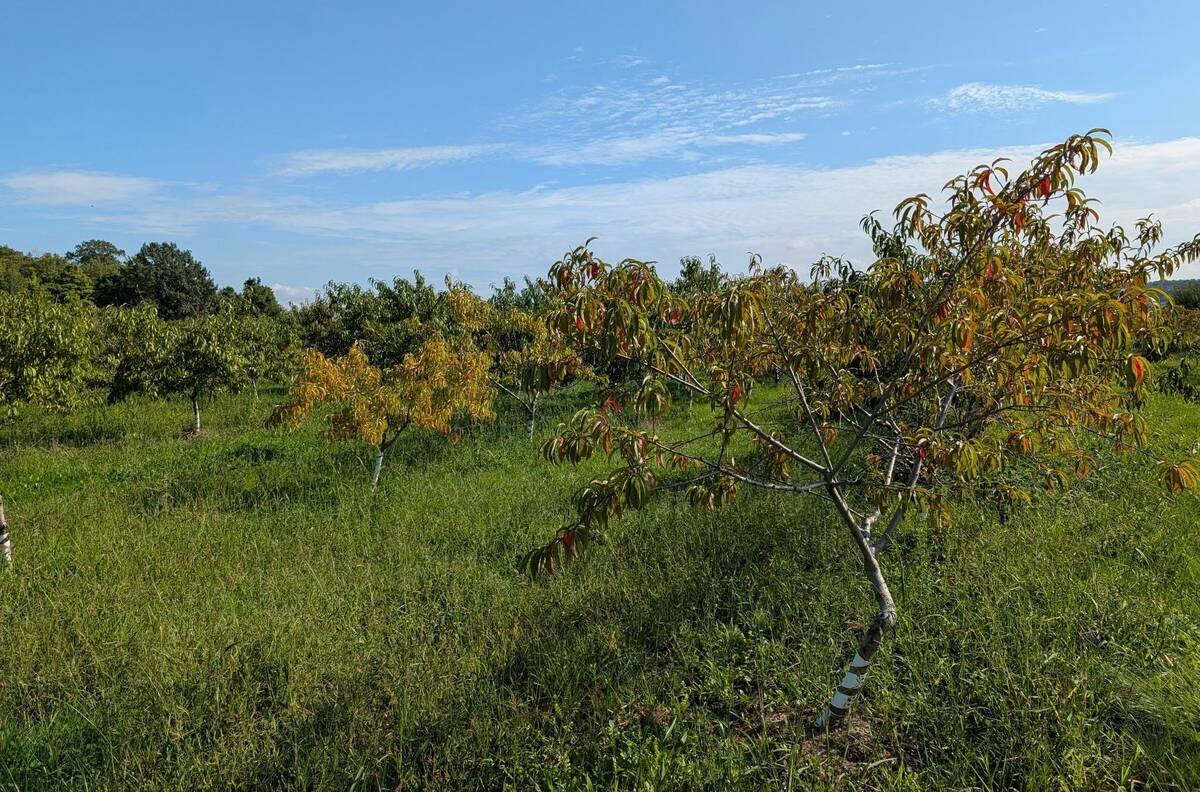
“The peach trees need to breathe, and all parts of the tree need to breathe, including the roots,” Hipple said. “So if they stay underwater for too long, then technically the trees suffocate, and we have a bunch of trees that are turning yellow and will probably die this fall or over the winter and not come back next spring.”
Long-term implications
Sarah Marshall, manager of Ontario Tender Fruit Growers and Ontario Fresh Grape Growers, also said it will take a while to understand the long-term implications.
“It is essentially a wait-and-see situation. Trees on ground that drained within a couple of days may be fine, but we won’t know the long-term effects until early winter or even next spring. Site-specific areas that were underwater for more than a few days are a concern.”
The outlook on grapevines from the flooding is similar. “We have some grapes doing the same thing. With grapes, some varieties are almost ripe that are just split, basically exploding on the vines because of all the water and rotting,” Hipple said.
Regarding cleanup or recovery work, he said nothing has been done yet because the soil has to dry out or the crops have to come off before they try to fix the mud, puddles or ruts.
Also, with the trees, they have to wait and see, as next spring will have the majority of the plant cleanup.
Wait and see
“Once we really see what happens and then the years after, just because it does not die this winter, it does not mean it is not hurt,” Hipple said. “We will feel the effects of this year for a decade.”

Jayasankar Subramanian, professor of tree fruit breeding and biotechnology at the University of Guelph’s Vineland campus, said that when the roots of fruit trees have been waterlogged for several days, “they are stressed out due to lack of oxygen, and will slowly get killed.”
He further described that root damage will affect next year’s trees in Niagara and overall Ontario’s fruit supply “as they will not be having the same normal ‘life’ as before.”
Crop yields will be reduced and some trees will need to be replanted, said Subramanian.
Fruit growers affected by the flooding in the Niagara Region do not have a “user’s manual” to support surviving trees before winter. “If there is repeated flooding for three or four years, then it is a grim situation for fruit growing in Niagara. We hope it is one and done,” Subramanian said.
Marshall explained that ongoing support has been implemented to reduce pressure on farmers.
“We are working with the province on assessments through crop insurance and have encouraged growers with crop insurance to open up claims.”


