
A sofa can completely change the feeling of a living room. The right shape can make a small space feel open, while the right fabric can bring warmth to a room that feels cold or unfinished. Even a simple seating area can become the heart of the home when the sofa, colors, textures, and surrounding furniture work together.
The exciting part is that there is no single perfect style. A soft, oversized couch can create a relaxed family room, while a sleek modern piece can give a compact apartment a polished appearance. Curved silhouettes, sectional seating, vintage-inspired upholstery, and neutral colors can all create very different moods.
For anyone refreshing a living room, choosing between so many furniture styles can feel overwhelming. These 12 sofa design ideas make the process easier by focusing on attractive shapes, practical layouts, comfortable materials, and timeless decorating details.
Cozy Curved Sofa for a Softer Living Room
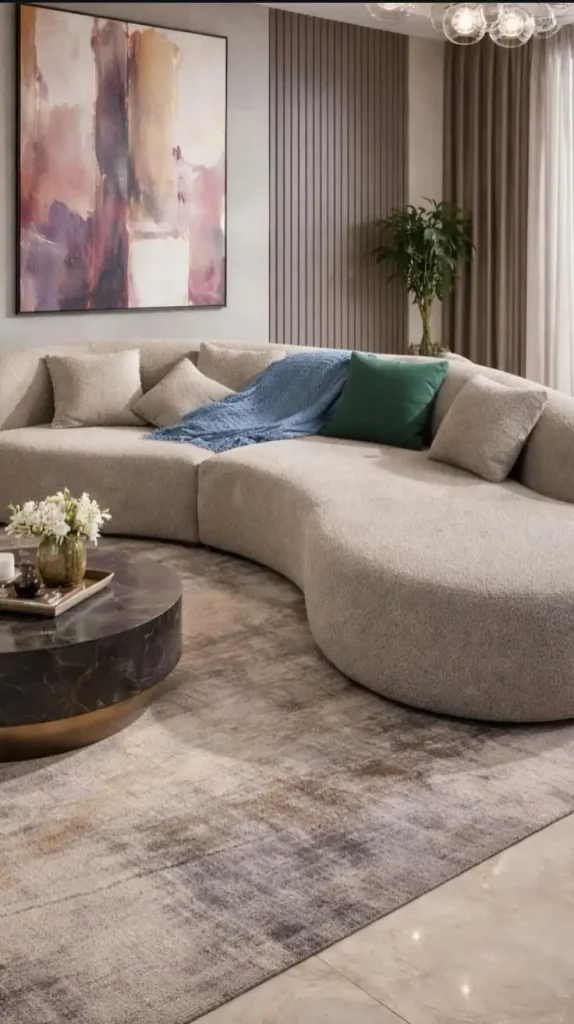
Curved furniture has a naturally welcoming appearance. Instead of sharp corners and straight lines, a rounded silhouette creates a gentle flow that can make a living room feel more relaxed and comfortable.
A curved couch works especially well in spaces that need a softer visual balance. Pair it with a round coffee table, an area rug with subtle patterns, and a few rounded accent chairs to continue the shape throughout the room.
Neutral upholstery such as cream, beige, warm gray, or soft brown keeps the look sophisticated. For a stronger statement, earthy green or muted blue can add personality without becoming overwhelming.
This style is particularly appealing for entertaining because the rounded shape encourages conversation. Rather than making everyone face a television, the seating arrangement can create a more social atmosphere.
Modern Low-Profile Sofa for a Clean Look
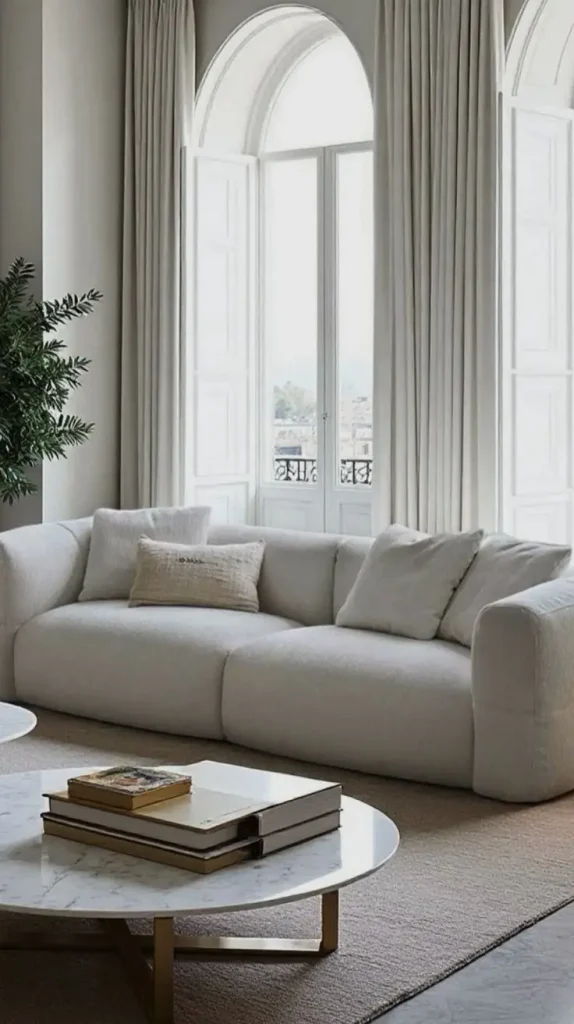
A low-profile sofa is an excellent choice for anyone who enjoys a clean and uncluttered interior. Its lower height creates a horizontal visual line that can make a room appear wider and more spacious.
This style often features simple cushions, straight arms, minimal decorative details, and sturdy upholstery. It fits naturally into modern, contemporary, minimalist, and Scandinavian-inspired interiors.
Light-colored fabric can keep the room feeling airy, while charcoal, navy, or deep brown creates a more dramatic appearance. Add a textured throw and a couple of soft pillows to prevent the space from looking too plain. The secret is balance. A simple couch becomes much more interesting when surrounded by contrasting textures such as wood, woven baskets, linen curtains, and a plush rug.
Oversized Sofa for Ultimate Comfort
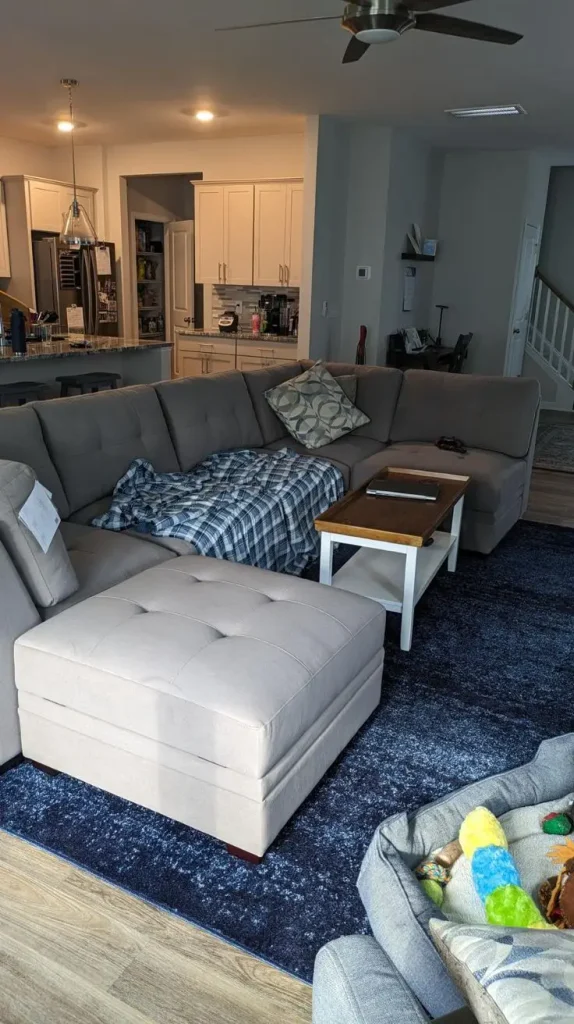
Sometimes comfort deserves to be the star of the room. An oversized sofa provides plenty of space for stretching out, reading, watching movies, or spending relaxed evenings with family. Deep seats and generously filled cushions create that inviting feeling people naturally want to sink into. This style works beautifully in larger living rooms where a smaller couch might look lost.
To keep the room balanced, use a substantial coffee table rather than a tiny table that disappears in front of the seating. Large floor lamps, substantial side tables, and layered rugs can also help anchor the furniture.
For homes with children or pets, durable performance fabric can be a smart choice. Easy-clean upholstery allows the room to remain comfortable without making every small spill feel like a disaster.
Classic Chesterfield-Inspired Seating
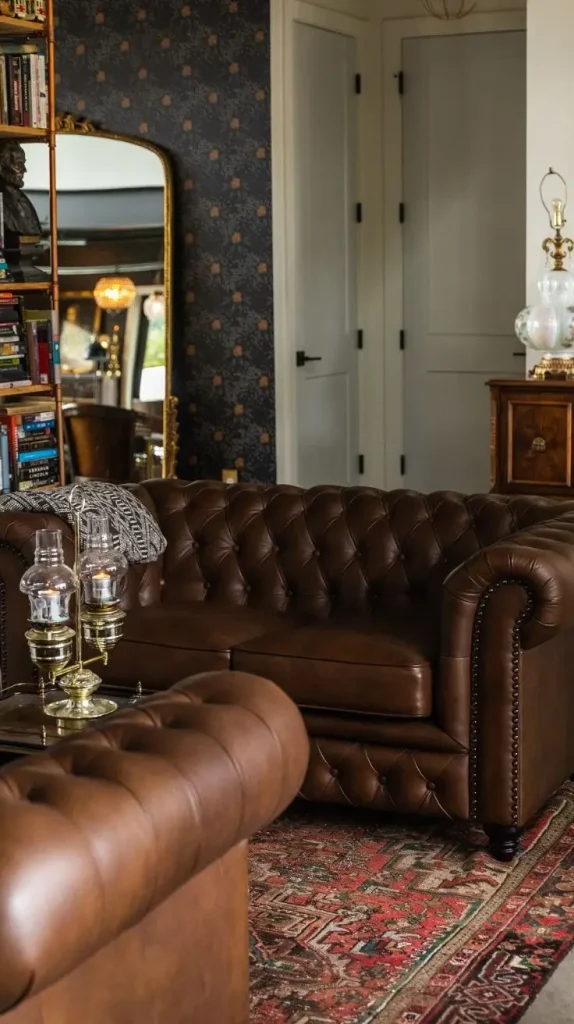
Few furniture styles have the character of a classic Chesterfield-inspired sofa. Deep button tufting, rolled or structured arms, and a substantial frame give this style a distinctive traditional appearance.
Leather is a popular choice, especially in brown, cognac, black, or deep burgundy. Fabric versions can create a softer and more casual interpretation. This look works surprisingly well beyond traditional interiors. Combine a classic silhouette with modern artwork, simple lighting, and contemporary accessories for an interesting contrast.
The result feels established without necessarily looking old-fashioned. A vintage-style coffee table, patterned rug, and warm lighting can make the entire room feel rich and layered.
Sectional Sofa for Family Living
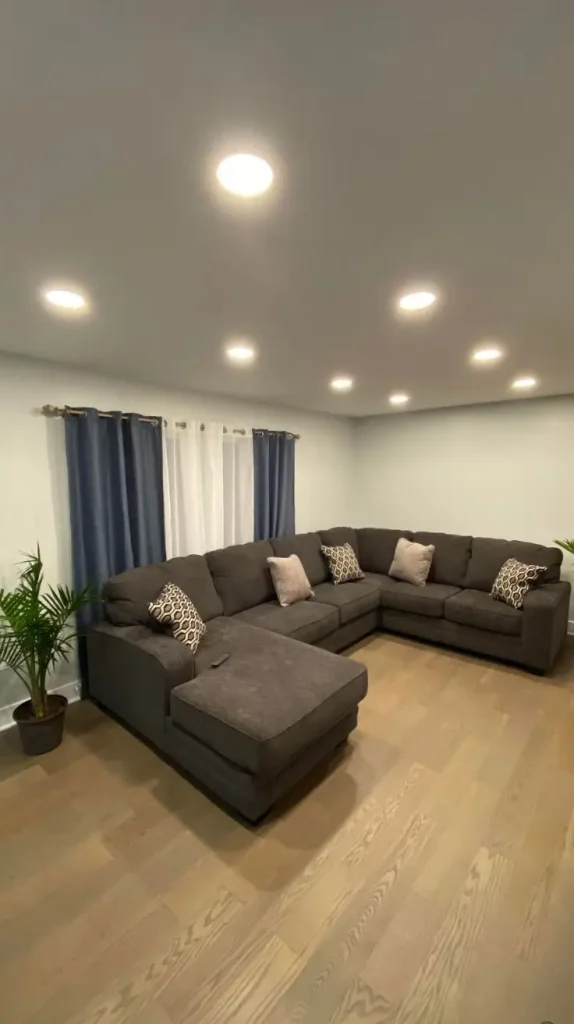
A sectional can transform an ordinary seating area into a comfortable gathering space. Its generous configuration gives several people room to sit together without constantly rearranging chairs.
L-shaped sectionals are particularly useful for defining an open-plan living room. They can separate the sitting area from the dining room or kitchen without requiring a physical wall. A U-shaped configuration provides even more seating and creates an intimate central area. However, it requires more floor space, so accurate measurements are important before buying.
Choose upholstery according to how the room is used. Busy households may benefit from stain-resistant fabric, removable cushion covers, or darker tones that are easier to maintain.
Elegant Neutral Sofa With Layered Textures
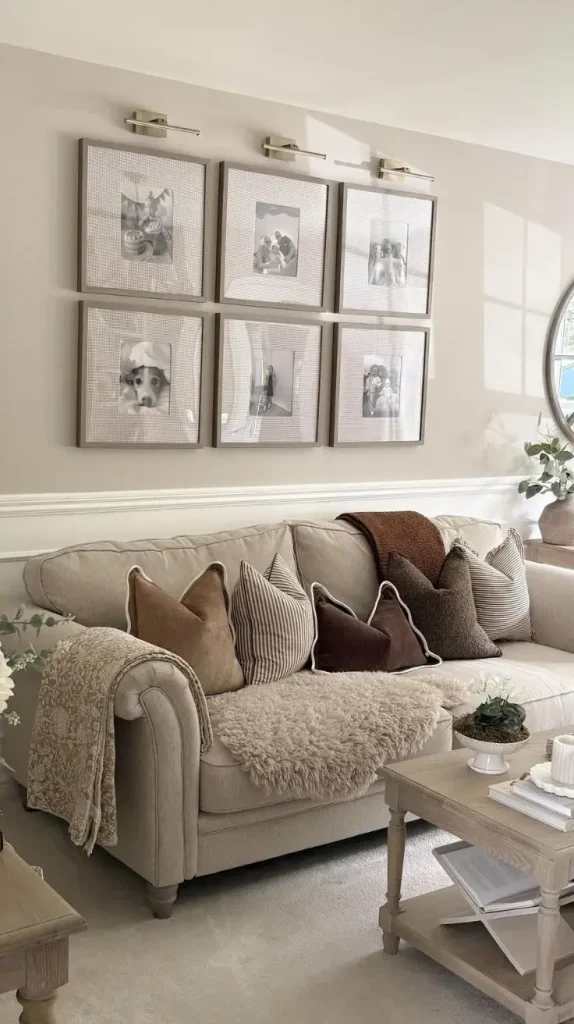
Neutral furniture never has to look boring. A cream, ivory, taupe, beige, or light gray sofa can become a beautiful foundation for a layered living room. The trick is to introduce variety through texture rather than relying heavily on color. Add knitted throws, linen pillows, boucle accents, woven baskets, natural wood, and a textured area rug.
This approach creates a calm atmosphere while leaving plenty of freedom to change the room later. Seasonal pillows and blankets can completely refresh the appearance without replacing the main furniture.
Neutral upholstery is also useful for people who enjoy changing their decorating style. A simple base can work with farmhouse accessories today and a more contemporary arrangement later.
Bold Color Sofa for a Dramatic Focal Point
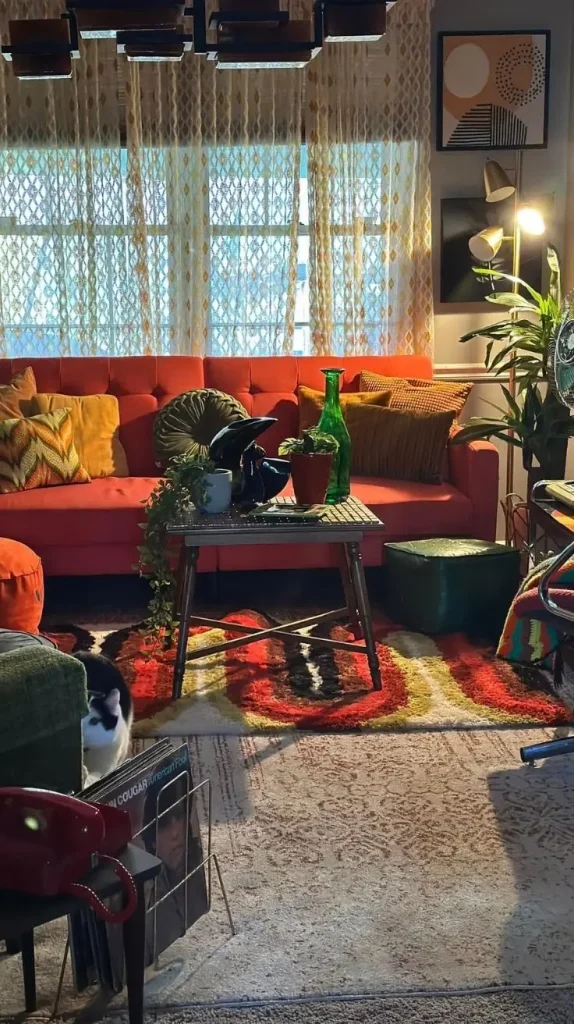
A colorful couch can instantly become the centerpiece of a living room. Deep green, rich blue, terracotta, mustard, rust, and muted pink can all bring remarkable character to an otherwise simple space.
The key is allowing the furniture to stand out. When the upholstery is bold, surrounding pieces can remain relatively restrained.
For example, a deep green sofa can work beautifully with warm wood, cream walls, brass lighting, and natural textures. A navy couch can pair with light flooring and soft neutral textiles. Color should feel intentional rather than accidental. Choose one dominant shade and repeat small touches of it through artwork, pillows, curtains, or decorative objects.
Modular Sofa for Flexible Spaces
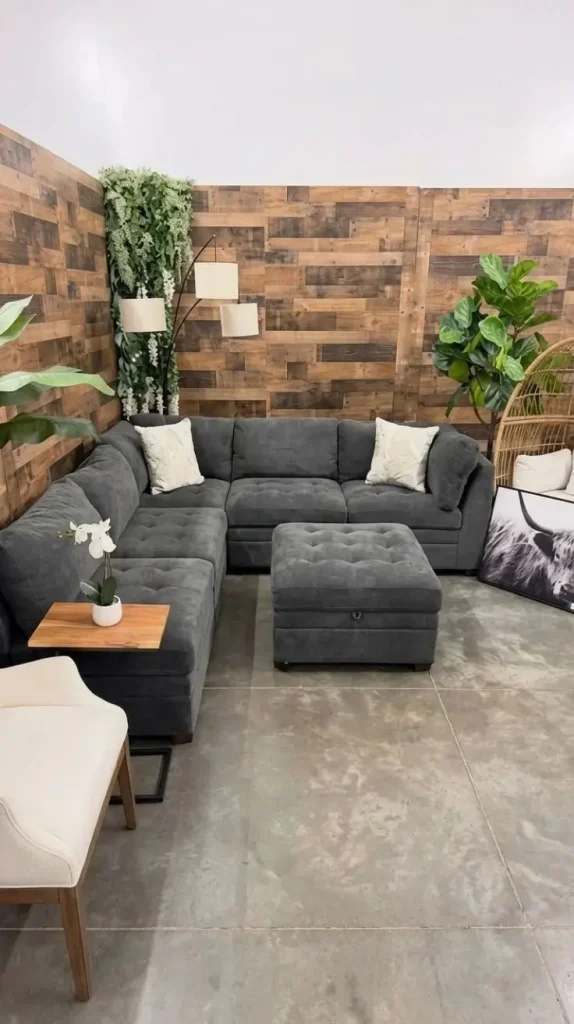
A modular sofa offers flexibility that traditional furniture cannot always provide. Individual sections can often be rearranged to suit different occasions, making this a practical choice for people who enjoy changing their layout.
The arrangement can shift when guests arrive, when the room needs more open floor space, or when furniture needs to be moved for cleaning. Modular seating also works well in apartments and multipurpose rooms. Instead of committing to one permanent configuration, separate pieces can adapt as the household’s needs change.
Keep the surrounding furniture lightweight enough to allow easy movement. A movable ottoman can provide additional seating, serve as a footrest, or act as a casual coffee table when paired with a tray.
Vintage-Inspired Sofa With Timeless Charm
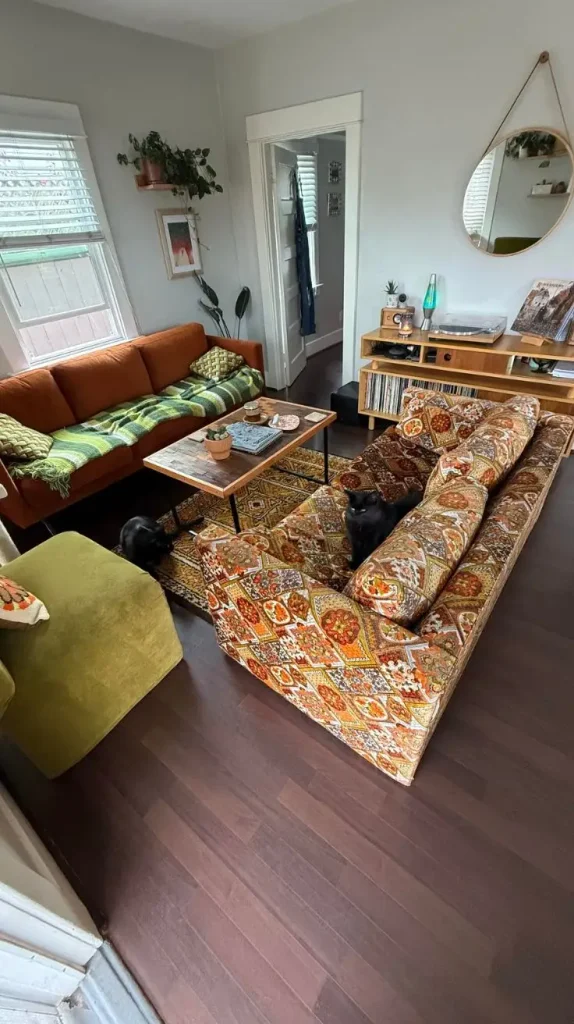
Vintage-inspired furniture brings personality into a living room. Tapered legs, curved arms, patterned fabric, tufted cushions, and retro silhouettes can create a nostalgic atmosphere without making the entire room look dated.
A vintage-style sofa can become especially attractive when mixed with contemporary elements. Place it beside a modern floor lamp or pair it with a simple glass coffee table. This combination creates contrast, which often makes the room more visually interesting.
Muted floral patterns, warm mustard, dusty blue, olive green, and earthy brown can strengthen the retro feeling. For a more subtle approach, choose a plain fabric and let the shape provide the vintage character.
Sleeper Sofa for a Small Guest-Friendly Room
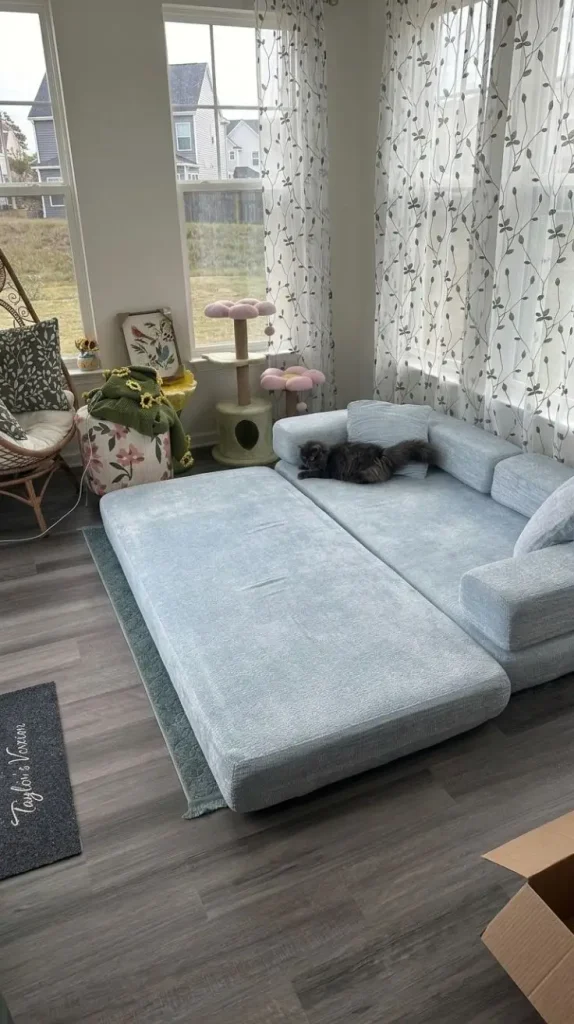
A sleeper sofa is a practical solution when a home needs occasional sleeping space. During the day, it functions as comfortable seating. At night, it can provide an additional bed for guests. This is especially useful in apartments, home offices, studio spaces, and small guest rooms.
Modern sleeper furniture has become much more attractive than the bulky designs associated with older models. Look for streamlined arms, supportive cushions, and an easy-to-operate mechanism.
Before purchasing, measure both the sofa and the extended sleeping area. A piece may fit perfectly against the wall when closed but require considerably more floor space when converted into a bed.
Comfort matters here too. If guests will regularly use the sleeping surface, prioritize mattress quality rather than choosing based only on appearance.
Sofa With Chaise for Relaxed Lounging
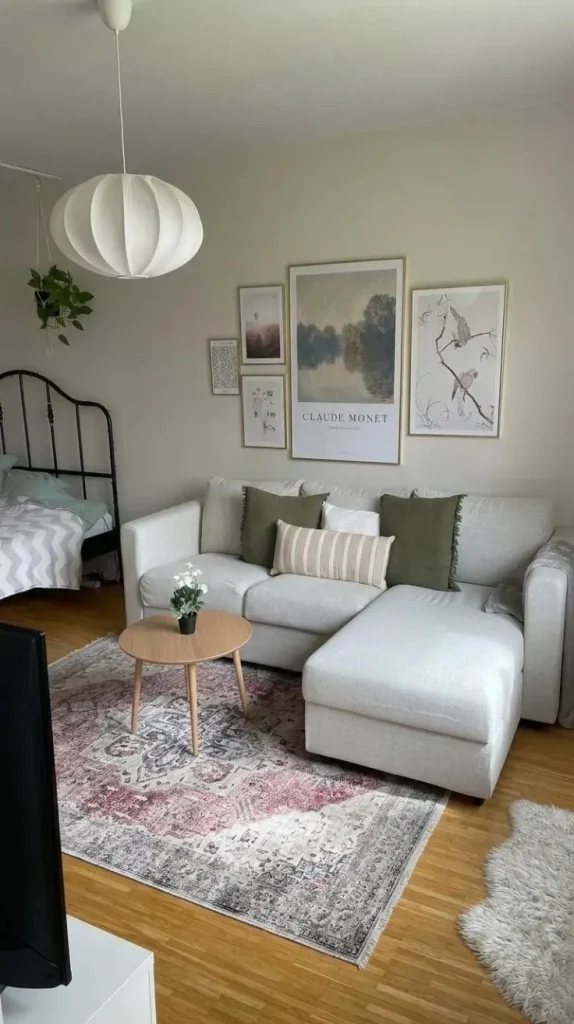
A chaise adds an instant lounging zone. It allows one person to stretch out while others sit normally, making it useful for movie nights, reading, afternoon naps, or relaxed conversations. This configuration works particularly well in family rooms where comfort is more important than formal entertaining.
Place the chaise toward the side of the room where it will not interrupt the main walkway. Leave enough space around the furniture so people can move naturally between the seating area and other parts of the home.
A large area rug can help unite the sofa, coffee table, and nearby accent furniture. Add a floor lamp beside the chaise and a small side table within reach for books or drinks. Suddenly, an ordinary corner becomes one of the most desirable places in the house.
Scandinavian-Style Sofa for a Light and Airy Room
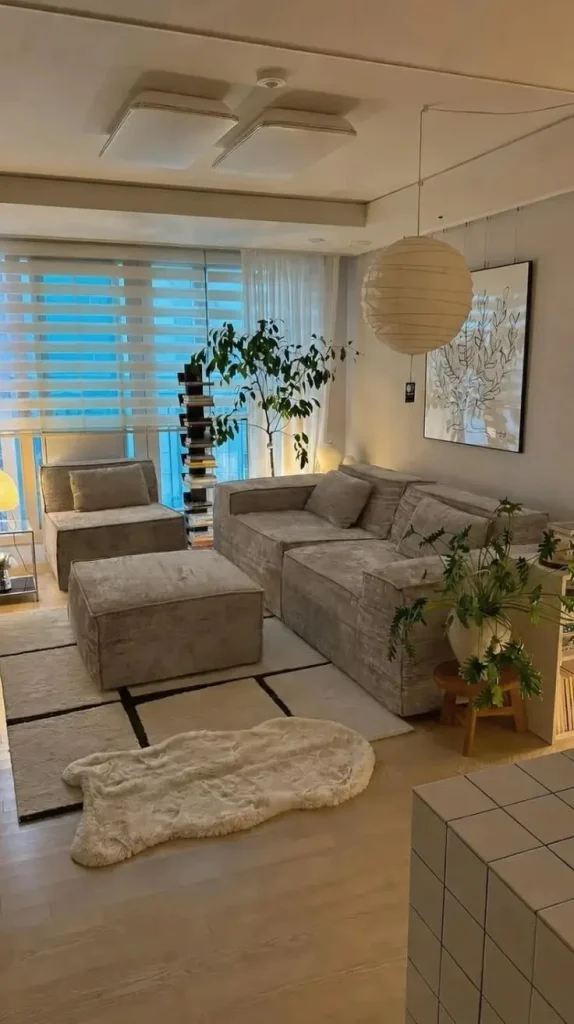
Scandinavian-inspired furniture focuses on simplicity, comfort, natural materials, and understated beauty. A sofa with clean lines, slim legs, soft upholstery, and a simple silhouette can create this feeling without requiring a complete room makeover.
Light gray, cream, beige, pale blue, and muted green are excellent choices. Natural wood legs add warmth and prevent the furniture from feeling too stark. Keep accessories simple. A soft wool blanket, textured pillows, a small wooden table, and a few plants can provide enough detail.
The beauty of this approach is that the room feels comfortable rather than overly decorated. Every piece has a purpose, yet the overall space still feels warm and inviting.


