

Google is expanding its efforts to secure electricity for its growing data center operations. The company has reached an expanded agreement with energy technology firm Voltus to build a 1-gigawatt (GW) virtual power plant across the PJM electricity grid in the United States.
The project will combine flexible energy resources from homes and businesses. These include batteries, smart thermostats, and industrial equipment that can adjust electricity use when demand peaks. Google will fund the initiative, while Voltus will manage the resources and coordinate their response to grid needs.
The agreement comes as artificial intelligence (AI) and data centers drive up electricity demand. It also marks a shift in how large technology companies can help secure power: instead of relying only on new power plants, they can pay existing energy users to make better use of the electricity system.
Google Expands Its Voltus Partnership Tenfold
The October 22 announcement builds on an earlier agreement signed in June 2026. Under that deal, Google and Voltus planned to provide up to 100 megawatts (MW) of flexible capacity each year through distributed energy resources.
The expanded agreement is described as a 1 GW virtual power plant. Voltus says the latest announcement adds 1,070 MW of capacity, making the partnership one of the largest known distributed capacity portfolios deployed by a major cloud and data center company.
The project will operate across the PJM grid region, which serves about 67 million people in 13 states and Washington, D.C. The companies have not disclosed the financial value of the agreement or a detailed timeline for bringing all the capacity online.
Google says the initiative will help its operations support grid reliability while creating direct economic benefits for local communities. Participating households and businesses can receive bill savings and cash payments in return for making their energy use more flexible.
How a Virtual Power Plant Works
A virtual power plant (VPP) connects many separate energy resources through software and controls them as a coordinated network. Unlike a traditional power station, it does not depend on one site generating electricity.
Instead, the Voltus system will draw on resources such as batteries, smart thermostats, and industrial equipment. When electricity demand rises, or the grid faces pressure, participating sites can temporarily reduce their power use. Batteries and other flexible resources can also help shift demand away from periods when the grid is most strained.
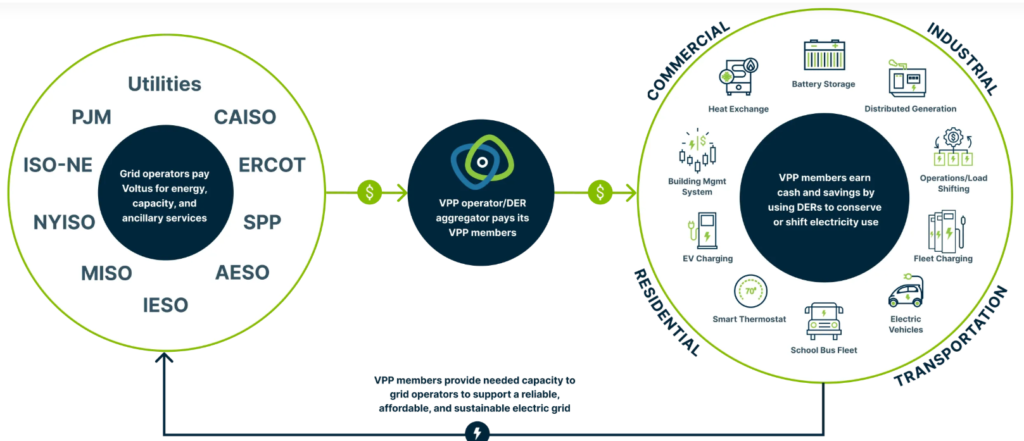
For example, a business could adjust its cooling systems for a short period, while a home could use a smart thermostat to reduce air conditioning demand. If enough sites respond at the same time, the combined reduction can free up capacity across the grid.
This approach is known as demand response. It can help grid operators manage peak demand without building new generation capacity solely to meet short periods of high use.
However, a virtual power plant is not the same as a 1 GW power station. Its contribution depends on the resources enrolled, how much electricity they can reduce or supply, and whether they are available when the grid needs support.
Rising Data Center Demand Puts Pressure on the PJM Grid
The agreement comes as PJM prepares for a major rise in electricity use. The grid operator’s 2025 long-term forecast projected that summer peak demand could increase by about 70 GW over 15 years, reaching 220 GW. PJM also estimated that data center growth could add up to 30 GW of demand between 2025 and 2030.
The growth creates a planning challenge. Data centers need reliable electricity around the clock, while new power plants and transmission lines can take years to develop. Virtual power plants offer another tool by helping the grid use existing resources more efficiently.
The U.S. Department of Energy has also identified virtual power plants as a way to improve grid reliability and manage costs. Its 2025 update said the United States would need to scale VPP capacity to between 80 GW and 160 GW by 2030. That range could serve about 10% to 20% of peak electricity demand.
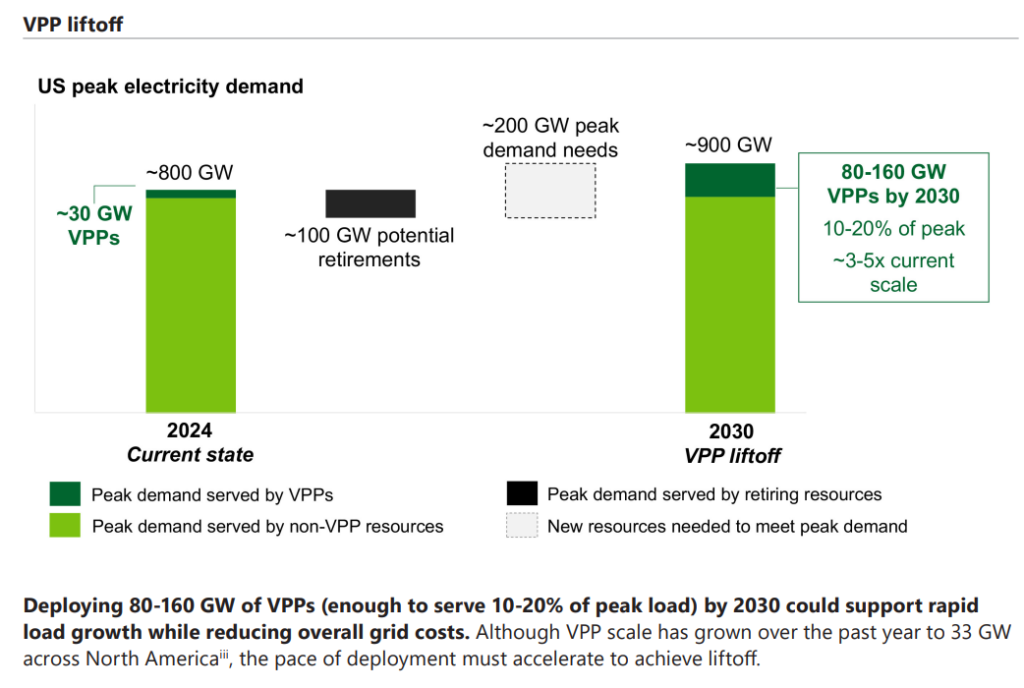
The department says wider use of these systems could help manage growing electricity needs while limiting some costs for households and businesses. Google’s 1 GW project is one corporate effort to put this approach into practice. Its actual contribution to grid reliability will depend on how much flexible capacity the system can deliver during periods of high demand.
Homes and Businesses Could Earn Money by Shifting Power Use
The agreement gives participating customers a way to earn money by changing when they use electricity. Instead of treating homes and businesses only as consumers, the model allows them to provide a service to the grid.
Customers may receive cash payments and lower bills for making their electricity use flexible. Batteries can store energy for later use, while smart controls can adjust equipment when the grid is under strain. Businesses may also be able to shift some industrial processes without disrupting operations.
The wider financial impact could be significant if these programs scale. A report from the Brattle Group, cited in the companies’ announcement, estimates that better use of the U.S. electricity grid could save consumers more than $100 billion over the next decade.
That figure is a national estimate of potential savings from improved grid use. It is not a forecast of savings from Google’s project alone.
The benefits will also depend on program design. Participants need clear payment terms, reliable controls, and enough notice to manage changes in electricity use. The companies have not disclosed how many homes and businesses are expected to join the new virtual power plant.
Google’s Clean Energy Goals Face Rising Electricity Demand
The virtual power plant also fits into Google’s broader energy strategy. The company has set goals to reach net-zero emissions across its operations and value chain by 2030 and to match its electricity use with carbon-free energy on an hourly basis in every grid where it operates.
These goals are becoming harder as the company expands its AI infrastructure. Google’s 2026 Environmental Report said it signed agreements for more than 12 GW of new clean energy in 2025, its largest annual total to date. The company also reported that its operational emissions fell by 2% in 2025 despite rising electricity demand.
At the same time, Google said its supply-chain emissions increased by 25% year over year. The figures show the challenge of reducing emissions while expanding computing capacity and the infrastructure needed to support it.
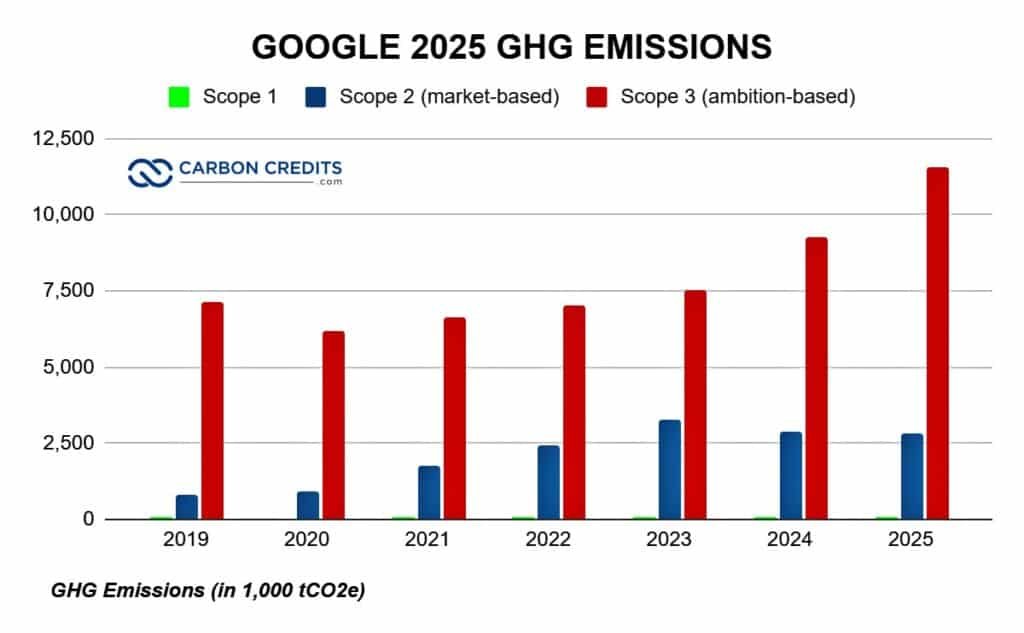
A virtual power plant can help by reducing peak demand and making better use of existing grid resources. But it does not automatically provide carbon-free electricity. The emissions impact depends on which power sources would otherwise have supplied electricity during those periods and how the system operates.
Google’s project is therefore one part of a wider strategy that includes clean energy procurement, energy efficiency and investment in emerging technologies. Its contribution to the company’s climate goals will depend on measurable results over time.
Virtual Power Plants Could Become a Bigger Part of the Energy Market
Google’s expanded agreement highlights a growing role for flexible demand in electricity markets. As data centers, electrification and other large energy users increase demand, utilities and grid operators need more ways to balance supply and consumption.
Virtual power plants can make use of batteries, smart devices and industrial flexibility that already exist across the grid. They may also help delay some infrastructure upgrades, although they cannot replace all new generation and transmission investment.
For Google, the Voltus partnership offers a way to link its growing electricity needs with a service that can support the wider grid. For households and businesses, it creates a potential new source of savings and payments.
The key test will be performance. The project’s value will depend on how much flexible capacity it delivers during peak demand, how reliably customers can participate and whether the approach helps reduce grid costs. As electricity demand rises, these results will determine how much virtual power plants can contribute to a more reliable and flexible energy system.
The post Google Expands Voltus Deal to Build a 1 GW Virtual Power Plant appeared first on Carbon Credits.


