
Oxi-Tech Solutions has secured Innovate UK funding for a two-year research partnership with the University of Warwick to develop electrochemical water disinfection technology that could reduce reliance on chemical cleaning agents in industrial applications.
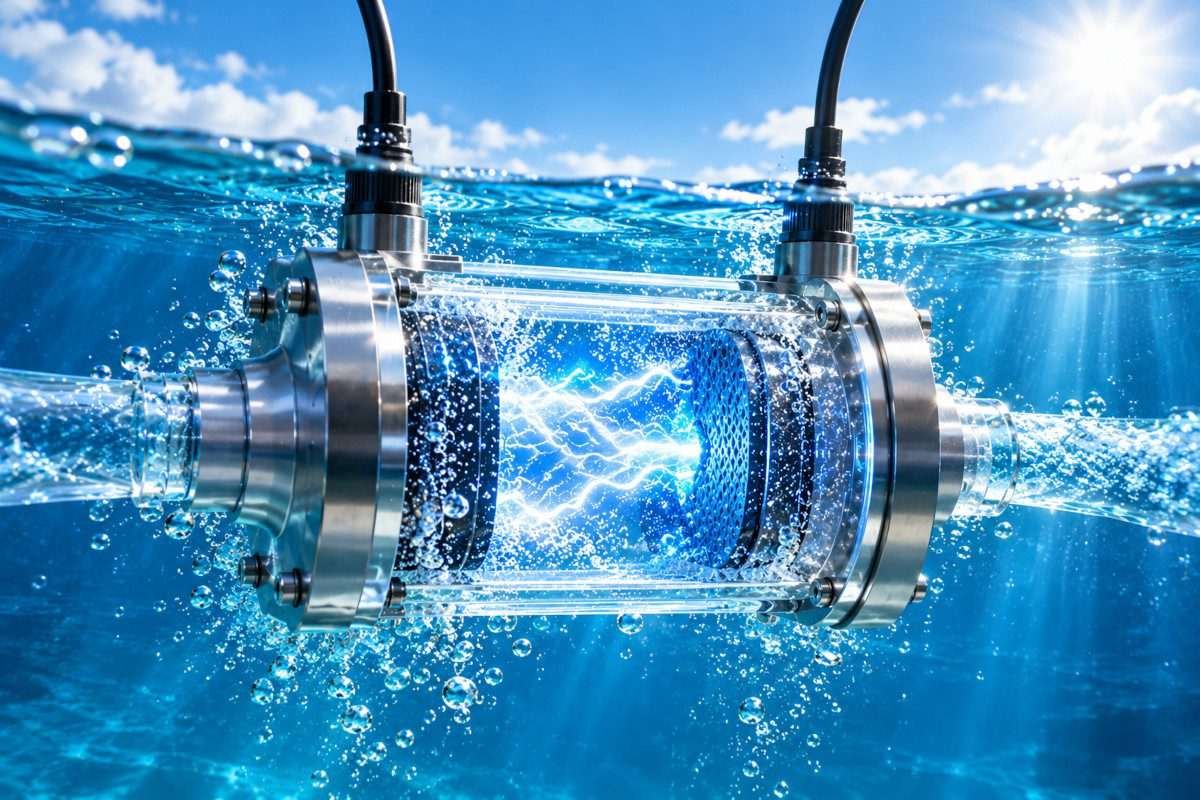
The Knowledge Transfer Partnership (KTP), beginning in 2027, will focus on improving the efficiency, durability and commercial viability of Oxi-Tech’s patented Pulse Oxidation technology, which uses boron-doped diamond (BDD) electrodes to generate ozone directly from water using electricity.
The technology employs electrodes supplied by materials specialist Element Six, with the ozone produced providing a disinfecting action without requiring conventional chemical disinfectants to be added to the water.
The partnership will combine Oxi-Tech’s existing technology and commercial experience with Warwick’s expertise in electrochemistry, advanced materials and electrochemical cell engineering.
A central objective is to develop two types of product platform: compact ozone-generation systems for smaller, distributed water-treatment applications, and larger industrial systems aimed at clean-in-place (CIP) operations and higher-capacity water treatment.
CIP systems are widely used in industries such as food and beverage manufacturing to clean the internal surfaces of pipes, vessels and processing equipment without dismantling them. Conventional approaches can involve substantial quantities of chemical cleaning agents, water and energy, including energy used to heat cleaning solutions.
Oxi-Tech believes its electrochemical approach could offer an alternative for some of these applications, reducing chemical consumption and associated transport requirements, while potentially lowering water and energy demand.
The research programme will investigate new materials and cell designs to improve ozone-generation efficiency, extend the operating life of the electrochemical cells and reduce manufacturing costs.
Another focus will be the introduction of electrical diagnostics capable of monitoring cell performance, identifying faults and providing greater insight into degradation mechanisms. Such capabilities could help improve reliability and maintenance planning as the technology is deployed across different industrial environments.
The company identifies a substantial commercial opportunity in industrial hygiene, citing an estimate of approximately $10 billion for the global CIP market in the project documentation.
Beyond CIP, the technology is being developed for wider industrial water-treatment applications, where operators face growing pressure to reduce chemical use, manage water consumption and improve resource efficiency.
The KTP is also expected to support further development of Oxi-Tech’s intellectual property and UK-based manufacturing capabilities, with the longer-term objective of making electrochemical disinfection more commercially competitive.
Paul Morris, CEO of Oxi-Tech Solutions, said: “The opportunity to work with world leading experts in the field of electrolytic chemistry, and the ability to combine our rapidly developing industry knowledge with Warwicks’ unrivalled technical expertise is too good a chance to miss. We are delighted to have been awarded this grant funding and in conjunction with our materials partner Element Six, this could genuinely create something unique for the UK’s CleanTech industry over the next few years.”


