
There’s a strange new variable in climate science, and it floats. Scientists are now grappling with the possibility that the tiny plastic particles drifting through our atmosphere – the ones we’ve largely been worried about for their effects on our bodies and ecosystems – may also be playing a role in warming the planet. Airborne microplastics and climate change are turning out to be more connected than most people realized, and the implications are genuinely unsettling.
We’ve spent years tracking carbon dioxide, methane, and other greenhouse gases. But atmospheric microplastic particles? That’s a newer frontier, and the research is moving fast.
What Are Airborne Microplastics, Exactly?
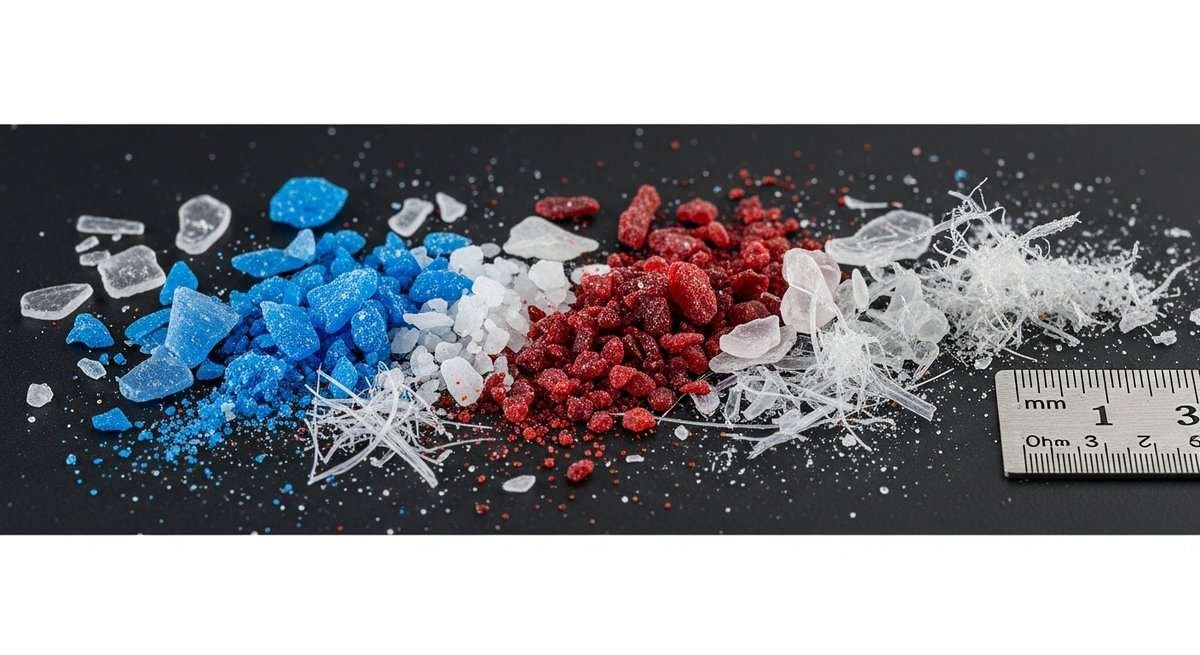
Microplastics are fragments of plastic smaller than 5 millimeters – often much, much smaller. When plastics break down from sunlight, wind, and mechanical stress, they shed particles that can be as tiny as a few microns across. These particles don’t just sit on the ground or float in the ocean; they get picked up by wind currents and travel enormous distances through the atmosphere.
Researchers have found microplastics at the summit of the Pyrenees mountains, deep in Arctic ice cores, and drifting over the open Pacific. One study found that a remote site in the French mountains received thousands of plastic particles per square meter per day – with no major urban area nearby. These particles are genuinely everywhere.
The sources are varied. Tire wear, synthetic textiles, industrial processes, agricultural films, packaging – all of it sheds particles that eventually become airborne. Plastic pollution has become a global crisis affecting virtually every system on Earth, and the atmosphere is no exception.
How Microplastics Could Influence the Climate

This is where things get scientifically interesting – and complicated. The climate effects of atmospheric microplastic particles are thought to work through several distinct mechanisms, some of which push temperatures up while others might have a cooling effect. But recent research suggests the warming side may dominate.
Absorbing and re-emitting radiation: Certain types of plastic, particularly dark-colored particles and those that have absorbed other pollutants, can absorb solar radiation. When they re-emit it as heat, they contribute directly to atmospheric warming. It’s a smaller-scale version of what black carbon soot does, and while the effect per particle is tiny, the sheer volume of particles globally adds up.
Interacting with clouds: Microplastic particles can act as cloud condensation nuclei – essentially seeds around which water droplets form. This can alter cloud properties, changing how reflective clouds are and how much precipitation they produce. Some models suggest that microplastics could reduce the reflectivity of certain cloud types, allowing more solar energy to reach the surface.
Scattering light: Lighter-colored plastic particles scatter incoming sunlight back into space, which would theoretically have a slight cooling effect. Some researchers have proposed this could partially offset warming – similar in concept to the controversial idea of using aerosols to block the sun as a form of geoengineering. But relying on pollution to counter pollution is not a strategy anyone is seriously recommending.
Degrading into greenhouse-relevant compounds: As plastic particles break down further under UV radiation, they can release volatile organic compounds and other chemicals that participate in atmospheric chemistry, sometimes producing compounds that indirectly affect greenhouse gas concentrations.
The Research Is Still Young – But the Signal Is Real
A landmark study published in 2024 modeled the radiative forcing of atmospheric microplastics – calculating how much energy imbalance they create in the climate system. The findings suggested that plastic particles in the atmosphere could contribute a measurable warming effect on a global scale. It’s not yet in the same league as CO2 or methane, but it’s not negligible, especially given that plastic production is still rising.
What makes this particularly tricky is that microplastics are not a single substance. A polyethylene terephthalate fiber behaves differently in the atmosphere than a polypropylene fragment or a black tire rubber particle. Each has different optical properties, different chemical behaviors, and different lifespans in the air. Building accurate climate models that account for this diversity is a significant challenge.
Unlike carbon dioxide, which mixes uniformly through the atmosphere over time, microplastics are unevenly distributed. They concentrate near cities, downwind of industrial areas, and along certain atmospheric transport routes. That uneven distribution makes regional effects harder to predict. We’re already seeing how unpredictable climate extremes are becoming – record heatwaves across South America are one stark reminder of how close to the edge some regions already are.
The Broader Harm Beyond Temperature
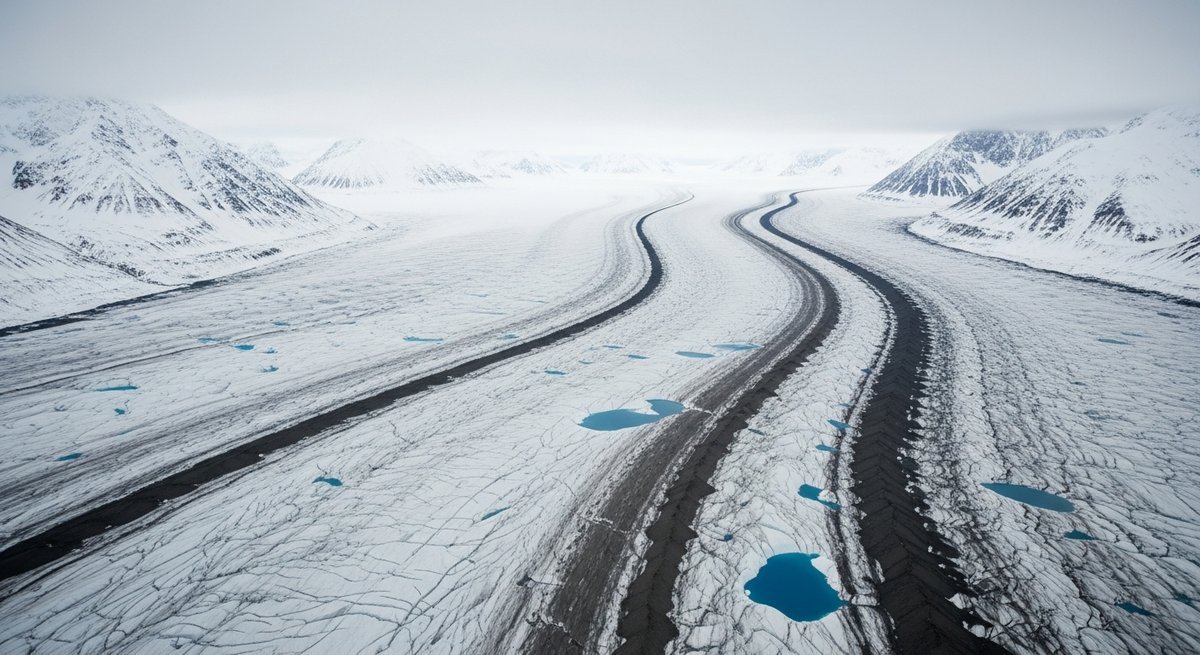
Even setting aside the direct warming question, airborne microplastics are causing harm in ways that compound climate stress. When particles settle onto glaciers and snow-covered surfaces, they darken those surfaces – reducing their albedo and accelerating melting. This is a well-documented phenomenon with black carbon, and researchers are finding similar effects with plastic particles.
Soil ecosystems affected by microplastic deposition are also less effective at storing carbon. Studies have shown that microplastics can disrupt soil microbial communities – the same communities responsible for sequestering organic carbon in the ground. Less carbon stored in soil means more carbon in the atmosphere.
There’s also the human health dimension. Research into microplastics and metabolic disease has found troubling links between plastic particle exposure and conditions like insulin resistance and inflammation – effects that emerge from particles we’re breathing in daily without realizing it.
Why This Problem Is So Hard to Solve
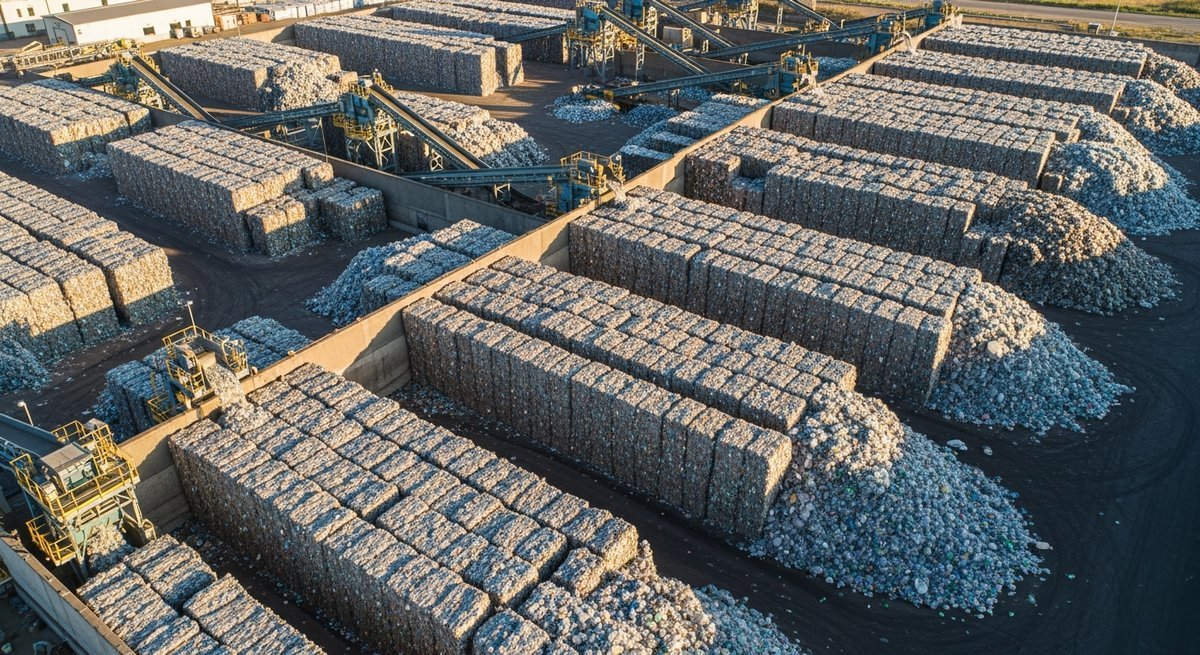
The obvious answer is to stop making so much plastic. But plastic production globally hit over 400 million metric tons per year, and most of it is not recycled. The particles already in circulation will continue breaking down and entering the atmosphere for decades, regardless of what we do today.
Monitoring is also genuinely difficult. Unlike greenhouse gases tracked with established sensor networks, airborne microplastic concentrations are hard to measure consistently. Sampling methods vary between research groups, making it difficult to build a coherent global picture. Efforts to develop better atmospheric monitoring are gaining momentum, similar to new satellite programs designed to hunt down other atmospheric superpollutants.
Policy frameworks haven’t caught up either. Most international climate agreements focus on greenhouse gases under existing protocols. Microplastics fall into a regulatory gray zone – a pollution problem, a health problem, and potentially a climate problem, but no single regulatory body currently has clear jurisdiction over atmospheric plastic particles as a climate forcing agent.
What Needs to Happen Next
The science needs to accelerate. That means standardized measurement methodologies, more comprehensive atmospheric sampling across different altitudes and geographic regions, and better integration of microplastic data into existing climate models – along with interdisciplinary research teams bridging atmospheric chemistry, materials science, and climate physics.
On the policy side, the ongoing global plastics treaty negotiations represent a real opportunity. If negotiators incorporate provisions that specifically address atmospheric plastic pollution – not just ocean and soil contamination – the treaty could become a meaningful climate tool as well as an environmental one.
Individual action matters too, though it’s no substitute for systemic change. Reducing single-use plastics, supporting extended producer responsibility legislation, and pushing for better synthetic textile filtration in washing machines are all pieces of the puzzle.
The atmosphere is not a dump. We knew that already when it came to CO2. Now we’re learning the same hard lesson about plastic.
Frequently Asked Questions About Airborne Microplastics and Climate
What are airborne microplastics and where do they come from?
Airborne microplastics are tiny plastic fragments and fibers, generally under 5 millimeters, that become suspended in the atmosphere. They originate from sources including:
- Tire wear and road abrasion
- Synthetic textiles that shed fibers during use and washing
- Industrial processes involving plastics
- Agricultural plastic films breaking down in fields
- Degradation of plastic litter under sunlight and wind
How do microplastics contribute to global warming?
Atmospheric microplastics may contribute to warming through several mechanisms. Dark particles can absorb solar radiation and release it as heat. Particles that alter cloud formation can reduce cloud reflectivity, allowing more sunlight to reach Earth’s surface. Degrading plastics can also release chemical compounds that interact with atmospheric greenhouse chemistry. The net effect appears to lean toward warming, though research is ongoing.
Are microplastics as significant as CO2 for climate change?
Not at current concentrations. Carbon dioxide and methane remain the dominant drivers of human-caused climate change. However, microplastic particles represent an emerging and poorly quantified forcing factor, and given that plastic production continues rising, their cumulative atmospheric effect could grow more significant over time.
Can microplastics accelerate glacier melting?
Yes. When plastic particles deposit on snow and ice surfaces, they darken those surfaces and reduce reflectivity. This causes snow and ice to absorb more solar energy and melt faster – a process that also occurs with black carbon soot from combustion. Studies from Arctic and high-altitude glaciers have detected microplastic contamination in surface snow.
Do airborne microplastics affect human health?
Research increasingly suggests yes. Inhaled microplastics have been detected in lung tissue, and studies are linking plastic particle exposure to inflammation, respiratory stress, and metabolic disruption – additional reasons beyond climate to reduce atmospheric plastic pollution urgently.
What can be done to reduce airborne microplastic pollution?
- Reducing overall plastic production, especially single-use items
- Installing microfiber filters on washing machines to capture synthetic textile fibers
- Improving road surfaces and tire compounds to reduce tire wear particles
- Strengthening international plastics treaty provisions to cover atmospheric emissions
- Investing in monitoring infrastructure to better track atmospheric microplastic concentrations
Is there a global agreement on plastic pollution in the atmosphere?
Not yet. Ongoing negotiations toward a global plastics treaty address plastic pollution broadly, but atmospheric microplastics as a climate forcing agent remain largely outside existing regulatory frameworks. Advocates are pushing for treaty language that explicitly covers airborne plastic emissions alongside ocean and soil contamination.
This article is for informational purposes only.
Reference: https://www.enn.com/articles/77964-airborne-microplastics-may-be-warming-the-planet
The post Airborne Microplastics May Be Warming the Planet appeared first on Green.org.


