
August 1 is Food Day Canada and this year’s theme is all about local food literacy, making it a fitting opportunity to reflect on Ontario’s food system.
About 60 per cent of all food produced in Ontario is consumed within the province, in part because Ontarians are actively choosing to buy local.
While food literacy involves knowing where our food comes from, it should also include understanding the many people, partnerships and innovations that make every Ontario-grown meal possible.
Meeting the demand for grown-in-Ontario fruits, vegetables, grains and legumes involves more than most people see.
Food system resiliency
Resilient food systems don’t happen by accident. A changing climate, animal health threats and supply chain disruptions can put pressure on Ontario’s food system every day.
In addition to our exceptional local producers and processors, a resilient food system depends on research, innovation, talent development and collaboration.
It requires expertise in food safety, veterinary medicine, crop research and greenhouse innovations, to name a few.
This is the kind of broad expertise the University of Guelph and its partners bring to the table with support from the Ontario Agri-Food Innovation Alliance, a collaboration among the Government of Ontario, University of Guelph and industry sector partners.
University research critical
Plant breeding is one of the areas where the U of G is leading the way.
Before we can eat locally grown food, we need to develop lines and varieties that are adapted to Ontario’s climate and soils. Plant breeding is how we achieve this, and it directly benefits farmers who are able to grow the disease-resistant and high-yielding produce that consumers demand.
Plant breeding takes scientific expertise in genetics, biotechnology and more — specialties that are highly concentrated at the university. It’s careful work that can take years — and sometimes decades. But the payoff is worth the investment. U of G researchers develop about 150 new varieties each year, many of which make it to market and are used across the globe.

Peach variety development
Take Jay Subramanian’s peach breeding success. In collaboration with industry partners, including the Tender Fruit Marketing Board and the Niagara Peninsula Fruit & Vegetable Growers’ Association, the professor with the Ontario Agricultural College department of plant agriculture has developed eight new cold-hardy, disease-resistant peach varieties since 2003.
Vee Blush, released in 2013, was essential to helping local growers pivot to ready-to-eat peaches when a major peach canning plant in Niagara closed in 2008. Breeding like this provides a safety net when there are industry changes and creates resilience so producers can adapt.
Asparagus yields
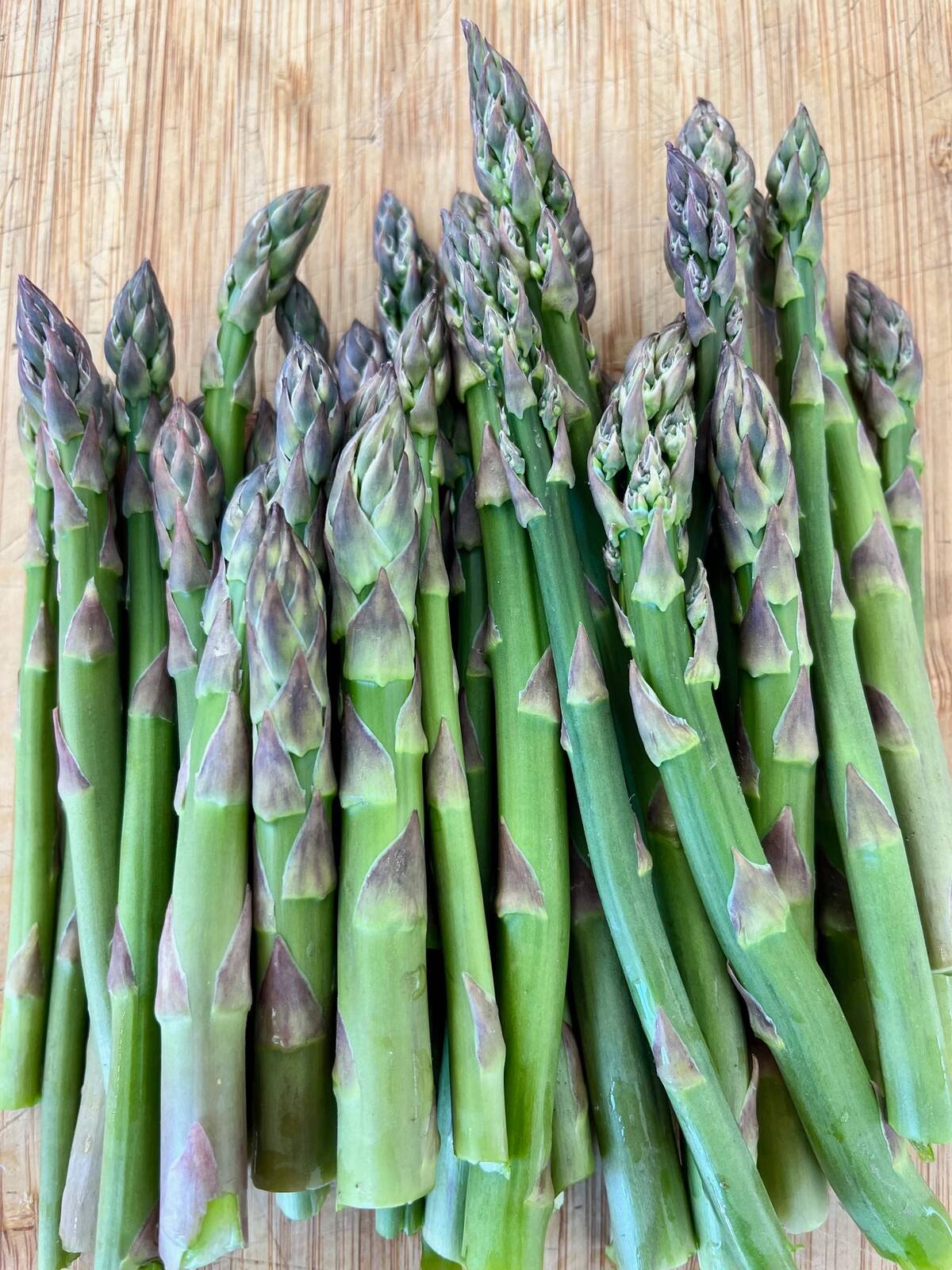
Asparagus is another plant that’s benefited from breeding work at U of G.
David Wolyn’s work developing the Guelph Millennium asparagus variety was a game-changer. Twenty-six years ago, growers struggled to keep fields producing high-quality asparagus year after year. Asparagus varieties developed in the United States would only last a few years in Ontario before their yields would decline. Guelph Millennium not only produces a high yield, but it also comes back year after year. Some plantings of Guelph Millennium have lasted 18 years or longer, and the variety has become so popular that it now accounts for more than 90 per cent of asparagus acreage in the province.
Improved processing
But breeding doesn’t just support growers of produce for fresh eating; it’s also essential to processors. Steve Loewen’s work to breed lines of tomatoes specifically developed to create quality in the can is critical to the processing sector. Loewen’s father and grandfather both grew processing tomatoes and he saw firsthand how weather could quickly upend a productive season. By developing lines best suited to Ontario’s variable weather conditions, Loewen’s work, supported by Ontario Processing Vegetable Growers, helps put food on tables by fueling the successful growth of local tomatoes for major canning companies.
The future of food
As new pressures challenge food production and processing, protecting Ontario’s food future requires continued investment in the science and people behind the system. It’s how U of G, with the support of the Alliance, is contributing to a strong food future for Ontario and beyond while helping to deliver what Ontarians want: safe, reliable food grown right here at home.
The post Behind every meal is a food system worth protecting appeared first on Farmtario.


